
Staying Hydrated as You Age: Why Dallas Seniors May Not Feel Thirst
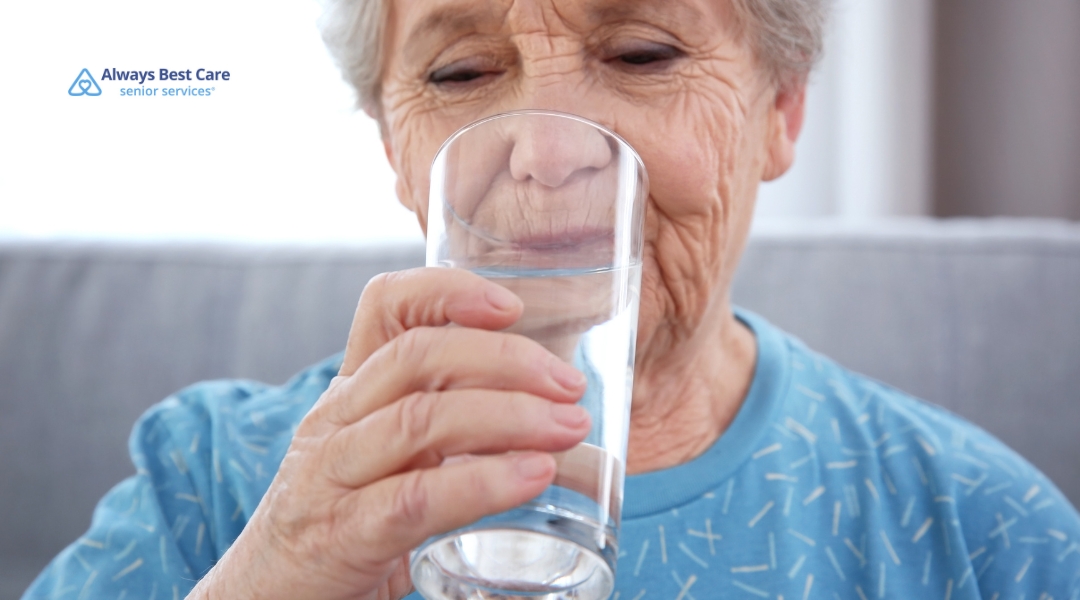
Older adults don’t always get a strong thirst signal, so they can go longer than they should without drinking enough water. That small change can snowball into headaches, weakness, confusion, and other problems that make daily life harder.
What You Will Learn:
- Why older adults may not feel thirsty as quickly or strongly as they once did.
- Common signs that may suggest a senior is becoming dehydrated.
- Simple hydration habits families can build into everyday routines.
- How water-rich foods, caregiver reminders, and regular observation can support senior well-being at home.
Table of Contents
Why Thirst Changes With Age
As we get older, the body’s “drink now” alarm doesn’t always ring loudly. The brain may not react as quickly to low fluid levels, and that can leave seniors feeling fine even when they’re already behind on hydration.
A few everyday factors can make things trickier:
- Some medicines can dry the body out
- Kidney function may slow down
- Getting up for drinks can feel like a chore
- Bathroom trips may seem inconvenient
- Health issues can make drinking less appealing
So, yes, thirst can quietly fade into the background.

What Happens When Hydration Slips?
Even mild dehydration can cause real trouble. It doesn’t take much for the body to feel off-balance.
Common effects include:
- Tiredness
- Dizziness
- Headaches
- Constipation
- Confusion
- Low blood pressure
- Higher fall risk
- Urinary tract infections
Left alone, dehydration can become serious fast.
Warning Signs Families Should Notice in Dallas, TX
Because seniors may not say they’re thirsty, loved ones and caregivers need to keep an eye out for clues.
Watch for:
- Dry mouth or cracked lips
- Dark urine or fewer bathroom trips
- Dry skin
- Weakness
- Sudden forgetfulness
- Dizziness when standing
- Loss of appetite
If these signs show up suddenly or get worse, it’s smart to call a healthcare provider.

Simple Ways to Build a Hydration Habit in Dallas, TX
A steady routine works better than waiting around for thirst to show up. Little habits can go a long way.
Try this:
- Drink a glass of water with meals
- Keep water within arm’s reach
- Set phone reminders
- Sip often instead of gulping all at once
- Choose fluids before time outdoors or light exercise
Foods and Drinks That Help, Too
Water does the heavy lifting, but it’s not the only player in the game. Plenty of foods add fluid and variety.
Good choices include:
- Watermelon
- Cucumbers
- Strawberries
- Oranges
- Broth-based soups
- Yogurt
- Herbal tea
- Low-fat milk
A plate with hydrating foods can help fill in the gaps.

How Caregivers Can Lend a Hand
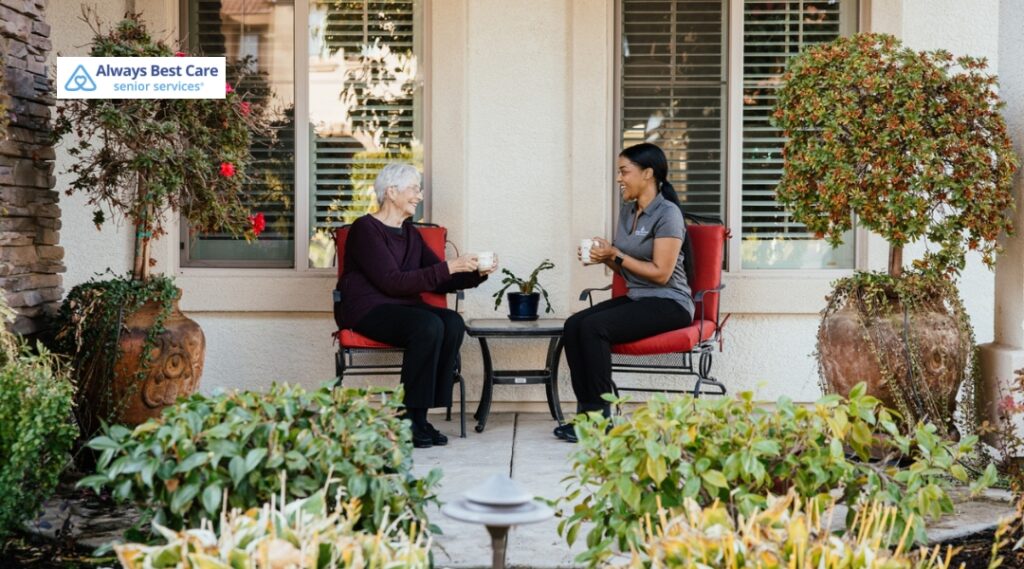
For seniors living alone, staying hydrated can slip through the cracks. That’s where a little support makes a big difference.
Caregivers can:
- Offer drinks throughout the day
- Serve hydrating meals and snacks
- Notice early dehydration signs
- Encourage extra fluids in warm weather
- Share concerns with family or a doctor
How Always Best Care of Dallas, TX Supports Healthy Habits
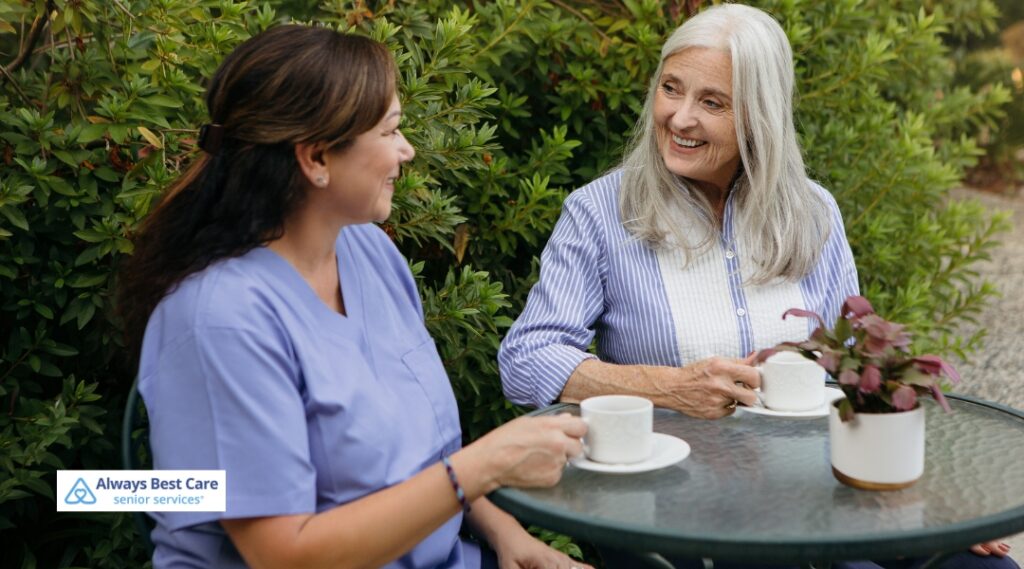
At Always Best Care of Dallas, TX, we help seniors stay on track with daily routines that support good hydration and comfort. We remind us to drink regularly, prepare nutritious meals, and pay attention to changes that may signal trouble.
We also provide companionship, which can make everyday habits feel easier and less like a chore. That kind of support can help seniors keep their energy up and stay more independent at home.
FAQ
Q: Why don’t seniors always feel thirsty?
A: As people age, the body may not sense low fluid levels as quickly, so thirst can be less reliable.
Q: What’s one easy way to drink more water?
A: Pair water with routine moments, like meals, medications, or morning and evening habits.
Q: Can foods help with hydration?
A: Yes. Fruits, vegetables, soups, and yogurt can all add fluids.
Q: What should families watch for?
A: Dry mouth, dark urine, weakness, confusion, and dizziness are common warning signs.
Q: How can caregivers help?
A: They can offer drinks often, keep water nearby, and watch for changes in energy or mood.
Help Your Loved One Stay Hydrated at Home
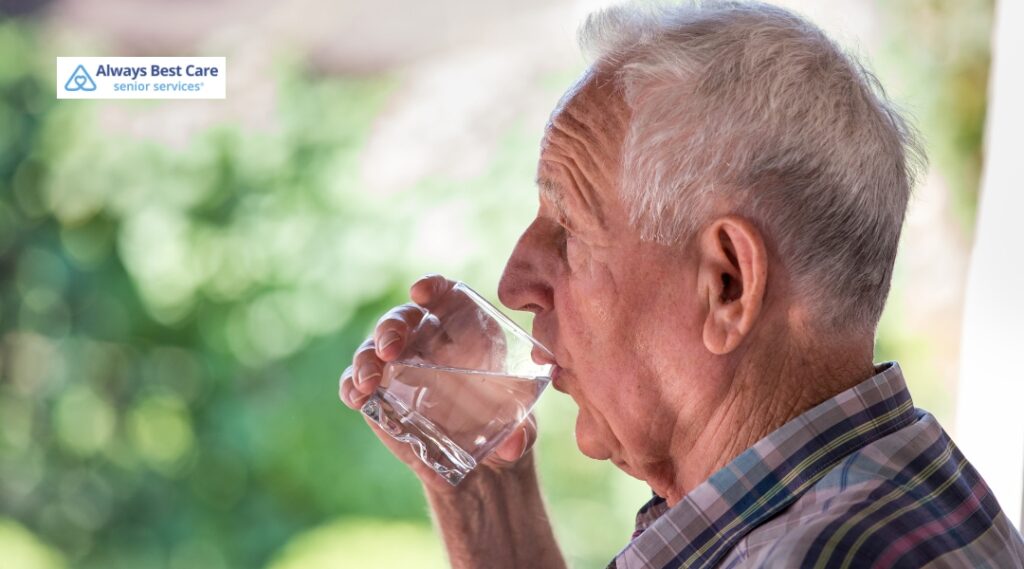
Thirst doesn’t always keep pace with age, but dehydration can still be prevented with simple daily habits and a little support. With the right routine and caring help from Always Best Care of Dallas, TX, seniors can stay hydrated, feel better, and keep doing more of what they love.
Contact Always Best Care of Dallas at (972) 739-8886 to learn more and schedule your free consultation.
Link to the markdown version of this blog.