
Senior Guide to COPD Care in Dallas, TX: Staying Safe and Comfortable at Home
Chronic Obstructive Pulmonary Disease (COPD) is one of the most common long-term health conditions affecting older adults. It narrows the airways, traps air in the lungs, and makes everyday breathing a conscious effort. For seniors, that can mean scaling back activities they once enjoyed, relying more heavily on others, and managing a condition that never fully goes away.
But COPD does not have to define daily life. With the right routines, a supportive home environment, and consistent care, seniors can manage their symptoms effectively and continue living with comfort and dignity.
What You Will Learn:
- How COPD affects seniors and why early symptoms are often overlooked.
- Practical strategies to manage COPD safely at home.
- How to reduce flare-ups through environment, nutrition, and daily habits.
- The role of caregivers in supporting independence and quality of life.

Table of Contents
Understanding COPD: More Than Just Breathlessness
COPD is an umbrella term for progressive lung diseases, most commonly chronic bronchitis and emphysema. What makes it particularly challenging for seniors is that its early symptoms — mild shortness of breath, occasional coughing, low energy — are easy to dismiss as normal aging.
Key symptoms to recognize:
- Shortness of breath during routine tasks
- Persistent cough, often with mucus
- Wheezing or chest tightness
- Frequent respiratory infections
- Fatigue that worsens with activity
Early diagnosis matters. The sooner COPD is identified and managed, the better the long-term outcomes. If your loved one is experiencing any of these symptoms consistently, a conversation with their physician is the right first step.
Practical Strategies for Managing COPD at Home
Stick to the Treatment Plan
Medications — including inhalers, bronchodilators, and in some cases supplemental oxygen — are the foundation of COPD management. Missing doses or using inhalers incorrectly can lead to unnecessary flare-ups.
Caregivers play a valuable role here. Simple reminders, organized medication schedules, and regular check-ins can help seniors stay on track without feeling overwhelmed.
Improve Indoor Air Quality
The air inside the home has a direct impact on COPD symptoms. Dust, pet dander, mold, and chemical fumes can all trigger breathing difficulties.
Steps that make a real difference:
- Vacuum and dust regularly using HEPA-filter equipment
- Eliminate smoking indoors entirely
- Switch to fragrance-free cleaning products
- Use an air purifier in frequently used rooms
- Keep windows open when outdoor air quality is good
A cleaner indoor environment reduces the frequency and severity of flare-ups — often more than people expect.
Keep Moving, Carefully
It may seem counterintuitive, but gentle physical activity is one of the most effective tools for managing COPD. Regular movement strengthens the muscles involved in breathing, improves circulation, and supports mental health.
Appropriate activities include short walks, light stretching, chair-based exercises, and pulmonary rehabilitation programs recommended by a healthcare provider. The key is consistency over intensity — even 10 minutes of movement daily can yield meaningful benefits.
Master Breathing Techniques
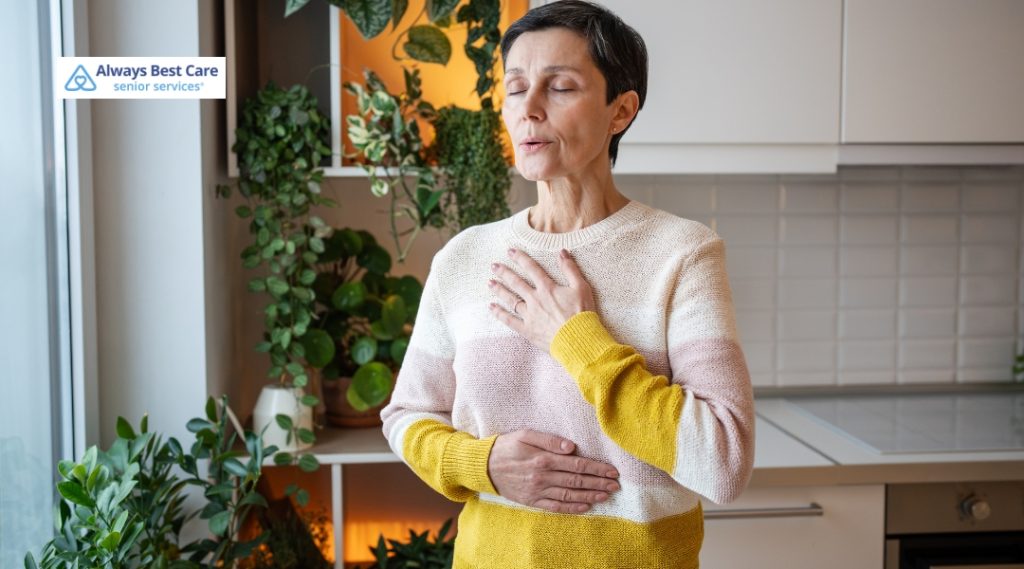
Two techniques are particularly useful for seniors with COPD:
- Pursed-lip breathing: Inhale slowly through the nose, then exhale through pursed lips for twice as long. This slows breathing and keeps airways open longer.
- Diaphragmatic breathing: Focuses on engaging the diaphragm rather than the chest, allowing for deeper, more efficient breaths.
Practicing these techniques daily — not just during flare-ups — helps seniors feel more in control of their breathing and reduces anxiety.
Prioritize Nutrition and Hydration
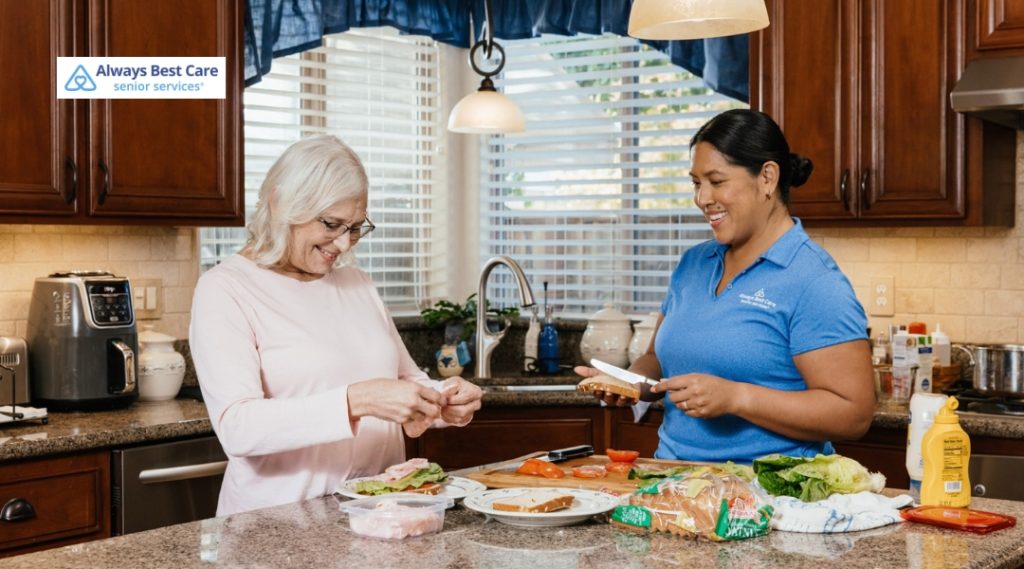
COPD increases the energy the body uses to breathe, which means nutrition becomes especially important. A diet rich in lean proteins, vegetables, whole grains, and healthy fats supports lung function and overall strength.
Staying well-hydrated helps thin mucus secretions, making them easier to clear. Smaller, more frequent meals can also prevent the bloating that sometimes makes breathing feel more restricted after eating.
Know the Warning Signs
COPD symptoms fluctuate. Families and caregivers should be alert to changes that may signal a flare-up or infection requiring prompt medical attention.
Watch for:
- A noticeable increase in breathlessness
- Changes in mucus — more of it, or a shift in color
- Fever or chills
- Increased confusion or unusual fatigue
- Inability to complete tasks that were manageable before
Acting quickly at the first sign of a flare-up can prevent a hospital visit and support a faster recovery.
How Always Best Care of Dallas, TX Helps
Managing COPD is an ongoing process, and it is one that seniors should not have to handle alone. Always Best Care of Dallas, TX provides in-home support tailored to the needs of seniors living with respiratory conditions.
Our caregivers can help with:
- Medication reminders and adherence support
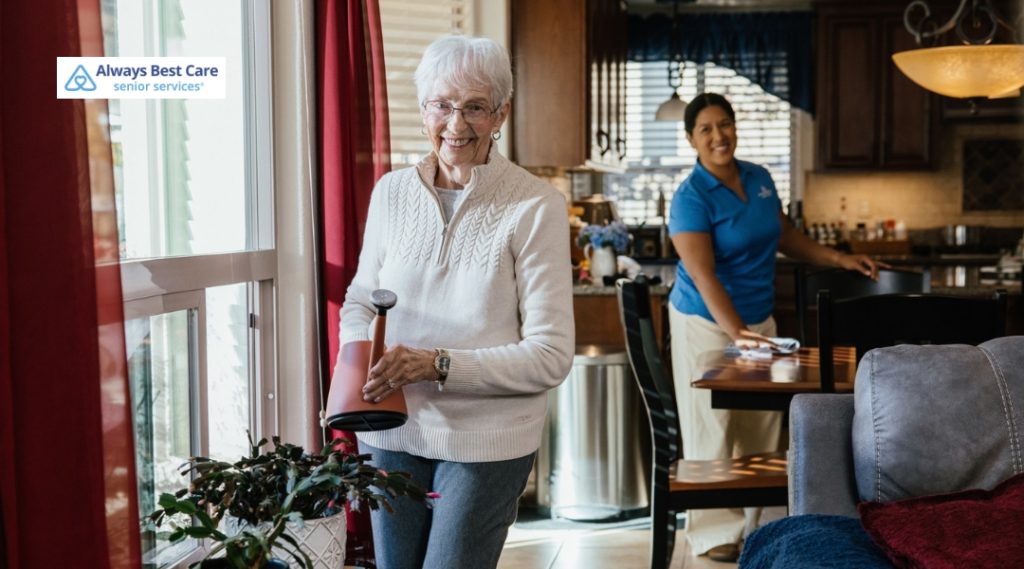
- Light housekeeping to maintain a clean, low-irritant environment
- Meal preparation focused on nutritional needs
- Encouragement and assistance with safe physical activity
- Companionship to ease the emotional weight of chronic illness
- Transportation to medical appointments and follow-up visits
For seniors who need a higher level of medical support, home health services offer skilled nursing care and direct coordination with physicians — all from the comfort of home.
Frequently Asked Questions About COPD and Senior Home Care
Q: What is the most important thing a caregiver can do for a senior with COPD?
A: Consistency is key. Helping a senior stick to their medication schedule, maintain a clean living environment, and attend regular medical appointments has the greatest impact on long-term symptom management.
Q: Can COPD get better with treatment?
A: COPD is a progressive condition, meaning it cannot be reversed. However, with proper treatment and lifestyle management, symptoms can be significantly reduced and the rate of progression can be slowed. Many seniors with COPD live active, fulfilling lives at home.
Q: Is it safe for a senior with COPD to exercise?
A: Yes, with appropriate guidance. Light activity is actually recommended as part of COPD management. Pulmonary rehabilitation programs, gentle walks, and breathing exercises are all beneficial. Always consult a healthcare provider before starting any new exercise routine.
Q: How do I know when a COPD flare-up requires emergency care?
A: Seek immediate medical attention if your loved one experiences severe shortness of breath that does not improve with their inhaler, bluish lips or fingertips, rapid heart rate, or significant confusion. These are signs of a serious episode that requires urgent care.
Q: What home modifications help seniors with COPD breathe more easily?
A: Removing carpets that trap dust, installing air purifiers, eliminating indoor smoking, switching to unscented cleaning products, and ensuring good ventilation are all practical steps. Keeping frequently used items within easy reach also reduces unnecessary exertion.
Q: How can in-home care support a senior with COPD beyond physical tasks?
A: Chronic illness can be isolating. In-home caregivers provide companionship, emotional reassurance, and a consistent presence that helps reduce stress — which itself can trigger breathing difficulties. That human connection is often just as valuable as the practical support.
Support Safer, More Comfortable Living with COPD
At Always Best Care of Dallas, we provide compassionate in-home care for seniors living with COPD and other chronic conditions. From medication reminders and meal preparation to maintaining a clean, low-irritant home environment, our caregivers help seniors stay safe, comfortable, and independent.
Contact Always Best Care of Dallas at (972) 739-8886 to learn more and schedule your free consultation.
Link to the markdown version of this blog.