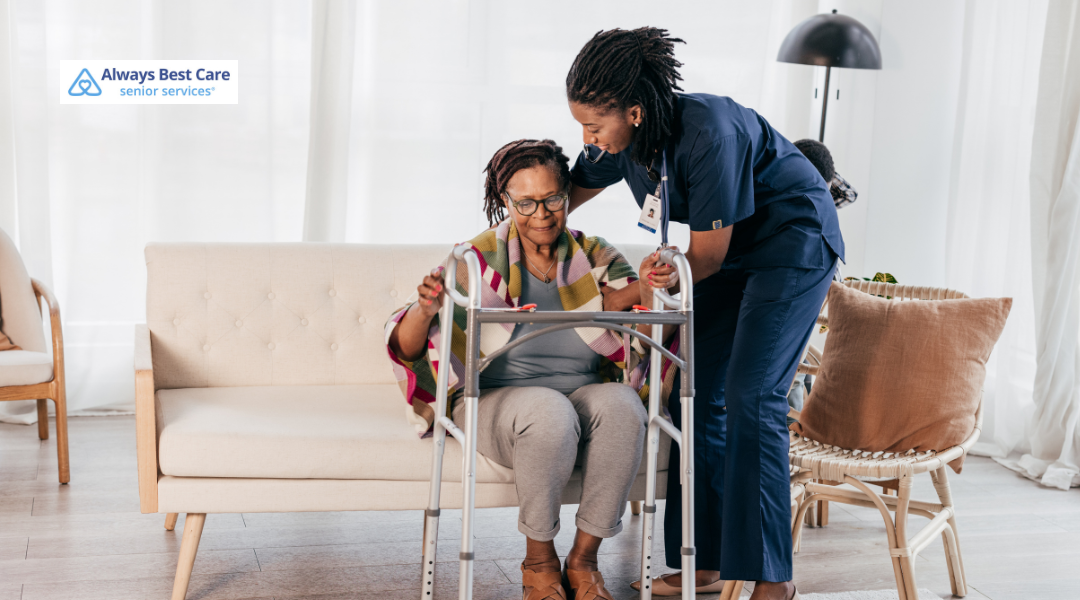

Caring for a Loved One After a Stroke in Fort Worth: How In-Home Support Promotes Recovery

Bringing a loved one home after a stroke can be both a relief and a shock. The hospital routines stop, but the new reality in Fort Worth begins—managing medications, helping with bathing and dressing, watching every step, and wondering if you’re really doing enough.
You don’t have to carry all of that alone. In-home support can turn your home into a safer, more structured place for healing, giving your loved one the hands-on help they need and giving you the breathing room you deserve.
What You Will Learn:
- How stroke impacts daily life and routines for seniors at home.
- The role of in-home caregivers in supporting safety, mobility, and independence.
- How consistent support helps reinforce therapy and reduce complications.
- How families in Fort Worth benefit from shared caregiving and reduced stress.

Table of Contents
How Stroke Changes Daily Life for Fort Worth Seniors
Stroke recovery doesn’t look the same for everyone, but many seniors share similar challenges once they’re back home:
- Weakness or numbness on one side of the body
- Trouble with balance, walking, or using stairs
- Difficulty with speech, understanding, or memory
- Fatigue that sets in much faster than before
- Anxiety, frustration, or changes in mood
These changes don’t just show up in therapy sessions—they show up in the shower, at the dinner table, climbing the porch steps, and getting in and out of bed. That’s where in-home support becomes so valuable.
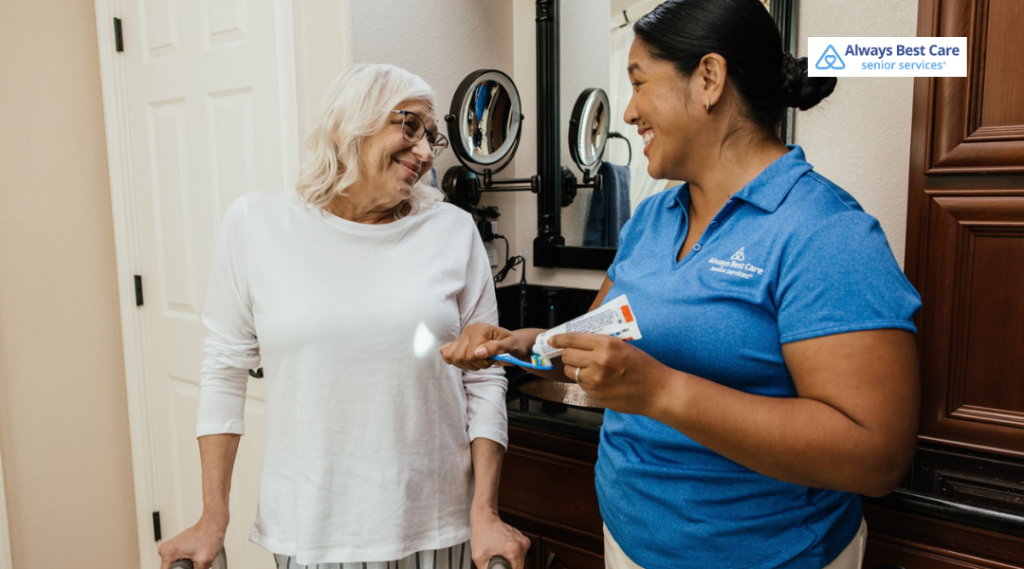
What In-Home Support Looks Like After a Stroke
In-home care in Fort Worth is designed to meet your loved one where they are today, while helping them work toward tomorrow’s goals. It’s not one-size-fits-all—it’s tailored to their abilities, safety needs, and personality.
Common ways caregivers help include:
- Assistance with bathing, dressing, grooming, and toileting
- Safe transfers from bed to chair, or in and out of the shower
- Support with walking, using canes or walkers, and navigating steps
- Meal planning and preparation that matches diet recommendations
- Medication reminders and help following daily routines
- Light housekeeping to keep floors clear and reduce fall risk
- Companionship, conversation, and supervision for peace of mind
This kind of support turns everyday tasks from major hurdles into guided, manageable activities.

Promoting Independence, Not Just Doing Everything for Them
After a stroke, it’s tempting to do everything for your loved one because you’re worried about their safety. The catch is, if they never get to try, they don’t get to rebuild confidence or strength. Good in-home care focuses on supporting independence, not replacing it.
Caregivers can:
- Break tasks into smaller, safer steps (like dressing while seated instead of standing).
- Encourage your loved one to do what they can, with a steady hand nearby.
- Use gentle prompting instead of rushing in to finish every task.
- Celebrate small wins, like buttoning a shirt, walking a few extra steps, or speaking more clearly.
This balance between safety and independence helps your loved one feel capable, not helpless.
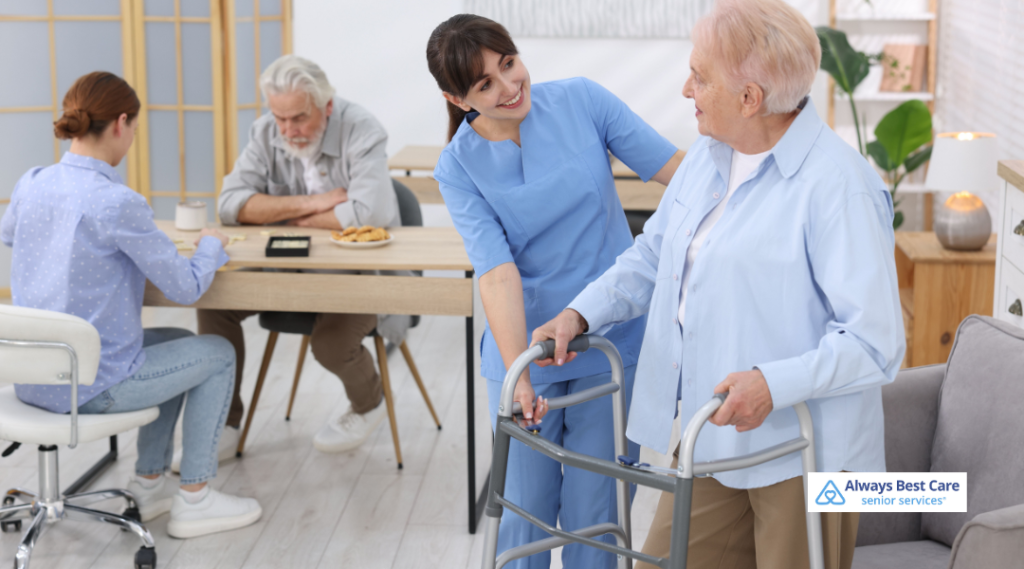
Making Fort Worth Homes Safer for Stroke Survivors
The home that once felt perfectly safe can suddenly be full of hazards after a stroke. In-home care providers see these risk points up close and can help you adjust the space.
Helpful changes often include:
- Clearing pathways of cords, loose rugs, and clutter
- Adding grab bars in the bathroom and non-slip mats in the shower
- Using shower chairs and raised toilet seats when needed
- Improving lighting in halls, stairs, and entrances
- Rearranging furniture so walkers or wheelchairs can move through easily
These practical tweaks can dramatically reduce the risk of falls and make the home friendlier to new physical limits.

Supporting Therapy and Medical Plans Between Appointments
Stroke recovery usually involves a team—doctors, physical therapists, occupational therapists, and speech therapists. But they only see your loved one for short visits. Real progress happens in the hours and days in between.
In-home caregivers can:
- Help your loved one follow through on exercises recommended by therapists
- Set aside regular times for practice, so it doesn’t get forgotten
- Assist with proper positioning, pacing, and safety during exercises
- Keep an eye on changes—good or bad—and share those with the family
This kind of consistent follow-through can help therapy gains stick and build over time.

Emotional Support for Seniors and Family Caregivers
Stroke doesn’t only affect muscles; it affects emotions, identity, and relationships. Seniors may feel embarrassed, discouraged, or afraid of having another stroke. Family caregivers may feel exhausted, guilty, or unsure what to expect.
In-home support can ease these emotional pressures by:
- Providing friendly, patient companionship throughout the day
- Giving seniors someone outside the family to talk to and interact with
- Allowing you, as a caregiver, to rest, work, or step away without constant worry
- Creating more moments where you can just be a spouse, son, or daughter—not only a caregiver
A calmer home atmosphere benefits everyone’s mental and emotional health, which in turn supports physical recovery.

How In-Home Support Improves Recovery Outcomes in Fort Worth
While no service can guarantee specific results, in-home care often makes recovery smoother and safer by:
- Reducing the risk of falls and preventable injuries at home
- Helping seniors stay on top of medication and daily routines
- Supporting better nutrition, hydration, and rest
- Reinforcing therapy and doctor recommendations in real life
- Preventing caregiver burnout, so families can stay involved for the long haul
All of these pieces together give your loved one a stronger foundation as they work toward the best recovery possible.
FAQs About In-Home Stroke Support in Fort Worth
Q: When should Fort Worth families consider in-home support after a stroke?
A: In-home care can help as soon as your loved one returns home—especially if they need help with bathing, walking, transfers, medications, meals, or staying safe when alone.
Q: Is in-home care only for seniors with severe stroke effects?
A: No. Even seniors with mild symptoms may benefit from short-term support while they adjust, regain strength, and figure out new routines at home.
Q: Can in-home caregivers work alongside therapists and nurses?
A: Yes. In-home care typically complements skilled services, helping seniors practice exercises, follow safety guidance, and stick to routines recommended by their medical team.
Q: How many hours of in-home care does a stroke survivor usually need?
A: It varies widely. Some families start with a few hours a week, while others need daily or longer shifts. Care can increase or decrease over time based on how your loved one is doing.
Q: How does in-home care help family caregivers in Fort Worth?
A: It shares the workload, offers professional guidance, and gives you time to rest and manage your own life—so you can stay healthier and more present for your loved one.

You Don’t Have to Walk This Road Alone
Caring for a loved one after a stroke in Fort Worth is a big responsibility, but it doesn’t have to be a solo effort. In-home support turns the house into an active part of the recovery plan—where safety, independence, and comfort all get room to grow.
With the right help in place, your loved one gets the daily support they need to move forward, and you gain the space to be not just a caregiver, but a son, daughter, spouse, or friend again. Step by step, with a solid support team around you, stroke recovery at home can feel less overwhelming and far more hopeful. Contact Always Best Care of Fort Worth at (817) 380-9208 to learn more and schedule your free consultation.
Link to the markdown version of this blog.