Private Nursing in Fort Worth: Peace of Mind for Seniors With Complex Health Needs
For many Fort Worth families, the hardest moments come not in the hospital, but after: when a loved one comes home with new medications, strict instructions, and lingering symptoms. Heart disease, COPD, diabetes, neurological conditions, or recent surgeries can make everyday life feel fragile. Families often wonder, “How do we keep them safe here, without a nurse’s station down the hall?”
Private nursing offers an answer. Bringing skilled, one‑on‑one clinical care directly into the home helps seniors manage complex health needs where they’re most comfortable—while giving families the guidance and reassurance they need to navigate high‑stakes care.
What You Will Learn:
- What private nursing includes and how it differs from standard home care.
- How nurses manage complex conditions like heart disease, COPD, and diabetes at home.
- The importance of monitoring, medication management, and early detection.
- How private nursing supports families and reduces stress after hospital discharge.
Table of Contents
What Private Nursing Is—and Why It Matters
Private nursing involves licensed nurses providing individualized medical care in a senior’s home, unlike traditional home care, which focuses on daily living tasks, private nursing centers on clinical needs that require professional training.
A private nurse can:
- Review and follow physician orders in a home setting.
- Coordinate care plans with doctors, therapists, and other providers.
- Monitor health trends and respond quickly when something changes.
For Fort Worth seniors, this means hospital-level expertise brought into the living room, bedroom, or kitchen—where real life happens.
Supporting Common Complex Conditions at Home
Many seniors live with more than one serious diagnosis. Private nursing can help manage these conditions day to day, reducing risks and supporting quality of life.
Examples include:
- Heart disease: Monitoring blood pressure, heart rate, weight, and fluid status; reinforcing low-sodium diet and medication routines; watching for early signs of worsening heart failure.
- COPD and other lung conditions: Checking oxygen saturation, breathing patterns, and use of inhalers or nebulizers; helping manage oxygen equipment; recognizing early respiratory distress.
- Diabetes: Monitoring blood sugar, supporting insulin administration, guiding meal timing and carb awareness, watching for signs of hypo‑ or hyperglycemia.
- Neurological conditions (such as Parkinson’s disease or after stroke): Tracking changes in strength, coordination, speech, or cognition; assisting with complex medication schedules; supporting safe mobility and daily function.
- Post‑surgical recovery: Managing wound care and dressings, monitoring pain levels and mobility, watching for signs of infection or complications, and helping follow rehab instructions.
With a nurse watching the details, seniors and families don’t have to guess what is “normal” or when to be concerned.
Vital Sign Monitoring and Early Warning Detection
One of the most powerful aspects of private nursing is consistent, skilled monitoring. Subtle changes in vital signs or symptoms often show up before a major crisis—if someone knows what to look for.
Private nurses can:
- Take and interpret vital signs: blood pressure, heart rate, temperature, oxygen levels, weight, and more.
- Track trends over time, not just isolated numbers.
- Notice patterns—like gradual weight gain in heart failure or increasing breathlessness in COPD.
- Communicate concerns promptly to physicians and families, helping adjust treatment before problems escalate.
This early detection can reduce emergency room visits, hospital readmissions, and the stress of sudden health scares.
Managing Treatments and Complex Medication Routines
Many Fort Worth seniors come home with complicated medication schedules, injections, breathing treatments, or other therapies. Trying to manage these without professional support can feel overwhelming—and mistakes can be dangerous.
Private nurses help by:
- Organizing medications into clear schedules and pill boxes.
- Administering injections or more advanced treatments when needed.
- Double-checking drug interactions and watching for side effects.
- Guiding families on the right way to store, time, and give medications.
This hands‑on support lowers the risk of missed doses, double doses, or incorrect use, and makes treatment routines feel more manageable for everyone involved.
Making Recovery and Daily Life Feel Possible Again
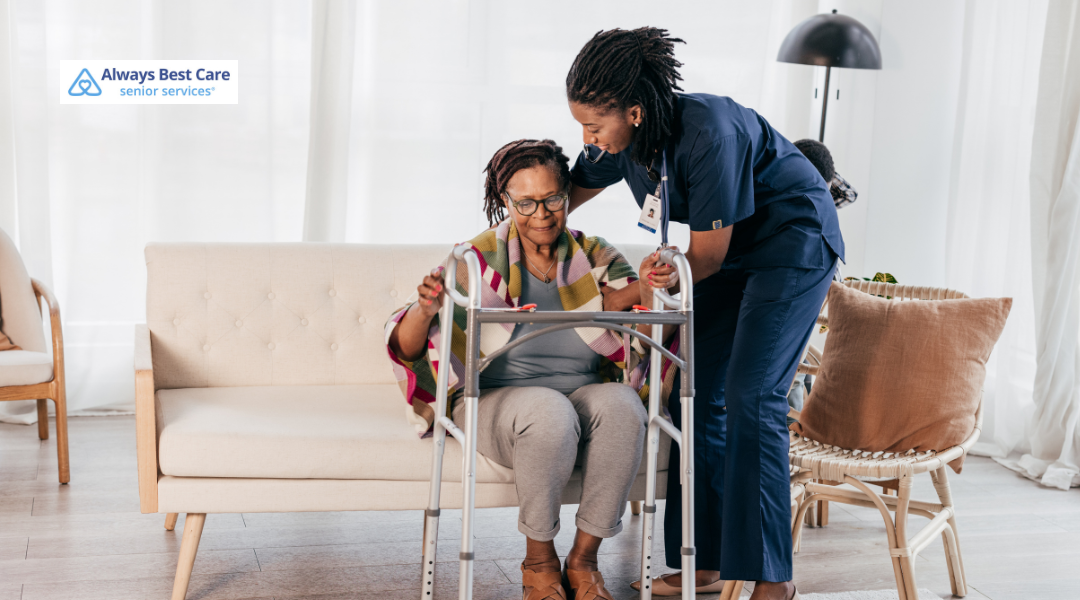
After surgery or a serious illness, seniors often feel unsure how much they can do—and families may be afraid of pushing too hard or not enough. Private nursing helps turn discharge instructions into practical, day‑to‑day routines.
A private nurse can:
- Translate hospital orders into understandable, step‑by‑step guidance.
- Reinforce physical and occupational therapy exercises safely at home.
- Set realistic activity goals that match the senior’s strength and energy.
- Adjust recommendations as healing progresses or setbacks occur.
This support helps seniors regain confidence, knowing they are moving at a safe, medically informed pace rather than guessing on their own.

Reassurance and Education for Family Caregivers
High‑stakes care at home can leave families feeling like they’re “on their own.” They may worry constantly about missing a symptom, giving a medication incorrectly, or failing to prevent another crisis.
Private nursing eases that burden by:
- Teaching families what specific warning signs to watch for—and what to do if they appear.
- Explaining the “why” behind treatments and restrictions in clear, everyday language.
- Showing proper techniques for tasks families do between nurse visits, like assisting with transfers or checking blood sugar.
- Being a reliable point of contact who can answer questions and help decide when a concern truly needs urgent attention.
With consistent professional oversight, families gain confidence that they’re not alone in managing complex care.
Working Hand-in-Hand With Home Care and Other Services
Private nursing doesn’t replace other types of support—it complements them. Together, different services can create a strong, coordinated safety net around a Fort Worth senior.
In practice, that might look like:
- A private nurse handling vital sign monitoring, wound care, and clinical decision‑making.
- Non‑medical caregivers assisting with bathing, dressing, meals, and housekeeping.
- Therapists guiding rehabilitation exercises, with the nurse reinforcing them at home.
- The entire team communicates with each other and the family to keep everyone on the same page.
This collaborative approach lets seniors receive both the medical oversight and the everyday help they need to remain safely at home.

Bring Skilled, One‑on‑One Care Home to Fort Worth
If your loved one in Fort Worth is living with complex health needs—heart disease, COPD, diabetes, neurological conditions, or recovery after surgery—you don’t have to manage everything on your own or rely solely on hospital stays for safety. Private nursing can bring skilled, individualized care into the home, turning worry into a plan and uncertainty into clear guidance.
Consider reaching out to Always Best Care of Fort Worth to talk about whether private nursing is right for your family. With professional oversight, tailored clinical support, and education for caregivers, you can create a safer home environment where your loved one can continue living with dignity, comfort, and as much independence as possible. Contact Always Best Care of Fort Worth at (817) 380-9208 to learn more and schedule your free consultation.
Link to the markdown version of this blog.