
Private Nursing for Greater Boston Veterans: Coordinating Clinical Care and Support at Home
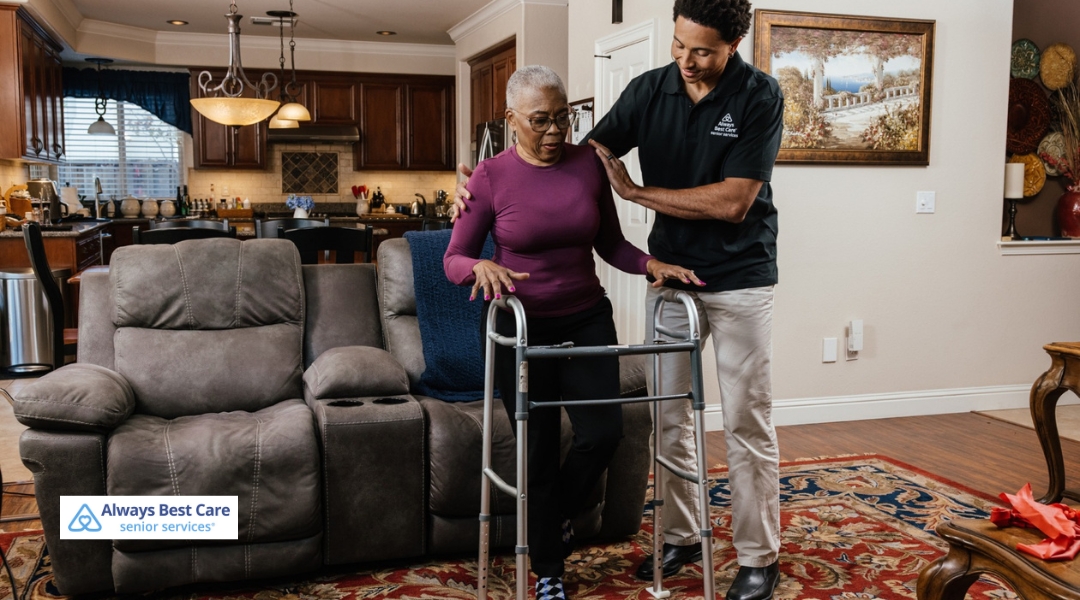
Some Veterans need more than help preparing meals, getting dressed, or keeping the house organized. Managing a complex medication schedule, following prescribed treatments, or monitoring an ongoing health condition may require a licensed nurse.
For Greater Boston families, private nursing can add clinical support to a broader home care plan. Nurses can help carry out prescribed care, observe changes, educate families, and communicate with healthcare providers.
However, arranging private nursing and securing VA coverage are separate processes. VA-funded skilled services require an individualized eligibility review, clinical assessment, and appropriate approval. Families should confirm the service and provider before assuming that VA will pay.
Table of Contents
What You Will Learn
- How private nursing differs from non-medical assistance with meals, personal care, transportation, and household routines.
- Why an individualized nursing assessment helps identify clinical needs, visit frequency, and responsibilities within the home care plan.
- How medication reminders differ from nursing medication management and administration.

Understand Private Nursing and Non-Medical Home Care
Private nursing and non-medical home care can work together, but they serve different purposes.
Private Nursing Provides Clinical Support
Private nursing involves care delivered by licensed nurses. Depending on medical orders, the assessment, and the provider’s services, it may include:
- Medication management and administration
- Health assessments and vital-sign monitoring
- Prescribed nursing treatments
- Wound care
- Chronic-condition monitoring
- Education about care instructions
- Communication with prescribing clinicians
Always Best Care’s Greater Boston nursing services include individualized assessments, medication management, monitoring, and collaboration with physicians.
Non-Medical Care Supports Everyday Life
Non-medical caregivers may assist with personal care, meals, companionship, household tasks, transportation, and daily routines.
A medication reminder is different from clinical medication management or administration. Families should ask which tasks require a licensed nurse and which can be handled by another caregiver.
Some households use both services: a nurse addresses clinical needs, while a caregiver provides practical daily assistance.

Begin With an Individualized Nursing Assessment
A useful nursing plan starts with the Veteran’s actual needs—not a standard list of visits.
The assessment may review current health concerns, medications, recent discharge instructions, prescribed treatments, and areas where the Veteran or family needs education.
Questions to discuss include:
- Which tasks require skilled nursing?
- What can the Veteran manage independently?
- Which activities require caregiver assistance?
- How frequently is nursing support needed?
- Who will communicate with the medical team?
- What should happen between scheduled visits?
- When should the plan be reassessed?
Always Best Care’s Greater Boston nursing process includes an initial comprehensive assessment, medication review, and collaboration with the physician to determine the appropriate level of care.
Bring Structure to Medication Management
A Veteran may receive prescriptions from several providers or return home with a medication routine that changed during a hospital stay.
Private nursing can help maintain a clear picture of what has been prescribed and how the plan should be followed.
Depending on the care arrangement, a nurse may:
- Review medication lists and instructions
- Help organize the prescribed schedule
- Administer medications within the authorized care plan
- Monitor and report possible side effects
- Clarify questions with the prescriber or pharmacist
- Teach the Veteran and family how to follow instructions
Medication changes remain the responsibility of authorized prescribing professionals. Private nursing supports the treatment plan rather than independently replacing it.
Families should also make sure the nurse has an accurate list of medications, including nonprescription products the Veteran uses.

Monitor Health Changes and Share Useful Information
Families may notice that something seems different but feel unsure how to describe it or whom to contact.
A nurse can assess the Veteran’s condition, document observations, and communicate relevant changes to the healthcare team. Depending on the plan, monitoring may involve vital signs, symptoms, medication response, or an ongoing condition.
Before services begin, clarify:
- Which changes should be reported promptly
- Who receives the nurse’s updates
- How urgent concerns are escalated
- What support is available outside scheduled visits
- Which symptoms require emergency services
Scheduled nursing care is not continuous monitoring unless that coverage has specifically been arranged. For an immediate or life-threatening emergency, call 911 rather than waiting for the next visit.
Carry Out Prescribed Care at Home
Some Veterans need nursing services during a transition home; others have continuing clinical needs.
VA’s Skilled Home Health Care program may provide services such as skilled nursing, wound care, case management, rehabilitation, or IV antibiotics when the Veteran meets the applicable requirements. Services vary by location and individual need.
That does not mean every private nursing provider offers every treatment. Before arranging care, explain exactly what has been ordered and confirm that the agency can safely provide it.
Also distinguish between a brief skilled visit and extended private-duty coverage. A need for clinical care does not automatically establish approval for lengthy or around-the-clock nursing.
Keep the Broader Care Team Connected
A Veteran’s home care plan may involve VA clinicians, community prescribers, rehabilitation professionals, nurses, non-medical caregivers, and relatives.
Clear responsibilities help prevent information from becoming fragmented.
A coordinated plan should identify:
- The clinician responsible for treatment decisions
- Who maintains the current medication list
- Who reports changes and receives updates
- Which provider handles each prescribed service
- How appointment recommendations reach the home care team
- What information can be shared with family members
With the Veteran’s permission, private nurses can communicate observations and help clarify instructions. Always Best Care’s Greater Boston nursing services are designed to work alongside physicians and other members of the care team.
VA Coverage Requires Its Own Review
Being a Veteran—or already receiving VA-funded assistance with daily activities—does not automatically authorize private nursing.
VA states that enrolled Veterans may qualify for Skilled Home Health Care when they are eligible for community care and meet the clinical criteria for the service.
For community care, the VA healthcare team must approve the care and provide the required referral. The authorization identifies the approved provider, describes the care, and states how long it is approved before another referral is needed.
Before starting services, confirm:
- The Veteran’s eligibility has been reviewed.
- The specific skilled service is approved.
- The provider is approved for that arrangement.
- The schedule and authorization period are understood.
- Any copay or separate private-pay responsibility is clear.
An authorization for personal-care assistance should not be assumed to cover nursing treatments or additional clinical visits.
Ask About Costs Before Care Begins
Families should understand how services will be paid for before agreeing to a schedule.
Ask the VA team whether a copay applies to the approved service. VA’s Skilled Home Health Care guidance directs Veterans to their social worker or case manager for help completing the extended-care financial application and determining copay responsibility.
Separately, ask the agency:
- Which services are being arranged through VA?
- Which services, if any, are private pay?
- What are the fees and scheduling requirements?
- What happens when an authorization expires?
- How are additional visits approved or billed?
- Who answers coverage and billing questions?
Do not assume that a private nursing arrangement will be reimbursed simply because the care is clinically useful.
How Always Best Care of Greater Boston Can Help
Always Best Care of Greater Boston offers private nursing for people recovering from illness, injury, or surgery and those managing longer-term conditions.
Its published services include medication management, monitoring and education, diabetes education and glucose monitoring, and individualized nursing assessments. The provider also describes a dedicated registered nurse supervisor for each client.
Families can discuss how nursing and non-medical assistance may fit together while preserving the Veteran’s preferences and daily routines.
If VA funding is being explored, ask whether the office can currently accept the specific authorization involved. The availability of private nursing does not, by itself, establish participation in a particular VA arrangement or guarantee coverage.
FAQ
Q: Can private nursing replace the Veteran’s physician?
A: No. Nurses carry out care within their professional scope, monitor changes, provide education, and communicate with clinicians. The physician or other authorized prescriber remains responsible for treatment decisions.
Q: Is help with bathing the same as skilled nursing?
A: No. Assistance with daily activities and clinical nursing address different needs. Some Veterans benefit from both, with clear responsibilities for each provider.
Q: Does VA automatically pay for private nursing?
A: No. VA-funded skilled home care requires the applicable eligibility and clinical criteria, along with approval for community-delivered services. Confirm the provider and authorized care before services begin.
Q: Can a Veteran receive skilled care and other home support together?
A: Potentially. VA states that Skilled Home Health Care can be used with other home and community-based services. Each service must fit the individual plan and applicable requirements.
Q: What should we bring to a nursing consultation?
A: Bring the current medication list, discharge instructions, prescribed treatments, provider contacts, existing VA authorizations, and questions about assistance at home.
Q: Does approval guarantee around-the-clock nursing?
A: No. Review the actual authorization and proposed schedule. Approval for a particular service should not be interpreted as unlimited coverage.
Build a Clear, Coordinated Home Care Plan
A thoughtful plan separates clinical needs, everyday assistance, and payment responsibilities. That clarity helps families understand who is providing care and what has been approved.
Contact Always Best Care of Greater Boston at (617) 489-9000 to learn more and schedule your free consultation.
Link to the markdown version of this blog.