

Why Seniors Don’t Always Feel Thirsty: Understanding the Importance of Staying Hydrated in Guilford

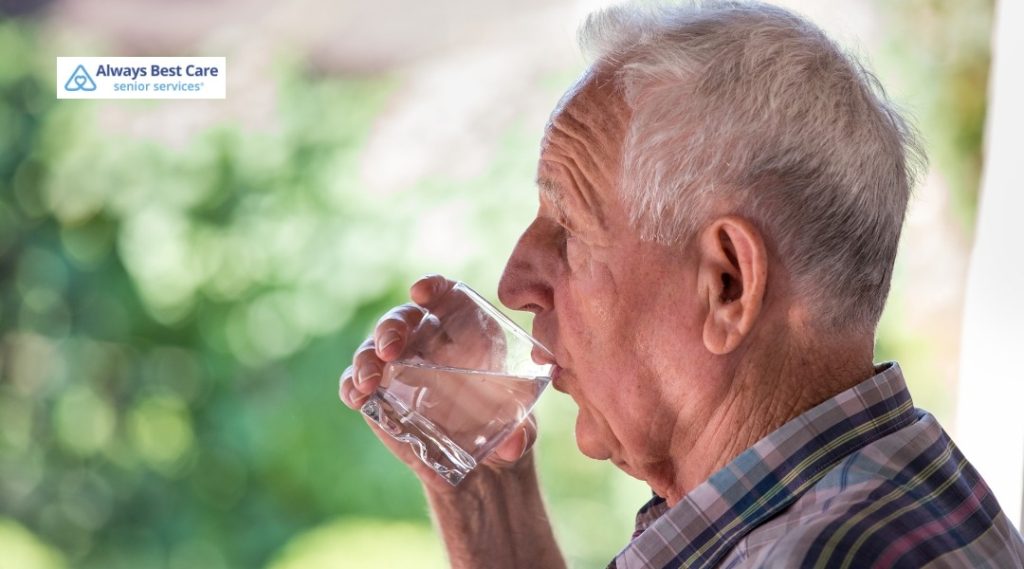
Most people rely on thirst to know when to drink water. But for older adults, that built-in signal becomes less dependable over time. A senior can be significantly dehydrated and still not feel the urge to drink. This isn’t forgetfulness; it’s a gradual physiological shift that carries real health consequences.
Understanding why this happens, and what to do about it, is one of the most practical steps families and caregivers can take to protect a senior’s long-term health.
What you will learn:
- Why older adults may not feel thirsty even when their bodies need fluids.
- The common signs and health risks of dehydration in seniors.
- Simple, cheerful ways to build healthy hydration habits into each day.
- How families and caregivers can lovingly support seniors in staying hydrated and well.
Table of Contents
What Happens to Thirst as We Age
The body’s ability to detect and respond to fluid loss depends on a complex system involving the kidneys, brain, and hormones. As people age, each part of that system becomes less efficient.
The hypothalamus, the part of the brain that triggers thirst, becomes less sensitive to changes in blood concentration. The kidneys lose some of their ability to conserve water. Hormonal responses that normally signal dehydration slow down. The result: a senior’s body may already be running low on fluids before any sense of thirst kicks in.
On top of that, several common factors in older adults compound the problem:
- Medications like diuretics, antihistamines, and certain blood pressure drugs increase fluid loss or suppress thirst
- Reduced mobility makes it physically harder to get up and get a drink
- Bladder concerns lead some seniors to intentionally limit fluid intake to avoid frequent bathroom trips
- Chronic conditions such as diabetes or kidney disease affect how the body manages fluids
- Cognitive changes can make it harder to recognize or act on the body’s signals
Because these changes are gradual, many seniors — and their families — don’t realize there’s a problem until dehydration has already taken hold.
Why Dehydration Is More Dangerous for Older Adults
Dehydration affects everyone, but the consequences are more severe and faster-moving in older adults. Even mild fluid loss — as little as 1–2% of body weight — can impair physical and cognitive function.
Common effects of mild to moderate dehydration include:
- Fatigue and low energy
- Headaches
- Constipation
- Difficulty concentrating or increased confusion
- Dizziness, especially when standing
- Low blood pressure
- Urinary tract infections
What makes this particularly concerning is that several of these symptoms- confusion, fatigue, dizziness- are often mistaken for signs of aging or other conditions. As a result, dehydration can go unaddressed longer, increasing the risk of falls, hospitalization, and complications from existing health conditions.
Warning Signs Families and Caregivers Should Know
Since seniors may not self-report thirst or discomfort, the people around them play a critical role in catching dehydration early.
Watch for these warning signs:
- Dry mouth, chapped lips, or dry skin
- Dark yellow or amber-colored urine
- Infrequent urination
- Sudden increase in confusion or forgetfulness
- Unusual fatigue or weakness
- Dizziness when getting up from a seated or lying position
- Loss of appetite
If multiple symptoms appear together or worsen quickly, contact a healthcare provider promptly. In severe cases, dehydration requires medical treatment.

Building Hydration Into the Daily Routine
Because thirst is unreliable, hydration needs to become a habit, not a response. The goal is to make drinking fluids a consistent, low-effort part of the day.
Practical strategies that work:
- Drink with every meal. Tying fluid intake to mealtimes creates a natural, repeatable routine.
- Keep water visible and accessible. A water bottle or glass on the counter, nightstand, or side table serves as a passive reminder.
- Use reminders. Phone alarms, smart speakers, or caregiver check-ins can prompt regular sips throughout the day.
- Start the morning with water. Drinking a glass of water first thing helps offset overnight fluid loss.
- Sip steadily rather than in large amounts. Smaller, consistent intake is easier on the body than drinking a lot at once.
Small environmental changes, like keeping a pitcher of water in a visible spot or offering a drink during every visit, can significantly increase daily fluid intake without requiring much effort from the senior.
Hydration Comes from Food, Too
Water is the most efficient source of hydration, but it’s not the only one. Many foods contribute meaningfully to daily fluid intake, which is especially helpful for seniors who struggle to drink enough on their own.
Hydrating foods to incorporate into meals:
- Watermelon, strawberries, and oranges
- Cucumbers, celery, and lettuce
- Broth-based soups and stews
- Yogurt and low-fat milk
- Herbal teas and diluted fruit juices
Building meals around these options adds hydration naturally while also delivering fiber, vitamins, and minerals that support overall health.

How Caregivers Make a Real Difference
For seniors who live alone or manage multiple health conditions, maintaining consistent hydration can be genuinely difficult. Caregivers, whether family members or professional home care aides, are in a unique position to help.
Effective caregiver support includes:
- Offering water and hydrating beverages throughout the day, not just at meals
- Preparing soups, smoothies, and meals with high water content
- Monitoring urine color and frequency as a simple hydration check
- Noting behavioral or cognitive changes that could signal dehydration
- Communicating observations to family members or healthcare providers
Consistent, attentive care makes it far easier for seniors to stay hydrated, and far more likely that early warning signs get caught before they escalate.
Frequently Asked Questions
Q: How much water should seniors drink each day?
A: Most older adults need around 6–8 cups (48–64 oz) of fluid per day, though individual needs vary based on health conditions, medications, activity level, and climate. A healthcare provider can offer personalized guidance.
Q: Is it possible to drink too much water?
A: Yes. Overhydration, or hyponatremia, can occur when fluid intake dilutes sodium levels in the blood. It’s uncommon but more likely in seniors with certain conditions. When in doubt, consult a doctor about appropriate fluid targets.
Q: What’s the best drink for hydration besides water?
A: Herbal teas, low-fat milk, and broth are excellent options. Drinks with added sugar or high caffeine content are less ideal, as they can contribute to fluid loss or blood sugar fluctuations.
Q: How can I tell if my elderly parent is dehydrated?
A: Look for dark urine, dry mouth, fatigue, dizziness, or increased confusion. If you’re unsure, a simple skin turgor test, gently pinching the back of the hand and watching how quickly the skin returns to normal, can offer a rough indicator, though a medical evaluation is always the most reliable option.
Q: Can dehydration cause confusion in seniors?
A: Yes. Dehydration is one of the most common and overlooked causes of sudden confusion or cognitive changes in older adults. If a senior experiences an unexplained mental shift, dehydration should be considered and ruled out early.
How Always Best Care of Wallingford Supports Healthy Hydration
At Always Best Care of Guilford, hydration is part of how we approach whole-person care. Our caregivers work with seniors to build daily routines that support good nutrition, consistent fluid intake, and overall well-being, all in the comfort of home.
Whether it’s preparing hydrating meals, offering regular reminders to drink, or watching for early signs of dehydration, our team is trained to support seniors in practical, meaningful ways. We’re here to help your loved one stay healthy, comfortable, and independent.
Call Always Best Care of Guilford at (203) 269-1522 to schedule a free care consultation.
Link to the Markdown File version of the article