
Daily Meal Prep Support for Seniors Who Want to Age at Home
Daily meal prep support helps older adults keep eating regular, familiar meals without giving up the home routines they care about. For many families looking into home care in Kingwood, TX, food is not just about nutrition. It is often the first place we see whether a parent is truly managing daily life safely.
A senior may still drive, pay bills, and sound fine on the phone, while the refrigerator tells a different story. We have seen families notice spoiled leftovers, unopened groceries, or the same snack foods replacing real meals. That does not always mean a major decline, but it does mean the daily work of planning, standing, cooking, cleaning, and remembering has become harder.
Table of Contents
When Meals Become the First Daily Task to Slip
Meal preparation is an instrumental activity of daily living (IADL). That means it is not hands-on medical care, but it is a key part of living independently. When IADLs start slipping, families often have a chance to step in early before the situation becomes more stressful.
The trouble is that meal problems rarely announce themselves. A parent may say, “I’m just not hungry,” when the real issue is that chopping vegetables hurts their hands or standing at the stove makes them nervous. Another may stop using the oven because they forgot to turn it off once and now feel embarrassed.
One non-obvious sign is a senior avoiding certain foods because of the work involved, not because tastes changed. If your dad used to make eggs every morning and now only eats crackers, the issue may be balance, fatigue, grip strength, or fear of dropping a pan. The meal change is the clue, not the whole problem.
What Meal Prep Support Actually Looks Like
Non-medical caregivers do not replace doctors, dietitians, or home health clinicians. They help with the everyday steps that make meals happen. That may include checking what is already in the kitchen, preparing simple meals, warming food safely, setting up the table, washing dishes, and encouraging fluids throughout the visit.
The best support is practical and respectful. We do not want to take over a kitchen like the senior is a guest in their own home. A caregiver might ask, “Would you like your sandwich cut the way you usually do it?” or “Do you want soup today or the chicken from yesterday?” Those small choices matter.
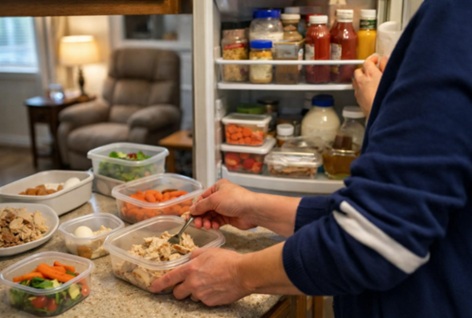
Families sometimes think meal help means a full cooking session every visit. Often, it is more useful to create a rhythm. For example, prepare two easy lunches, portion leftovers into clear containers, toss expired items, and leave favorite drinks within reach.
If meals have become a daily source of tension in your family, Always Best Care of Kingwood can talk through what kind of help may fit. A short conversation at (832) 852-5292 can make the next step feel less confusing.
The Small Food Clues Families Often Miss
The kitchen often shows changes before a parent admits they need help. Sticky floors, scorched pans, duplicate condiments, or a trash can full of takeout containers can point to more than forgetfulness. These signs may show that the steps around eating have become too tiring.
Another insight we have learned from real homes: seniors often save their energy for when family visits. Your mom may cook a proper meal when you are there, then live on toast the rest of the week. That can make weekend visits look reassuring while weekday routines are weak.
Watch for these patterns:
- Food left on counters that should be refrigerated
- Groceries bought but not opened
- A sudden dislike of foods that require utensils or chewing effort
- Missed meals on days with appointments or bad weather
- Weight changes that family notices before a clinician does
We also pay attention to where a senior eats. If meals have moved from the kitchen table to a recliner, it may be due to knee pain, shortness of breath, loneliness, or fear of carrying a plate. That shift can increase spills and reduce real social connection around meals.
When A Little Help Beats A Bigger Crisis
Starting meal support early can preserve independence instead of reducing it. When a caregiver helps two or three times a week, the senior may still choose menus, season food, and keep favorite routines. The help simply removes the parts that have become risky or draining.
Waiting often narrows the options. If poor eating leads to weakness, dehydration concerns, medication mistakes, or a fall while cooking, families may feel forced into urgent decisions. Early support gives everyone time to adjust emotionally.
A realistic scenario looks like this: an adult daughter notices her mother has stopped cooking dinner and says cereal is “good enough.” At first, the daughter orders groceries. But the food still sits untouched because her mother feels unsteady carrying items from the fridge to the counter. A caregiver visit around lunchtime changes the outcome by turning groceries into ready meals and making the kitchen feel manageable again.
This is where companionship matters too. Many seniors eat better when someone is nearby, not hovering, just present. We have written more about how social support helps seniors aging at home in our article on companion care and emotional well-being for seniors.
How Meal Support Fits with Medical Home Health
Families often ask how non-medical home care differs from home health Kingwood TX services. Home health is usually clinical care ordered around a medical need, such as nursing, therapy, or recovery support. Non-medical care focuses on daily living, including meals, bathing reminders, light housekeeping, errands, and supervision.
Meal prep support is usually daily help. A caregiver can follow family preferences and known food routines, but they do not prescribe diets or treat medical conditions. If a doctor or dietitian has given written meal guidance, families can share that so the care plan supports it in a practical way.
The strongest results often happen when everyone stays in their lane. Clinicians handle medical instructions. Family shares preferences and history. Caregivers notice day-to-day patterns, such as whether food is being eaten, whether swallowing seems difficult, or whether confusion increases near mealtime, then report concerns to the family.
A Realistic Week with Meal Prep Help
Meal support should fit the person, not a template. One senior may need breakfast setup because mornings are stiff and slow. Another may need late-afternoon help because that is when fatigue, loneliness, or confusion makes dinner less likely.
A weekly routine might include Monday grocery organization, Wednesday cooking help, and Friday refrigerator cleanout before the weekend. The caregiver may prepare a familiar casserole, portion fruit, make tea, wipe counters, and leave a simple note for family about what was eaten.
The behind-the-scenes value is consistency. Families often focus on the meal itself, but the routine around the meal is what reduces stress. When the same caregiver learns that Mrs. Lopez likes soup in a mug, not a bowl, she is more likely to accept help without feeling corrected.
For seniors with memory loss, the approach needs to be even calmer. Too many choices can shut down appetite. Offering two simple options, using familiar dishes, and eating in a quiet space can work better than asking open-ended questions like, “What do you want for dinner?”
Protecting Independence Without Leaving Meals to Chance
The goal is not to turn aging at home into a managed project. The goal is to protect the parts of home that make life feel normal: favorite foods, morning coffee, family recipes, and the comfort of eating in a familiar chair. Meal prep support works best when it feels like assistance, not control.
If you are unsure whether help is needed, look at patterns over two weeks. Are meals skipped when no one visits? Is food spoiling? Is your parent avoiding the stove, stairs, or kitchen altogether? Those answers are more useful than one good conversation on a strong day.
Always Best Care of Kingwood can help families think through daily meal routines, safety concerns, and the right level of non-medical support. To talk about home care in Kingwood, TX that respects independence while making meals easier, call (832) 852-5292 and share what you are seeing at home.