Light Housekeeping Support That Helps Seniors Stay Independent
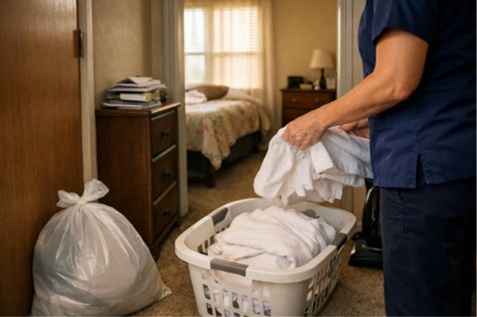
Light housekeeping helps seniors stay independent by removing the daily chores that can quietly become unsafe, exhausting, or overwhelming, while still letting them remain in charge of their home. For families looking into home care Humble, TX, this kind of support is often the easiest first step because it feels practical, respectful, and less intrusive than full personal care.
Table of Contents
Why A Tidy Home Is Really A Care Tool
We often meet families who think housekeeping is “just cleaning.” In senior care, it can be much more than that. A clear walkway, a wiped kitchen counter, fresh sheets, and laundry within reach can be the difference between a senior moving confidently through the day or avoiding parts of the house.
Small messes also tell a story. Stacks of mail, spoiled food, laundry left in the washer, or dishes piling up may point to low energy, pain, poor balance, forgetfulness, or fear of bending and reaching. We are not diagnosing anything, but we do pay attention to patterns that families may not see during a short visit.
Light housekeeping also protects dignity. Many older adults feel embarrassed when their home no longer looks the way it once did. When a caregiver helps without judgment, the senior can welcome family, neighbors, or friends without feeling exposed.
The Small Tasks That Start to Feel Too Big
Most seniors do not wake up one morning unable to manage the house. The change is usually gradual. First, the vacuum feels too heavy. Then changing sheets takes too much effort. Then taking trash to the outside bin feels risky after a close call on the steps.
That is why waiting for a crisis rarely serves the family well. By the time a home looks clearly neglected, the senior may already be skipping meals, limiting movement, or living in only one or two rooms to avoid stairs or clutter. Early help keeps the routine familiar instead of turning support into a rushed reaction.
One non-obvious sign we watch for is “selective tidiness.” A parent may keep the living room neat because guests see it, while the bedroom, bathroom, or laundry area shows the real strain. Families may miss this because visits happen in the same comfortable spaces.
What Light Housekeeping Usually Includes
Light housekeeping in non-medical home care focuses on everyday upkeep, not deep cleaning or heavy home maintenance. The goal is to support safety, comfort, and routine.
Common tasks may include:
- Washing dishes and wiping kitchen surfaces
- Taking out household trash
- Laundry, folding, and putting clothes away
- Changing bed linens
- Sweeping or light vacuuming main walkways
- Tidying bathrooms after regular use
- Organizing commonly used items within safe reach
- Helping with meal prep and kitchen cleanup
The “within safe reach” part matters more than many people think. We have seen seniors keep cereal on top shelves, cleaning supplies under deep cabinets, or towels in a hall closet they avoid because the floor is uneven. A caregiver can help set up the home around how the person actually moves now, not how they moved ten years ago.
If you are unsure whether your parent needs this level of help or something more hands-on, Always Best Care of Kingwood can talk through the daily routine with you at (832) 852-5292.
A Realistic Week with Light Housekeeping Support
Picture an 84-year-old mother who insists she is “fine.” Her daughter notices the trash bag is too heavy, the sheets have not been changed, and her mother has stopped using the back bedroom where the laundry is kept. Nothing dramatic has happened, but the home is shrinking around her.
A caregiver visits twice a week. On Monday, they start laundry, change the bed, clear the kitchen, and prep a simple lunch. On Thursday, they take out trash, tidy the bathroom, check that walkways are clear, and help put groceries away in smaller, easier-to-handle amounts.
After a few weeks, the daughter notices her mother is less defensive. The mother is still making choices, still using her own things, and still living by her own schedule. The difference is that chores are no longer draining all her energy before noon.
That is the outcome families often want but do not know how to ask for. Not control. Not a takeover. Just enough help to keep life moving.
When Housekeeping Help Should Be Paired with Personal Care
Light housekeeping may open the door, but it is not always the whole answer. If a senior is wearing the same clothes for several days, avoiding bathing, missing meals, having toileting accidents, or seeming confused about basic routines, support may need to include personal care.
Personal care means help with activities of daily living, often called ADLs. These include bathing, dressing, grooming, toileting, eating, and safe movement around the home. Instrumental activities of daily living, or IADLs, include laundry, meals, errands, and housekeeping.
The line between the two can blur. A caregiver may arrive to help with laundry and realize the senior cannot safely bend to dress, or that the shower has become frightening. Acting early gives families more choices because care can grow slowly instead of starting during an emergency.
For seniors who also need social connection, housekeeping support often pairs well with companionship. We have written more about how companion care supports seniors aging at home when loneliness, isolation, or low motivation are part of the picture.
How to Choose the Right Kind of Help
The best support plan starts with the real day, not a checklist. Ask what time of day your parent has the most energy, which rooms they avoid, which chores they dislike, and which tasks they still want to do themselves.
We suggest families look at three things before starting:
- Safety: Are walkways, bathrooms, laundry areas, and kitchen spaces easy to use?
- Stamina: Does one chore wipe out the rest of the day?
- Consistency: Are dishes, laundry, food, or trash becoming a weekly problem?
Also listen to the language your parent uses. “I just don’t go upstairs much anymore” may sound like preference, but it can mean fear of falling. “I’m not hungry” may mean cooking feels like too much work. “I’ll get to it later” may mean the task has become physically or mentally hard to start.
A good caregiver respects what the senior can still do. If Dad wants to fold towels while someone else carries the laundry basket, that is independence. If Mom wants to direct where things go while a caregiver puts them away, that is still her home.
Keeping Independence at the Center
Light housekeeping works best when it is framed as support, not correction. Most older adults do not want someone walking in and taking over. They want help that protects their privacy, their habits, and their say in how the home is kept.
Families can make the first conversation easier by focusing on energy and safety instead of mess. Try saying, “We want you to have help with the heavier chores so you can save your energy for the things you enjoy.” That lands better than, “You can’t keep up anymore.”
Always Best Care of Kingwood helps families think through the right level of non-medical support, from light housekeeping and meal prep to companionship and personal care. If your parent’s home is starting to feel harder for them to manage, call (832) 852-5292 to talk through options for home care in Humble, TX that support independence without taking away control.