
Meaningful Activities That Help Older Adults Feel Connected
Meaningful activity is not about keeping an older adult busy. It is about helping them feel known, useful, and included in daily life. For families exploring home care Kingwood, TX, this distinction matters because a quiet routine can slowly become isolation when there are few chances to connect with people, memories, or familiar roles.
Table of Contents
Key Takeaways
- Meaningful activities reflect a person’s history, preferences, relationships, and sense of purpose.
- The best activity is often simple, familiar, and matched to the person’s energy that day.
- Memory loss or limited mobility does not remove the need for connection, but it may change the approach.
- Invitations work better than pressure, especially when an older adult feels uncertain about needing help.
- Consistent companionship can make it easier to maintain routines and participate in everyday life.
What Makes an Activity Meaningful for an Older Adult?
A meaningful activity has a personal reason behind it. It may remind someone of a role they valued, such as being the family cook, a gardener, a teacher, a neighbor who kept in touch, or the person who chose music for every gathering.
Watching a movie can fill an afternoon. Watching an old favorite with someone who asks about the actors, songs, or memories attached to it can create connection. The difference is not the activity itself. It is whether the person feels involved rather than simply occupied.
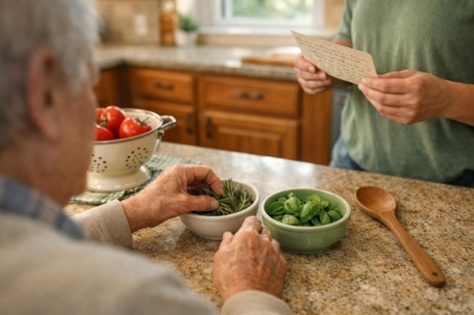
Meaning also comes from contribution. An older adult may no longer be able to prepare a full meal, manage a large garden, or host a holiday gathering. They may still choose the menu, sort herbs, fold napkins, share a family recipe, or decide which flowers to place on the porch. Small choices protect dignity and give the day a purpose.
How Can Families Find Activities That Match a Loved One’s Interests?
Start with who your loved one has been, then consider what is manageable now. A person’s current abilities matter, but they should not be the only guide. Families often overlook interests that have gone quiet because the activity became harder to begin alone.
Use this simple discovery process:
- Review their life story. Ask about former jobs, favorite holidays, childhood memories, clubs, volunteer work, travel, and family traditions. These answers often point to activities that feel natural rather than forced.
- Look for favorite roles. Some people enjoy helping, organizing, teaching, welcoming guests, or caring for others. A former bookkeeper may enjoy sorting family photos by year. Someone who loved hosting may enjoy helping choose snacks for a visitor.
- Notice sensory preferences. Familiar music, the smell of a favorite food, textured yarn, old postcards, or a well-loved devotional can bring comfort when conversation is difficult.
- Match the activity to social style. Not everyone wants group events or long calls. One person may enjoy a neighbor stopping by for coffee, while another prefers a quiet card game or a video call with one grandchild.
- Adjust for today’s energy and movement. A task should fit the person’s best time of day. If mornings are easier, schedule a short activity then instead of waiting until late afternoon when fatigue may take over.
A useful question is, “What would make today feel more like your day?” It respects the person’s identity without turning the conversation into an assessment.
Which Everyday Activities Can Create More Connection at Home?
Connection often grows from ordinary moments. These activities can be shortened, repeated, or adapted without losing their value:
- Sharing stories: Use a photo, keepsake, song, or local landmark as a prompt. Let the conversation wander instead of treating it like an interview.
- Looking through family photos: Ask for names, places, or favorite memories. If details are unclear, focus on the emotion the image brings up rather than correcting the person.
- Listening to familiar music: Sing along, tap a hand to the beat, or talk about when the song was popular. Music can be especially comforting when attention or language has changed.
- Preparing simple foods together: Washing produce, stirring, choosing a seasoning, or reading a recipe aloud can keep a former cook involved without requiring a full kitchen task.
- Doing small gardening tasks: Watering a plant, sorting seeds, trimming herbs, or arranging cut flowers offers a sense of care without demanding a long time on their feet.
- Making something by hand: Folding cards, coloring, arranging a small craft project, or assembling a simple scrapbook can work well when the goal is expression, not a perfect result.
- Playing familiar games: Large-print cards, dominoes, simple puzzles, and word games can encourage conversation. Choose games the person already knows when possible.
- Reading and letter writing: Read a newspaper item aloud, write a note to a friend, or help dictate a message. The person can still choose the words even if writing has become difficult.
- Making video or phone calls: Keep calls brief and prepare one or two topics in advance. A predictable weekly call is often easier to enjoy than an unexpected long conversation.
- Helping with household choices: Ask which shirt to wear, what fruit to buy, where to place a family photo, or what meal sounds good. These are real decisions, not pretend tasks.
How Can Activities Be Adapted When Memory, Mobility, Vision, or Energy Changes?
The goal is participation, not finishing every step. When a task becomes too complicated, break it into one action at a time. Instead of asking someone to make a sandwich, place the bread and fillings in front of them and ask which spread they would like.
Reduce noise, clutter, and competing instructions. A television playing in the background, too many materials on a table, or several questions at once can make even a familiar activity feel frustrating.
Use familiar materials whenever possible. A favorite mug, an old recipe card, a recognizable song, or a familiar deck of cards can give the person a clearer starting point. For vision changes, improve lighting and use larger print or stronger color contrast. For limited mobility, bring the activity to a stable chair or table rather than expecting the person to move around the home.
If an older adult no longer enjoys a former hobby, do not assume they have lost interest in everything connected to it. A lifelong gardener may enjoy discussing plants or sorting seed packets. A former reader may prefer listening to a short story aloud. The activity may need to change form, but the connection to identity can remain.
How Can a Caregiver Encourage Participation Without Creating Pressure?
Offer an invitation, not a test. “Would you like to sit with me while I look through these photos?” is usually easier to accept than, “You need to do something today.” The first leaves room for choice and does not suggest the person is failing.
Timing matters. Some older adults are more alert after breakfast, while others settle in later in the day. Watch for signs that an activity is becoming too demanding, such as repeated agitation, pulling away, silence that feels tense, or visible tiredness.
A refusal should be respected. Try a different time, shorten the activity, or simply sit together. Companionship is valuable even when the planned activity does not happen.
Family members can also avoid correcting every mistake. If a loved one calls a grandchild by the wrong name while looking at photos, redirect gently or focus on the story. Protecting comfort and trust is more important than getting every detail right.
When Might Extra Support Help an Older Adult Stay Engaged?
Extra help may be worth exploring when routines start narrowing. A loved one may stop answering calls, avoid rooms that require more walking, leave favorite activities untouched, or depend on one overwhelmed family member for all conversation and daily structure.
This does not mean the person has to give up independence. In-home support can provide a steady presence for conversation, simple activities, meal preparation, errands, and everyday routines. It can also give family caregivers space to be a son, daughter, spouse, or grandchild again, rather than carrying every task alone.
When evaluating support, ask how the provider learns about a person’s interests, what a typical visit can include, and how caregivers respond when an older adult is reluctant to participate. This guide to finding trusted home care support in Humble can help families prepare practical questions before making a decision.
For families considering home care Kingwood, TX, Always Best Care of Kingwood can help you discuss the kind of day-to-day support that may help your loved one stay connected at home. Call (832) 852-5292 to start that conversation.
Frequently Asked Questions
What If My Parent No Longer Enjoys Their Former Hobbies?
Try to identify what they once liked about the hobby. A former painter may enjoy choosing colors or looking at art books, while a former cook may enjoy tasting, selecting, or talking about food. Reduce the number of steps and focus on the part that still feels familiar.
What Activities Work Well for Someone with Low Energy?
Short, seated activities usually work best. Listening to music, looking through photos, helping choose a meal, folding a few towels, reading aloud, or having a brief phone call can provide connection without exhausting the person.
How Often Should Family Encourage Activities?
Consistency matters more than length. A short daily moment of connection may be more meaningful than a long activity planned once in a while. Let your loved one’s energy, mood, and interest guide the pace.
Can a Caregiver Help with Social Activities at Home?
Yes. A caregiver can provide companionship while helping with simple routines, conversation, music, meals, games, or projects matched to the person’s preferences. The best approach is individualized, not a one-size-fits-all activity schedule.
How Do We Know Whether an Activity Is Actually Helping?
Look for small signs: more conversation, a relaxed expression, willingness to sit with someone, renewed interest in a familiar item, or a calmer daily routine. An activity does not need to produce a finished project to be worthwhile.