

How Companion Care Helps Downingtown Stroke Survivors Stay Engaged and Motivated
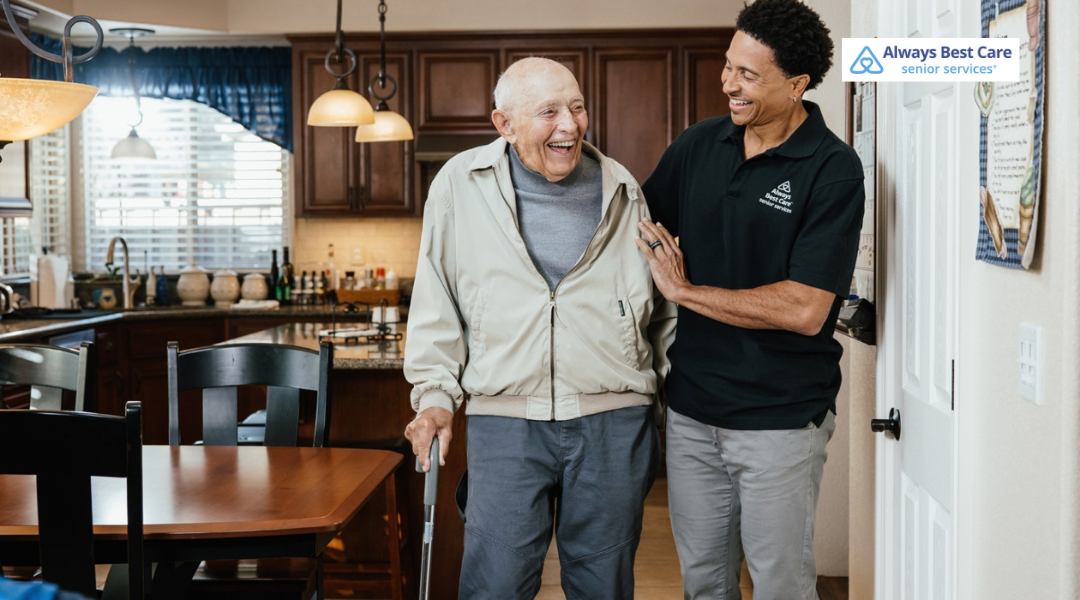
After a stroke, many seniors find that the parts of life they once enjoyed feel harder to reach. A weekly card game, a walk to the mailbox, a phone call with an old friend, or time in the garden may now take more energy, more planning, or more help than before.
Physical changes are only part of the picture. Fatigue, changes in speech, reduced mobility, and less confidence can lead a survivor to spend more time alone and step back from activities. Over time, fewer conversations and fewer reasons to get up and get going can make each day feel smaller.
For Downingtown families, companion care offers a practical way to bring connection and routine back into a loved one’s day at home.

Table of Contents
What Companion Care Provides
Companion care is non-medical, in-home support centered on social connection, encouragement, and help with everyday activities. A companion spends time with your loved one, follows their interests, and helps them stay involved in the routines that matter to them.
Companion care does not replace physical, occupational, or speech therapy, and it does not provide medical treatment. Instead, it can support the rest of the day, the hours between appointments when a survivor may otherwise be sitting alone.
Encouragement That Supports Motivation
Stroke recovery often moves slowly, and progress can be hard to notice from one day to the next. Discouragement is common, especially when tasks that once felt simple now take real effort.
A companion can offer steady, patient encouragement. That may mean noticing small improvements, celebrating a task finished independently, or simply being there on a hard day. When the healthcare team has recommended home exercises or daily routines, a companion can provide friendly reminders and keep your loved one company while they follow the plan their providers set.
Having someone who shows up regularly and expects to see them can give a survivor a reason to stay active and involved.

Conversation and Social Connection
Conversation is one of the simplest and most valuable parts of companion care. Talking about family, current events, favorite memories, or shared interests helps a survivor feel known and included.
For seniors whose speech has been affected by a stroke, a patient companion can make conversation feel less stressful. A companion can allow extra time for responses, avoid rushing or finishing sentences, and keep the mood relaxed. When speech therapists have shared communication strategies with the family, those approaches can be passed along to the companion so everyone stays consistent.
Help Returning to Hobbies and Activities
Hobbies often fade after a stroke because they feel too difficult or because no one is there to help get started. A companion can help your loved one return to familiar interests in a way that fits their current abilities.
Depending on the survivor’s needs and preferences, activities may include:
- Reading together or listening to audiobooks
- Working on puzzles, crosswords, or simple card games
- Looking through photo albums and sharing stories
- Light gardening or caring for houseplants
- Listening to music or watching a favorite program together
- Cooking a simple recipe side by side
- Short walks, when appropriate and approved by the care team
The goal is not to fill the day with tasks. It is to help your loved one take part in things that bring enjoyment and a sense of purpose.
A Reassuring Presence at Home
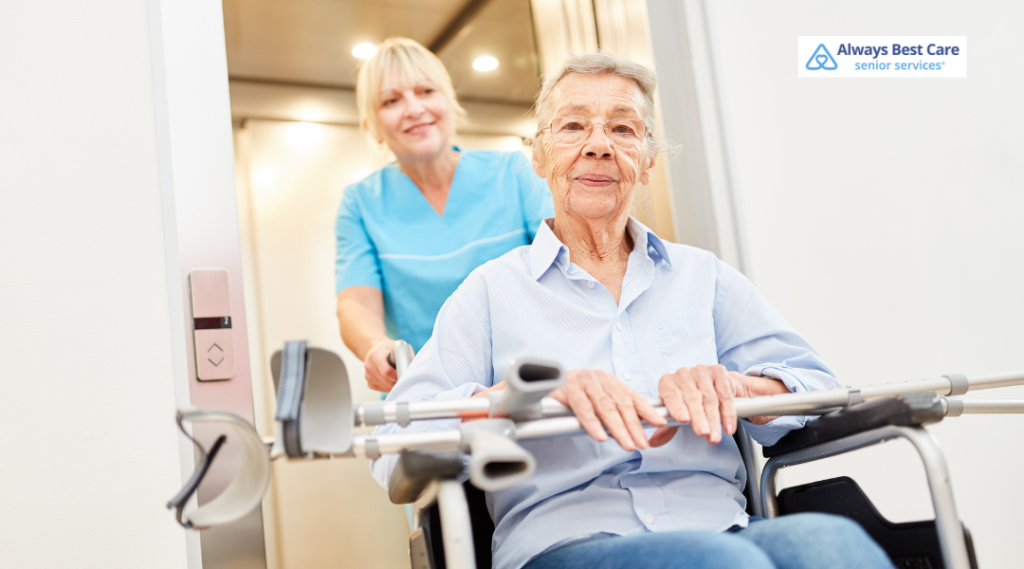
Many stroke survivors feel uneasy being alone, especially soon after returning home. They may worry about a fall, feel unsure about their abilities, or simply miss having someone nearby.
A companion’s presence can make the home feel calmer and more comfortable. Your loved one has someone to talk with, someone to help with light household tasks, and someone who will notice if something seems different. A companion can also help with meal preparation, light housekeeping, errands, and transportation to appointments or community outings, depending on the care arrangement.
If a companion ever observes sudden new symptoms, such as facial drooping, arm weakness, slurred speech, or loss of balance, the right response is to call 911 immediately.
Support for Families Who Cannot Always Be There
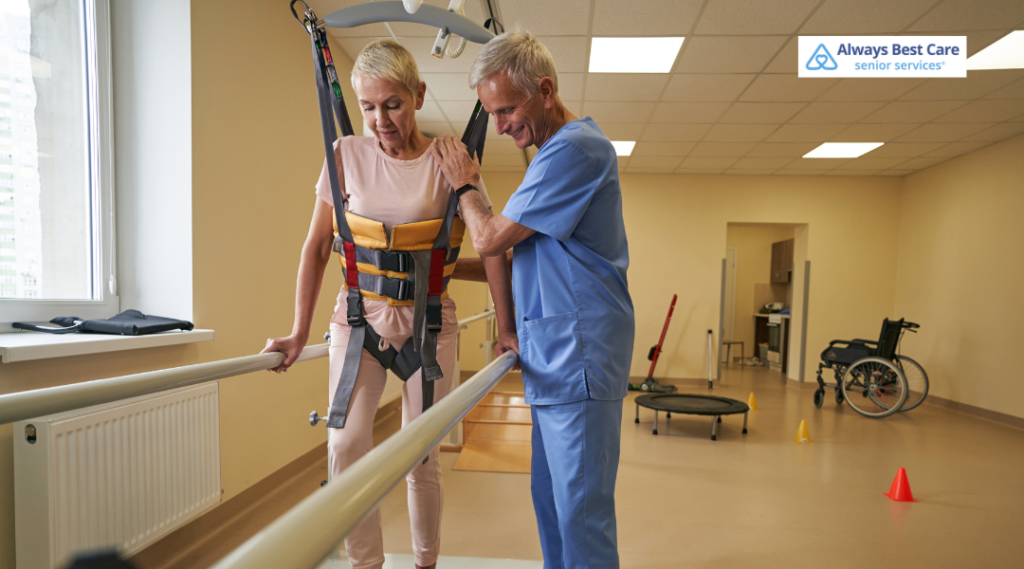
Adult children and other relatives often balance work, their own households, and long drives while trying to support a loved one after a stroke. Many worry about how much time their parent or spouse spends alone.
Regular companion visits can ease that concern. Families know their loved one has scheduled social time, someone to share a meal with, and a consistent person checking in. Companions can also share updates with the family about how visits went, which activities your loved one enjoyed, and any changes worth discussing with the healthcare team.
Companion care does not replace family involvement. It adds dependable support so that time together can focus more on connection and less on worry.
Building a Companion Care Routine
The most helpful companion care plans reflect the survivor’s personality, interests, and recovery needs. When setting up services, consider:
- Which hobbies or activities your loved one enjoyed before the stroke
- What times of day feel most isolating or difficult
- Any communication changes and the strategies that work best
- Mobility limitations or safety concerns the companion should know about
- Recommendations from the discharge plan or therapy team
- How often your loved one would benefit from visits
Starting with a consistent schedule helps your loved one know what to expect and makes it easier to build a comfortable relationship with their companion.
How Always Best Care of Downingtown Can Help
Always Best Care of Downingtown provides non-medical in-home care services that may include companionship, conversation, help with hobbies and activities, meal preparation, light housekeeping, errands, and transportation. Services are arranged around each person’s needs, preferences, and recovery plan.
Share your loved one’s interests, routines, and any mobility or communication needs during your consultation so the team can recommend support that fits. Companion care works alongside medical care and therapy, not in place of it.
FAQ
Q: Is companion care the same as medical care?
A: No. Companion care is non-medical support focused on social connection, encouragement, and help with daily activities. It does not replace therapy, nursing, or other medical treatment.
Q: Can a companion help with home exercises?
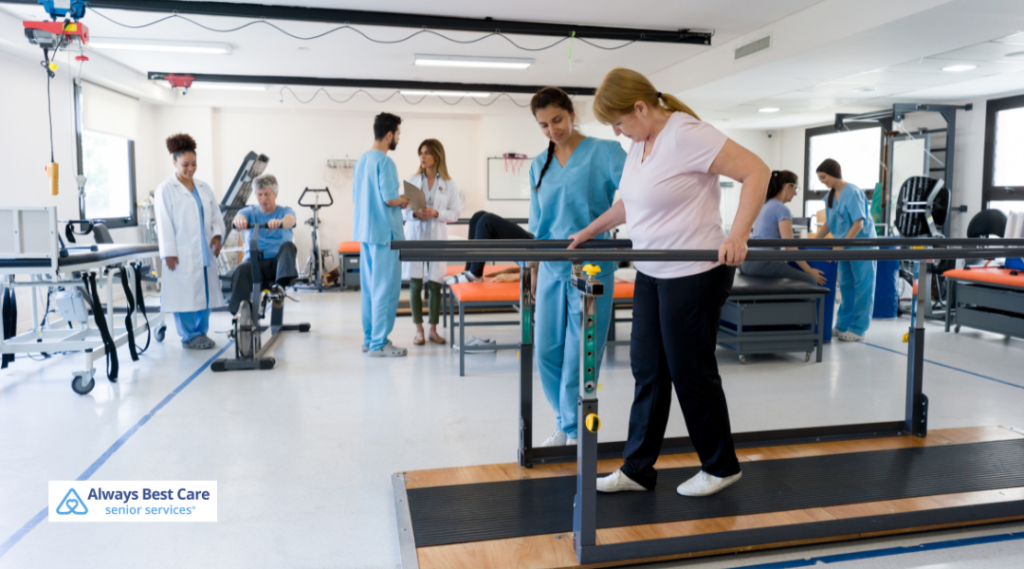
A: A companion can offer reminders and encouragement for routines recommended by your loved one’s healthcare team. The exercises themselves should be designed and guided by licensed therapists.
Q: What if my loved one has trouble speaking after a stroke?
A: A companion can be patient, allow extra time for responses, and keep conversations relaxed. Sharing any strategies from speech therapy helps the companion communicate in a consistent and supportive way.
Q: How often should companion visits happen?
A: It depends on your loved one’s needs and your family’s schedule. Some families start with a few visits a week, while others prefer daily support during times of day that feel most isolating.
Q: What should a companion do if stroke symptoms appear?
A: Call 911 immediately. New or sudden symptoms require emergency care, even if they seem mild or improve.

Help Your Loved One Stay Connected
Recovery after a stroke involves more than physical healing. Conversation, encouragement, and familiar activities can help a survivor stay engaged and motivated from one day to the next.
Contact Always Best Care of Downingtown to schedule a consultation and learn how companion care can support your loved one at home. Always Best Care of Lancaster at (717) 924-2252 to learn more and schedule your free consultation.
Link to the markdown version of this blog.