

When Chronic Illness Changes Daily Life: In-Home Support for Louisville Seniors

Living at home is about more than convenience. For most seniors, it means staying connected to the life they have built — their neighborhood, their routines, and their sense of self. A chronic illness diagnosis does not have to change that.
Conditions like heart disease, diabetes, COPD, arthritis, and Parkinson’s disease affect millions of older adults. Managing these conditions takes real effort, but it does not automatically mean a move to assisted living or a nursing facility. With the right in-home support, many seniors in Louisville, KY can continue living safely and independently in the place they love most.
What You Will Learn:
- Why staying home with a chronic illness is not only possible but often better for a senior’s emotional and physical well-being.
- The everyday challenges seniors face when managing chronic conditions alone, and how small setbacks can quickly compound.
- How consistent caregivers assist with personalized in-home care and break the cycle of decline and help prevent avoidable hospitalizations.
- What to look for when deciding if a loved one could benefit from professional in-home support in Louisville, KY.

Table of Contents
Why Aging in Place Matters for Seniors with Chronic Illness
Research consistently shows that seniors who remain in familiar environments tend to experience better emotional health and, in many cases, better physical outcomes. Home offers stability — something that becomes especially important when a chronic condition introduces new limitations and uncertainties.
The challenge is that chronic illness rarely stays the same. It evolves, and so do the care needs around it. What starts as occasional help with errands can grow into more structured daily support. In-home care is designed to grow with those needs, offering flexibility that institutional settings often cannot match.
The Real Challenges Seniors Face Day to Day
Managing a chronic illness at home is not just a medical task — it touches every part of daily life. Seniors often deal with:
- Medication complexity — Multiple prescriptions with different schedules, dosages, and dietary interactions
- Reduced mobility and chronic pain — Making basic tasks like bathing, cooking, or getting dressed physically demanding
- Fatigue — A common symptom of many chronic conditions that limits how much a senior can realistically do alone
- Fall risk — Increased significantly by conditions that affect balance, strength, or coordination
- Isolation — Chronic illness can limit social activity, which contributes to depression and cognitive decline
- Transportation barriers — Getting to follow-up appointments and specialist visits becomes harder without reliable help
These challenges compound each other. A senior who is fatigued may skip meals. A senior who skips meals may miss medication. That chain of small setbacks can lead to a preventable hospitalization.

How In-Home Care Breaks That Cycle
In-home caregivers provide consistent, personalized support that addresses these challenges before they escalate. Unlike a one-size-fits-all care model, in-home care is built around the individual — their health conditions, their preferences, and their daily rhythm.
Practical support includes:
- Assistance with bathing, dressing, and personal hygiene
- Meal planning and preparation tailored to dietary needs
- Medication reminders to keep schedules on track
- Light housekeeping and laundry
- Transportation to medical appointments and errands
- Companionship and social engagement
This kind of support does more than make daily life easier. It gives seniors the energy and confidence to stay engaged in their own health management — which is one of the strongest predictors of positive outcomes in chronic illness care.
Consistency Is the Key to Better Health Outcomes
One of the most underappreciated aspects of in-home care is consistency. Chronic illness management depends on routine — taking the right medications at the right times, eating balanced meals, staying hydrated, and keeping up with physician-recommended activity.
When a caregiver is present regularly, these habits become easier to maintain. Missed doses get caught. Meals get prepared even on difficult days. And when something seems off — a change in appetite, unusual fatigue, swelling, or confusion — a trained caregiver notices it early.
That early awareness is critical. Many hospital readmissions among seniors with chronic illness are preventable. A caregiver who spots warning signs and communicates them to the family or healthcare provider can stop a small issue from becoming a serious one.

The Emotional Side of Chronic Illness
Physical symptoms are only part of the picture. Chronic illness often brings grief — for the activities a senior can no longer do, the independence they have lost, and the uncertainty about what comes next. Anxiety and depression are common, and they can make physical symptoms worse.
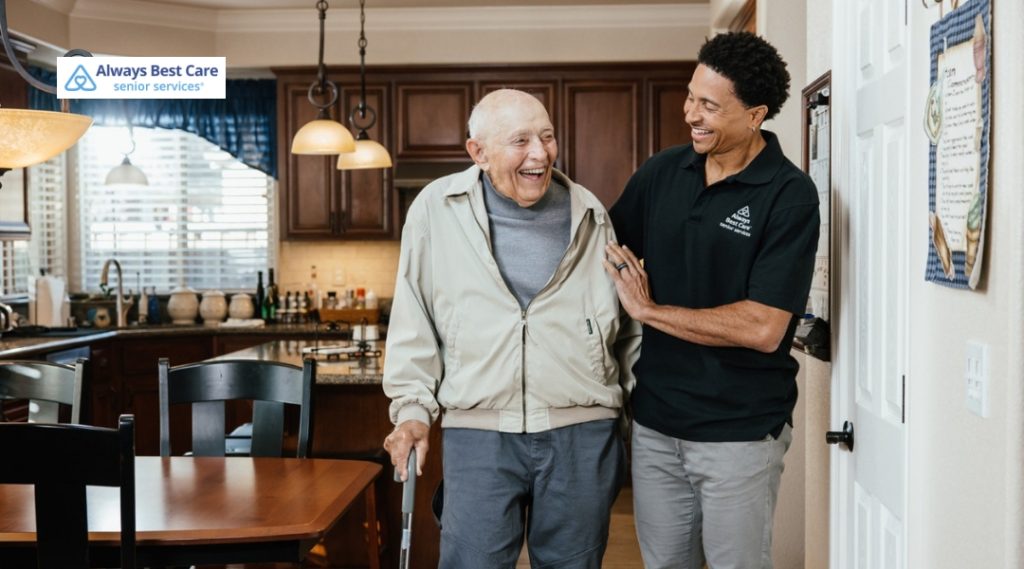
In-home care addresses this directly. A caregiver is not just a helper — they are a consistent, trusted presence. Sharing a meal, going for a short walk, talking through the day — these interactions matter. They reduce isolation and give seniors something to look forward to.
For families, the benefit is equally real. Knowing that a qualified professional is present and attentive brings peace of mind that is difficult to put a price on.
How Always Best Care of Louisville, KY Supports Seniors at Home
At Always Best Care of Louisville, KY, care plans are built around the individual. Every senior has a different diagnosis, a different lifestyle, and different goals. Our caregivers work closely with families to understand what matters most and build support around it.
Whether your loved one is managing diabetes, recovering from a stroke, living with COPD, or navigating multiple conditions at once, our team provides compassionate, reliable care that helps them stay safe, comfortable, and in control at home.
From medication reminders and meal preparation to transportation and companionship, we are here to support both seniors and the families who care for them.
Call Always Best Care of Louisville, KY at (502)419-8240 to schedule a care consultation and learn how we can help your loved one age in place with confidence.
Frequently Asked Questions
Q: What is aging in place, and is it realistic for seniors with chronic illness?
A: Aging in place means choosing to remain in your own home as you grow older, rather than moving to a care facility. For many seniors with chronic illness, it is not only realistic — it is preferable. With the right in-home support, most can manage their conditions safely at home while maintaining a meaningful quality of life.
Q: What types of chronic conditions can in-home care support?
A: In-home care can support a wide range of conditions, including heart disease, diabetes, COPD, arthritis, Parkinson’s disease, stroke recovery, and more. Care plans are customized to each individual’s specific health needs and daily challenges.
Q: How is in-home care different from a nursing home or assisted living?
A: In-home care allows seniors to remain in their own environment while receiving personalized, one-on-one support. Nursing homes and assisted living facilities offer structured group settings. Many seniors find that staying at home — with the right help — better supports their emotional well-being and sense of independence.
Q: Can in-home caregivers help prevent hospital readmissions?
A: Yes. Caregivers who are present regularly can identify early warning signs — changes in appetite, unusual fatigue, difficulty moving, or behavioral changes — and alert family members or healthcare providers before a situation becomes urgent. This kind of proactive monitoring is one of the most valuable aspects of consistent in-home care.
Q: How do I know if my loved one needs in-home care?
A: Signs that in-home care may be beneficial include difficulty managing medications, skipping meals, declining personal hygiene, increased fall risk, missed medical appointments, or noticeable changes in mood or cognition. A care consultation can help assess your loved one’s needs and identify the right level of support.
Link to the Markdown File version of this article.