

Helping Seniors Thrive: Building a Culture of Safety and Respect in Louisville

Every older adult deserves to feel safe, respected, and valued—no ifs, ands, or buts about it. Yet elder abuse is still happening, often behind closed doors, and sometimes at the hands of people seniors depend on the most. That’s not just heartbreaking; it’s a wake-up call for all of us.
In Louisville, KY, families are working hard to keep aging loved ones comfortable at home. Still, without the right information, abuse can slip under the radar. By learning the warning signs, understanding risk factors, and staying involved, we can push back against elder abuse and build a stronger circle of protection.
At Always Best Care of Louisville, KY, we see ourselves as part of that circle. When we say we’re committed to elder abuse prevention, we mean it.
What you will learn:
- How to recognize elder abuse and understand the different forms it can take.
- The common warning signs and risk factors that may put older adults at greater risk.
- Practical ways families can help protect seniors and promote their safety and well-being.
- How professional in-home caregivers and community resources can support abuse prevention and provide help when concerns arise.

Table of Contents
What Is Elder Abuse?
Elder abuse covers any action—or failure to act—that harms or upsets an older adult. It doesn’t always look like bruises or shouting matches; sometimes it’s quieter, sneaky, or hidden in everyday routines.
Common forms of elder abuse include:
- Physical abuse – hitting, pushing, rough handling, or improper restraint
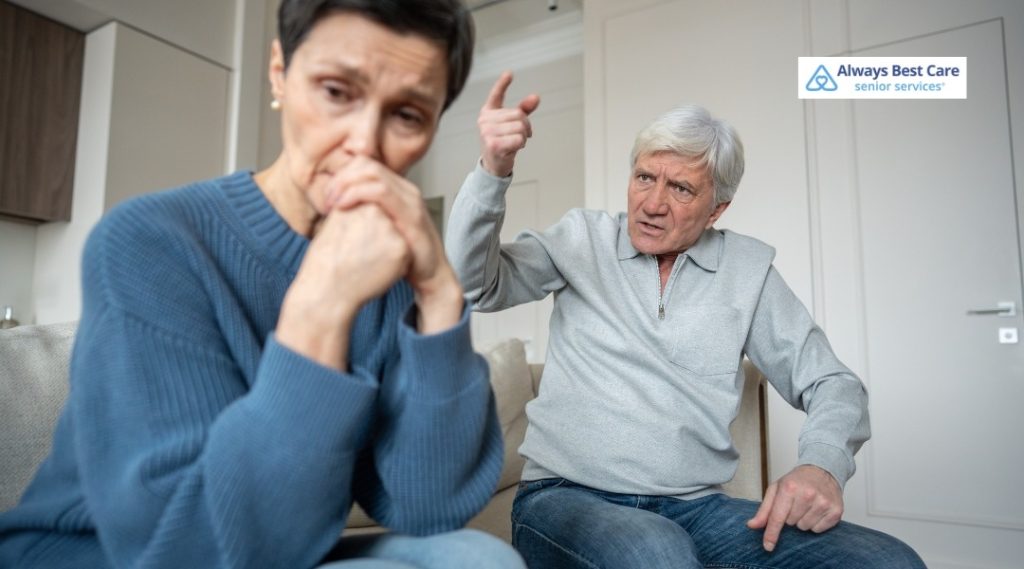
- Emotional abuse – insults, threats, intimidation, humiliation, or isolation
- Financial abuse – misuse of money, pressure to change a will, or “borrowing” that never gets paid back
- Neglect – not providing food, hygiene, medications, or medical care
- Abandonment – leaving a senior alone without the support they clearly need
It’s not unusual for more than one type of abuse to happen at the same time. That’s why paying attention to the overall pattern, not just one incident, matters so much.
Elder Abuse Prevention: Warning Signs Families Shouldn’t Ignore
Elder abuse prevention starts with noticing when something feels off. Often, early signs are subtle and easy to brush aside—until they’re not.
Watch for changes like:
- Unexplained bruises, cuts, burns, or frequent “accidents.”
- A sudden drop in mood, new anxiety, or pulling away from friends and family
- Poor hygiene, dirty clothes, or a home that’s increasingly cluttered or unsafe
- Missing cash, unpaid bills, or strange bank withdrawals
- Nervousness or fear around a particular person
- Sleep problems, loss of appetite, or sudden changes in communication
If your gut says, “Something’s not right here,” don’t shrug it off. That instinct may be your first and best line of defense.
Risk Factors That Make Seniors More Vulnerable
Not every senior faces the same level of risk. Certain situations can put an older adult more in harm’s way, even if no one means for it to happen.
Common risk factors include:
- Social isolation – very few visitors, limited contact, or strained family ties
- Memory loss or dementia – trouble making decisions or explaining what happened
- Physical limitations – needing help with walking, bathing, dressing, or meals
- Money stress – depending on others to manage finances or pay bills
- Caregiver burnout – a stressed or overwhelmed caregiver who has little support
Talking openly about these risk factors isn’t about blame—it’s about prevention. By addressing them early, we can strengthen safety before problems snowball.
Practical Steps for Elder Abuse Prevention at Home
So, what can families actually do? We don’t need a perfect plan, just consistent, thoughtful steps that keep seniors connected and protected.
Here are some simple but powerful strategies:
- Stay involved regularly
- Visit in person when you can.
- Rotate visits among relatives or friends.
- Pay attention to mood, cleanliness, and overall well-being.
- Keep communication flowing
- Call, text, or video chat often.
- Ask open-ended questions: “How are you feeling about your care these days?”
- Make it clear they can talk to you about anything.
- Watch over finances
- Help set up automatic bill pay.
- Review bank statements together.
- Be wary of sudden “new friends” or high-pressure sales.
- Build a support network
- Involve neighbors, faith communities, and trusted professionals.
- Avoid putting all the pressure on one family caregiver.
- Address caregiver stress early
- Encourage breaks, days off, and respite care.
- Talk openly about frustration before it boils over.
Elder abuse prevention doesn’t happen in one grand gesture—it happens in all these small, steady actions that show seniors they’re not alone.

How Professional In-Home Care in Louisville, KY Supports Safety
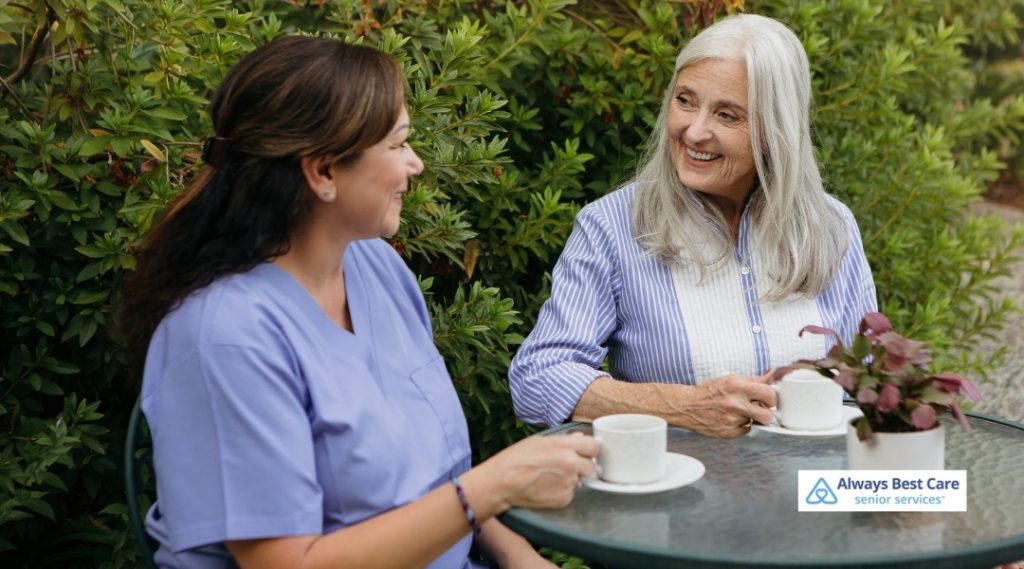
Professional care at home can be a game-changer for safety, respect, and peace of mind. Reliable caregivers don’t just help with daily tasks; they add another layer of watchfulness, structure, and support.
At Always Best Care of Louisville, KY, we:
- Use careful screening and background checks for caregivers
- Provide training focused on respect, dignity, and clear communication
- Encourage transparency between caregivers, families, and seniors
- Pay close attention to shifts in mood, behavior, or health and share those concerns
We see ourselves working with families, not instead of them. Together, we can create a safer home environment where seniors feel heard, valued, and cared for—not managed or overlooked.
What Should You Do If You Suspect Abuse?
Feeling concerned and doing nothing is a recipe for regret. If something doesn’t sit right, acting quickly can make all the difference.
Here’s a straightforward approach:
- Talk privately with your loved one
- Choose a calm, safe setting.
- Ask gentle, direct questions: “Has anyone hurt you or made you feel scared?”
- Listen without judgment or interruptions.
- Write down what you notice
- Dates, times, visible injuries, unusual behavior, or troubling comments.
- Any financial concerns or sudden changes in documents.
- Reach out for help
- Contact local adult protective services.
- Speak with healthcare providers who know your loved one.
- Call law enforcement immediately if there’s urgent danger.
We at Always Best Care of Louisville, KY, can also help families navigate next steps and connect with appropriate local resources. You don’t have to carry the concern alone.

Creating a Safer Future for Seniors in Louisville, KY
Elder abuse prevention is everyone’s job—family, friends, neighbors, and care providers all play a part. By staying present, asking questions, and building strong support systems, we can reduce risk and raise the standard of care for seniors across Louisville.
At Always Best Care of Louisville, KY, we’re committed to safe, respectful care that honors each senior’s dignity, independence, and life story. We work closely with families to create care plans that support daily needs and protect against neglect or mistreatment.
If you’re looking for compassionate, trustworthy in-home support, we’re here to walk that road with you.
FAQs About Elder Abuse Prevention
Q: What are the first signs of elder abuse most families notice?
A: Often, families first notice unexplained bruises, sudden mood changes, or withdrawal from usual activities. A once-chatty parent may become quiet, anxious, or hesitant to talk when certain people are nearby.
Q: Can elder abuse happen even in “good” families?
A: Yes. Abuse can occur anywhere—even in families that love each other. Stress, burnout, money problems, and untreated mental health issues can all raise the risk if they’re not addressed.
Q: How often should we check on an aging loved one living at home?
A: There’s no one-size-fits-all rule, but regular contact is crucial. Consistent visits or calls make it easier to spot changes early and show your loved one that you’re paying attention.
Q: How does Always Best Care of Louisville, KY help with elder abuse prevention?
A: We focus on safe, respectful care, thorough caregiver screening, and open communication with families. We keep an eye out for changes in health, mood, or environment and share concerns promptly so families can respond quickly.
Q: What if my loved one is scared to talk about what’s happening?
A: Stay patient and reassuring. Let them know you’re on their side and won’t dismiss their feelings. Keep checking in gently, and if you’re seriously worried, reach out to local authorities or professionals for guidance, even if your loved one seems hesitant.
Be a Voice for Senior Safety
Elder abuse prevention isn’t just a policy topic—it’s deeply personal. It’s about the way we speak, the time we give, the questions we ask, and the support we build around the seniors we love.
In Louisville, KY, families don’t have to shoulder that responsibility alone. At Always Best Care of Louisville, KY, we stand with you in protecting seniors, promoting safe and respectful care, and creating homes where older adults can truly thrive.
Call Always Best Care of Louisville at 502-419-8240 to schedule a care consultation and learn how we can support your family with safe, respectful, and reliable in-home care.
Link to the Markdown File version of this article.