Does Your Loved One in Louisville, KY Need Skilled Wound Care? Here’s How to Tell
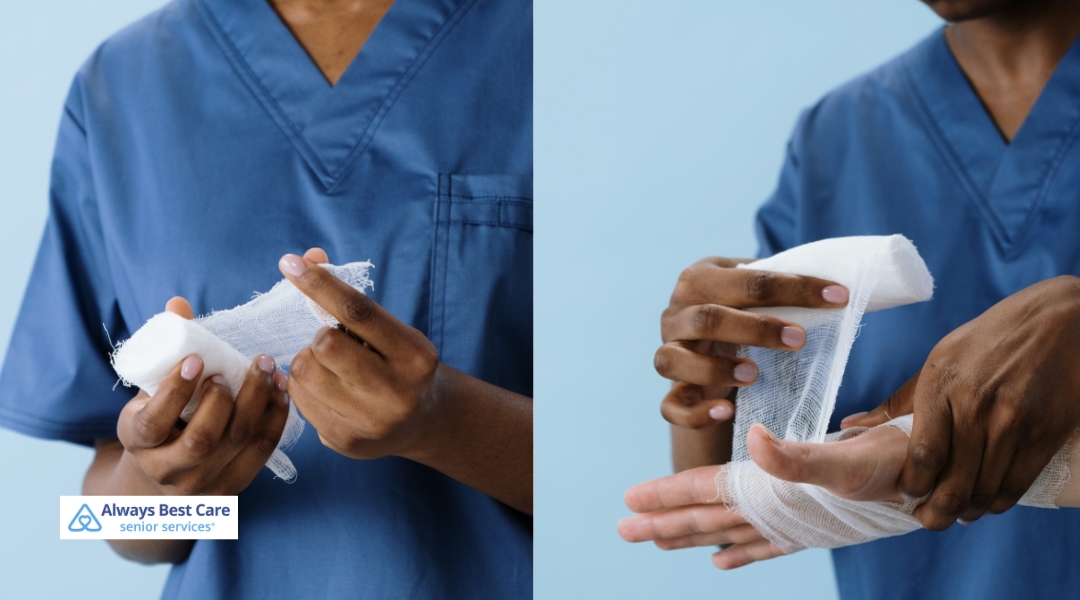
Small cuts and scrapes usually don’t cause much fuss. But as parents and grandparents age, even a “little” wound can turn into a bigger problem faster than we expect. Healing slows down, health issues stack up, and suddenly that simple bandage isn’t cutting it anymore.
That’s where wound care at home and skilled nursing in Louisville, KY can make all the difference. By understanding when home care is enough and when we need skilled nursing help, we can keep our loved ones safer, more comfortable, and healing right where they want to be—at home.
At Always Best Care of Louisville, KY, we use skilled nursing for wound care at home to help seniors recover with less stress and more peace of mind.
What You Will Learn:
- Why aging makes wound healing more complicated and which health conditions can slow recovery.
- How to recognize the warning signs that a wound needs skilled nursing attention at home.
- What skilled nursing for wound care at home looks like and how it works alongside in-home caregiving.
- Simple steps families can take to prevent pressure injuries and support safer healing in Louisville, KY.
Table of Contents
Why Wounds Are More Complicated for Seniors
As we get older, our skin and bodies go through changes that make wounds tougher to manage.
Aging Skin and Slower Healing
- Skin becomes thinner and more fragile, so it tears more easily.
- The body takes longer to repair damage, which means wounds stick around longer.
- Minor bumps can turn into skin tears or pressure sores before we know it.
Health Conditions That Affect Wound Healing
Certain health issues can throw a wrench into the healing process:
- Diabetes
- Poor circulation
- Limited mobility
- Long-term illnesses
These conditions can:
- Slow blood flow to the wound
- Make infection more likely
- Turn a small sore into a long-lasting wound
Nutrition also plays a critical role. According to Dietitians of America, adequate protein, vitamin C, zinc, and hydration are all essential to tissue repair, and many older adults do not consistently meet these needs.
Wound Care at Home: When Is Skilled Nursing Needed in Louisville, KY?
Not every scrape calls for a nurse, but some wounds really do need skilled care. Knowing the difference helps us respond quickly and avoid serious complications.
Types of Wounds That May Need Skilled Nursing
Skilled nursing for wound care at home in Louisville, KY may be needed for:
- Surgical incisions that still need close monitoring
- Pressure injuries (bedsores)
- Diabetic foot ulcers
- Wounds caused by poor circulation
- Skin tears that don’t seem to heal
- Burns or more serious injuries
- Chronic wounds that aren’t improving as expected
Seniors with diabetes, compromised immune systems, or circulatory conditions are at higher risk and should be monitored closely. The American Diabetes Association notes that foot wounds in people with diabetes can deteriorate quickly and should never be left unassessed.
Warning Signs a Wound Needs Medical Attention
Some wounds start small but gradually show signs that they’re not healing well. Catching these changes early can prevent bigger problems.
Families should watch for:
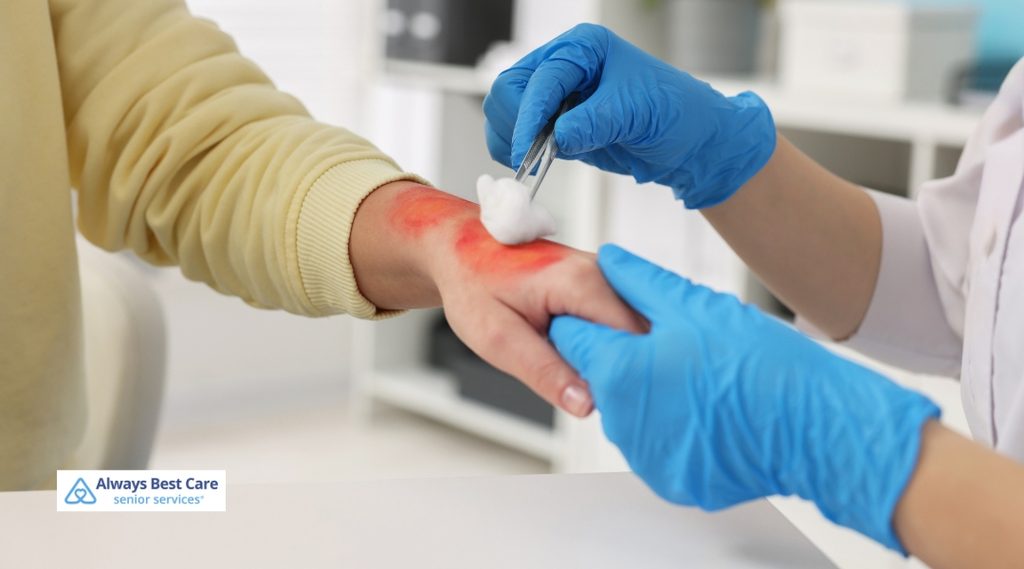
- Growing redness, warmth, or swelling around the wound
- More pain than before
- Drainage or pus
- An unusual or foul smell
- Changes in color or size of the wound
More serious warning signs include:
- Fever or chills
- New confusion or sudden change in behavior
- A noticeable drop in overall health or energy
Seniors with diabetes, weak immune systems, or circulation problems need extra close attention, because infections and complications can develop quickly.
How Skilled Nursing Supports Wound Care at Home in Louisville, KY
When a senior in Louisville, KY needs skilled nursing for wound care at home, a nurse follows the doctor’s orders and provides medical care right in the home.
Skilled nursing may include:
- Carefully assessing the wound and tracking progress
- Cleaning the area using safe techniques
- Changing dressings on a regular schedule
- Watching closely for any signs of infection
- Teaching families how to care for the wound between visits
- Sharing updates and concerns with the doctor and healthcare team
We at Always Best Care of Louisville, KY, work to make sure families feel informed and supported, not left guessing. A nurse can explain what’s normal, what’s not, and when it’s time to call the doctor.
Skilled nursing is especially reassuring after:
- Surgery
- A hospital stay
- Rehab or a stay in a nursing facility
Instead of bouncing between appointments, seniors can receive much of their wound care at home, surrounded by familiar routines.
Preventing Pressure Injuries at Home
For seniors who spend a lot of time in bed or in a chair, preventing pressure injuries is just as important as treating existing wounds.
Helpful strategies include:
- Changing positions regularly to relieve pressure
- Keeping skin clean and dry
- Using cushions, special mattresses, or supports to reduce pressure
- Ensuring good meals and enough fluids to support skin health
Caregivers should keep a close eye on:
- Heels
- Hips
- Tailbone
- Elbows
Health America recognises pressure injuries as a significant patient safety concern, particularly for older adults receiving care at home or in long-term settings.
How Home Health and In-Home Care Work Together
Skilled nursing focuses on medical needs, but healing well often requires help with everyday life too. That’s where in-home care steps in.
In-home caregivers can help by:
- Preparing meals that support healing
- Assisting with bathing, dressing, and grooming
- Helping with light housekeeping
- Offering support while moving around the home
- Reminding seniors to take medications
- Noticing changes and sharing concerns with families or healthcare providers
By working together, skilled nursing and in-home care support both the medical side of healing and daily comfort. We at Always Best Care of Louisville, KY coordinate these services so recovery feels smoother and less overwhelming.
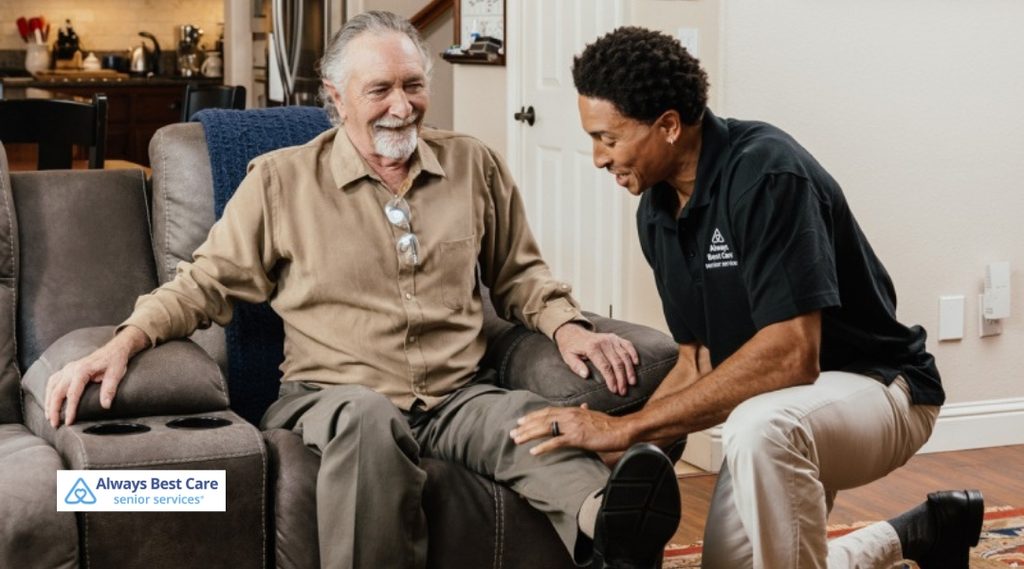
Supporting Safer Healing at Home in Louisville, KY
Complex wound care doesn’t have to mean long hospital stays. With the right support, many seniors can heal at home.
We at Always Best Care of Louisville, KY can:
- Arrange skilled nursing for wound care at home
- Provide caregivers to help with daily tasks
- Offer guidance so families feel confident, not anxious
- Adjust services as needs change over time
Wound care may start with simple bandages, but aging bodies and health conditions can make recovery more complicated. By knowing when home care is enough and when skilled nursing is needed, we can protect our loved ones from infections and setbacks.
We at Always Best Care of Louisville, KY, support families with skilled nursing, in-home care, and guidance so seniors can heal as safely and comfortably as possible—right at home.
If a loved one is healing from a wound, surgery, or another health issue and needs extra help at home, families can reach out to us at Always Best Care of Louisville, KY, at (502)419-8240 for a care consultation and to learn more about local care options.
FAQ – Wound Care at Home in Louisville, KY
Q: When should we ask for skilled nursing for wound care at home?
A: You should consider skilled nursing when the wound is surgical, not healing as expected, shows signs of infection, or involves conditions like diabetes or poor circulation that make healing more complicated.
Q: Can seniors with diabetic foot ulcers be treated at home?
A: Yes, many diabetic foot ulcers can be treated at home with skilled nursing and proper medical oversight, as long as the care plan is closely followed and changes are reported quickly.
Q: How often should we check a senior’s wound at home?
A: Wounds should be checked daily, and more often if there’s a history of slow healing, infection, or if the senior has diabetes or circulation problems.
Q: What can families do to help prevent pressure injuries?
A: Families can help by changing positions regularly, keeping skin clean and dry, using cushions or supportive surfaces, and watching high-risk areas like heels and hips.
Q: How do home health and in-home care work together for wound care?
A: Home health provides skilled nursing for medical wound care, while in-home caregivers help with meals, personal care, movement, and daily routines that support overall healing.
Link to the Markdown File version of this article.