Preparing Your Home for Summer: Senior Safety Tips in Orlando
Summer in Orlando is a season full of promise, longer evenings, backyard gatherings, and a slower pace of life. But for older adults, rising temperatures and unpredictable weather can turn a comfortable home into a hazardous one almost overnight. The good news?
A little proactive planning goes a long way. Here’s how seniors and their families can get ahead of the season and stay safe all summer long.
What you will learn:
- How to prepare a senior’s home in Orlando to stay cool, safe, and comfortable during the summer months.
- Why hydration, medication awareness, and indoor safety play a key role in protecting senior health.
- How to identify and reduce outdoor and indoor hazards that increase fall and heat-related risks.
- The importance of emergency planning and how in-home care support can help seniors stay independent and secure.
Table of Contents
Start with Your Cooling System, Before You Need It
Most people don’t think about their air conditioner until it stops working on the hottest day of the year. Don’t wait. Schedule an HVAC inspection in late spring, replace filters, and test ceiling fans to ensure they’re spinning counterclockwise (which pushes cool air downward).
For seniors without central air, a quality portable fan or window unit in the bedroom can be a lifesaver. Also, identify local cooling centers – libraries, community centers, and senior facilities- as a backup plan during extreme heat events.
Quick tip: Keep blackout curtains or thermal blinds on south- and west-facing windows. Blocking direct sunlight can reduce indoor temperatures by several degrees without touching the thermostat.
Rethink Hydration as a Daily System
Dehydration is one of the most underestimated risks in summer for older adults. As we age, the body’s thirst signals become less reliable, meaning seniors can become dangerously dehydrated before they even feel thirsty. Certain blood pressure medications and diuretics compound this risk.
Rather than relying on thirst as a cue, build hydration into the daily routine:
- Place a filled water bottle in every room the senior spends time in
- Set phone or watch reminders to drink every 90 minutes
- Incorporate high-water-content foods, cucumbers, watermelon, strawberries, and celery, into meals and snacks
- Limit afternoon coffee and alcohol, which accelerate fluid loss
Hydration isn’t just about water intake; it’s about building a system that works even when the body’s signals don’t.
Do a Thorough Outdoor Safety Audit
Warmer weather draws seniors outside, which is great for both physical and mental health. But outdoor spaces need attention before they’re used regularly.
Walk the property and look for:
- Cracked or uneven pavement is a leading cause of outdoor falls
- Loose handrails on steps, porches, or ramps
- Overgrown vegetation blocking walkways or obscuring steps
- Garden hoses, tools, or furniture left in walking paths
- Outdoor lighting that may have been damaged over winter
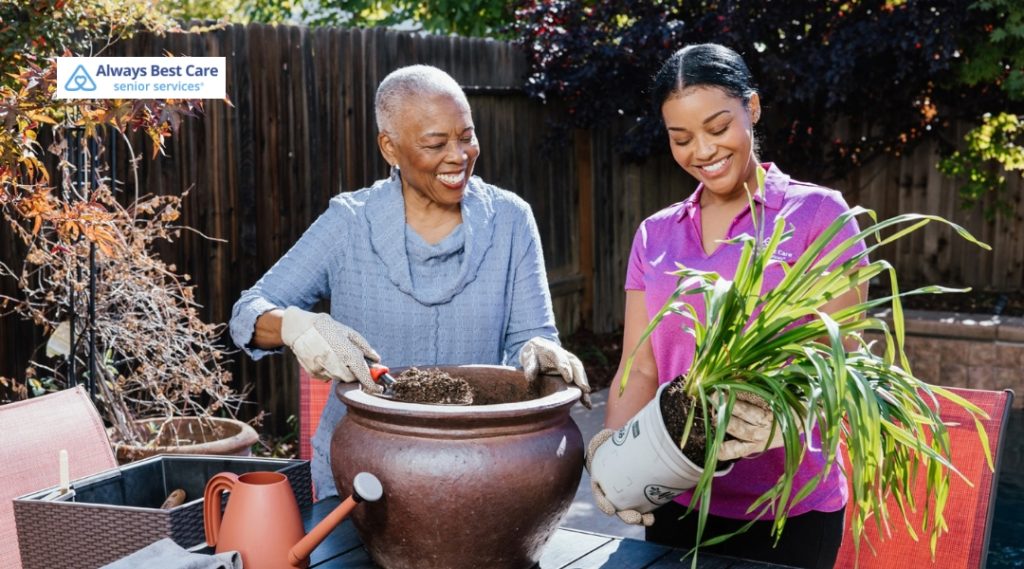
If the senior enjoys gardening, consider raised garden beds to reduce bending and kneeling, and schedule outdoor activity for early morning or evening to avoid peak heat hours (typically 11 a.m. to 4 p.m.).
Build a Storm and Power Outage Plan
In Orlando, summer often means severe weather and power outages can be particularly dangerous for seniors who rely on electric medical equipment, refrigerated medications, or air conditioning to stay safe.
Every household should have an emergency kit that includes:
- At least 72 hours of bottled water and nonperishable food
- Flashlights, extra batteries, and a battery-powered radio
- A printed list of emergency contacts and medical information
- A minimum 7-day supply of all medications
- Backup charging options for phones and medical devices
Beyond the kit, have a clear family communication plan. Who checks in first? Where does the senior go if they need to evacuate? These conversations are much easier to have before a storm than during one.
Audit Medications for Summer-Specific Risks
Many common medications, including antihistamines, diuretics, beta-blockers, and certain antidepressants, affect how the body responds to heat. Some impair sweating, others cause dizziness in warm conditions, and some lose potency if stored above room temperature.
Take 15 minutes to:
- Review all current medications with a pharmacist or physician, specifically asking about heat-related interactions
- Check storage requirements; many medications should not exceed 77°F
- Move medications away from windowsills, cars, and any area that heats up during the day
This is a simple step that’s frequently overlooked and can prevent serious complications.

Reduce Indoor Fall Risks That Peak in Summer
Falls don’t take a summer vacation. In fact, summer introduces new indoor hazards: wet floors from tracking in water after outdoor activities, lighter footwear with less support, and increased fatigue from heat exposure.
Address these risks by:
- Placing absorbent, non-slip mats at all entry points
- Encouraging supportive footwear, even indoors
- Keeping all walkways clear and well-lit
- Checking that grab bars in bathrooms are secure and properly installed
If the senior uses a cane or walker, confirm that rubber tips are in good condition; worn tips significantly reduce traction.
How Always Best Care of Orlando Can Help
Summer preparation is manageable, but it’s a lot to coordinate, especially for seniors living alone or families who don’t live nearby. Always Best Care of Orlando provides in-home support that makes staying safe and comfortable throughout the season much easier.
Our caregivers can assist with:
- Home safety walkthroughs and light housekeeping
- Meal preparation and hydration reminders
- Transportation to medical appointments and errands
- Medication reminders and monitoring
- Companionship and wellness check-ins
We tailor our support to each individual, so seniors get exactly the help they need, no more, no less.
Frequently Asked Questions
Q: What temperature is considered dangerous for seniors indoors?
A: Indoor temperatures above 80°F can be risky for older adults, particularly those with heart disease, diabetes, or respiratory conditions. The CDC recommends keeping indoor spaces at or below 78°F during hot weather.
Q: How much water should a senior drink each day in summer?
A: Most older adults should aim for at least 8 cups (64 oz) of water per day, though individual needs vary based on health conditions, medications, and activity level. A physician or dietitian can provide personalized guidance.
Q: What are the early warning signs of heat exhaustion in seniors?
A: Watch for heavy sweating, cool or pale skin, a fast or weak pulse, nausea, muscle cramps, and fatigue. If symptoms progress to hot and dry skin, confusion, or loss of consciousness, call 911 immediately; these are signs of heat stroke, which is a medical emergency.
Q: How can I help a parent who lives alone stay safe during summer?
A: Regular check-in calls, setting up a buddy system with a neighbor, and arranging professional in-home care are all effective strategies. Having a caregiver visit during the hottest parts of the day can make a significant difference.
Q: Can medications really be affected by summer heat?
A: Yes. Many medications degrade when exposed to temperatures above 77°F, which can reduce their effectiveness. Always store medications in a cool, dry place, never in a car, on a windowsill, or in a bathroom that gets steamy.
Enjoy a Safe and Comfortable Summer in Orlando
Summer should be a season seniors look forward to, not one they dread. With the right preparation – a cool home, a solid hydration routine, safe outdoor spaces, and a weather emergency plan – older adults can enjoy everything the season has to offer.
If your loved one could use extra support this summer, we’re here to help. Call Always Best Care of Orlando today at (407) 216-1578 to schedule a free care consultation.
Link to the Markdown File version of the article