How Occupational Therapy Helps Arcadia Seniors Stay Independent and Confident at Home

Home isn’t just a building for Arcadia seniors; it’s a space full of memories, routines, and little daily rituals that make life feel like their own. As mobility, strength, or vision change, though, those routines can start to feel risky or exhausting instead of enjoyable.
Occupational therapy shifts the focus from “What’s wrong?” to “How can we do this differently so life still feels normal?” Rather than centering the conversation on aging in place alone, OT helps seniors hold on to confidence, dignity, and comfort in the spaces they love most.

Table of Contents
Beyond rehab and equipment
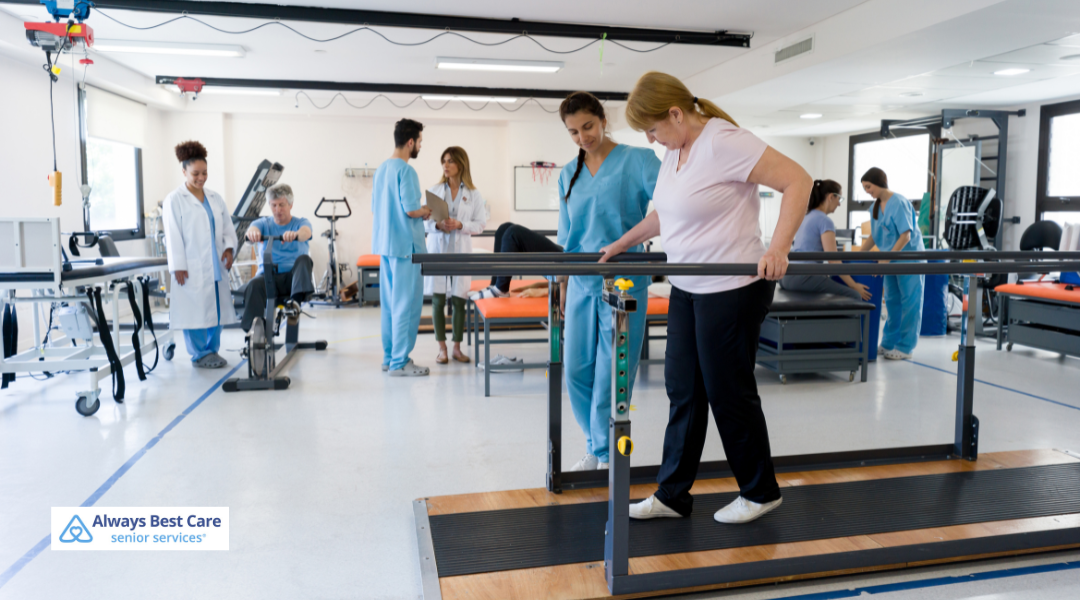
Many people picture occupational therapists as the professionals who come in, suggest grab bars, and leave. That’s only a fraction of the story. In reality, they act like problem-solvers for the rhythm of everyday life—figuring out what’s getting in the way of a senior’s morning routine, favorite hobbies, or social plans, then adjusting tasks so they’re doable again.
Instead of asking seniors to “do less,” OT looks for ways to help them do more of what matters, with less pain and less risk.
From “Don’t do that” to “Do it this way.”
- Turning “Don’t use the stairs” into “Let’s make the stairs safer and teach you how to navigate them confidently.”
- Shifting “You shouldn’t cook anymore” to “Let’s prep ingredients differently, adjust the layout, and use tools that keep you safe at the stove.”
This subtle mindset shift is powerful—it protects independence instead of restricting it.

Small changes, big emotional payoff
Occupational therapy sessions often revolve around specific daily tasks: bathing, dressing, grooming, cooking, moving around the home, and using a phone, TV remote, or tablet. Each success—buttoning a shirt with adaptive tools, taking a shower without fear of slipping, or heating a meal safely—creates a ripple effect of confidence.
Over time, seniors are less afraid of falling, less reluctant to ask for help, and more willing to try new strategies because they’ve already experienced what “success” feels like.
Protecting dignity in personal care
OTs teach tricks and adaptive methods that make private tasks more manageable, which helps seniors:
- Maintain modesty and dignity during bathing and dressing
- Spend more time doing things independently before needing hands-on help
- Feel less like a “burden” to loved ones and caregivers
That emotional relief is just as important as the physical support.
Turning everyday activities into strength builders
Rather than relying only on exercise sheets or equipment, occupational therapists often treat real-life routines as “built-in therapy sessions.”
For example:
- Repeatedly reaching for items at a safe height can support shoulder strength.
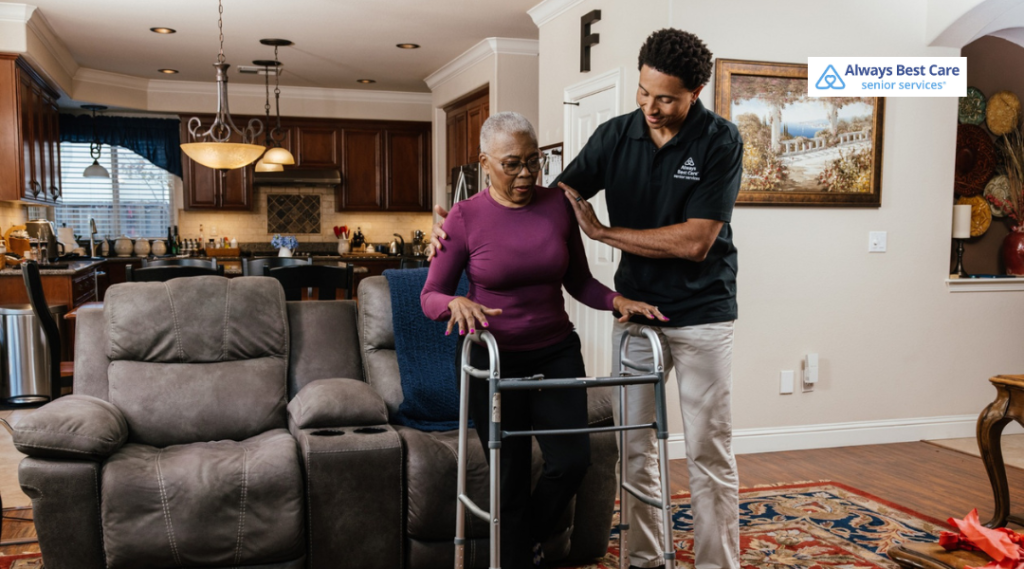
- Practicing safe transfers in and out of a favorite chair reinforces balance and coordination.
- Preparing a simple snack can challenge fine motor skills, cognition, and standing tolerance—all at once.
This approach keeps therapy meaningful and directly tied to the senior’s goals and interests.
Keeping hobbies and social life alive
OT isn’t limited to basic self-care. Therapists can help seniors keep doing what they love, such as:
- Modifying a gardening setup so work can be done from a seated position
- Adjusting lighting and adding magnifiers for reading or crafting
- Setting up easy-to-use technology for video calls with friends and family
These “extra” activities are often what make life feel enjoyable, not just safe.
A more nuanced home assessment
The original Pasadena piece focuses strongly on home modifications like grab bars, stair lifts, and lighting. A fresh Arcadia angle can emphasize how those changes feel and how they mesh with the senior’s lifestyle.
Instead of just listing equipment, consider:
- How easier navigation reduces anxiety about moving from room to room
- How smarter storage prevents overreaching and awkward bending
- How lighting and contrast changes help seniors feel more confident on stairs and in bathrooms
The home stops being a maze of “danger zones” and starts functioning more like a supportive teammate.

Balancing safety with familiarity
OTs also recognize that too many changes at once can feel overwhelming or impersonal. They often recommend gradual adjustments that respect sentimental items, familiar layouts, and personal preferences, so seniors feel heard—not “taken over.”
Teaching safer, easier ways to help
Caregivers often improvise lifting, transferring, and assisting techniques that can strain their own bodies or unsettle their loved one. Occupational therapists coach families on:
- Safe transfer methods that protect both senior and caregiver
- How to cue, encourage, or prompt without taking over
- Ways to set up the day so both parties get breaks and downtime
This shared learning reduces frustration at home and lowers the risk of injuries for everyone.
Easing tough conversations about change
The Pasadena article touches on resistance to change. You can spin this into a communication-focused section: how OT gives families language and strategies to frame support as empowerment, not loss of independence.
Instead of “You can’t do this anymore,” OT helps families say, “You’ve been doing this your way for years—how about we tweak it so it feels easier and safer?”

How Always Best Care of Arcadia Fits Into the Picture
Always Best Care of Arcadia can coordinate in-home caregivers with occupational therapy recommendations, ensuring that the strategies created in therapy sessions are actually carried out day-to-day.
Caregivers can help with:
- Following through on OT-guided exercises and daily task strategies
- Keeping the home environment organized according to OT suggestions
- Monitoring changes and sharing updates that may prompt OT re-evaluation
This creates a circle of support: OT designs the plan, caregivers reinforce it, and seniors benefit from consistent, compassionate help.

FAQ: Occupational Therapy and Senior Independence at Home
Q: How does occupational therapy help seniors stay independent and confident at home?
A: Occupational therapy helps seniors keep doing everyday tasks—like bathing, dressing, cooking, and moving safely—by adjusting techniques, tools, and environments so they feel capable rather than limited.
Q: Is occupational therapy only about home modifications?
A: No. While home changes are important, OT also focuses on teaching new ways to perform tasks, building strength and balance through routines, and supporting emotional well-being and confidence.
Q: Can family caregivers be involved in occupational therapy sessions?
A: Yes. Many occupational therapists encourage caregivers to attend sessions so they can learn safe support techniques, communication strategies, and how to follow through with recommendations at home.
Q: How do I know if my loved one in Arcadia could benefit from occupational therapy?
A: Signs include struggling with daily tasks, fear of falling, avoiding routines they once enjoyed, or frequent near-misses or minor accidents around the home. An OT evaluation can pinpoint specific challenges and offer tailored solutions.

Confidence-Focused Care for Arcadia Seniors
Occupational therapy is about more than aging in place—it’s about helping Arcadia seniors feel secure, capable, and respected in the homes they love. By blending smart environmental tweaks, creative task strategies, and caregiver education, OT supports independence in a way that feels practical and deeply personal.
Partnering with Always Best Care of Arcadia connects families with compassionate in-home support that reinforces occupational therapy goals, so confidence and safety become part of everyday life—not just something talked about in appointments.
Always Best Care of Arcadia at (626) 778-1441 to learn more and schedule your free consultation.
Link to the markdown version of this blog