

Supporting Respiratory Health in Seniors: Tips for Easier Breathing in Arcadia

Breathing is something most of us never think about—until it becomes a daily struggle. For seniors, respiratory health often becomes a growing concern as the body changes with age. Whether it is a chronic condition like COPD or simply reduced lung capacity over time, breathing difficulties can quietly chip away at independence and quality of life.
The encouraging news is that proactive care, smart home habits, and the right support system can make a meaningful difference. Here is what families and caregivers in Arcadia should know.
What You Will Learn:
- How aging affects lung function and breathing in seniors.
- Common respiratory conditions and early warning signs to watch for.
- Practical ways to improve air quality and daily habits at home.
- How caregivers support respiratory health and independence.

Table of Contents
How Aging Affects the Lungs
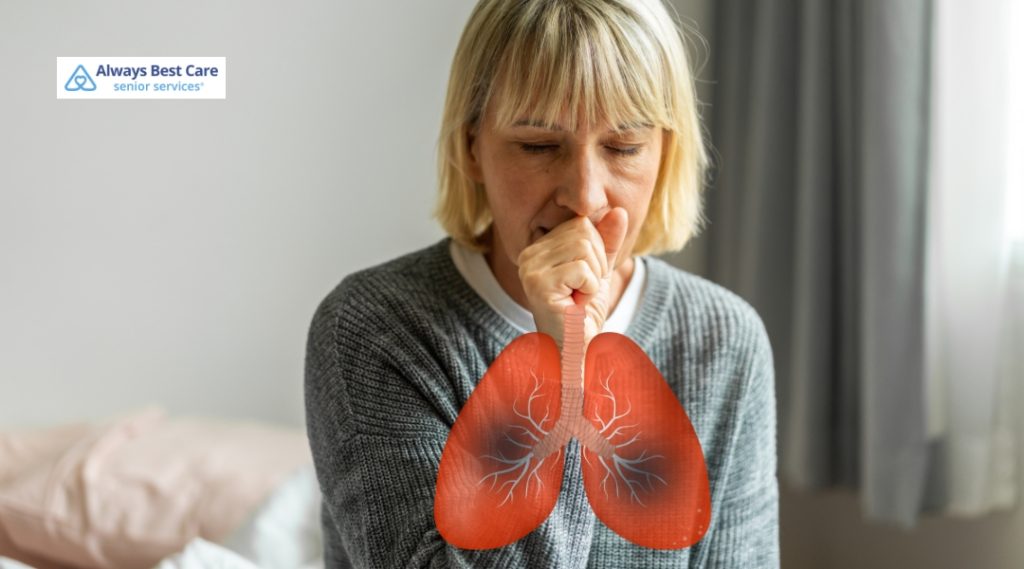
The respiratory system undergoes real, measurable changes as we age. Lung tissue loses elasticity, the diaphragm weakens, and the airways become less efficient at filtering out irritants. The immune system also becomes less responsive, making seniors more susceptible to infections like pneumonia and bronchitis.
These changes do not happen overnight, and they do not have to be debilitating. But they do require awareness.
Respiratory conditions commonly seen in older adults:
- Chronic obstructive pulmonary disease (COPD)
- Asthma
- Pneumonia
- Bronchitis
- Sleep apnea
- Reduced lung capacity
Even when symptoms seem mild, they can affect sleep, energy, cognitive function, and the ability to stay active—all of which are critical to a senior’s overall well-being.

Building a Lung-Friendly Home Environment in Arcadia
Arcadia’s warm, dry climate can be a double-edged sword for seniors with respiratory sensitivities. While the mild weather supports outdoor activity, dry air and seasonal allergens can aggravate symptoms indoors and out.
Steps families can take to improve indoor air quality:
- Replace HVAC filters every 1–3 months
- Use a HEPA air purifier in frequently used rooms
- Keep windows closed on high-pollen or high-smog days
- Eliminate smoking indoors and minimize secondhand smoke exposure
- Swap harsh chemical cleaners for fragrance-free, low-VOC alternatives
- Use a humidifier during dry months to keep airways from drying out
Small environmental changes can have an outsized impact on how comfortably a senior breathes day to day.

Daily Habits That Strengthen Respiratory Health
Lifestyle plays a larger role in lung health than most people realize. Seniors who stay active, eat well, and manage stress tend to experience fewer and less severe respiratory episodes.
Practical habits to encourage:
- Light daily movement: Walking, gentle yoga, or stretching helps maintain lung capacity and circulation
- Deep breathing exercises: Pursed-lip breathing and diaphragmatic breathing can improve oxygen exchange and reduce breathlessness
- Consistent hydration: Water keeps mucus thin and airways clear
- Nutrient-rich meals: Foods high in antioxidants—berries, leafy greens, nuts—support lung tissue health
- Staying current on vaccinations: Flu, pneumonia, and COVID-19 vaccines significantly reduce the risk of serious respiratory illness
Consistency matters more than intensity. Even modest daily habits, maintained over time, can lead to noticeable improvements.
Managing Chronic Respiratory Conditions
For seniors already living with a diagnosed respiratory condition, day-to-day management is essential to preventing flare-ups and hospitalizations.
Effective management typically involves:
- Taking prescribed medications on schedule—never skipping doses
- Using inhalers or nebulizers correctly (technique matters more than most people realize)
- Tracking symptoms in a simple daily log to identify patterns or early warning signs
- Scheduling regular checkups with a pulmonologist or primary care provider
- Avoiding known triggers such as smoke, dust, mold, or cold air
Families should feel empowered to ask healthcare providers specific questions about what to watch for and when to seek urgent care.
Warning Signs That Should Never Be Ignored
Knowing when to act quickly can prevent a manageable situation from becoming a medical emergency.
Seek medical attention if a senior experiences:
- Sudden or worsening shortness of breath
- Persistent wheezing or a new, frequent cough
- Chest tightness or pain
- Unusual fatigue, confusion, or disorientation
- Bluish tint to the lips or fingernails (a sign of low oxygen)
When in doubt, err on the side of caution. Respiratory symptoms can escalate quickly in older adults.

How Always Best Care of Arcadia Supports Respiratory Health
Managing a respiratory condition at home is rarely a one-person job. For seniors living alone or families juggling multiple responsibilities, having reliable in-home support can be the difference between managing well and falling behind.
Always Best Care of Arcadia caregivers are trained to provide hands-on, day-to-day support that helps seniors stay on track with their health routines.
Our caregivers can help with:
- Medication reminders to ensure prescriptions are taken correctly and on time
- Light housekeeping to reduce dust, allergens, and indoor pollutants
- Meal preparation focused on lung-supportive nutrition
- Encouraging and assisting with safe physical activity
- Monitoring for changes in symptoms and communicating with family members
- Transportation to medical appointments and follow-up visits
For seniors who need a higher level of care, home health services can bring skilled nursing and respiratory therapy coordination directly into the home.
Frequently Asked Questions
Q: What are the earliest signs of declining respiratory health in seniors?
A: Early signs often include getting winded more easily than usual, a persistent morning cough, reduced stamina during light activity, or more frequent respiratory infections. These symptoms are easy to dismiss but worth discussing with a doctor.
Q: Can exercise actually help seniors with breathing problems?
A: Yes—with the right approach. Low-impact activities like walking, swimming, or chair yoga can strengthen the muscles involved in breathing and improve overall lung efficiency. Always consult a physician before starting a new exercise routine, especially for seniors with diagnosed conditions.
Q: How does indoor air quality affect respiratory health?
A: Indoor air can actually be more polluted than outdoor air due to dust, pet dander, mold, cleaning products, and poor ventilation. For seniors with sensitive lungs, improving indoor air quality through filtration, regular cleaning, and humidity control can significantly reduce symptom frequency.
Q: When should a family consider in-home care for a senior with a respiratory condition?
A: If a senior is struggling to manage medications consistently, missing appointments, showing signs of fatigue or confusion, or simply needs more daily support than family can provide, in-home care is worth exploring. Early intervention tends to produce better outcomes than waiting for a crisis.
Q: What makes Always Best Care of Arcadia different from other home care providers?
A: Always Best Care combines compassionate, personalized caregiving with a strong focus on health coordination. Caregivers are matched to each client’s specific needs, and families receive regular communication so everyone stays informed and involved.

Support Safer, Easier Breathing at Home
At Always Best Care of Arcadia, we provide compassionate in-home care for seniors managing respiratory conditions and chronic health needs. From medication reminders and meal preparation to maintaining a clean, low-irritant home environment, our caregivers help seniors stay safe, comfortable, and independent.
Respiratory health is a cornerstone of senior well-being—and it is something that can be actively supported with the right environment, habits, and care team in place.
Always Best Care of Arcadia at (626) 778-1441 to learn more and schedule your free consultation.
Link to the markdown version of this blog.