

Recognizing Early Memory Loss in Arcadia: When Families Should Seek Support

In Arcadia, it’s common for families to live close by, share errands, and gather on weekends. That closeness means you’re often the first to notice when something feels “off” with a parent or spouse—missed appointments, forgotten conversations, or unpaid bills that never used to slip through the cracks.
Early memory loss doesn’t usually arrive with one dramatic event. It creeps in quietly. The sooner families recognize those changes and ask for help, the more options they have to support safety, independence, and quality of life at home.
What You Will Learn:
- The difference between normal aging and early memory loss.
- Early warning signs families should watch for at home.
- When to seek medical evaluation for memory concerns.
- How in-home care supports safety, routine, and independence.
Table of Contents
Understanding Early Memory Loss in Everyday Terms
Early memory loss is more than the occasional misplaced keys. It’s a pattern of forgetfulness and confusion that starts interfering with normal routines.
It may look like:
- Forgetting recent events but clearly remembering things from long ago
- Repeating the same questions or stories within a short time
- Getting mixed up about dates, times, or upcoming plans
- Struggling to keep track of tasks that used to be simple, like paying bills or managing medications
These changes can have many causes, including mild cognitive impairment, early dementia, medication issues, sleep problems, or depression. That’s why getting a proper evaluation is so important.

Early Signs of Memory Loss Arcadia Families Should Watch For
At first, changes can be easy to shrug off. Over time, though, they form a pattern that’s hard to ignore. Pay close attention if you notice:
Daily Tasks Getting Harder
- Unopened mail and overdue notices are piling up
- Difficulty following familiar recipes or instructions
- Leaving the stove on or forgetting to turn off small appliances
- Confusion over which pills to take and when
Shifts in Conversations and Social Interactions
- Losing the thread of a conversation or asking, “What were we talking about?” often
- Searching for simple words more frequently
- Repeating the same story to the same person without realizing it
- Pulling back from social activities they used to enjoy
Disorganization and Confusion
- Misplacing items in unusual spots (wallet in the bathroom, remote in the fridge)
- Trouble finding their way in familiar stores or neighborhoods
- Getting more easily overwhelmed by planning or multitasking
- Frequently mixing up appointments, events, or times
One or two moments on a stressful day may not mean much. A consistent pattern over weeks and months is what should prompt concern.

Normal Aging vs. Concerning Memory Changes
It’s natural for memory to change with age. The challenge is telling what’s typical and what may signal something more serious.
Generally:
- Common aging: Occasionally forgetting names or appointments but remembering them later, needing lists or calendars more often, taking longer to learn new technology.
- Concerning memory loss: Frequent repetition, missing important dates or bills, confusion that disrupts daily life, or safety concerns like getting lost or misusing medications.
If you find yourself frequently making excuses—“She’s just tired,” “He’s just distracted”—it may be time to step back and look at the larger pattern.
When Arcadia Families Should Seek a Memory Evaluation
Reaching out for a medical evaluation isn’t about labeling a loved one—it’s about understanding what’s going on and what can be done. It’s time to call the doctor if:
- Memory problems are clearly getting worse over several months
- You’re worried about safety (getting lost, leaving the stove on, mishandling medications)
- Mood or personality has changed alongside memory (more suspicious, withdrawn, or irritable)
- Family members are quietly comparing notes and sharing the same concerns
A healthcare provider can check for reversible causes like infections, medication side effects, thyroid issues, vitamin deficiencies, sleep problems, or depression, and refer to specialists if needed.
How Early Support and Home Care Help in Arcadia
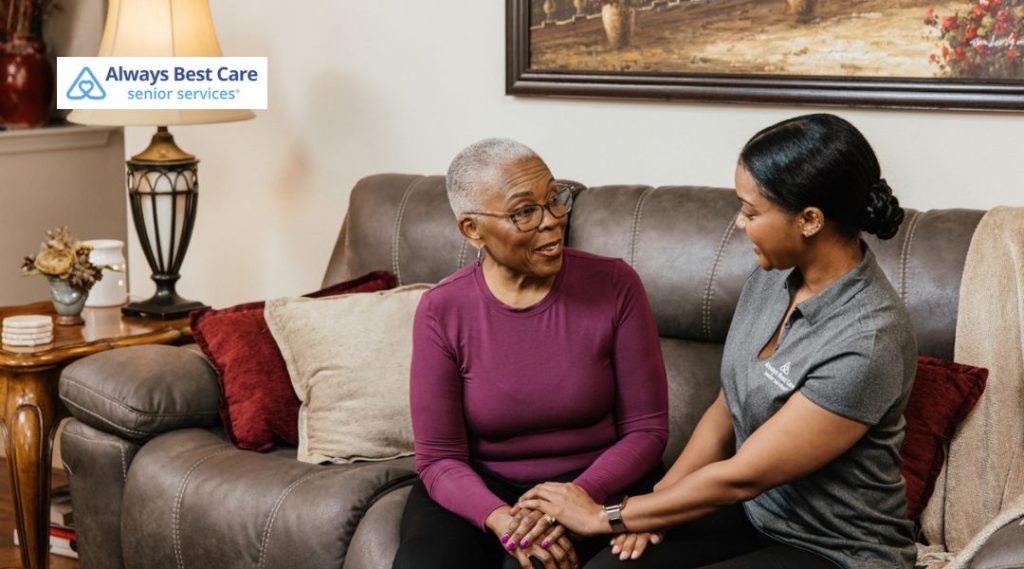
You don’t have to wait for a formal diagnosis to bring in help. In fact, early support often makes the biggest difference. Home care services in Arcadia can:
- Provide reminders for meals, hydration, and medications
- Help with cooking, light housekeeping, and laundry
- Offer companionship and gentle supervision during the day
- Support safe routines like short walks, hobbies, and social time
- Help keep the home environment tidy and less confusing
For families balancing work, children, and other responsibilities, having in-home support means you’re not carrying everything on your shoulders—while your loved one gets to stay in a familiar, comfortable environment.

Making the Home Safer for Someone With Early Memory Loss
Small environmental changes can go a long way toward preventing accidents and confusion. Consider:
- Keeping walkways clear and well-lit to reduce fall risk
- Using large-print calendars and simple checklists in common areas
- Labeling drawers or cabinets (for example, “Dishes,” “Towels,” “Snacks”)
- Placing frequently used items—like glasses, keys, and the phone—in the same visible spot
- Setting up automatic payments for recurring bills
Home care providers in Arcadia can help you identify specific risks and suggest practical adjustments based on your loved one’s routines.
Talking About Memory Concerns With a Loved One
Starting this conversation can feel uncomfortable. Most people don’t like the idea that their memory might be slipping, and fear often shows up as defensiveness. A gentle, respectful approach helps.
You might say:
- “I’ve noticed you seem more stressed about remembering things lately. How have you been feeling?”
- “A few things have me a little worried—missed bills, the stove incident. Could we talk with your doctor together, just to be safe?”
- “I want to make things easier for you, not take over. Maybe we can look at some extra support so we both feel better about day-to-day stuff?”
Try to listen as much as you talk. Let your loved one share their fears and frustrations without interrupting or correcting every detail.
FAQs: Early Memory Loss and Support in Arcadia
Q: What are the first signs of early memory loss Arcadia families should notice?
A: Common early signs include repeating questions, forgetting recent conversations or events, misplacing items in odd places, missing appointments, and struggling with tasks like managing money or medications.
Q: When should families in Arcadia call a doctor about memory changes?
A: It’s wise to call if memory problems are getting worse over months, affecting safety or daily routines, or occurring alongside personality or mood changes. If you’re worried enough to wonder, it’s worth a professional opinion.
Q: Can early memory loss be caused by something treatable?
A: Yes. Infections, medication side effects, sleep problems, thyroid issues, vitamin deficiencies, and depression can all affect memory. A medical evaluation can help uncover and treat these conditions.
Q: How can home care support a senior with early memory loss in Arcadia?
A: Home care can reinforce routines, offer reminders, help with meals and housekeeping, provide companionship, and gently supervise daily activities—helping seniors stay independent longer while easing family stress.
Q: Does noticing early memory loss always mean it’s dementia?
A: No. Dementia is one possible cause, but not the only one. That’s why professional evaluation matters—so you’re dealing with facts, not just fears.

Early Awareness Gives Your Family More Choices
In Arcadia’s busy, family-focused community, it’s easy for early memory changes to be brushed aside as normal aging or “just a rough patch.” Yet those subtle shifts—repeated questions, missed appointments, growing confusion—are often the first invitation to pay closer attention.
By recognizing patterns early, talking openly, seeking medical evaluation, and bringing in home care support before a crisis hits, you give your loved one the best chance to stay safer, more comfortable, and more engaged in daily life. You don’t need all the answers today—you just need to be willing to take the first step toward support. Always Best Care of Arcadia at (626) 778-1441 to learn more and schedule your free consultation.
Link to the markdown version of this blog.