

Supporting Senior Nutrition: What to Do When Appetite Decreases in Arcadia, CA

As loved ones grow older, many families start spotting quiet changes at the dinner table. That senior who once asked for seconds suddenly pushes food around the plate, skips breakfast, or shrugs at favorite dishes. A missed meal here and there isn’t always a big deal, but a steady decline in appetite can chip away at health, energy, and overall quality of life.
Good nutrition is a cornerstone of healthy aging. It helps the body fight illness, keep muscles strong, recover from setbacks, and fuel everyday activities. When appetite declines, helping seniors eat well in Arcadia becomes about more than “getting enough food”—it’s about protecting independence, comfort, and peace of mind.
What You Will Learn:
- Why appetite often decreases in older adults and common causes.
- The health risks of poor nutrition in seniors.
- Practical ways to make meals more appealing and easier to eat.
- How caregivers and home care can support healthy eating habits.
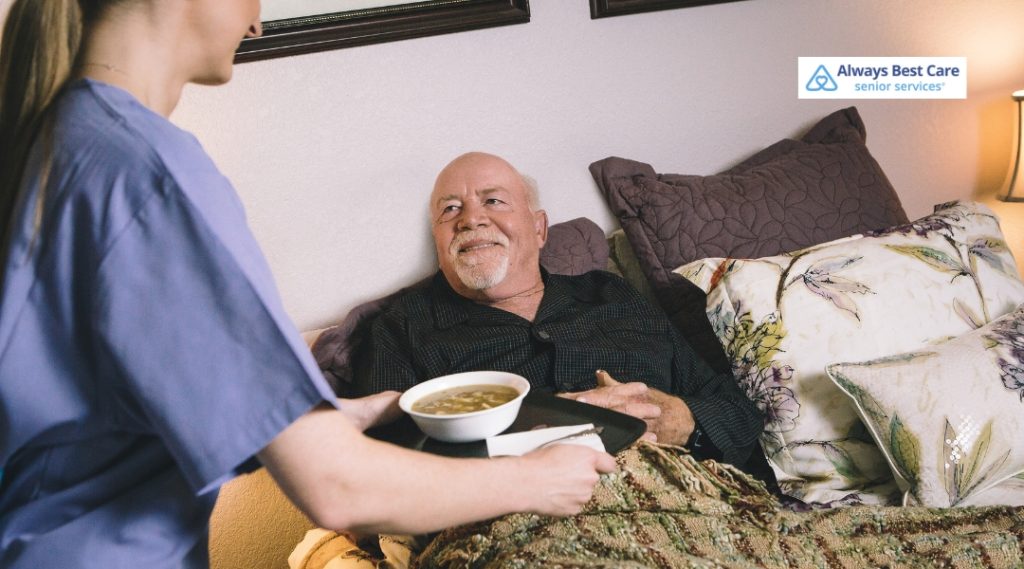
Table of Contents
Why Appetite Declines: Helping Seniors Eat Well in Arcadia
Appetite changes don’t usually happen overnight, and they rarely have just one cause. As people age, their bodies and routines shift in ways that can quietly dampen interest in food.
Common Reasons Seniors May Eat Less
Age-related changes can affect how food tastes, smells, and feels, making meals less appealing than they used to be. On top of that, other factors often pile on:
- Medication side effects that dull hunger or upset the stomach
- Dental problems or dentures that make chewing uncomfortable
- Difficulty swallowing certain textures
- Ongoing health conditions that sap energy
- Mood changes such as depression, anxiety, or loneliness
- Memory loss or cognitive changes that disrupt routines
Because several issues can show up at once, it’s wise for families to keep an eye on gradual shifts and talk with a healthcare provider if concerns linger.
The Hidden Risks of Poor Nutrition
When a senior consistently eats too little, the body simply doesn’t get the fuel it needs to function well. Over time, poor nutrition can lead to:
- Unplanned weight loss
- Muscle weakness and reduced strength
- Higher risk of falls
- Fatigue and low energy
- Slower recovery after illness or injury
- A weaker immune system that makes it harder to fight off infections
Even mild shortages in key nutrients can lower stamina, mood, and the ability to stay active and independent.
Making Meals More Appealing and Easier to Enjoy
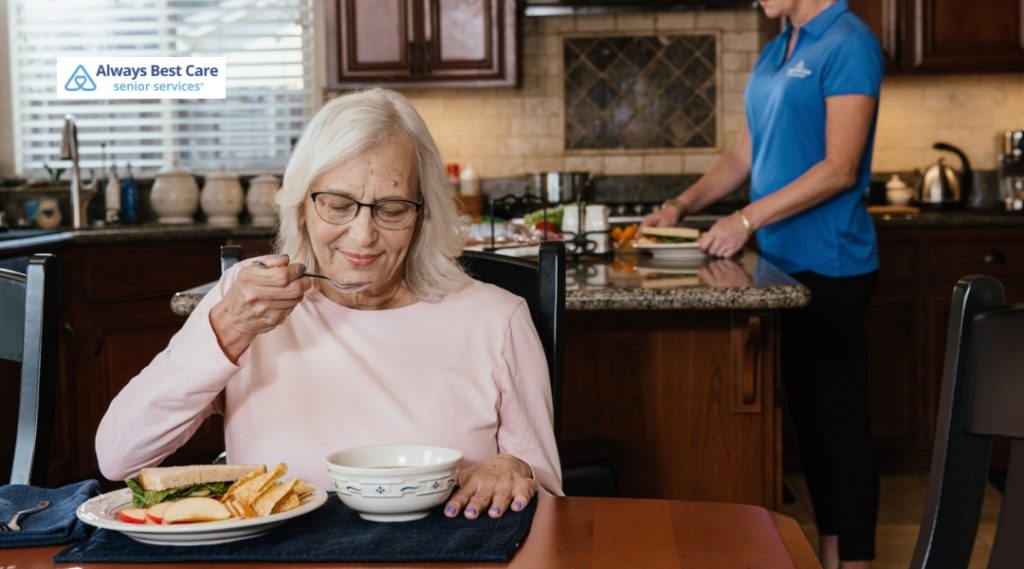
Sometimes, it’s the small tweaks that make a big difference. When we help seniors eat well in Arcadia, we often focus on making meals more inviting rather than simply “bigger.”
Simple Ways to Spark Interest in Food
- Boost flavor: Add herbs, spices, and fresh ingredients to wake up taste buds.
- Play with color and texture: Bright fruits, crisp veggies, and warm soups make plates more engaging.
- Serve favorite foods: Familiar, comforting dishes can tempt even a reluctant appetite.
- Offer smaller, more frequent meals: Light portions several times a day can feel less overwhelming than three large meals.
- Choose nutrient-dense foods: Focus on options that pack plenty of nutrition into every bite.
Many seniors do better with a rhythm of mini-meals and snacks woven throughout the day instead of forcing themselves through big plates they don’t really want.
Turning Mealtime into a Social Moment in Arcadia
Eating alone can make food feel more like a chore than a pleasure. Seniors who feel isolated often nibble instead of eating enough or skip meals altogether.
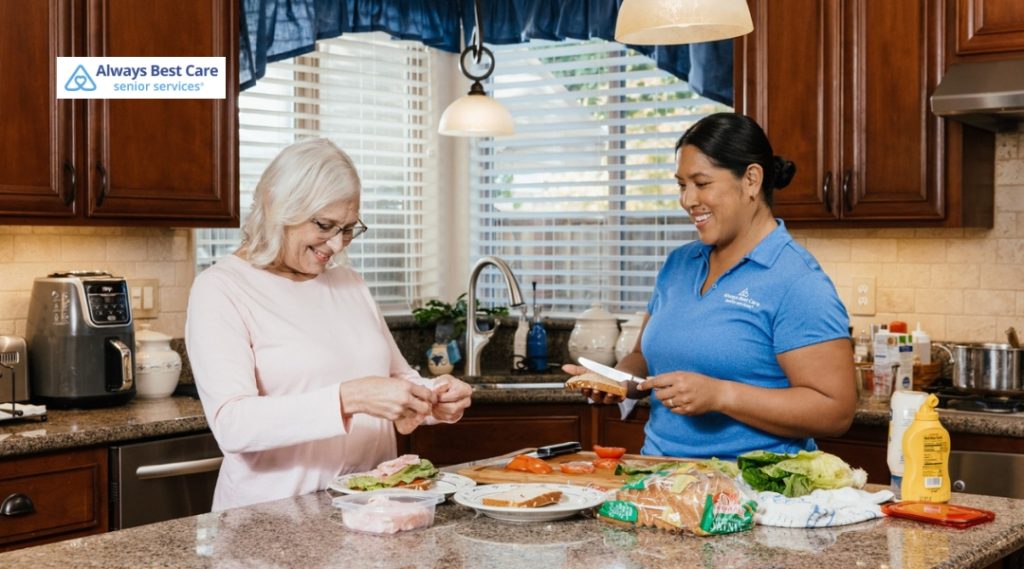
Sharing meals with family, friends, or caregivers brings conversation, laughter, and connection back to the table. That companionship encourages seniors to linger longer and eat more of what’s in front of them. Even simple rituals—like a shared lunch once a week or an afternoon cup of tea—can turn eating into something warm and enjoyable again.
Spotting When Appetite Decline Needs Extra Attention
Not every change in appetite signals trouble, but some patterns are worth quick action. Families in Arcadia may want to consult a healthcare provider if they notice:
- Marked, ongoing weight loss
- Struggling to chew or swallow
- Sudden shifts in mood or interest in activities
- Nausea, stomach discomfort, or persistent digestive issues
- Increased confusion or forgetfulness
A medical professional can check for dental concerns, medication side effects, and health conditions that might be quietly affecting appetite.

Focus on Nutrient-Rich Foods When Every Bite Counts
When a senior eats less, it’s crucial to make each bite work harder. Choosing foods rich in protein, vitamins, minerals, and healthy fats can help maintain strength and resilience even with smaller portions.
Some helpful options include:
- Eggs and Greek yogurt
- Lean meats and fish
- Nut butters, beans, and lentils
- Fresh fruits and vegetables in many colors
- Whole grains such as brown rice or whole wheat bread
Protein is especially important for keeping muscles strong, supporting mobility, and making daily tasks safer and easier.

How We at Always Best Care of Arcadia Support Healthy Eating
As seniors age, staying well-nourished can become challenging—especially for those who live alone or manage ongoing health issues. That’s where we come in. At Always Best Care of Arcadia, we provide practical, day-to-day support that helps older adults eat well and feel more secure at home.
We can help by:
- Planning simple, appealing meals
- Preparing food that fits preferences and abilities
- Handling grocery shopping
- Encouraging regular hydration
- Keeping an eye on appetite changes and eating patterns
- Offering companionship and conversation during meals
- Communicating concerns with family members
By making nutritious eating easier and more pleasant, we support both physical health and emotional well-being in a way that feels personal and caring.
Supporting Healthy Eating and Healthy Aging in Arcadia
A declining appetite shouldn’t be brushed off as “just getting older.” Nutrition is deeply tied to strength, energy, and independence, and with the right support, seniors can still enjoy satisfying meals and the benefits that come with them.
We’re here in Arcadia to walk alongside families, making healthy eating more manageable and less stressful. A simple phone call to Always Best Care of Arcadia can open the door to compassionate caregivers who help your loved one stay nourished, comfortable, and thriving at home.
Frequently Asked Questions
Q: Is it normal for a senior’s appetite to decrease with age?
A: Some appetite change can happen naturally with aging, but a prolonged decline or noticeable weight loss isn’t something to ignore. It can signal medical, emotional, or practical challenges that deserve attention.
Q: How can we encourage a senior who just “isn’t hungry” to eat more?
A: Try smaller, frequent meals; offer favorite foods; add herbs and spices for flavor; and make mealtime social whenever possible. Choosing nutrient-dense options helps ensure that even modest portions still support health.
Q: What foods are best for seniors with low appetite?
A: Soft, easy-to-eat foods that are rich in protein and calories—like yogurt, eggs, smoothies, nut butters, soups, and tender meats—can be very helpful. Pair them with colorful fruits, vegetables, and whole grains for a balanced approach.
Q: When should we ask a doctor about appetite loss?
A: If appetite declines suddenly, weight drops significantly, chewing or swallowing becomes hard, or mood and memory change noticeably, it’s time to bring those concerns to a healthcare provider.
Q: How can Always Best Care of Arcadia help seniors eat better?
A: We support seniors by planning and preparing meals, shopping for groceries, encouraging hydration, offering companionship at the table, and watching for appetite changes. We also keep families informed so everyone stays on the same page.

Support Healthy Eating and Well-Being at Home
At Always Best Care of Arcadia, we help seniors maintain proper nutrition with personalized in-home support. From meal planning and preparation to companionship during meals and hydration reminders, our caregivers make it easier for your loved one to stay healthy, strong, and independent at home.
Helping seniors eat well in Arcadia starts with noticing changes, understanding what might be driving them, and responding with care rather than pressure. With thoughtful meal planning, social connection, nutrient-rich foods, and support from us at Always Best Care of Arcadia, older adults can continue to enjoy food, maintain their health, and feel more at ease in the place they call home. Always Best Care of Arcadia at (626) 778-1441 to learn more and schedule your free consultation.
Link to the markdown version of this blog.