Elder Abuse Prevention: Protecting Seniors and Promoting Safe, Respectful Care in Roseville

Nobody wants to imagine a loved one being mistreated, yet elder abuse is a serious and growing problem affecting countless seniors every year in communities just like Roseville. It can happen quietly, behind closed doors, in family homes, care facilities, or even within long‑trusted relationships.
That’s why staying alert, informed, and involved isn’t just helpful, it’s essential. By learning the signs of elder abuse and understanding how to respond, we can step in early, protect the people we love, and support the safe, respectful care they deserve.
What you will learn:
- What elder abuse is, the different forms it can take, and why it often goes unnoticed.
- How to recognize the early warning signs and risk factors that may put seniors at greater risk.
- Simple, proactive steps families can take to prevent abuse and support safe, respectful care.
- What to do if you suspect elder abuse, including how to respond quickly and seek the right help.
Table of Contents
What Is Elder Abuse?
Elder abuse happens when an older adult is harmed, or put at serious risk of harm, because of someone’s actions or failure to act. Often, more than one type of abuse shows up at the same time.
Common forms of elder abuse include:
- Physical abuse – hitting, pushing, rough handling, or improper restraint
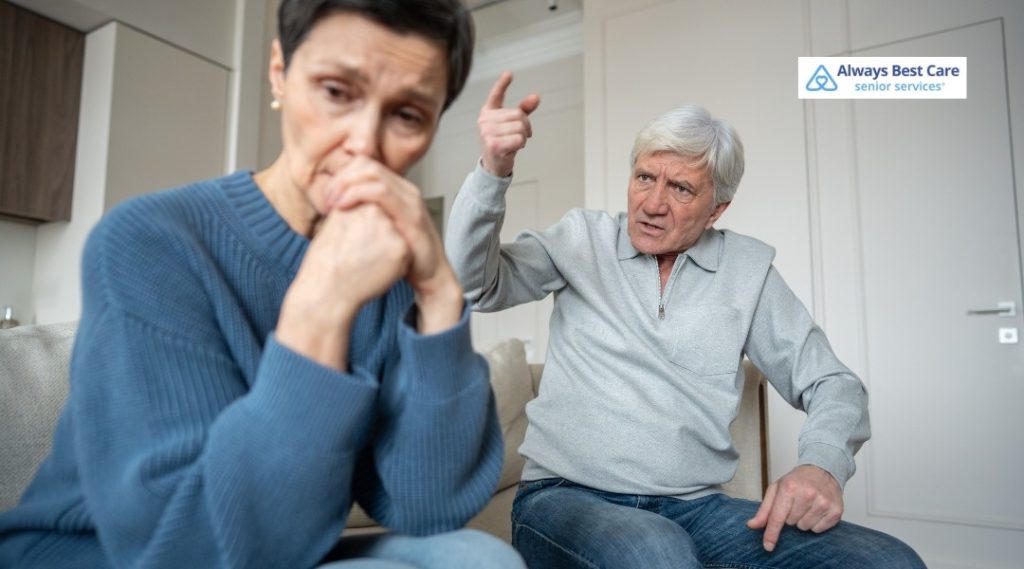
- Emotional abuse – yelling, name‑calling, intimidation, threats, or intentional isolation
- Financial exploitation – misuse of money, pressure to sign documents, or unauthorized withdrawals
- Neglect – not providing food, hygiene, medication, or needed medical attention
- Abandonment or lack of supervision – leaving a senior alone when they clearly need care or support
Once we recognize that abuse isn’t just bruises or obvious violence, it becomes much easier to spot the red flags earlier.
Warning Signs Families in Roseville Should Watch For
Elder abuse doesn’t always shout; sometimes it only whispers. Changes can be subtle at first, so tuning in to small shifts can make a world of difference.
Possible warning signs include:
- Unexplained bruises, cuts, or frequent falls
- Sudden mood changes, increased anxiety, or withdrawal from friends and family
- Poor hygiene, dirty clothes, or unsafe living conditions
- Unpaid bills, missing valuables, or unusual bank activity
- A new “friend” who seems overly involved in finances or decisions
- Fear, tension, or reluctance around a certain caregiver or family member
- Changes in eating or sleeping patterns, or a sudden drop in communication
If something feels “off,” it usually is. Trusting your instincts and asking gentle questions is far better than ignoring a nagging concern.
Risk Factors That Can Increase Vulnerability
Some situations make seniors more likely to experience abuse, even when nobody intends for harm to happen. By paying attention to these risk factors, families can act sooner rather than later.
Common risk factors include:
- Social isolation – limited visitors, few friends, or no nearby family
- Cognitive decline – dementia, memory loss, or confusion that makes it harder to report mistreatment
- Physical limitations – trouble walking, bathing, or dressing, creating dependence on others
- Financial dependency – relying on someone else to manage money with little oversight
- Caregiver stress or burnout – overwhelmed family members who feel unsupported and exhausted
When these pressures pile up, even a well‑meaning caregiver may become impatient or careless, and in some cases, abuse or neglect can follow. Addressing these challenges early helps protect both seniors and caregivers.

Practical Steps Families Can Take to Prevent Elder Abuse
Elder abuse prevention isn’t one big heroic act; it’s a series of small, consistent efforts that build safety and trust over time.
Here are realistic steps families in Roseville can start using right away:
- Stay actively involved
- Visit regularly, in person when possible.
- Vary visit times so you see what daily life really looks like.
- Keep communication open
- Call, text, or video chat often.
- Ask open‑ended questions like, “How are things going with your caregiver?”
- Watch over finances
- Review bank statements and credit card activity together.
- Keep important documents secure and know where they are.
- Build a support circle
- Get to know neighbors, friends, and other people who see your loved one.
- Include doctors, in-home care professionals, and trusted community contacts.
- Encourage social connection
- Support outings, senior center programs, faith communities, or clubs.
- Fight isolation; loneliness is a big risk factor.
- Address caregiver stress early
- Share responsibilities among family and friends.
- Consider respite care so primary caregivers can rest and recharge.
Tiny changes in involvement can shine a light into situations where problems might otherwise stay hidden.
Elder Abuse Prevention and Professional In-Home Care in Roseville
Professional in-home care can play a powerful role in elder abuse prevention, especially when caregivers are carefully chosen and closely supported.
At Always Best Care of Roseville, we know trust isn’t given lightly. That’s why we:
- Screen caregivers thoroughly before they ever enter a senior’s home
- Provide training focused on safety, respect, and dignity
- Encourage clear, ongoing communication with families
We work with seniors and their families to create a safe, comfortable environment where daily needs are met, and independence is respected as much as possible. Our caregivers often notice changes in behavior, mood, or health early on, which helps families step in before small concerns become serious problems.
By partnering with us at Always Best Care of Roseville, families gain another set of eyes, ears, and hands dedicated to elder abuse prevention and overall well‑being.

What Should You Do If You Suspect Elder Abuse?
Suspecting abuse is upsetting, no doubt about it. Still, staying silent can leave a loved one stuck in a dangerous situation. Acting quickly and calmly can prevent further harm.
If you think something may be wrong:
- Talk privately with your loved one
- Choose a quiet, safe place.
- Ask gentle questions like, “Has anyone hurt you or made you feel scared?”
- Document what you see and hear
- Write down dates, times, and specific concerns.
- Take photos of injuries or unsafe conditions if appropriate.
- Reach out for help
- Contact local adult protective services for guidance.
- Speak with healthcare providers who know your loved one.
- Call law enforcement if there’s immediate danger.
You don’t need proof to ask questions or to seek advice. Concern itself is enough reason to speak up.
Creating a Safer Future for Seniors in Roseville
Elder abuse prevention is really a community effort. Families, neighbors, caregivers, and local services all play a part in making Roseville a safer place for older adults. By staying informed, visiting often, and building strong support networks, we can push back against abuse and neglect.
At Always Best Care of Roseville, we see ourselves as partners in this work. We stand alongside families to promote safety, respect, and dignity every single day. Through thoughtful care, open communication, and a commitment to doing what’s right, we aim to help seniors feel secure, valued, and truly at home.
If you’d like to learn more about how we at Always Best Care of Roseville support elder abuse prevention and compassionate in-home care, you can call us to schedule a care consultation and talk through your family’s needs and concerns.

Frequently Asked Questions
Q: What is the most common form of elder abuse?
A: Emotional abuse and neglect are often reported as the most common, but many cases go unreported, so it can be hard to know exact numbers.
Q: How can I talk to my loved one if I suspect abuse?
A: Speak in private, use a calm tone, and ask open questions such as, “Has anyone been treating you in a way that makes you uncomfortable?” Reassure them that you’re on their side and want them to feel safe.
Q: Can elder abuse happen even in “nice” homes or facilities?
A: Yes. Elder abuse can occur in any setting, such as family homes, apartments, assisted living, or nursing homes. That’s why regular visits and communication are so important.
Q: How does Always Best Care of Roseville help prevent elder abuse?
A: We focus on careful caregiver screening, training centered on respect and safety, and close collaboration with families. We stay alert to early warning signs and share concerns promptly so action can be taken.
Q: What if I’m not sure it’s really abuse?
A: If something doesn’t sit right, it’s worth checking out. You can talk with your loved one, consult professionals, or contact local services for guidance. It’s better to ask questions than to regret staying quiet later.
Protecting What Matters Most: Building Safer, Stronger Care for Seniors
Elder abuse is deeply troubling, but it is not unstoppable. With watchful eyes, honest conversations, and a strong support system, families in Roseville can help keep their loved ones safe and respected.
Reach out to us at Always Best Care of Roseville at (916) 507-0817 as we are committed to being part of that safety net, offering compassionate care, dependable support, and a shared commitment to elder abuse so that seniors can age with confidence, comfort, and dignity.
Link to the Markdown File version of the article