

Managing Diabetes with Seniors: How to Support Health and Independence Right Here in Framingham, MA
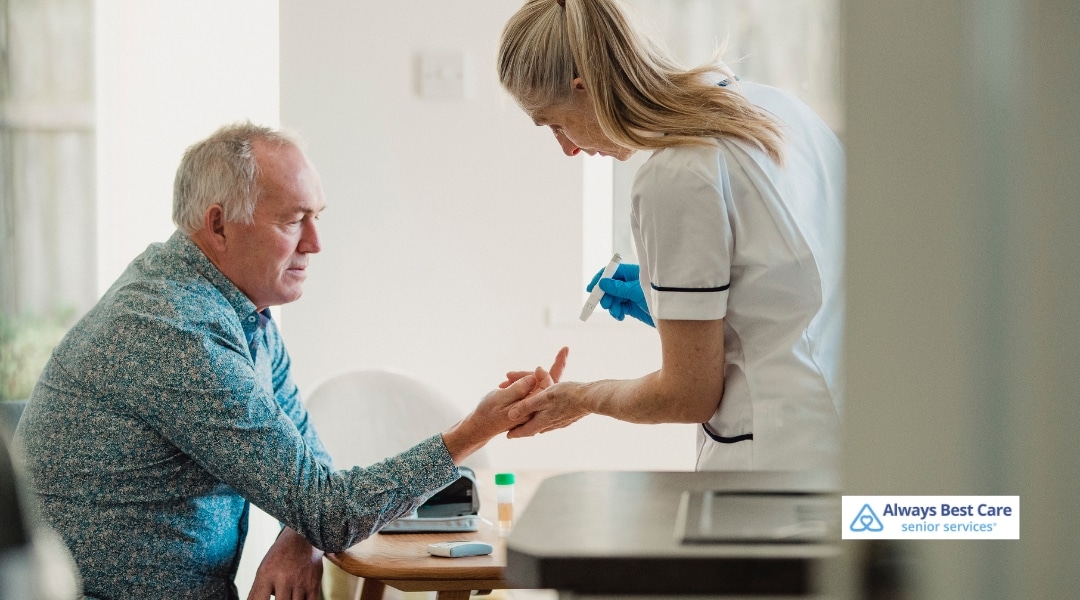
Here’s the thing, diabetes ranks as one of the most widespread chronic conditions affecting older adults today, yet it’s absolutely manageable when you’ve got the right support system in place.
The tricky part? As our loved ones age, keeping blood sugar stable becomes increasingly complicated. Metabolism shifts, medications stack up, and suddenly you’re juggling multiple health concerns all at once.
The good news is that with proper care, solid education, and consistent daily monitoring, countless seniors with diabetes lead vibrant, active lives well into their golden years. We at Always Best Care of Framingham know that families and caregivers are the backbone of successful diabetes management, you’re the ones helping your loved ones stay ahead of their condition and dodge serious complications down the road.
What you will learn:
- How diabetes affects older adults differently and the unique challenges they face in managing the condition.
- Practical strategies for managing diabetes at home, including nutrition, exercise, and medication.
- The importance of spotting warning signs early and how to prevent complications.
- How professional in-home care can offer the support needed for seniors to manage diabetes and maintain independence.
Table of Contents
Understanding Diabetes in Older Adults
Diabetes messes with how the body processes glucose, which sends blood sugar levels climbing higher than they should be. Without solid control, this condition gradually damages the heart, kidneys, eyes, nerves, and other vital organs over time.
Seniors typically contend with two main types:
- Type 2 diabetes: The most common culprit, usually tied to insulin resistance and lifestyle habits
- Type 1 diabetes: Less frequent in older adults, though folks diagnosed earlier in life still manage it as seniors
For older folks managing diabetes, the reality involves balancing a pharmacy’s worth of medications, adjusting to appetite changes, dealing with reduced activity levels, and wrestling with other health complications that make everyday routines tougher.

Why Managing Diabetes with Seniors Requires a Different Approach
Managing diabetes with seniors isn’t quite the same playbook as that of younger patients. Older adults face a whole different set of hurdles that demand personalized strategies.
The goal shifts from simply lowering blood sugar to finding the sweet spot between preventing complications and avoiding dangerous low blood sugar episodes.
Here’s what makes it different: functional status matters more than age itself. A 78-year-old who’s still hiking and volunteering has totally different needs than a 75-year-old managing multiple chronic conditions.
That’s why modern guidelines focus on individual circumstances rather than just slapping a one-size-fits-all target on everyone.
Common Hurdles Older Adults Face
Managing diabetes centers on staying consistent, but that’s easier said than done for seniors juggling:
- Skipping blood sugar checks or forgetting insulin doses
- Eating sporadically or losing appetite altogether
- Struggling with meal prep due to arthritis or mobility issues
- Vision problems that make reading medication labels nearly impossible
- Keeping track of multiple prescriptions for different conditions
These obstacles can create wild swings in blood sugar levels, boosting the risk of hypoglycemia, especially for seniors living by themselves.

Practical Strategies for Managing Diabetes at Home
Building a Nutrition Plan That Actually Works
A solid diet forms the foundation of diabetes management. Rather than restrictive “diabetic diets,” focus on consistent, moderate carbohydrate intake that prevents both highs and lows. The goal? Steady energy throughout the day.
Meals should feature:
- High-fiber vegetables, beans, and whole grains
- Lean proteins, fish, chicken, tofu, legumes
- Healthy fats in reasonable portions
- Minimal refined sugars and processed foods
- Regular meal timing to prevent blood sugar crashes
We at Always Best Care can help with grocery shopping and meal prep, ensuring your loved one enjoys satisfying food that supports their health goals.
Getting Moving (Gently)
Exercise works wonders for blood sugar control, circulation, mood, and strength. The key? Pick activities that match your loved one’s current fitness level. Think neighborhood walks, chair exercises, light stretching, or gardening rather than marathon training. Always check with your doctor first; safety comes first.

Simplifying the Medication Maze
Here’s where things get real: keeping up with medications and glucose monitoring trips up plenty of older adults. Simplifying insulin regimens, say, switching from multiple daily injections to once-daily insulin, actually improves control while cutting hypoglycemia risk. Premixed insulins and prefilled pens reduce dosing mistakes, too.
We can help by:
- Setting phone reminders for testing and medication times
- Organizing pills in clearly labeled weekly boxes
- Tracking blood sugar readings in a simple log
- Scheduling regular check-ins with their healthcare provider
Spotting Red Flags Before They Become Problems
Watch for these warning signs that blood sugar’s running wild:
- Excessive thirst or bathroom trips
- Sudden exhaustion or weakness
- Blurry vision
- Unexplained weight loss
- Cuts or infections that won’t heal
Catch these early, and you can prevent serious complications.

The Role of Professional In-Home Care
Here’s where we come in. Managing diabetes solo can feel overwhelming, especially for seniors living independently. We at Always Best Care of Framingham, MA provide the kind of hands-on support that actually makes a difference:
- Helping with shopping and meal preparation
- Encouraging movement and proper hydration
- Reminding about medications and glucose testing
- Watching for symptoms or changes in condition
- Offering genuine companionship that reduces stress
With compassionate professional support, your loved one can maintain better control and enjoy genuine independence at home.
Tailoring Care to Individual Needs
Here’s something important: there’s no cookie-cutter approach to managing diabetes with seniors.
A functionally independent 70-year-old needs different targets than a frail 85-year-old with multiple health issues. Modern guidelines recognize this reality; they focus on life expectancy, functional ability, and overall health status rather than age alone.
For folks with limited life expectancy or advanced frailty, less stringent targets actually make more sense because the benefits of aggressive control don’t outweigh the risks.

Frequently Asked Questions
Q: What blood sugar targets should my older relative aim for?
A: It depends on their functional status and overall health. Independently active seniors may target similar levels as younger adults, while frail seniors with multiple conditions benefit from slightly higher, safer targets.
Q: How do we prevent dangerous low blood sugar episodes?
A: Choose medications with low hypoglycemia risk, simplify regimens when possible, and keep fast-acting glucose nearby, at bedside, and carried on their person.
Q: Should we restrict what our loved one eats?
A: Avoid overly restrictive diets. Regular meal plans with consistent carbohydrates work better and prevent malnutrition.
Q: How often should blood sugar be checked?
A: Frequency depends on medications and individual circumstances; discuss this with their healthcare provider to avoid unnecessary testing.
Q: Can exercise help even if my relative is frail?
A: Absolutely. Even gentle chair exercises or short walks provide real benefits for blood sugar control and overall wellness.
Get the Support Your Loved One Needs to Manage Diabetes at Home
Managing diabetes with seniors doesn’t have to feel like climbing Mount Everest. It’s about finding realistic, sustainable approaches that fit your loved one’s actual life; not some idealized version.
With the right combination of consistent nutrition, gentle movement, simplified medications, and honest-to-goodness support, older adults with diabetes absolutely can thrive.
We at Always Best Care of Framingham understand these challenges because we live them every day with the families we serve. Let us help lighten the load. Give us a call at (508) 691-8756 to chat about how our caregivers can support your family’s diabetes management journey with genuine compassion and real expertise.