
Elder Abuse Prevention: Protecting Seniors and Promoting Safe, Respectful Care in Framingham, MA

No older adult should ever feel afraid, ignored, or mistreated, yet elder abuse happens more often than most of us care to admit. It can creep in quietly, behind closed doors, in a private home or care setting, sometimes at the hands of someone the senior depends on and trusts.
That’s exactly why staying alert, asking questions, and speaking up matters so much. With the right information and support, families can step in early, stop harm in its tracks, and help their loved ones age with dignity and respect. In Framingham, MA, elder abuse prevention isn’t just a concept; it’s a shared responsibility across families, neighbors, and care providers like us at Always Best Care of Framingham, MA.
What you will learn:
- What elder abuse is, the main ways it can show up, and why it is often easy to overlook at first.
- The early warning signs and risk factors that may signal a senior in Framingham, MA is more vulnerable to harm.
- Practical, caring steps families can take to stay involved, prevent abuse, and support both seniors and overwhelmed caregivers.
- How professional in-home care and timely reporting can strengthen safety, dignity, and peace of mind for everyone involved.
Table of Contents
What Is Elder Abuse?
Elder abuse is any act or failure to act that causes harm, distress, or serious risk to an older adult. It’s not always loud or obvious, and it doesn’t always leave a bruise. Sometimes it’s quiet, hidden in bank statements, raised voices, or silent neglect.
Common forms of elder abuse include:
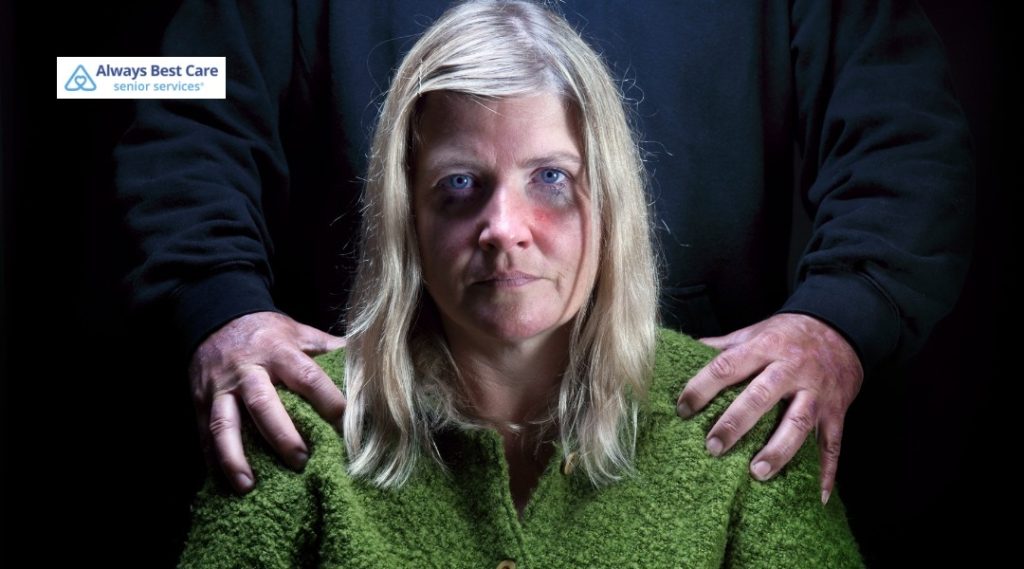
- Physical abuse – hitting, pushing, rough handling, or improper restraint
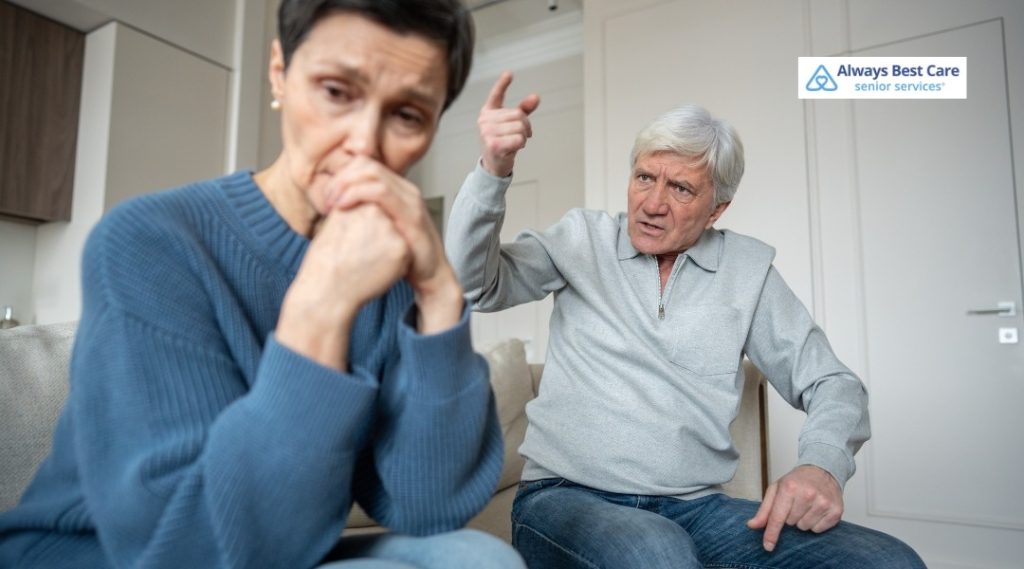
- Emotional abuse – yelling, threats, insults, humiliation, or intentional isolation
- Financial exploitation – misuse of money, pressure to sign documents, or theft
- Neglect – not providing food, hygiene, medications, or safe living conditions
- Abandonment – leaving a senior without needed care or supervision
Recognizing that abuse can take many shapes is the first big step in elder abuse prevention.
Warning Signs Families Should Watch For
Abuse doesn’t always announce itself. Sometimes, it whispers. Families in Framingham, MA, can watch for subtle shifts that hint that something isn’t right.
Possible red flags include:
- Unexplained bruises, cuts, burns, or frequent “accidents.”
- Sudden mood changes, anxiety, depression, or withdrawal from usual activities
- Poor hygiene, dirty clothing, or a home that’s increasingly cluttered or unsafe
- Unpaid bills, missing valuables, or unusual bank withdrawals
- A senior who seems nervous or fearful around certain people
- Changes in appetite, sleep, or communication for no clear reason
If the situation feels “off,” that gut feeling deserves attention, not a shrug.
Risk Factors That Raise Vulnerability
Some situations make seniors more likely to be targeted or harmed. Spotting these risk factors early gives families a chance to step in and shore up support.
Common risk factors include:
- Social isolation – limited visitors, few phone calls, or being cut off from friends
- Cognitive decline – memory loss, confusion, or dementia
- Physical limitations – needing help with bathing, dressing, or mobility
- Financial dependency – relying on others to manage money or access accounts
- Caregiver stress – exhaustion, frustration, or lack of help for the primary caregiver
When we understand what makes someone more vulnerable, we can start to close those gaps and strengthen safety around them.

Practical Steps Families Can Take to Prevent Elder Abuse
Preventing abuse isn’t about being suspicious of everyone; it’s about being engaged, informed, and present. Here are practical steps families in Framingham, MA can take:
- Stay actively involved in the seniors’ daily life and care
- Visit at varied times and pay attention to the home environment
- Call or video chat regularly and privately
- Keep an eye on bank accounts, bills, and important documents
- Encourage friendships, community programs, and social outings
- Share caregiving responsibilities to avoid burnout
- Ask open-ended questions, like: “How are things really going?”
Open communication builds trust, and trust makes it easier for a senior to speak up if something’s wrong.
How Professional In-Home Care in Framingham, MA Supports Elder Abuse Prevention
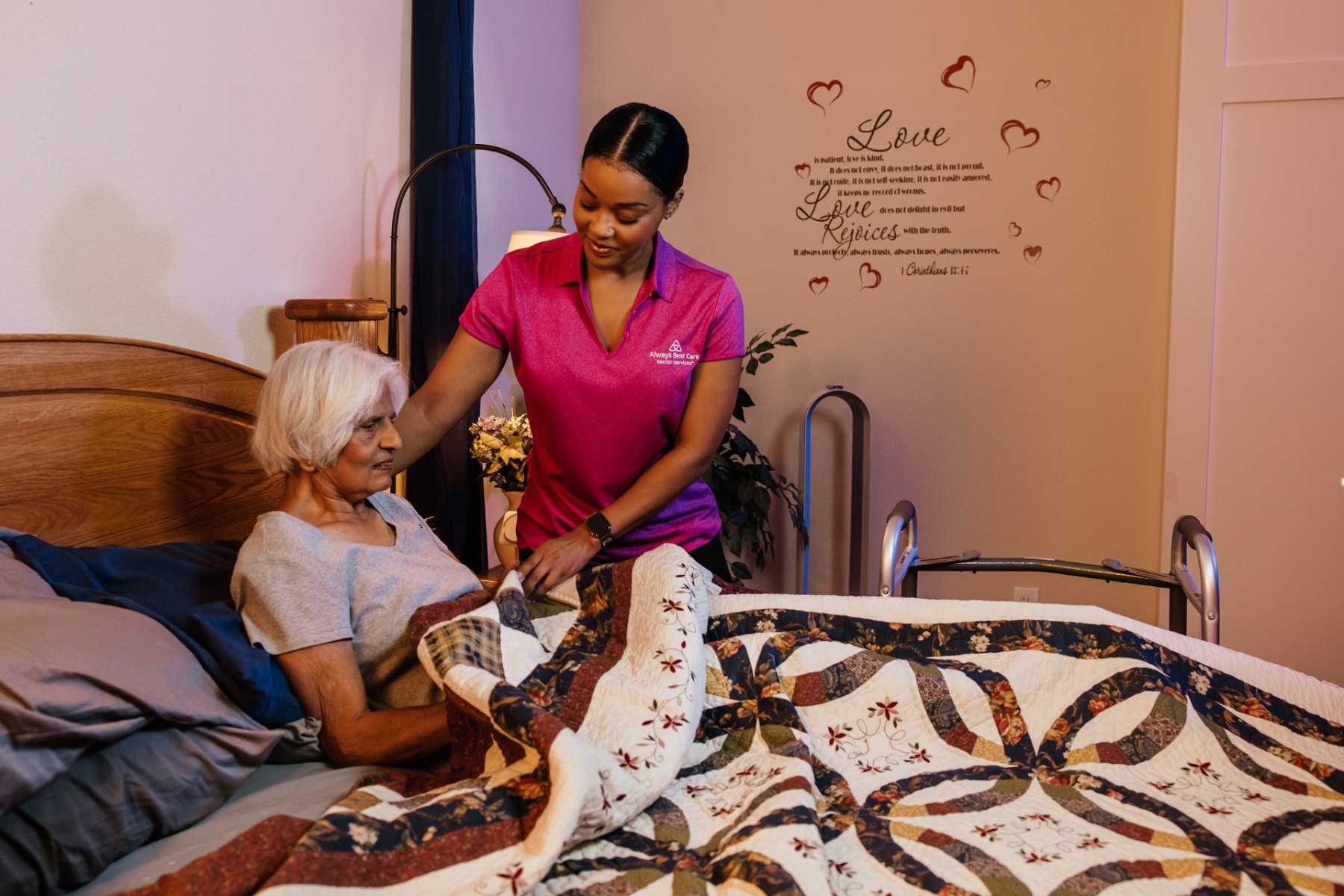
Professional in-home care can act as an extra set of eyes, ears, and hands. Consistent, compassionate caregivers help create a stable environment where seniors feel safe and respected.
At Always Best Care of Framingham, we:
- Carefully screen caregivers before they ever enter a client’s home
- Provide training focused on safety, respect, and dignity
- Encourage clear communication between caregivers, families, and healthcare professionals
- Pay attention to changes in mood, behavior, or physical condition and share concerns quickly
We work with families to build a care plan that supports independence while keeping safety front and center. In many cases, a stable in-home care routine can lower stress, reduce isolation, and make elder abuse prevention much more effective.
What Should You Do If You Suspect Elder Abuse?
It’s natural to worry about “overreacting,” but silence can do real harm. Acting sooner rather than later is key.
If you suspect abuse:
- Talk privately with your loved one in a calm, safe setting.
- Listen carefully and avoid blaming language.
- Document what you see – dates, photos (when appropriate), statements, and observations.
- Reach out to professionals, such as:
- Local adult protective services
- Healthcare providers familiar with the senior
- Law enforcement, if there’s immediate danger
You’re not “making trouble” by speaking up; you’re protecting someone who may not be able to protect themselves.
Creating a Safer Future for Seniors in Framingham, MA
A safer future for seniors doesn’t depend on one person; it rests on all of us. Families, neighbors, community organizations, and care providers share the responsibility to watch, listen, and act.
At Always Best Care of Framingham, MA, we’re committed to supporting families in this effort. We work closely with you to build confidence that your loved one is treated with kindness, patience, and respect at home. Together, we can push back against abuse and promote safe, respectful care throughout our community.

Frequently Asked Questions
Q: What is the most common form of elder abuse?
A: Emotional abuse and neglect are often reported as the most common forms, but many cases go unreported, so the real picture can be more complicated.
Q: How can I talk to my parent about possible abuse without upsetting them?
A: Choose a quiet, private moment, use a gentle tone, and ask open questions like, “How are things going with your caregiver?” or “Has anyone made you feel uncomfortable or unsafe?”
Q: Are minor bruises always a sign of abuse?
A: Not necessarily, falls and medical conditions can cause bruising. However, frequent, unexplained, or patterned bruises should be taken seriously and checked out.
Q: Can in-home care reduce the risk of elder abuse?
A: Yes, consistent, reliable in-home care can reduce isolation, ease caregiver stress, and provide another trusted person who can notice and report concerns early.
Q: How can Always Best Care of Framingham, MA help my family?
A: We provide carefully screened caregivers, personalized in-home care, and close communication with families so seniors can remain safe, comfortable, and respected in their own homes.
Coming Together to Protect Framingham’s Seniors
Elder abuse isn’t just a headline; it’s a real threat that can touch any family. Still, with awareness, early action, and a strong support system, families in Framingham, MA can protect their loved ones and promote a life filled with safety, respect, and genuine care.
If you’re looking for compassionate support you can trust, Always Best Care of Framingham is here to walk beside you. Call us at (508) 691-8756 to schedule a care consultation and learn how we can help your family promote safety, dignity, and peace of mind at home.
Link to the Markdown File version of the article