

Blood Sugar Changes in Older Adults: Warning Signs Families Should Know in Framingham, MA
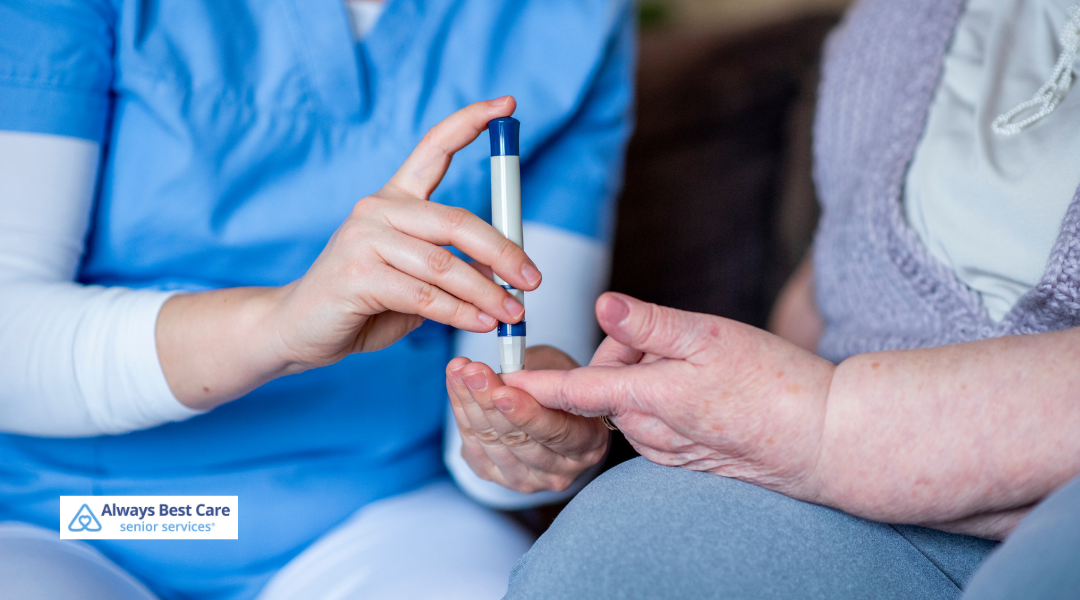
Blood sugar can turn on a dime for older adults, and that can catch families off guard. A parent who’s usually sharp and steady may suddenly seem shaky, tired, confused, or “just not themselves,” and that’s a sign worth checking out.
For families in Framingham, MA, knowing what to watch for can make everyday diabetes care feel less overwhelming. Changes in health, medications, appetite, memory, and routines can all affect blood sugar, but loving support and a watchful eye can help catch concerns early.
At Always Best Care of Framingham, MA, we understand that families do not have to manage every detail alone. We’re here to help support steady routines, safer days, and greater peace of mind for older adults living with diabetes at home.
What You Will Learn
- Why blood sugar can become more difficult to manage as adults grow older.
- How to recognize possible warning signs of low and high blood sugar in a loved one.
- Which simple daily routines can help support steadier diabetes care at home.
- When memory, mobility, or routine changes may mean a senior could benefit from extra support in Framingham.
Table of Contents
Why Blood Sugar Gets Tricky with Age
As people get older, diabetes can be harder to keep in line. A few things often pile up at once:
- Appetite changes
- Missed meals
- New medications
- Memory lapses
- Less movement
- Other health problems
Even a minor illness can throw off eating and drinking habits, and that can swing blood sugar higher or lower than expected. So, keeping a close eye on routine matters more than ever.

Warning Signs of Low Blood Sugar
Low blood sugar can come on fast, and it doesn’t always announce itself politely. Common signs include:
- Shaking or sweating
- Dizziness or weakness
- Hunger
- Headache
- Irritability or anxiety
- Trouble focusing
- Confusion
- Poor coordination
In older adults, these signs can look a lot like ordinary aging, but sudden confusion or unusual behavior shouldn’t be brushed aside. Severe low blood sugar can lead to a seizure or loss of consciousness, and that’s an emergency.
Warning Signs of High Blood Sugar
High blood sugar often creeps up slowly, which makes it easy to miss. Watch for:
- More thirst than usual
- Frequent trips to the bathroom
- Blurry vision
- Fatigue
- Headache
- Unexplained weight loss
- Cuts or sores that heal slowly
If blood sugar stays high for too long, it can damage the eyes, kidneys, nerves, heart, and blood vessels. And if there’s severe confusion, trouble breathing, extreme weakness, or fainting, emergency help is needed right away.

Spotting Changes from the Usual Routine
Families don’t need a medical degree to notice trouble. Knowing what’s normal for your loved one can make all the difference.
Maybe your dad starts drinking water nonstop. Maybe your mom seems unusually sleepy, wobbly, or forgetful. Maybe a loved one who’s normally chatty goes quiet and seems off. Those changes matter.
If your loved one has diabetes, ask the healthcare provider:
- What blood sugar range is the goal?
- How often should glucose be checked?
- Which symptoms mean the doctor should be called?
- What counts as an emergency?
Simple Routines That Help Keep Blood Sugar Steady
A steady routine can go a long way. Depending on the care plan, these habits may help:
- Eat meals and snacks at regular times
- Take medicine exactly as directed
- Check blood sugar as instructed
- Drink enough water
- Move around safely and regularly
- Keep medical appointments
It also helps to share a full list of medicines and supplements with the doctor, since some can affect diabetes care in ways that aren’t obvious at first glance.

When Memory or Mobility Gets in the Way in Framingham, MA
Managing diabetes takes memory, timing, and energy. That can get tough fast if a senior has:
- Memory problems
- Arthritis
- Vision changes
- Tremors
- Trouble walking or reaching
Those hurdles can make it hard to test blood sugar, cook balanced meals, or get to appointments. In cases like that, extra help at home may be a smart next step.
How Always Best Care of Framingham, MA Can Help
At Always Best Care of Framingham, MA, we know diabetes care is about more than numbers on a meter. It’s about helping your loved one stay safe, steady, and comfortable day after day.
We can help with:
- Meal prep
- Medication reminders
- Hydration prompts
- Safe activity encouragement
- Rides to appointments
- Noticing changes that should be shared with family or a healthcare provider
For seniors who qualify for home health services, trained professionals can provide extra support based on the doctor’s plan.
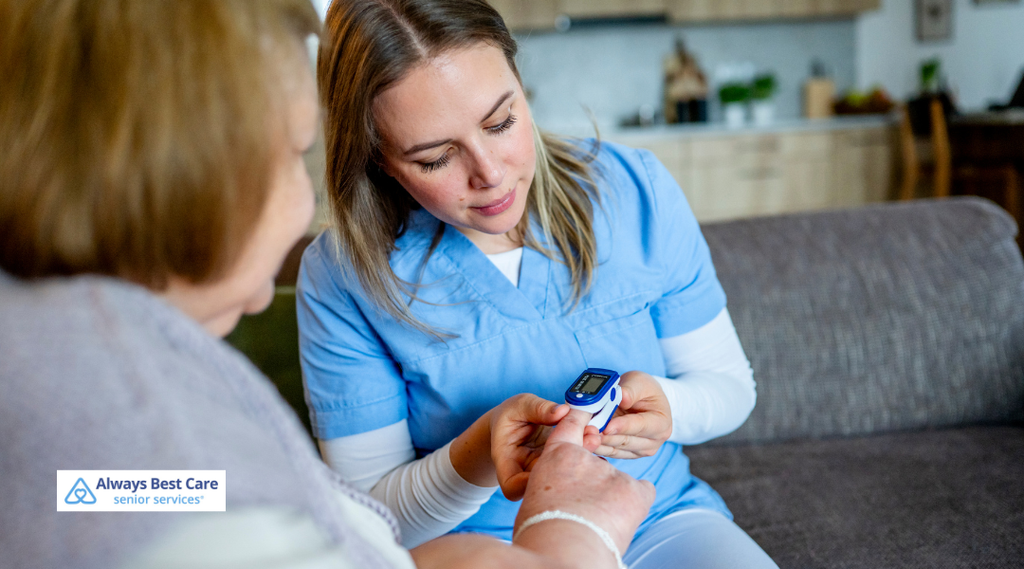
Frequently Asked Questions
Q: What’s the biggest danger with low blood sugar?
A: Low blood sugar can lead to confusion, falls, seizures, or passing out if it gets severe.
Q: Why is high blood sugar harder to spot?
A: It usually builds slowly, so the signs can look like tiredness or normal aging at first.
Q: What should families watch for first?
A: Sudden changes in energy, mood, walking, thirst, bathroom use, or alertness deserve attention.
Q: Can home support really help with diabetes?
A: Yes. Help with meals, reminders, routines, and appointments can make daily care much easier.
Steadier Routines, Safer Days
Blood sugar can change quickly in older adults, and families in Framingham, MA can play a big role in catching trouble early. By watching for changes, keeping routines steady, and getting help when needed, we can help our loved ones stay safer and more independent.
At Always Best Care of Framingham, we’re here to offer compassionate day-to-day assistance that makes diabetes care feel more manageable for the whole family. Reach out at (508) 691-8756 today to schedule a care consultation and learn how our caregivers can help your loved one build safer routines, maintain independence, and enjoy a better quality of life at home.
Link to the Markdown File version of the article