

Creating a Dementia-Friendly Home in Framingham: Simple Changes That Make a Big Difference
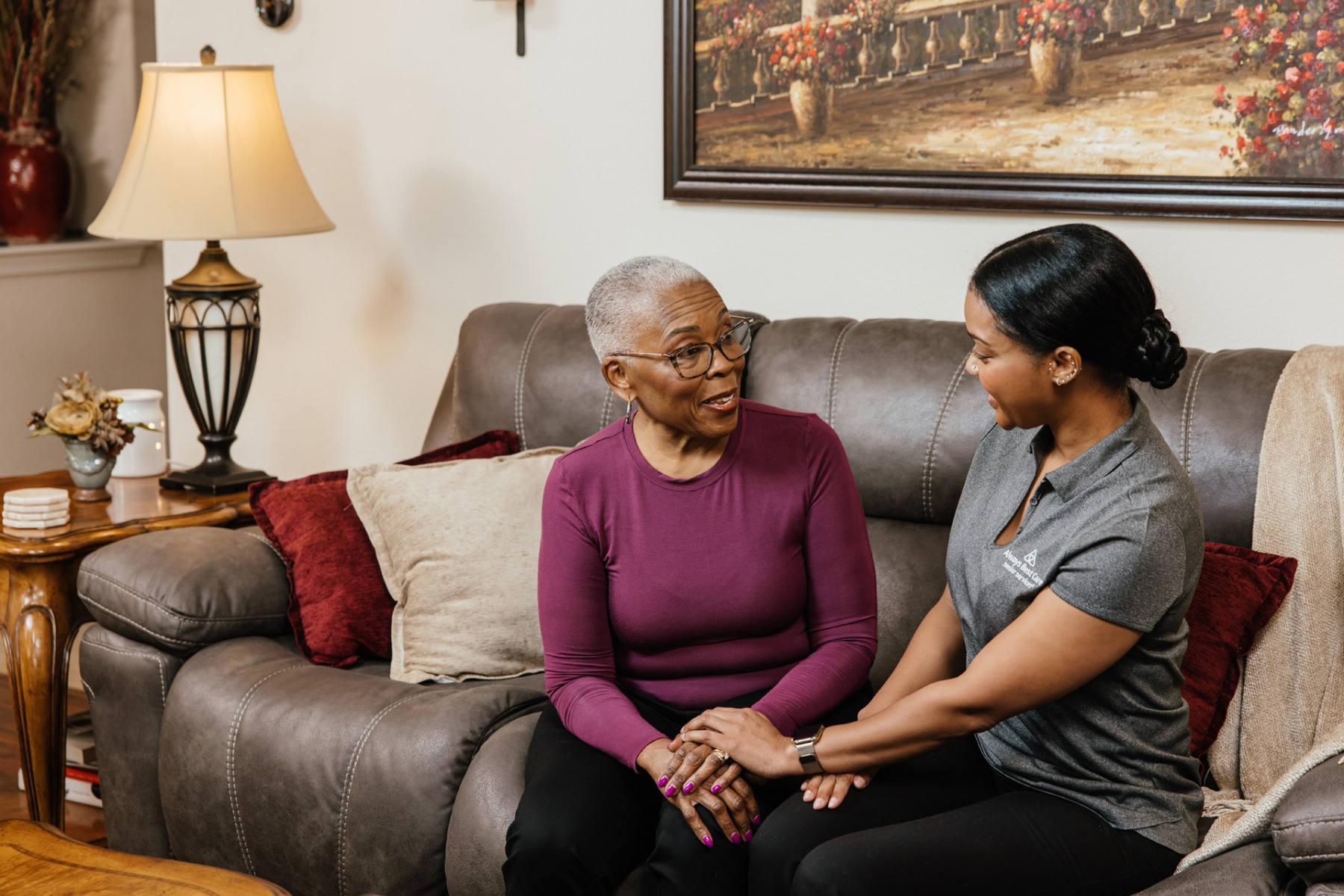
At home, everything should feel familiar. The chair by the window, the rhythm of the day, the quiet comfort of knowing where things belong. But with dementia, even the most familiar spaces can start to feel confusing.
That’s where thoughtful changes come in. Creating a safe, supportive environment doesn’t require a full renovation. In fact, the smallest adjustments often carry the biggest impact. This guide to Creating a Dementia-Friendly Home in Framingham: Simple Changes That Make a Big Difference is here to help you shape a space that feels calmer, safer, and easier to navigate, day in and day out.
What you will learn:
- How creating a dementia-friendly home in Framingham can improve safety, comfort, and daily routines.
- Simple ways to adjust different areas of the home to reduce confusion and support independence.
- How to create a calm, familiar environment that eases stress and supports emotional well-being.
- When it may be time to adapt further or seek additional in-home support for your loved one.
Table of Contents
Understanding Why the Home Environment Matters
Dementia affects more than memory. It can shift how a person sees, processes, and responds to the world around them. Shadows may look like obstacles. Clutter can feel overwhelming. Even a once-familiar layout might suddenly seem unfamiliar.
Because of this, the home environment plays a quiet but powerful role in daily life. A well-adjusted space can reduce anxiety, prevent accidents, and support a sense of independence for longer than you might expect.

Creating a Dementia-Friendly Home in Framingham Starts with Simplicity
Sometimes, less really is more. A simplified environment helps reduce confusion and makes everyday tasks feel more manageable.
Clear pathways, consistent layouts, and easy-to-find essentials can make a noticeable difference. Keeping commonly used items in the same place builds a sense of predictability, which can be incredibly reassuring.
Lighting also deserves attention. Soft, even lighting helps reduce shadows that may cause hesitation or fear. During the evening hours, a gentle glow instead of harsh brightness can ease the transition into nighttime.
Making Everyday Spaces Safer and Easier
Each room tells its own story, and with a few thoughtful tweaks, that story becomes easier to follow.
In living areas, reducing clutter can instantly make the space feel calmer and more navigable. Furniture arranged with clear walking paths helps prevent falls and confusion. In the kitchen, small adjustments like organizing cabinets or removing rarely used appliances can reduce frustration.
Bathrooms, often overlooked, benefit greatly from simple safety additions. Grab bars, non-slip mats, and clear visibility of essential items can turn a potentially stressful space into one that feels secure and manageable.
In the bedroom, familiarity matters most. Keeping personal items nearby, maintaining a consistent layout, and using soft lighting can help create a sense of ease, especially during nighttime wake-ups.

Creating a Calm and Supportive Atmosphere
Beyond physical changes, the emotional feel of a home matters just as much. A calm environment can help reduce agitation and bring a sense of steadiness to the day.
Noise plays a role here. Background sounds like television or radio can be comforting in moderation, but too much noise can quickly become overwhelming. Finding that balance takes a bit of trial and error.
Routine, too, becomes a quiet anchor. Regular mealtimes, familiar activities, and predictable rhythms help create a sense of structure. Even simple moments, folding laundry together or listening to a favorite song, can bring comfort and connection.
Adapting as Needs Change
Dementia doesn’t stand still, and neither should the home. What works today may need adjusting tomorrow, and that’s okay.
Being flexible allows you to respond to new challenges without feeling caught off guard. Sometimes it’s as simple as moving items within easier reach or adjusting lighting as vision changes. Other times, it may mean bringing in extra support to maintain safety and comfort.
For many families, this is where local care services become part of the picture. Having professional guidance can ease the transition and help ensure that your loved one continues to feel secure at home.

Creating a Dementia-Friendly Home in Framingham for Daily Living
Day by day, these small changes begin to add up. A clearer path here, a softer light there, it all works together to create a space that feels less confusing and more supportive.
For families in Framingham, the goal isn’t perfection. It’s creating a home that meets your loved one where they are, offering comfort, familiarity, and a sense of belonging even as things change.
Frequently Asked Questions
Q: What makes a home dementia-friendly?
A: A dementia-friendly home is designed to reduce confusion and improve safety through simple layouts, good lighting, and familiar surroundings.
Q: How can I make my home safer for someone with dementia?
A: Start by removing tripping hazards, improving lighting, and keeping frequently used items easy to find and access.
Q: Do I need to renovate my home for dementia care?
A: No, most changes are simple and affordable, such as rearranging furniture, adding safety features, and reducing clutter.
Q: When should I consider professional in-home care?
A: It may be time to seek help when daily tasks become difficult to manage or when safety becomes a concern.
Q: Can a familiar environment help someone with dementia?
A: Yes, familiar surroundings can reduce anxiety and help maintain a sense of independence and comfort.
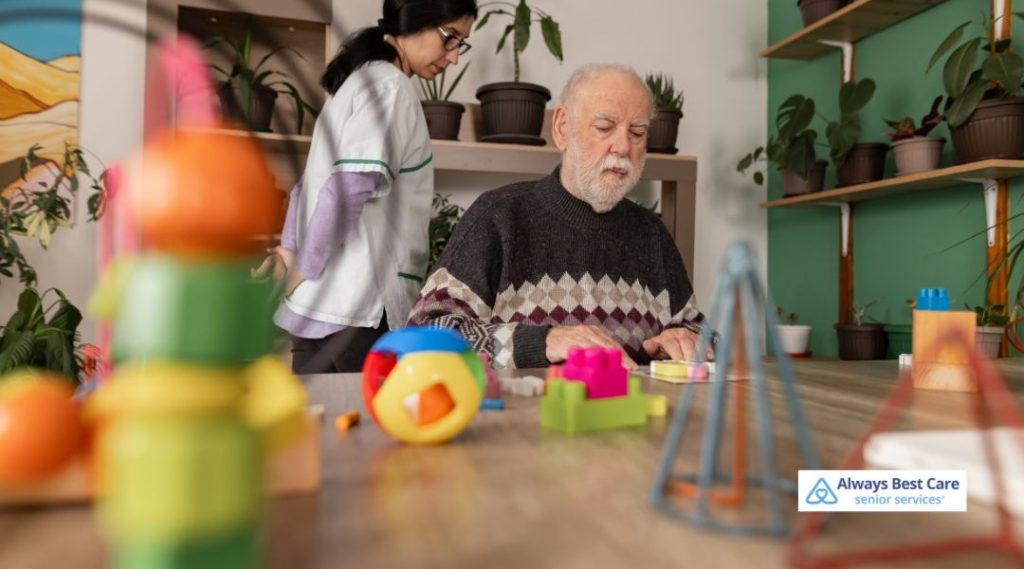
Creating Comfort, Safety, and Peace of Mind at Home
Creating a supportive space is one of the most meaningful ways to care for someone living with dementia. Through small, thoughtful changes, your home can continue to be a place of comfort, not confusion.
And if the journey starts to feel overwhelming, you don’t have to figure it out on your own. Always Best Care of Framingham is here to help you create a safer, more supportive home environment tailored to your family’s needs.
Reach out at (508) 691-8756 today to talk through your options and find the right level of care and guidance for your loved one. Sometimes, a simple conversation is all it takes to move forward with a little more confidence.
Link to the Markdown File version of the article