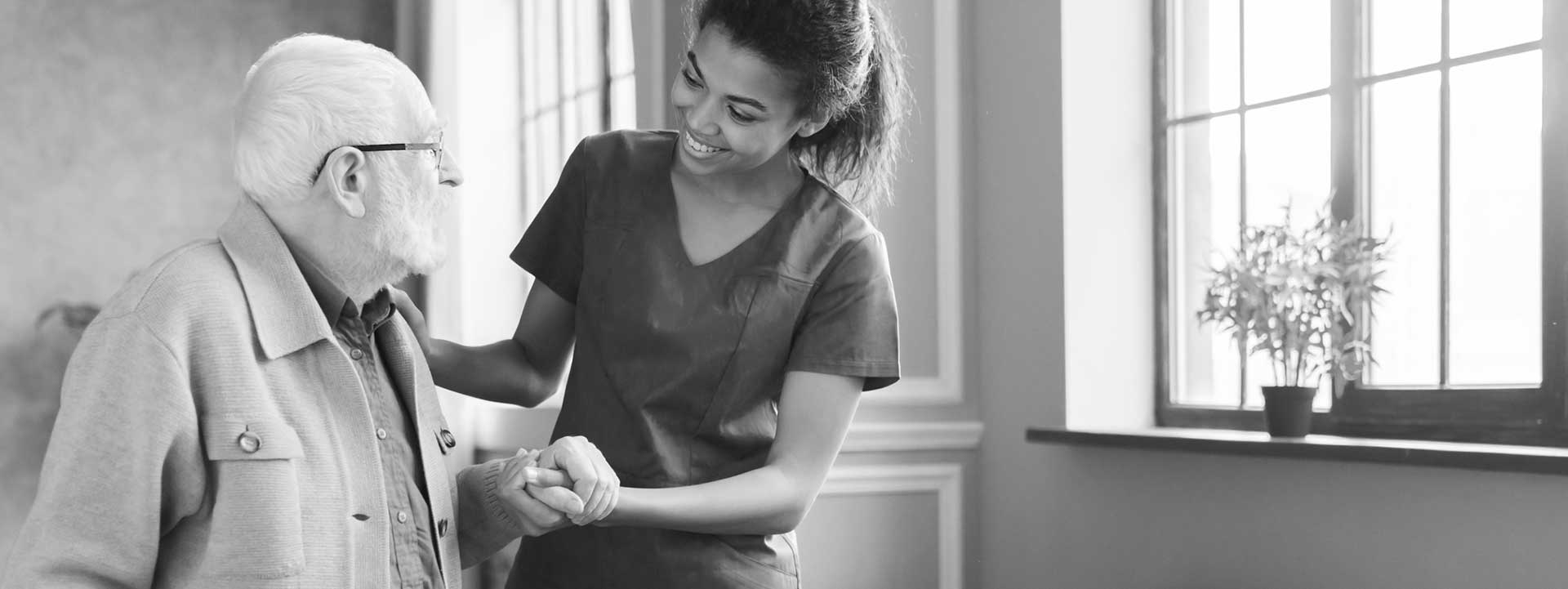
Brain Injury Awareness Month: Understanding, Supporting, and Empowering Recovery
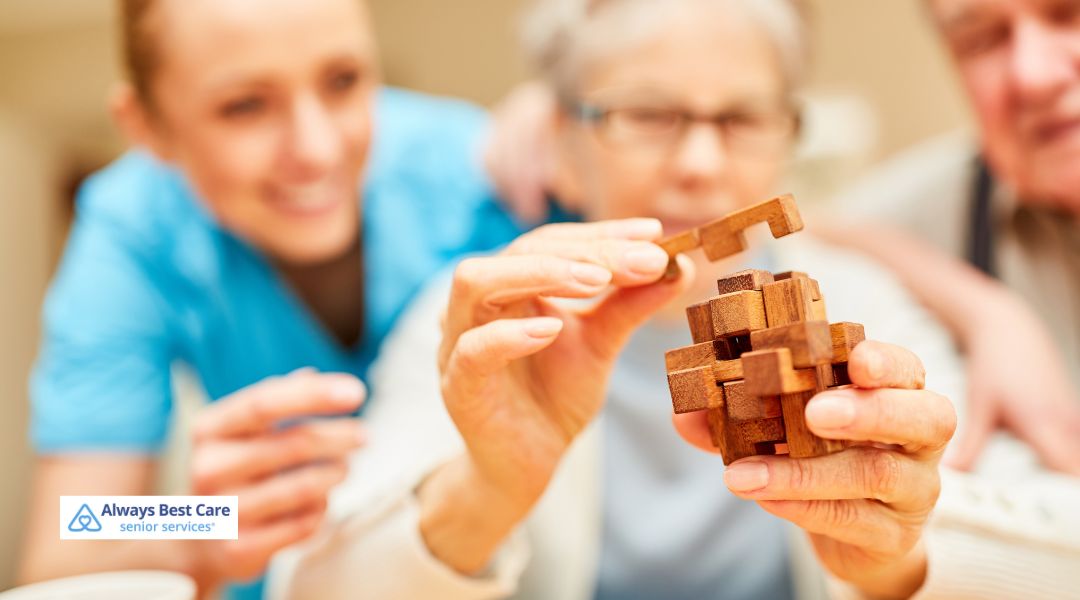
March isn’t just another month; it’s Brain Injury Awareness Month, a time dedicated to understanding the challenges faced by those living with brain injuries.
Every year, millions experience life-changing head injuries, yet awareness and support often lag behind.
By shining a light on their journey, communities like Framingham can help bridge that gap and promote healing through education, compassion, and care.
What you will learn:
- The different types and common causes of brain injury, along with early signs and symptoms to recognize.
- How brain injury recovery works through therapy, rehabilitation, and compassionate in-home care support.
- Ways families and caregivers can provide emotional and practical help during the healing process.
- Simple prevention tips and community involvement ideas for Brain Injury Awareness Month to promote safety and awareness with heart and purpose.
Understanding Brain Injury: Types and Common Causes
A brain injury happens when external force or internal conditions disrupt normal brain function. These injuries generally fall into two main categories:
- Traumatic Brain Injury (TBI): Usually caused by an external blow or jolt to the head, think falls, car crashes, or sports injuries.
- Acquired Brain Injury (ABI): Occurs from internal factors like strokes, tumors, or infections that affect brain tissue.
Whether mild or severe, brain injuries can shift someone’s world overnight. Falls remain a leading cause, especially among older adults, followed by accidents and medical emergencies such as stroke.
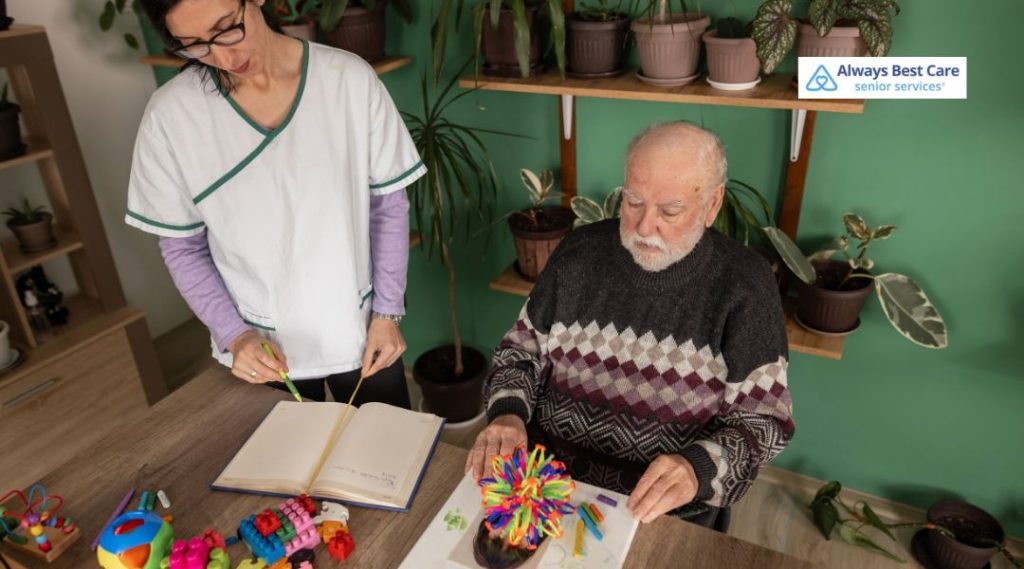
Recognizing the Signs and Symptoms
Brain injuries don’t always show up immediately; it’s not like flipping a switch. Symptoms can sneak up subtly or appear right away. Watch for warning signs such as:
- Persistent headaches or dizziness
- Sudden memory loss or confusion
- Changes in mood, sleep, or concentration
- Slurred speech or blurred vision
Ignoring early symptoms can delay recovery. Getting a prompt medical evaluation makes a world of difference in recovery outcomes.
The Road to Recovery: Rehabilitation and Support
Healing from a brain injury isn’t a one-step process; it’s a marathon, not a sprint. Recovery often includes therapy, rest, and care tailored to each person’s needs. Common approaches include:
- Physical therapy to rebuild strength and coordination.
- Speech therapy for communication challenges.
- Occupational therapy to regain daily living skills.
- In-home care to provide stability and reassurance during recovery.
Everyone’s path looks different, but consistent support and patience help make tough days easier and progress visible.
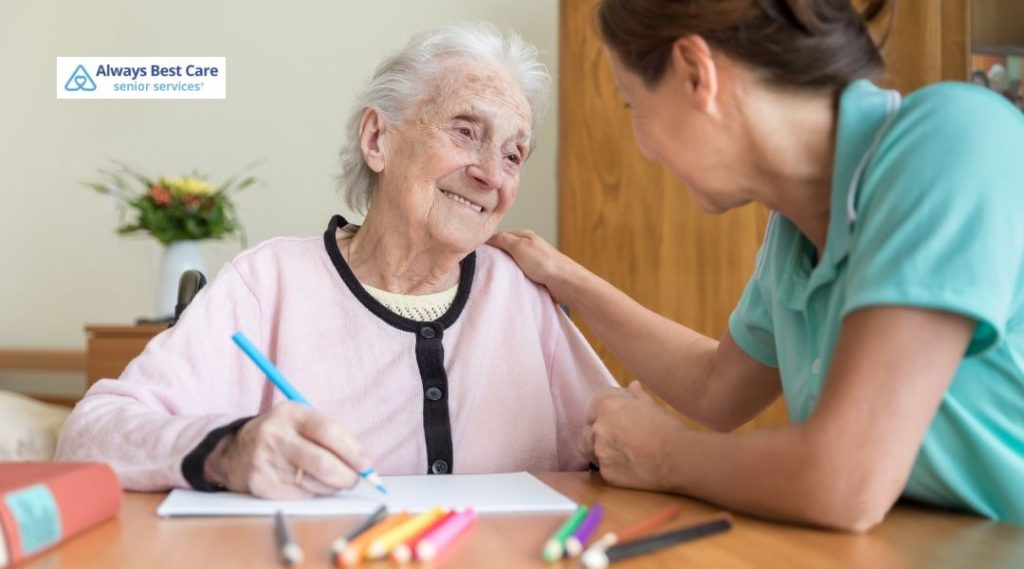
How Always Best Care Framingham Supports Brain Injury Recovery
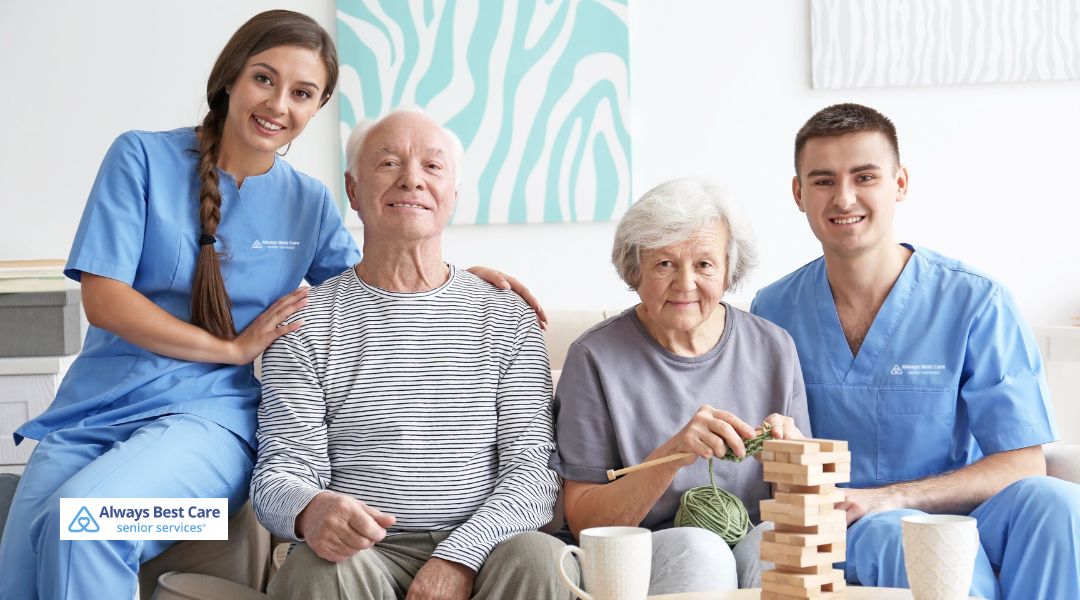
That’s where Always Best Care Framingham steps in. The team provides customized home care services designed to meet clients where they are, literally and emotionally.
Trained caregivers assist with personal care, mobility, and cognitive support, helping each person rebuild independence safely and comfortably.
Care doesn’t stop with clients; families also gain peace of mind knowing compassionate, professional caregivers are in place. Because healing happens best when everyone feels supported.
Supporting Families Through the Healing Journey
Family members are often the unsung heroes in brain injury recovery. The road can feel overwhelming, especially when balancing emotions, responsibilities, and hope.
Always Best Care caregivers offer more than hands-on help; they bring guidance, education, and a listening ear. Simple touches like daily check-ins, home safety tips, and routine structure help rebuild confidence for both clients and loved ones.
Prevention Tips: Protecting the Brain Every Day
While not all brain injuries are preventable, small precautions can make a huge difference. Here’s how to keep your head and mind safe:
- Wear a helmet during sports or cycling.
- Keep walkways clear to reduce fall hazards at home.
- Use assistive devices when necessary to prevent falls for seniors.
- Manage chronic health conditions like high blood pressure and diabetes.
- Buckle up every time you’re in a vehicle.
A little mindfulness goes a long way toward avoiding accidents and staying sharp.
Community Engagement: How to Get Involved This March
Brain Injury Awareness Month isn’t just for healthcare professionals; it’s for everyone. Want to make a difference? Try these ideas:
- Participate in local awareness walks or online events.
- Share educational materials on social media.
- Support brain injury organizations through donations or volunteering.
- Talk about brain health with family and friends; awareness starts with conversation.
Even small gestures help break stigma and build stronger, more informed communities.
Frequently Asked Questions
Q: What is Brain Injury Awareness Month about?
A: It’s a national campaign held every March to increase understanding, promote prevention, and support recovery for people affected by brain injuries.
Q: What are the most common causes of brain injuries?
A: The top causes include falls, motor vehicle accidents, sports impacts, and medical conditions like strokes.
Q: Can someone fully recover from a brain injury?
A: Recovery varies by person and injury severity. With proper care, therapy, and family support, many people regain significant function and independence.
Q: How can home care support brain injury recovery?
A: Home care provides consistent assistance with daily tasks, therapy routines, and emotional encouragement, all within the comfort and familiarity of home.
Q: How can I support Brain Injury Awareness Month locally?
A: Get involved by attending events, sharing educational posts, or connecting with local care agencies such as Always Best Care Framingham to spread awareness and offer support.
Building Awareness, Offering Hope
Brain Injury Awareness Month reminds us that recovery takes more than medical care; it takes patience, compassion, and understanding.
Always Best Care Framingham is proud to stand beside those on the path to healing, offering tailored in-home support that moves them closer to strength and hope every day.
Ready to learn more or explore personalized care options? Contact Always Best Care Framingham at (508) 691-8756 today and discover how compassionate care can make a lasting difference.
Link to the Markdown File version of the article