

Blood Pressure Basics: Helping Seniors Manage Hypertension at Home
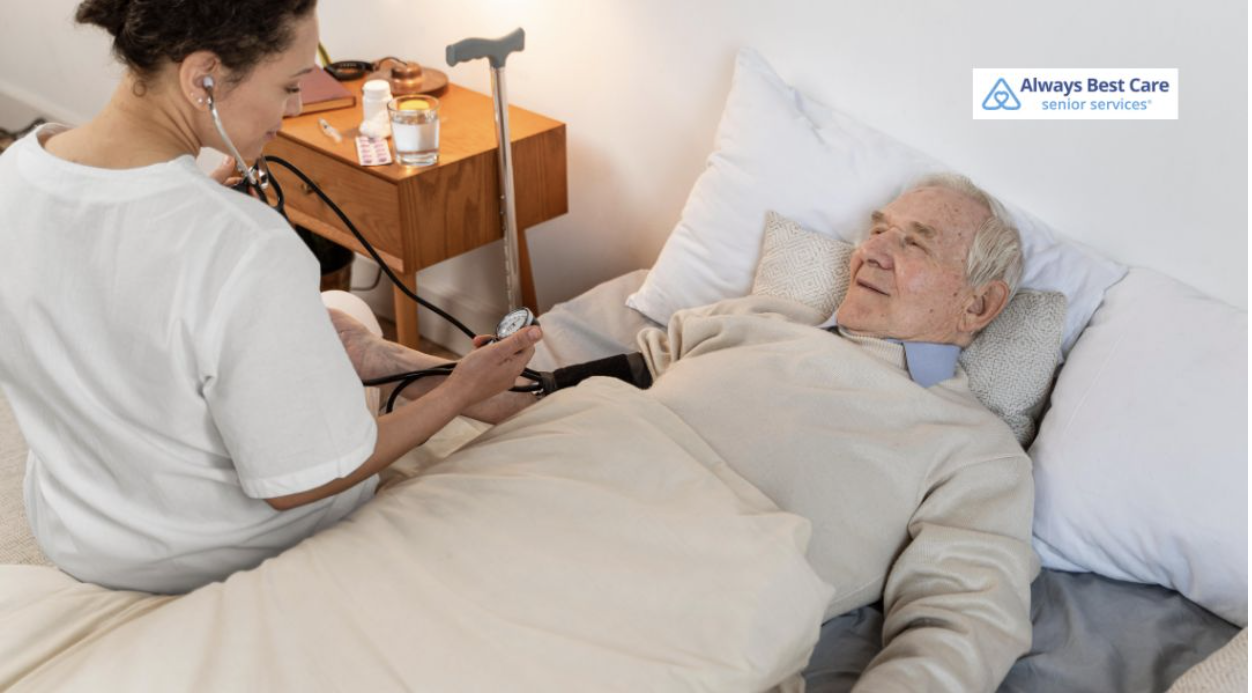
Blood pressure can be a sneaky little thing. One day, everything feels fine. Next, a reading is higher than expected, and suddenly the whole house is buzzing with worry.
If you’re helping an older parent in Framingham, that “What does this mean?” moment is common, and it can feel overwhelming fast.
Here’s the good news: Blood Pressure Basics: Helping Seniors Manage Hypertension at Home isn’t about perfection or scary medical talk. It’s about a steady plan, simple habits, safer routines, and a clear idea of what to do if numbers creep up.
Table of Contents
Blood Pressure Basics: Helping Seniors Manage Hypertension at Home Starts With the Numbers
Blood pressure readings come as two numbers, like 120/80.
What the two numbers mean
- The top number (systolic) is the pressure when the heart pumps.
- The bottom number (diastolic) is the pressure when the heart relaxes between beats.
Why high blood pressure can be “silent.”
Hypertension often doesn’t come with dramatic symptoms. No alarm bells. No flashing lights. Just quietly higher pressure over time, which is exactly why home tracking and routine check-ins matter.

Why Hypertension Is a Big Deal for Seniors
Alright, deep breath. This isn’t meant to scare anyone. It’s meant to keep families alert.
How it can affect the body
Long-term high blood pressure can strain blood vessels and organs. For older adults, this can increase the risk of heart and circulation problems, and it can sometimes tie into dizziness or unsteadiness that raises fall risk.
Why consistency beats intensity
A lot of families try to “fix it” in a week, new diet, big exercise plan, and strict rules. Then it fizzles. What works better? Small changes that actually stick. Slow and steady wins the race, as they say.
What Can Raise Blood Pressure at Home
Sometimes it’s obvious. Sometimes it’s hiding in plain sight.

Food and sodium habits
Salt tends to be the usual suspect, but it’s often the packaged stuff doing the damage, such as soups, deli meats, frozen meals, and snack foods. Even “healthy” items can be salty.
Quick, realistic swaps:
- Choose low-sodium versions of pantry staples when possible
- Rinse canned beans and veggies
- Flavor with herbs, lemon, garlic, or vinegar instead of extra salt
Stress, sleep, and routine changes
Poor sleep, anxiety, and a disrupted routine can nudge blood pressure upward. And goodness, life throws curveballs. A bad night, family stress, too much news, not enough downtime… it adds up.
Medications, supplements, and other health conditions
Some medications and supplements can affect blood pressure. So can dehydration, pain, and certain chronic conditions. If readings change suddenly after a med adjustment, don’t shrug it off; flag it for the doctor.

How to Check Blood Pressure the Right Way at Home
Home readings can be super helpful… as long as they’re done the same way each time.
Choosing a monitor that’s easier and more accurate
An upper-arm cuff is usually the best bet for accuracy. Wrist cuffs can be trickier because positioning matters a lot.
How to take a consistent reading
Here’s a simple routine that keeps things clean and comparable:
- Sit quietly for 5 minutes before measuring.
- Keep feet flat on the floor and back supported.
- Rest the arm at heart level.
- Take two readings a minute apart and write both down.
What to track and when to call the doctor
Track:
- Date and time
- Readings (both numbers)
- Notes like “poor sleep,” “headache,” “missed meds,” or “felt stressed.”
Call the doctor if:
- Readings are repeatedly higher than the care plan target
- There’s a noticeable jump from usual numbers that sticks around
- Side effects show up after medication changes

Everyday Habits That Help Lower Blood Pressure
This part is where progress is made, little by little.
Simple meal and hydration habits
A steady rhythm helps: regular meals, enough water, and fewer “grab-and-go” salty options.
Helpful habits that don’t feel like a punishment:
- Build plates around lean protein, fiber, and colorful produce
- Keep easy snacks ready (yogurt, fruit, unsalted nuts, hummus)
- Sip water throughout the day, especially in dry winter air
Gentle movement that’s realistic for seniors
You don’t need a gym membership or a heroic workout plan. Even a few minutes of movement can help support circulation and overall wellness.
Ideas:
- Short walks down the hallway or around the block
- Chair stretches while watching a favorite show
- Light balance practice near a sturdy counter
Calming routines for better sleep and steadier readings
Sleep and stress are tied to blood pressure more than people think. Try:
- A consistent bedtime and wake time
- Limiting caffeine later in the day
- A wind-down routine: soft music, breathing, prayer, or a warm shower

Safety and “When to Get Help”
This is the “trust your gut” section.
Warning signs families shouldn’t ignore
If your loved one has chest pain, severe shortness of breath, sudden weakness, confusion, trouble speaking, or a severe headache that feels unusual, treat it as urgent and seek emergency help. Better to be safe than sorry.
What to do with a high reading
Don’t panic. Recheck after a few minutes of calm sitting. If it stays very high or symptoms are present, follow the care team’s guidance or seek urgent care.
Plan ahead for peace of mind
Keep a simple “health info” sheet handy:
- Medication list and doses
- Doctor’s phone numbers
- Allergies
- Recent readings log
How Always Best Care of Framingham Can Help
Here’s the truth: managing blood pressure at home is easier when someone’s there to keep the day on track.
Always Best Care of Framingham can support seniors with:
- Routine support and gentle reminders for readings and hydration
- Meal help that keeps sodium in check without killing the joy of eating
- Transportation to appointments and pharmacy pickups
- Companionship that reduces isolation and stress
- Extra eyes on changes that families might miss when they’re juggling work and life
And hey, sometimes the biggest help is simply knowing your loved one isn’t doing it all alone.
Frequently Asked Questions
Q: What is hypertension?
A: Hypertension is persistently high blood pressure over time. A doctor diagnoses it based on repeated readings and the overall health history.
Q: How often should seniors check their blood pressure at home?
A: Many seniors do well checking at consistent times a few days per week, but the best schedule depends on the care plan set by the doctor.
Q: What is the best time of day to take a blood pressure reading?
A: A consistent time is the key. Many people check in the morning before a busy day begins, and sometimes again later if the provider recommends it.
Q: What should I do if the reading is higher than normal?
A: Sit calmly and recheck after a few minutes. If readings remain high or symptoms appear, contact the doctor or seek urgent medical help based on severity.
Q: Can stress and poor sleep raise blood pressure?
A: Yes. Stress and sleep disruption can cause short-term spikes and may make long-term management harder.
Q: Can a caregiver help with blood pressure routines?
A: Absolutely. Caregivers can support consistent readings, help track results, and encourage steady daily habits that support healthier numbers.
A Steady, Doable Plan for Healthier Days at Home
Blood pressure management doesn’t have to feel like a full-time job. With a reliable routine, accurate home readings, and a few everyday tweaks, families can make real progress without turning life upside down.
And if you want backup, Blood Pressure Basics: Helping Seniors Manage Hypertension at Home becomes a whole lot easier with supportive care in the picture.
Always Best Care of Framingham is here to help seniors stay safe, steady, and comfortable right where they want to be: at home. Call Always Best Care of Framingham at (508) 691-8756 today to schedule a free care consultation and get the right support in place.
Link to Markdown file version of the article