

Stroke Prevention Tips for Seniors in Framingham: Protecting Brain Health Through Healthy Habits
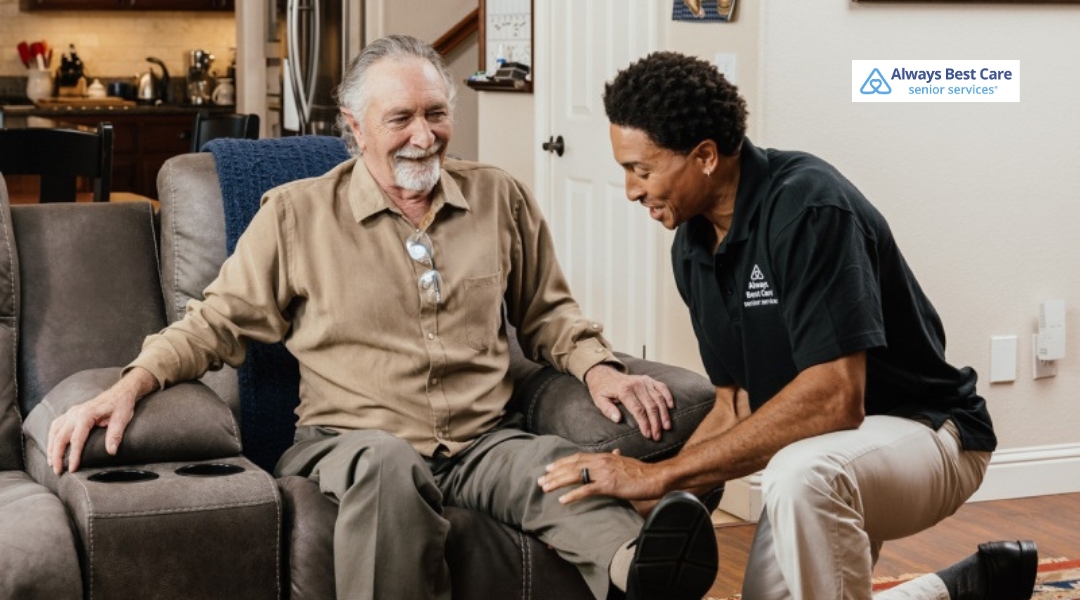
Every 40 seconds, someone in the United States has a stroke. For older adults, the consequences can be severe, affecting movement, speech, cognition, and the ability to live independently. Yet up to 80% of strokes are preventable. With the right daily habits and proper medical management, seniors can take meaningful control of their brain health.
This guide outlines practical, evidence-backed strategies that seniors and their families can start using today.
What you will learn:
- Why stroke risk increases with age, and how conditions like high blood pressure, diabetes, high cholesterol, and AFib affect brain health for seniors in Framingham.
- The everyday healthy habits that best support brain and heart health include movement, brain-nourishing nutrition, hydration, and steady control of blood pressure and blood sugar.
- How kind, consistent support from family and caregivers helps seniors follow prevention routines, notice warning signs early, and stay independent and confident at home.
Table of Contents
Why Stroke Risk Rises with Age
Aging naturally affects the cardiovascular system. Blood vessels become less flexible, blood pressure tends to rise, and the heart may develop conditions that increase the risk of clotting. Add in decades of dietary habits, physical activity levels, and chronic conditions like diabetes or high cholesterol, and the risk compounds quickly.
Understanding your personal risk factors is the first step toward prevention. A conversation with your doctor about your cardiovascular health can reveal where to focus your efforts.
Control Blood Pressure: Your Most Powerful Tool
High blood pressure is the single largest modifiable risk factor for stroke. When arterial pressure remains elevated, it gradually weakens blood vessel walls, making a rupture or blockage far more likely.
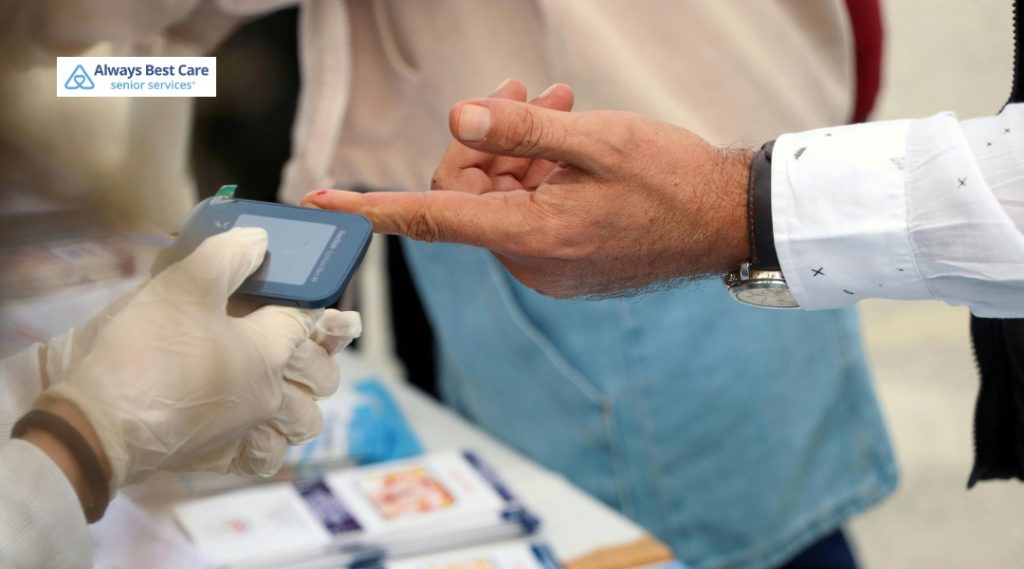
The challenge is that high blood pressure rarely causes noticeable symptoms, which is why it’s often called the “silent killer.” Regular monitoring at home and during medical visits is essential.
Practical steps to manage blood pressure:
- Take prescribed medications consistently, even when you feel fine
- Reduce sodium by cooking at home and reading food labels
- Limit alcohol consumption
- Manage stress through relaxation techniques, social connection, or light exercise
- Maintain a healthy weight
Small, consistent changes in these areas can produce measurable improvements in blood pressure over time.
Keep Blood Sugar in Check
Diabetes significantly raises stroke risk. Elevated blood sugar damages the inner lining of blood vessels, accelerating the buildup of plaque and reducing circulation to the brain. Seniors with poorly controlled diabetes are two to four times more likely to experience a stroke than those without the condition.
Key habits for blood sugar management:
- Monitor glucose levels as recommended by your healthcare provider
- Follow a meal plan that limits refined sugars and processed carbohydrates
- Stay physically active, as exercise improves insulin sensitivity
- Take medications or insulin as prescribed without skipping doses
Even modest improvements in blood sugar control can significantly reduce stroke risk over time.
Address Cholesterol Before It Becomes a Problem
Cholesterol itself isn’t harmful, but when LDL (“bad”) cholesterol builds up in the arteries, it forms plaque that narrows blood vessels and restricts blood flow to the brain. A clot forming in or near this plaque can trigger a stroke.
To support healthy cholesterol levels:
- Prioritize fiber-rich foods: oats, beans, lentils, fruits, and vegetables
- Replace saturated fats (butter, red meat) with healthier options like olive oil, avocado, and fatty fish
- Follow any prescribed statin or cholesterol-lowering medication regimen
- Get cholesterol levels checked at least annually
Diet and medication together are often more effective than either approach alone.
Move More: Even a Little Goes a Long Way
Regular physical activity strengthens the heart, improves circulation, helps manage weight, and lowers both blood pressure and blood sugar. It also supports mental health, which plays an underappreciated role in overall cardiovascular wellness.
Seniors don’t need to run marathons to benefit. The goal is consistent, moderate movement that fits comfortably into daily life.
Senior-friendly activities that support stroke prevention:
- 30-minute walks, five days a week
- Chair yoga or gentle stretching
- Swimming or water aerobics
- Tai chi, which also improves balance and reduces fall risk
- Light gardening or household activity
If you’re new to exercise or managing a chronic condition, consult your doctor before starting a new routine.
Eat for Your Brain, Not Just Your Waistline
A heart-healthy diet is also a brain-healthy diet. The foods you choose daily either support or strain your cardiovascular system, and the effects accumulate over the years.
A stroke-prevention diet emphasizes:
- Colorful fruits and vegetables at every meal
- Whole grains over refined carbohydrates
- Lean proteins: fish (especially fatty fish like salmon), poultry, legumes
- Healthy fats: olive oil, nuts, seeds, avocado
- Minimal processed foods, added sugars, and sodium
Staying well-hydrated is also important. Dehydration thickens the blood, which can increase the risk of clotting. Aim for consistent water intake throughout the day.
Don’t Overlook Atrial Fibrillation
Atrial fibrillation (AFib), an irregular heart rhythm, is a significant and often overlooked stroke risk factor in older adults. AFib causes blood to pool in the heart, where it can form clots that travel to the brain.
Many people with AFib have no obvious symptoms. If you experience occasional heart palpitations, shortness of breath, or unexplained fatigue, mention it to your doctor. AFib is manageable with medication and lifestyle adjustments, and treating it can dramatically reduce stroke risk.
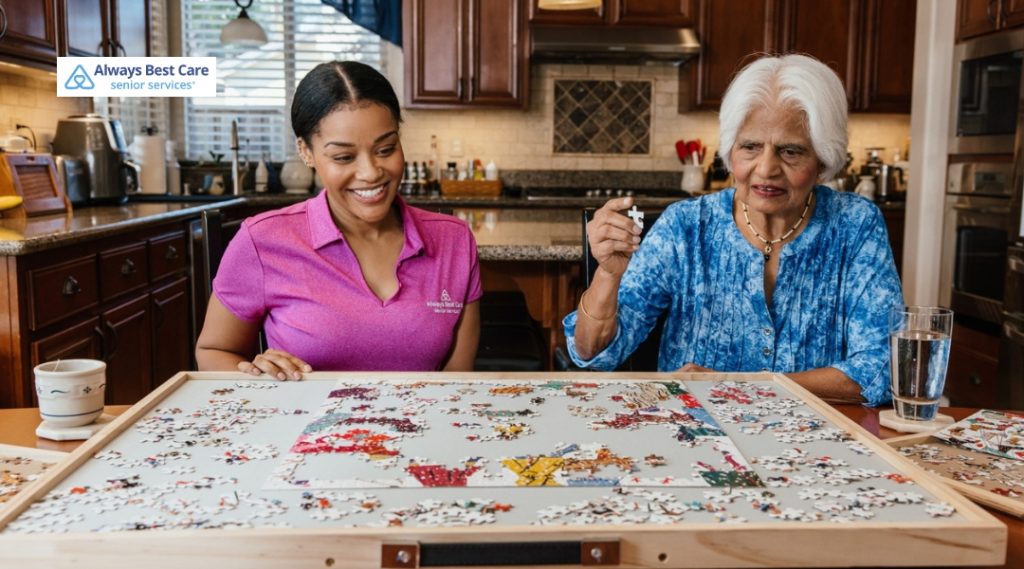
The Value of Consistent Caregiver Support
For seniors managing multiple health conditions, maintaining all of these habits independently can be genuinely difficult. A missed medication, an unbalanced meal, or a stretch of inactivity can quietly erode the progress made in other areas.
Caregivers play a critical role in bridging these gaps. Having consistent, reliable support at home helps seniors stay on track with the routines that protect their health.
Ways caregivers support stroke prevention:
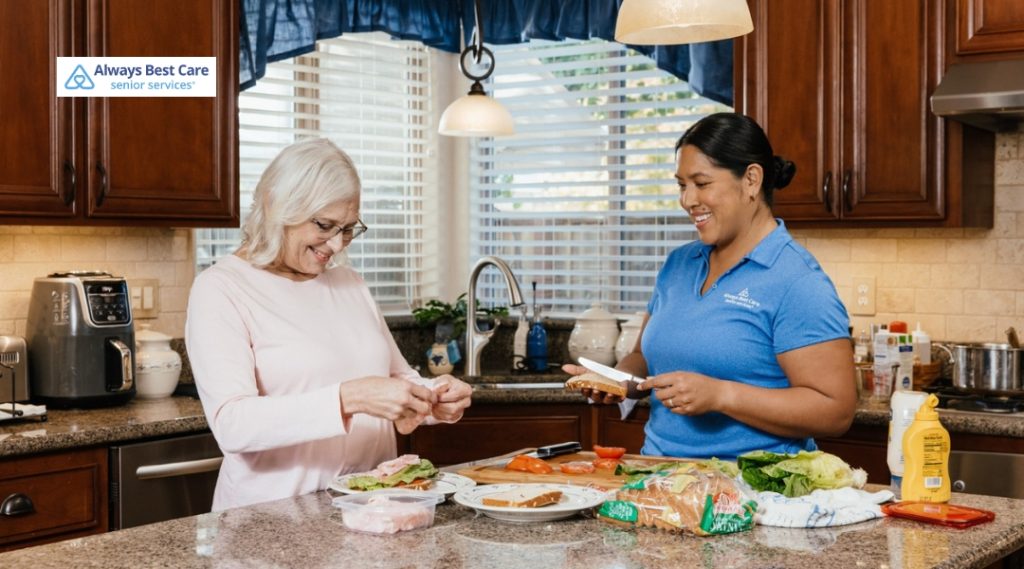
- Preparing nutritious meals tailored to dietary needs
- Accompanying seniors on daily walks or activities
- Tracking medications and appointment schedules
- Noticing early warning signs and communicating with healthcare providers
- Providing companionship that reduces isolation and stress
This kind of day-to-day support isn’t just practical, it’s protective.
Frequently Asked Questions
Q: What are the early warning signs of a stroke?
A: Use the FAST acronym: Face drooping, Arm weakness, Speech difficulty, Time to call 911. Other signs include sudden vision changes, severe headache, or loss of balance. If any of these occur, seek emergency care immediately.
Q: At what age does stroke risk increase significantly?
A: Stroke risk roughly doubles every decade after age 55. However, lifestyle factors can either accelerate or significantly reduce that risk at any age.
Q: Can stroke be prevented if it runs in my family?
A: A family history of stroke does increase risk, but it doesn’t make stroke inevitable. Managing controllable risk factors, such as blood pressure, cholesterol, diabetes, diet, and exercise, can substantially offset genetic predisposition.
Q: How often should seniors have cardiovascular health screenings?
A: Most guidelines recommend annual blood pressure checks, cholesterol panels every one to two years (or more frequently if levels are elevated), and regular blood sugar monitoring for those with diabetes or prediabetes. Your doctor can tailor a screening schedule to your specific situation.
Q: Is it safe for seniors with chronic conditions to exercise?
A: In most cases, yes, and it’s often strongly encouraged. The key is choosing appropriate activities and starting gradually. Always consult your healthcare provider before beginning a new exercise routine, especially if you have heart disease, diabetes, or mobility limitations.
Protecting brain health with steady, heart-smart habits
At Always Best Care of Framingham, our caregivers help seniors build and maintain the daily routines that support long-term health and independence. From meal preparation and medication reminders to companionship and mobility support, we’re here to help.
Call Always Best Care of Framingham today at (508) 691-8756 to schedule a free care consultation and learn how we can support your loved one’s health and well-being.
Link to the Markdown File version of the article