
How Skilled Nursing in Always Best Care Spring Supports ALS Patients With Mobility, Breathing, and Daily Care

ALS can turn everyday tasks into uphill battles, slowly affecting movement, breathing, and even the smallest daily routines. Families often feel caught between wanting to do everything and realizing they simply can’t do it alone.
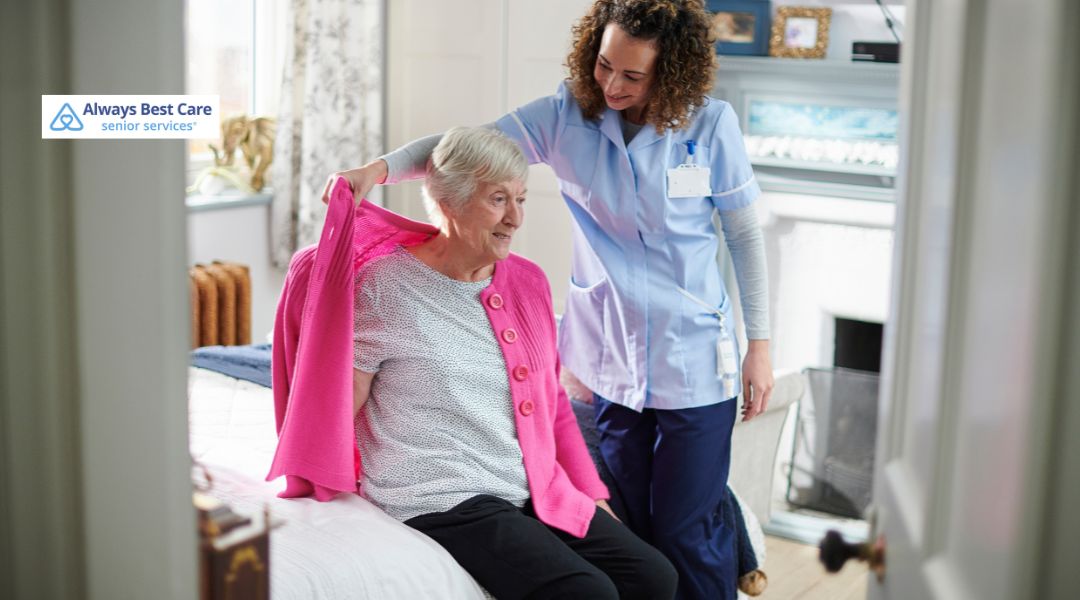
That’s exactly where How Skilled Nursing in Always Best Care Spring Supports ALS Patients With Mobility, Breathing, and Daily Care becomes so important. With clinical expertise wrapped in genuine compassion, skilled nurses help ALS patients stay safer, more comfortable, and as independent as possible, right where life is happening.
What you will learn:
- How skilled nursing in Always Best Spring Care supports ALS patients with mobility, safety, and daily personal care.
- How nurses help manage breathing, respiratory equipment, and symptom relief for ALS.
- How personalized care plans, home adaptations, and clinical tools work together to keep ALS patients comfortable at home.
- How skilled nurses guide, uplift, and educate caregivers so families feel supported and less overwhelmed.
Table of Contents
Understanding ALS and Its Challenges
ALS, or amyotrophic lateral sclerosis, affects the nerve cells that control voluntary muscles, so over time, simple actions like walking, lifting a fork, or taking a deep breath become harder. Muscles weaken, speech may change, and breathing can feel more effortful.
On top of the physical effects, there’s the emotional roller coaster: fear, frustration, grief, and sometimes guilt. Caregivers juggle appointments, equipment, and constant worry, often feeling like they’re running a marathon without a finish line in sight. Skilled nursing steps in to steady that whirlwind and bring structure, knowledge, and calm support.

What Skilled Nursing in Always Best Spring Provides
Skilled nursing in Always Best Spring means licensed nurses coming in with medical know‑how and a heart for service. They assess health changes, carry out physician-directed treatments, and keep an eye on subtle shifts that might signal a new need.
Instead of care feeling fragmented, nurses act as a hub, coordinating with doctors, therapists, and family to keep everyone on the same page. Care isn’t one-size-fits-all; it’s shaped around the person’s stage of ALS, lifestyle, and goals.
Personalized Assessments and Tailored Care Plans
Right from the start, nurses take a close, thoughtful look at mobility, breathing, nutrition, communication, and safety. From there, they build a care plan that evolves as ALS progresses.
One week, the priority might be safer transfers and preventing falls; later, the focus might shift toward breathing support or managing fatigue. By checking in regularly, skilled nursing in Always Best Spring keeps care plans fresh, flexible, and meaningful instead of static and generic.

Supporting Mobility and Physical Function
Is standing up from a chair getting tricky, or does every step feel unsteady? Skilled nurses notice those little changes and act early. They help with safe transfers, teach proper positioning, and work with therapy teams to maintain range of motion where possible.
They keep a close eye on skin health, too, adjusting positions and cushions to reduce pressure sores. The goal isn’t just moving from point A to point B, it’s moving with as much comfort, safety, and dignity as possible.
Respiratory Support and Breathing Management
As ALS progresses, breathing often needs extra attention. Nurses monitor breathing patterns, oxygen levels, and signs of respiratory fatigue, stepping in before issues become crises.
They support the use of non-invasive ventilation, cough-assist devices, and airway clearance techniques, so lungs stay as clear as possible. Families receive hands-on guidance with equipment and simple strategies, making the whole process less scary and more manageable.
Daily Care and Activities of Daily Living
Bathing, dressing, grooming, toileting, and eating, these everyday tasks can quickly feel overwhelming for ALS patients and loved ones. Skilled nursing in Always Best Care Spring helps shoulder that load.
Nurses support personal care in ways that preserve privacy and respect, adapting routines to energy levels and comfort. Even simple adjustments, like using adaptive tools or rearranging a room, can turn frustrating moments into smoother, calmer ones.

Pain, Symptom, and Medication Management
Muscle cramps, stiffness, shortness of breath, anxiety, and fatigue can wear anyone down. Nurses track symptoms closely, organize medications, and watch for side effects that might otherwise slip under the radar.
They communicate with physicians about what’s working and what isn’t, so treatment stays aligned with the patient’s needs and wishes. Instead of pain and discomfort running the show, skilled nursing helps put comfort back at the center stage.
Nutrition, Swallowing, and Mealtime Safety
Eating should feel comforting, not frightening. As chewing and swallowing become harder, the risk of choking or aspirating food increases.
Skilled nurses assess swallowing concerns, suggest safer food textures and feeding positions, and coordinate with speech-language pathologists and dietitians. Mealtimes can be adjusted, slower pace, different utensils, smaller bites, so nourishment remains safe and as enjoyable as possible.
Equipment, Technology, and a Safer Home
From wheelchairs and lifts to ventilatory support and feeding tubes, ALS care often involves a lot of equipment. Skilled nursing in Always Best Spring helps patients and families feel less intimidated by all those devices.
Nurses demonstrate how to use them, troubleshoot small issues, and suggest home modifications to reduce falls, ease transfers, and improve comfort. With the right tools and setup, home can stay both familiar and functional.
Emotional Support and Caregiver Guidance
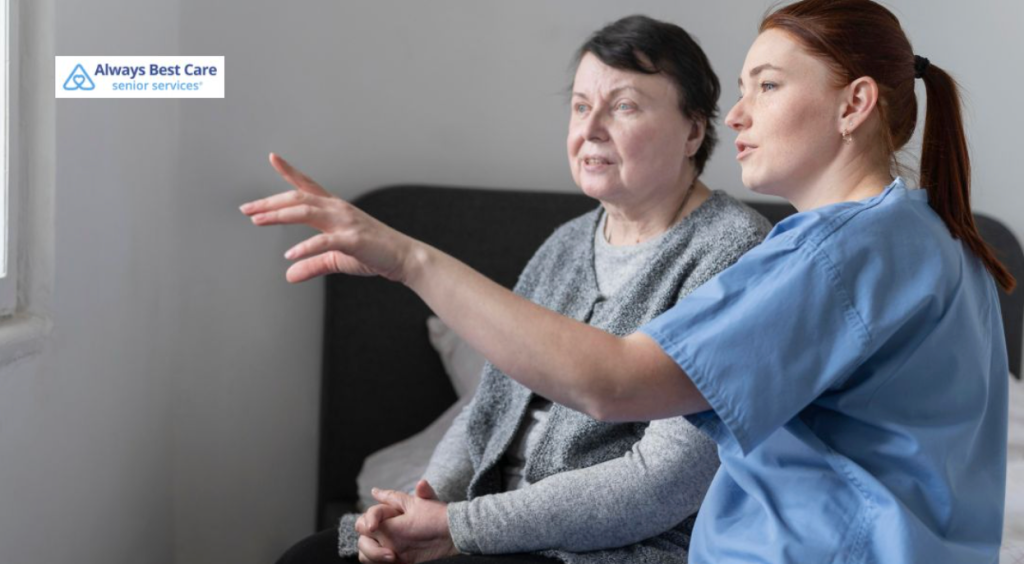
ALS doesn’t just affect the body; it touches every corner of life. Nurses often become trusted listeners, offering reassurance, clarity, and a steady presence on tough days. They help families prepare for changes ahead rather than feel blindsided by them.
At the same time, they teach caregivers how to protect their own health, using proper body mechanics, pacing themselves, and knowing when to ask for extra help. Everyone deserves to feel supported, not just the person with ALS.
Why Skilled Nursing in Always Best Care Spring Supports ALS Patients So Well
In short, How Skilled Nursing in Always Best Spring Supports ALS Patients With Mobility, Breathing, and Daily Care comes down to one big idea: nobody has to face ALS without expert, caring support.
Through clinical skill, clear communication, and heartfelt presence, nurses help maintain safety, ease discomfort, and preserve moments of joy and connection. Families get to spend more time being just that, family, rather than feeling like they’re always “on duty.”
Frequently Asked Questions
Q: What does skilled nursing in Always Best Care Spring do for ALS patients?
A: Skilled nursing in Always Best Spring provides medical care, mobility support, respiratory monitoring, symptom management, and guidance for daily care tailored to each ALS patient’s needs.
Q: How can skilled nursing help with ALS-related breathing problems?
A: Nurses track breathing changes, support non-invasive ventilation, guide airway clearance techniques, and teach families how to use respiratory equipment safely and effectively.
Q: Does skilled nursing support caregivers of ALS patients?
A: Yes, nurses educate caregivers on safe hands-on care, share practical tips, and offer emotional support so caregiving feels more confident and less overwhelming.
Q: Can skilled nursing be combined with hospice care for ALS?
A: Skilled nursing can coordinate with hospice or palliative care, helping focus on comfort, dignity, and honoring the ALS patient’s personal goals and wishes.
Q: How often do ALS patients need skilled nursing visits?
A: The frequency depends on the stage of ALS and medical needs; many patients benefit from regular, scheduled visits that adjust as their condition changes.

A Kinder, Safer Path Through ALS
Navigating ALS is never easy, but skilled nursing in Always Best Care Spring can soften the edges of a very hard journey.
With support for mobility, breathing, and everyday care, life can feel more manageable, more comfortable, and more connected. If a loved one is facing ALS and you’re ready for knowledgeable, compassionate help, consider reaching out to learn how skilled nursing can support both your family and the person you care about so deeply.If a loved one is facing ALS and you’re ready for knowledgeable, compassionate help, reach out to Always Best Care of Spring today at (832) 585-1941 to learn how skilled nursing support can bring greater peace of mind to your whole family.
Link to the Markdown File version of the article