

Supporting Respiratory Health in Seniors: Tips for Easier Breathing in Spring, TX

For many older adults, breathing becomes more than just an automatic function; it requires attention, care, and daily effort. Whether it is a chronic condition like COPD or simply the natural decline in lung capacity that comes with age, respiratory health is a critical part of senior well-being. In Spring, TX, where seasonal allergens and humidity shifts can place extra strain on the lungs, understanding how to protect lung health is especially important.
What you will learn:
- How aging and the Spring, TX climate can affect seniors’ lungs, breathing comfort, and everyday energy.
- Simple home adjustments and daily habits that support easier breathing and stronger respiratory health.
- Practical ways to manage chronic lung conditions at home and recognize warning signs that need prompt medical care.
- How compassionate in-home support in Spring, TX can help seniors stay safe, independent, and confidently on top of their breathing health.
Table of Contents
How Aging Affects the Respiratory System
The lungs, like every other part of the body, change with age. Chest muscles weaken, lung tissue loses elasticity, and the airways become less effective at filtering out irritants. These changes do not happen overnight, but over time, they can significantly reduce a senior’s ability to breathe comfortably and recover from illness.
What makes this particularly challenging is that the symptoms often develop gradually. A senior may attribute shortness of breath to being “out of shape” or chalk up a persistent cough to seasonal allergies, when in reality, something more significant may be developing. Early awareness is key.
Age-related respiratory changes include:
- Decreased lung capacity and oxygen exchange efficiency
- Weakened diaphragm and chest wall muscles
- Reduced ability to clear mucus from the airways
- Greater susceptibility to infections like pneumonia and bronchitis
- Increased sensitivity to air pollutants and allergens

The Spring, TX Environment and Respiratory Health
Spring presents a unique set of environmental considerations for seniors. The region’s warm, humid climate and high pollen counts, particularly in spring and fall, can trigger or worsen respiratory symptoms. Mold spores, grass pollen, and air quality fluctuations are all factors that families should be mindful of.
Practical steps to reduce environmental triggers at home:
- Replace HVAC filters every 30–60 days and consider HEPA-grade options
- Use a dehumidifier to keep indoor humidity between 30–50%
- Keep windows closed during high pollen days and rely on air conditioning
- Avoid harsh chemical cleaners or heavily scented products
- Vacuum and dust regularly to minimize indoor allergens
Small adjustments to the home environment can make a meaningful difference in how comfortably a senior breathes day to day.
Daily Habits That Strengthen Lung Health
Lifestyle plays a larger role in respiratory health than most people realize. Seniors who stay active, eat well, and maintain consistent routines tend to experience fewer complications and recover more quickly when illness does occur.
Encourage these daily habits:
- Gentle movement: Walking, chair yoga, or light stretching helps maintain lung capacity and circulation
- Deep breathing exercises: Pursed-lip breathing and diaphragmatic breathing can improve oxygen intake and reduce breathlessness
- Hydration: Drinking enough water keeps mucus thin and easier to clear
- Nutrition: A diet rich in antioxidants, berries, leafy greens, and whole grains supports lung tissue health
- Vaccinations: Staying current on flu, pneumonia, and COVID-19 vaccines reduces the risk of serious respiratory illness
Consistency matters more than intensity. Even a short daily walk or a few minutes of breathing exercises can produce real, lasting benefits.
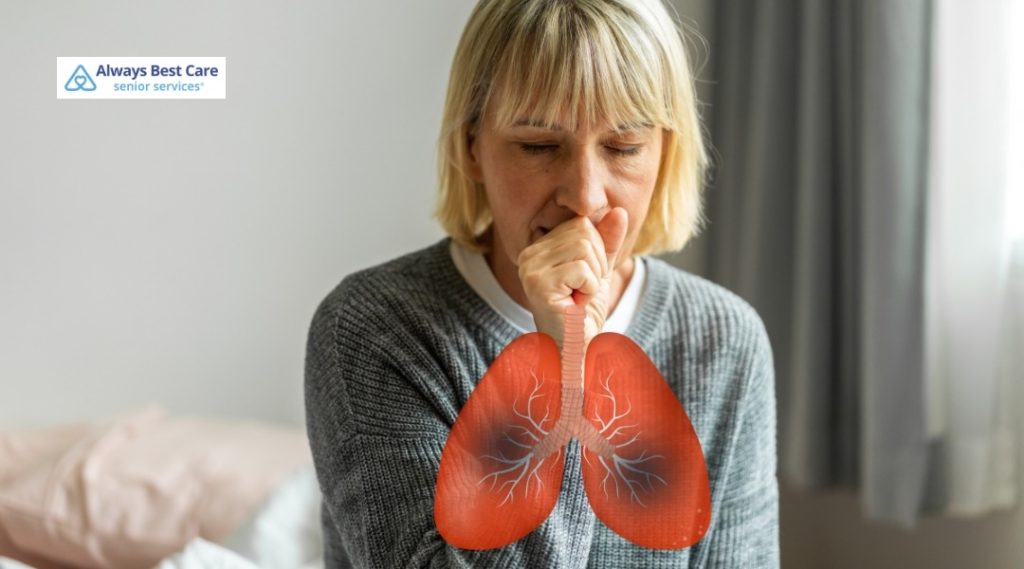
Managing Chronic Respiratory Conditions at Home
Seniors living with COPD, asthma, or chronic bronchitis require more structured daily management. Unmanaged symptoms can escalate quickly, leading to hospitalizations that are often preventable with the right support in place.
Effective management includes:
- Taking all prescribed medications on schedule, including maintenance inhalers
- Knowing how to use inhalers, nebulizers, or oxygen equipment correctly
- Tracking symptoms daily and noting any changes in breathing patterns
- Scheduling regular checkups with a pulmonologist or primary care provider
- Having a clear action plan for flare-ups
Caregivers and family members can play a vital role here, not by managing everything themselves, but by staying informed and helping seniors stay on track.
Warning Signs That Require Immediate Attention
Knowing when to act quickly can be life-saving. Respiratory symptoms can escalate faster in older adults, and delays in seeking care can lead to serious complications.
Seek medical attention if a senior experiences:
- Sudden or worsening shortness of breath
- Persistent wheezing or a new, productive cough
- Chest tightness or pain
- Bluish tint to the lips or fingertips
- Unusual fatigue, confusion, or difficulty speaking in full sentences
When in doubt, err on the side of caution. These symptoms should never be dismissed as “just getting older.”

How Always Best Care of Spring, TX Supports Respiratory Health
Seniors living alone or those managing chronic conditions often struggle to maintain the consistent routines that respiratory health requires. Always Best Care of Spring, TX provides compassionate, professional in-home support that helps seniors stay safe, comfortable, and on top of their health needs.
Our caregivers assist with:
- Medication reminders to ensure prescriptions are taken correctly and on time
- Light housekeeping to maintain a clean, low-allergen living environment
- Encouraging proper hydration and preparing nutritious meals
- Supporting safe daily movement and breathing exercises
- Providing companionship that reduces stress, a known contributor to respiratory flare-ups
- Transportation to medical appointments and follow-up visits
For seniors who need a higher level of care, home health services can provide skilled nursing, respiratory therapy coordination, and direct communication with healthcare providers.
Frequently Asked Questions
Q: What are the most common respiratory conditions affecting seniors?
A: COPD, asthma, pneumonia, and chronic bronchitis are among the most prevalent. Many seniors also experience reduced lung capacity as a natural part of aging, which can make them more vulnerable to these conditions.
Q: How does the climate in Spring affect senior respiratory health?
A: The warm, humid climate and high seasonal pollen counts in Spring can aggravate respiratory symptoms. Mold, grass pollen, and changes in air quality are common triggers that seniors and their families should monitor closely.
Q: What can families do at home to improve air quality for seniors?
A: Regularly changing air filters, using HEPA air purifiers, controlling indoor humidity, and avoiding chemical cleaners or strong fragrances are all effective steps. Keeping windows closed during high pollen days also helps.
Q: Are breathing exercises actually effective for seniors with lung conditions?
A: Yes. Techniques like pursed-lip breathing and diaphragmatic breathing have been shown to reduce breathlessness, improve oxygen efficiency, and help seniors feel more in control of their symptoms. A healthcare provider can recommend the right exercises based on the individual’s condition.
Q: When should a family member call 911 for a senior with breathing difficulties?
A: If a senior experiences sudden, severe shortness of breath, bluish lips or fingertips, chest pain, or confusion alongside difficulty breathing, call 911 immediately. These are signs of a potential medical emergency.
Q: How can Always Best Care help seniors manage respiratory health at home?
A: Always Best Care caregivers provide medication reminders, light housekeeping, meal preparation, and support for daily routines, all of which contribute to better respiratory health. For more complex needs, home health services offer skilled nursing and care coordination.

Breathing Easier, Living Brighter
Respiratory health does not have to be a source of constant worry. With the right environment, consistent habits, and professional support, seniors in Spring, TX can breathe easier and live more fully.
Call Always Best Care of Spring, today at (832) 585-1941 to schedule a care consultation and learn how we can help your loved one stay healthy and comfortable at home.
Link to the Markdown File version of the article