

Elder Abuse Prevention: Protecting Seniors and Promoting Safe, Respectful Care in Spring, TX

Elder abuse isn’t some far-off problem on the news. It can happen close to home, behind closed doors, in a facility, or even within trusted relationships. And because it’s often subtle, many seniors suffer in silence.
In Spring, TX, we at Always Best Care of Spring believe every older adult should feel safe, heard, and treated with respect. By understanding the signs of trouble and stepping in early, families and caregivers can make a real difference in keeping loved ones safe.
What you will learn:
- What elder abuse is, the main ways it can show up, and why it often stays hidden in everyday life.
- How to notice key warning signs and risk factors that may put seniors in Spring, TX at greater risk.
- Simple, loving steps families can take to stay involved, support caregivers, and build a safer home environment.
- What to do if something feels wrong, including how to talk with your loved one, document concerns, and reach out for trusted help.
Table of Contents
What Is Elder Abuse?
Elder abuse is any action, or lack of action, that harms an older adult or causes fear, pain, or distress. Sometimes it’s obvious. Other times, it’s quiet, hidden, and layered.
Common forms of elder abuse include:
- Physical abuse – hitting, pushing, rough handling, or using restraints in a harmful way
- Emotional abuse – yelling, threats, humiliation, constant criticism, or intentional isolation
- Financial exploitation – misuse of bank accounts, pressure to change a will, or “borrowing” money that never gets paid back
- Neglect – not providing food, hygiene support, medications, or medical care
- Abandonment – leaving a senior alone without needed help or supervision
Once we recognize that abuse doesn’t always look like a bruise, it becomes easier to spot early warning signs and step in.

Warning Signs Families Should Watch For
Sometimes, something just feels off, but you can’t quite put your finger on it. That gut feeling is worth listening to. Here are clues that may signal elder abuse or neglect:
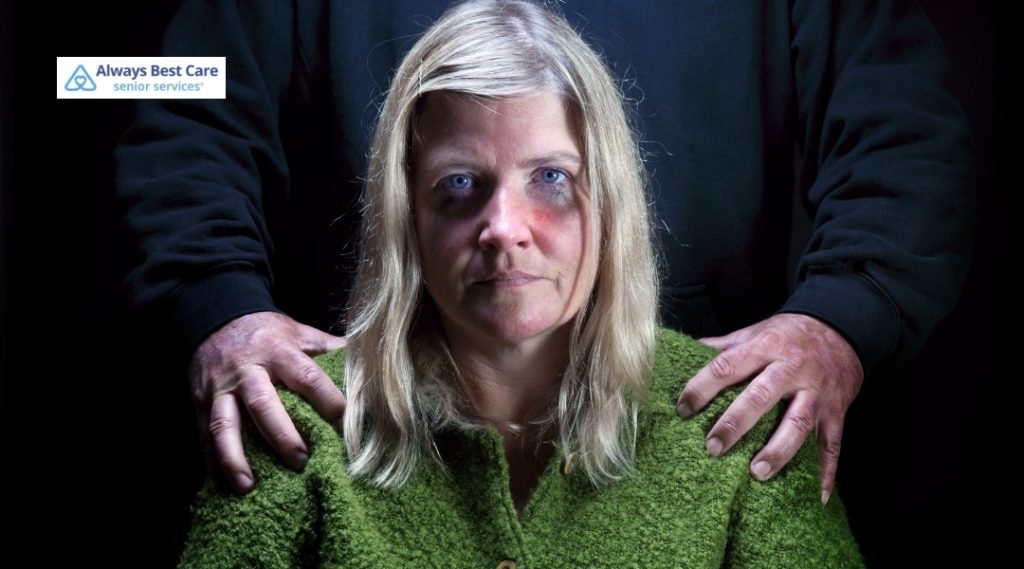
- Unexplained bruises, cuts, burns, or frequent falls
- Sudden withdrawal from family, friends, or favorite activities
- Noticeably poor hygiene, dirty clothing, or unchanged bedding
- Rapid weight loss, dehydration, or changes in appetite
- Unusual bank withdrawals, missing cash, or new “friends” involved in finances
- Fear, nervousness, or tension around certain people
- Changes in sleep patterns, confusion, or agitation that seem out of character
If you see several of these signs together, or they appear suddenly, it’s worth asking gentle questions and looking more closely.
Risk Factors That Can Increase Vulnerability
Not every senior faces the same level of risk. Some situations can make a loved one more vulnerable to abuse or neglect, even unintentionally.
Common risk factors include:
- Social isolation – limited visitors, few phone calls, or no nearby family
- Memory loss or dementia – trouble explaining what’s happening or remembering details
- Physical limitations – needing help with bathing, walking, or using the bathroom
- Financial dependency – relying on others for banking and bills without oversight
- Stressed or overwhelmed caregivers – burnout, exhaustion, or trying to “do it all” alone
By noticing these risk factors early, families can put extra support in place before problems grow.

Practical Steps Families Can Take to Prevent Elder Abuse
Elder abuse prevention isn’t just about reacting to trouble; it’s about staying involved, so trouble has less room to grow. A few simple habits can make a huge difference.
You can:
- Stay connected
- Visit often, at different times of day
- Use phone calls or video chats if you live far away
- Ask real questions
“How are things going with your caregiver?”
“Do you ever feel afraid or uncomfortable?”
- Watch finances
- Review bank statements together
- Keep an eye on new “helpers” suddenly interested in money
- Build a support circle
- Involve neighbors, friends, faith communities, and trusted professionals
- Make sure more than one person knows what’s going on with your loved one’s care
- Support the caregiver
- Offer breaks, backup help, or respite care
- Encourage honesty about stress instead of pretending everything’s fine
The more eyes, ears, and hearts are involved, the safer your loved one is.
The Role of Professional In-Home Care in Spring, TX
Professional in-home care can be a powerful layer of protection against elder abuse, especially when caregivers are carefully chosen and supported.
At Always Best Care of Spring, TX, we:
- Screen and train caregivers so families know someone trustworthy is walking through the door
- Encourage open communication between caregivers, families, and healthcare providers
- Promote dignity and respect in everyday tasks like bathing, dressing, or meal preparation
- Watch for changes in mood, health, or behavior, and share concerns with families quickly
We work with families, not instead of them. Together, we help seniors stay safe at home while preserving their independence and self-respect.

What to Do If You Suspect Abuse
If something doesn’t sit right, don’t ignore that inner voice. It’s better to ask questions and be wrong than to stay silent and regret it later.
Here’s a simple roadmap:
- Talk privately with your loved one
- Choose a calm, safe setting
- Speak gently: “I’m here for you. Has anyone been hurting you or making you feel unsafe?”
- Write down what you notice
- Dates, times, descriptions of injuries or behavior changes
- Names of those involved in care
- Reach out for help
- Local adult protective services
- Doctors, nurses, or other healthcare providers
- Law enforcement, if there’s immediate danger
- Adjust the care plan
- Change caregivers if needed
- Add in-home support or more frequent visitors
- Consider extra in-home oversight from services like Always Best Care of Spring, TX
Taking action can stop further harm and send a clear message: your loved one deserves safety and respect, no exceptions.
Creating a Safer Future for Seniors in Spring, TX
Elder abuse prevention isn’t just a checklist; it’s a mindset. It grows from a community that says, “We look out for our seniors. We pay attention. We speak up.”
At Always Best Care of Spring, TX, we partner with families to:
- Encourage open, honest conversations
- Build care plans that respect each senior’s routines and preferences
- Offer consistent, compassionate caregivers who treat seniors like family
We’re here to help families breathe a little easier, knowing they’re not carrying the responsibility alone.
Frequently Asked Questions
Q: What’s the first thing I should do if I suspect elder abuse?
A: Start by talking calmly and privately with your loved one, then document what you see and contact adult protective services or local authorities if needed.
Q: How can I tell the difference between normal aging and possible abuse?
A: Normal aging may bring some physical changes, but sudden bruises, sharp personality shifts, fearfulness, or odd financial activity are red flags worth checking out.
Q: Can elder abuse happen even with family as caregivers?
A: Yes. Abuse can occur in any setting, including family homes, especially if there’s high stress, lack of support, or financial pressure.
Q: How does Always Best Care of Spring, TX help prevent elder abuse?
A: We screen caregivers, provide training, encourage clear communication with families, and stay alert to signs of stress, neglect, or changes in a senior’s condition.
Q: Is professional in-home care only for seniors who are very sick?
A: Not at all. Many seniors use in-home care for help with daily tasks, companionship, and an extra layer of safety and oversight.
Speak Up, Stay Close, and Start Safer Care
Elder abuse prevention in Spring starts with awareness, but it doesn’t end there. Families who stay involved, ask questions, and build a strong support network create safer, more respectful homes for the seniors they love.
At Always Best Care of Spring, compassionate in-home care is built around safety, dignity, and genuine human connection. Reach out at (832) 664-7831 today to talk through your concerns, explore care options, and learn how added support at home can bring greater peace of mind for your whole family.
Link to the Markdown File version of the article