

Senior Scams: How to Recognize the Warning Signs and Protect Your Loved One in Spring, TX
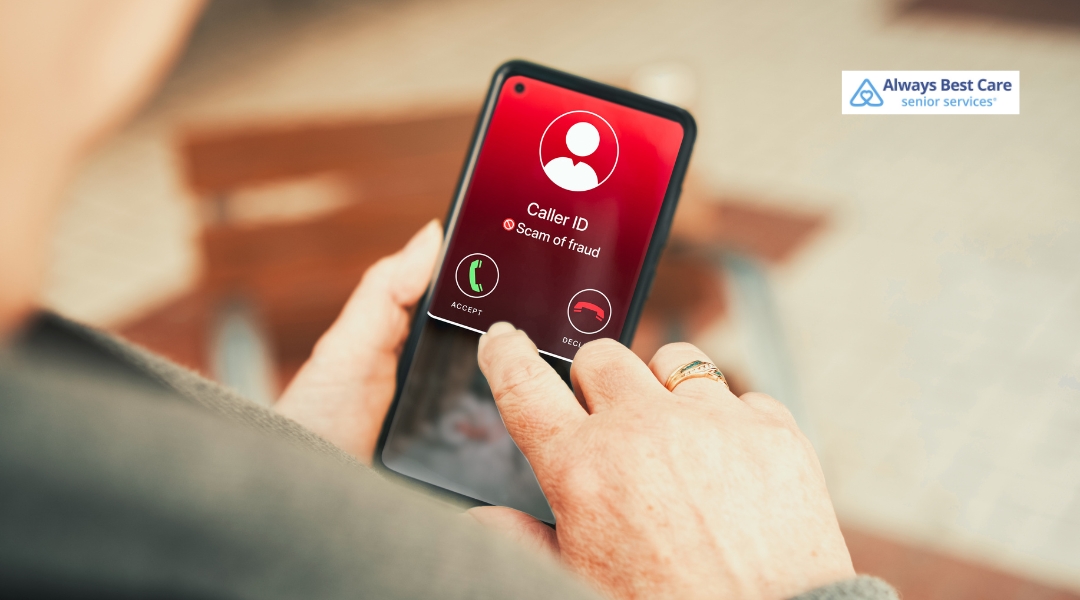
Scams aimed at older adults aren’t just annoying; they can be heartbreaking. One smooth-talking stranger, one convincing email, and suddenly a lifetime of savings is at risk. In Spring, TX, families are seeing more of these schemes pop up, and they’re getting trickier by the day.
Yet there’s good news: once we know what to watch for, we’re already one step ahead. By learning the classic warning signs and talking openly about them, we can help shield the seniors we love from financial loss and emotional turmoil.
What you will learn:
- Why seniors in Spring, TX, are often targeted by scammers and the most common schemes to watch for.
- The warning signs that can help families spot a scam early and step in before more harm is done.
- Simple, supportive ways loved ones can help protect older adults through conversation, awareness, and everyday safeguards.
- How in-home care and companionship can help seniors stay safer, more confident, and less vulnerable to scams at home.
Table of Contents
Why Seniors Are Such Common Targets
It’s not your loved one’s fault if a scammer zeroes in on them. In fact, many older adults have qualities that crooks actively seek out, such as:
- A naturally trusting or polite attitude toward strangers
- Stable finances, like savings, retirement funds, or a steady income
- Living alone or having limited daily interaction with others
- Less familiarity with online tools, social media, or digital security
Put all of that together, and scammers see an opportunity to build fake trust and twist situations to their advantage. They’re counting on seniors not wanting to be rude, not wanting to bother family, or feeling unsure about technology.
Common Senior Scams in Spring, TX
Scammers have more tricks up their sleeves than ever, and they know how to sound convincing. Here are some of the most common schemes targeting seniors today.
Phone Scams
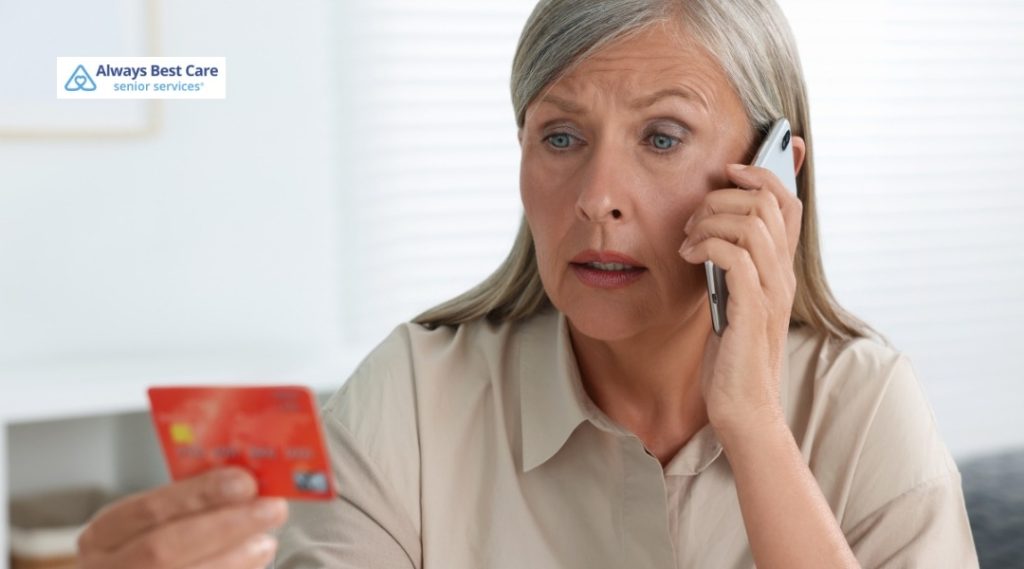
Someone calls, sounds official, and suddenly everything feels urgent. They may pretend to be:
- A government agency
- A utility company
- A bank
- A grandchild or relative in trouble
The caller usually pressures for immediate payment or personal information, often using threats such as “your benefits will stop” or “you’ll be arrested if you don’t pay right now.”

Email and Phishing Scams
These scams often arrive as emails or text messages that appear to come from:
- Banks or credit card companies
- Healthcare providers
- Online stores or delivery services
The message usually includes a link to “fix a problem” or “verify your account.” That link leads to a fake website designed to steal passwords, account numbers, or other sensitive details.
Sweepstakes and Lottery Scams
Here’s a classic:
“Good news! You’ve won a huge prize, but you need to pay the taxes or fees first.”
The catch? There is no prize. Once the scammer receives the “fees,” they disappear. Seniors can lose thousands of dollars chasing a win that never existed.
Romance Scams
This one hits close to the heart. A scammer builds a relationship online, slowly, patiently, lovingly. Over time, they:
- Share personal stories
- Express deep affection
- Talk about a future together
Then an “emergency” comes up: medical bills, travel costs, money issues. They ask for funds, promising to pay them back. The relationship, sadly, was never real.

Tech Support Scams
A pop-up flashes on the screen, or someone calls, saying, “There’s a serious problem with your computer.” They may:
- Ask for remote access to the device
- Request payment for fake repairs or security services
Once inside the computer, they can install harmful software, steal data, or charge outrageous fees for “help” that was never needed.
Warning Signs of Senior Scams
Scams might vary, but the red flags often look very similar. If you spot patterns like these, it’s time to slow down and double-check.
Watch out for:
- Pressure to act immediately, “right now,” or “today only”
- Demands for unusual payment methods, like gift cards, wire transfers, or cryptocurrency
- Unsolicited calls, texts, or emails asking for personal or financial information
- Messages that stir up fear, panic, or guilt
- Requests to keep things secret from family or friends
If something feels off, it’s perfectly okay to pause and verify. A legitimate business or agency won’t mind you hanging up and calling back through an official number.
How Families Can Help Protect Loved Ones in Spring, TX
We don’t have to tackle this alone. Families in Spring, TX can create a protective circle around their loved ones by staying involved and keeping the conversation open.
Helpful steps include:
- Talking regularly about scams and sharing real-life examples
- Encouraging seniors to verify requests before paying or sharing information
- Checking bank and credit accounts for unusual transactions
- Setting up call blocking, spam filters, and strong passwords
- Asking seniors to make large financial decisions with a trusted family member
The key is creating an environment where your loved one feels safe saying, “Something about this doesn’t feel right. What do you think?”
How In-Home Care Helps Prevent Senior Scams
Having someone trustworthy around isn’t just about helping with daily tasks; it’s also about having another set of eyes and ears. That’s where we at Always Best Care of Spring, TX come in.
We help reduce the risk of scams by:
- Screening calls or surprise visitors, so seniors aren’t caught off guard
- Noticing changes in mood or spending that might hint at a problem
- Offering companionship, which lowers loneliness and isolation
- Encouraging open communication with family members about money and unusual requests
Scammers love to target people who feel alone. By providing steady companionship and support, we make it much harder for crooks to get a foothold.

What Should You Do If You Suspect a Scam?
If you think your loved one has been targeted, or has already shared money or information, time is of the essence. Here’s a straightforward game plan:
- Contact the bank or financial institution right away. Ask them to flag the account, stop transfers if possible, and watch for further suspicious activity.
- Report the scam to local authorities or adult protective services. They may be able to investigate and prevent others from being harmed.
- Keep a close eye on accounts and credit reports. Look for unfamiliar charges, withdrawals, or new accounts.
- Offer emotional support. Many seniors feel embarrassed or guilty after a scam. Reassure them that scammers are highly skilled and that they’re not to blame.
A calm, non-judgmental approach makes it much more likely they’ll speak up quickly next time something feels off.
Protecting Seniors Starts with Awareness
Scammers are constantly changing tactics, but awareness is still one of our strongest defenses. By staying informed, asking questions, and checking in often, families in Spring, TX can help their loved ones stay safer and more confident.
We at Always Best Care of Spring are dedicated to supporting that effort every day. We don’t just help with daily routines; we also add an extra layer of attention and awareness that helps protect seniors from those who would take advantage of them.

Helping Your Loved One Stay Safe at Home
If your loved one in Spring, TX could use more support, companionship, and a watchful eye against scams, we at Always Best Care of Spring are ready to help. Together, we can support their independence while keeping their safety and peace of mind front and center.
Frequently Asked Questions
Q: What’s the biggest warning sign of a senior scam?
A major red flag is pressure to act immediately, especially if the caller or sender insists on secrecy or unusual forms of payment.
Q: How often should we talk to our loved ones about scams?
Regularly working these conversations into everyday check-ins makes it feel natural and less scary, and helps keep new scam tactics on everyone’s radar.
Q: Are phone calls or online scams more common for seniors?
Both are common. Many seniors are heavily targeted by phone, but as more older adults use email, smartphones, and social media, online scams are becoming just as frequent.
Q: Can in-home caregivers really help prevent scams?
Yes. Caregivers can spot suspicious calls or visitors, notice changes in behavior or spending, and gently encourage seniors to talk with family before sending money or sharing details.
Q: What should we do if money has already been sent to a scammer?
Contact the bank or credit card company immediately, report the fraud, and notify local authorities. Acting quickly may help limit the damage and prevent further loss.
Stay One Step Ahead of Senior Scams
Senior scams can feel overwhelming, but families in Spring, TX are not powerless. By learning the warning signs, talking openly, and surrounding older loved ones with caring support, scammers find it much harder to succeed.
At Always Best Care of Spring, we’re here to help your loved one stay safe, connected, and confident at home. Reach out today at (832) 664-7831 to learn how our compassionate in-home care and companionship can provide extra protection, daily support, and greater peace of mind for your family.
Link to the Narkdown File version of the article