

Blood Sugar Changes in Older Adults: Warning Signs Families Should Know in Spring, TX
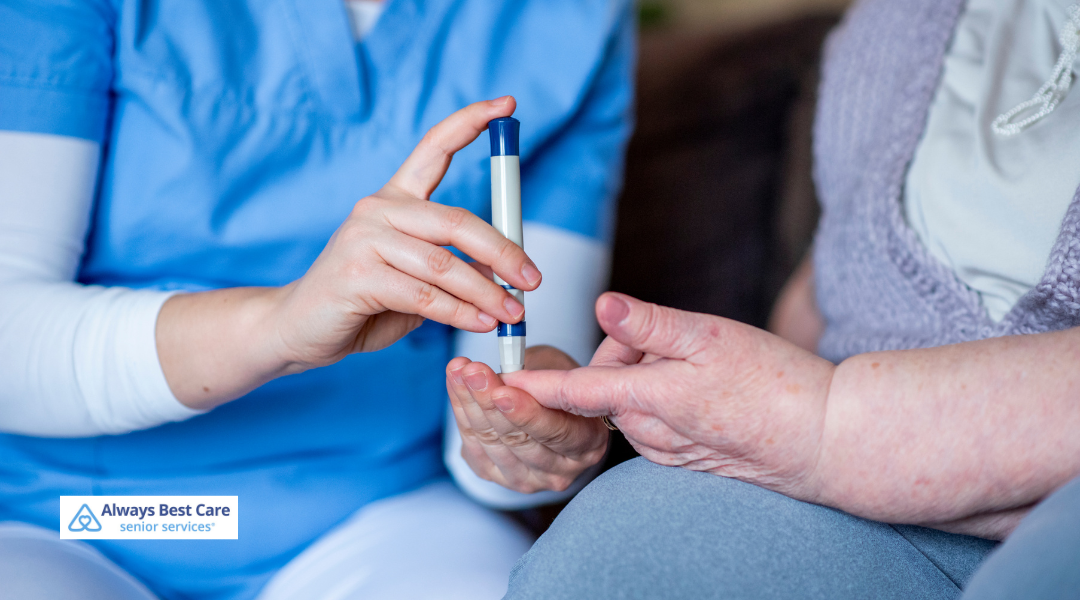
Blood sugar can be a bit of a moving target for older adults, especially those living with diabetes in Spring, TX. Even folks who’ve “had it down” for years may notice things shifting over time: energy dips, mood changes, cloudy thinking. For families, it’s not always easy to tell if it’s just a tiring day or something more serious.
That’s where we come in. At Always Best Care of Spring, we help families notice subtle changes, ask the right questions, and build everyday routines that keep seniors safer, steadier, and more independent.
What You Will Learn
- Why blood sugar may become more difficult to manage as adults grow older in Spring, TX.
- How to recognize possible warning signs of low and high blood sugar in a loved one.
- Which consistent daily habits can help support safer diabetes care at home.
- When memory, mobility, or routine changes may mean a senior could benefit from additional in-home support.
Table of Contents
Blood Sugar Changes in Older Adults: Warning Signs Families Should Know in Spring, TX
Why Blood Sugar Gets Trickier With Age
As people grow older, life usually gets more complicated. More health issues, more prescriptions, more appointments—more “moving parts” that can nudge blood sugar up or down.
Common reasons blood sugar may get harder to manage:
- Changes in kidney function and digestion
- Shifts in appetite and taste
- Less movement or exercise
- Memory lapses that lead to missed meals or medications
- Illness, infections, or new medications
We’ve seen in Spring, TX that even a simple cold, a skipped breakfast, or a new pill can throw a senior’s usual diabetes routine off balance. That’s why regular blood sugar checks and ongoing conversations with doctors matter so much.

Spotting Low Blood Sugar in Seniors (Hypoglycemia)
Low blood sugar can appear fast and catch everyone off guard. It often happens when a senior:
- Eats too little or skips a meal
- Takes diabetes medication but doesn’t eat enough
- Has more physical activity than usual
- Is sick or not feeling well
Typical warning signs include:
- Shaking or sweating
- Dizziness or weakness
- Sudden hunger
- Headache
- Irritability or anxiety
- Trouble focusing
- Confusion or odd behavior
- Changes in coordination or balance
In older adults, these can look like “just getting older,” but sudden confusion or strange behavior is a red flag. If a senior passes out, has a seizure, or can’t respond, that’s an emergency and needs immediate medical help.
Recognizing High Blood Sugar (Hyperglycemia)
High blood sugar tends to creep up more slowly, so it can be easy to miss until things feel pretty off. Seniors may notice:
- Constant thirst
- Going to the bathroom more often
- Blurry vision
- Feeling tired or weak
- Headaches
- Losing weight without trying
- Cuts or sores that take a long time to heal
If high blood sugar sticks around, it can quietly harm the eyes, kidneys, nerves, and heart over time. Very high numbers can also cause sudden serious symptoms: extreme weakness, major confusion, trouble breathing, or passing out. That’s another “call 911” moment.

Watching for Changes from a Senior’s Normal Routine
Families don’t need medical training to be helpful. Often, the biggest clues are changes from what’s “normal” for your loved one.
Things to watch:
- A usually chatty parent seems unusually tired or quiet
- Drinking a lot more water than usual
- Frequent trips to the bathroom
- Sudden confusion, forgetfulness, or unsteady walking
- Skipped meals or suddenly not finishing food they normally enjoy
Instead of assuming “it’s just age,” it helps to pause and ask, “Could this be blood sugar?” That simple question can prevent a scare later.
Good questions for the doctor include:
- What’s the target blood sugar range?
- How often should we check glucose at home?
- Which symptoms mean we should call the doctor?
- What’s considered an emergency for our loved one?
Creating Steady Routines for Easier Diabetes Care
For seniors in Spring, TX, consistency is a quiet hero in diabetes care. Simple habits, repeated day after day, can keep blood sugar closer to where the doctor wants it.
Helpful daily routines:
- Eating meals and snacks at fairly consistent times
- Taking medications exactly as prescribed
- Checking blood sugar as directed
- Drinking enough water throughout the day
- Moving in safe, doctor-approved ways
- Keeping up with regular medical appointments
It’s also important for doctors to know all prescriptions and supplements a senior is taking, since changes can affect blood sugar.

When Memory or Mobility Make Diabetes Tougher in Spring, TX
Managing diabetes can feel like juggling: meal times, medications, glucose checks, appointments. For seniors in Spring, TX with memory changes or physical challenges, that juggling act can get overwhelming.
Common hurdles:
- Forgetting meals, snacks, or medication times
- Difficulty reading labels or measuring insulin
- Arthritis or tremors that make testing blood sugar harder
- Vision changes that complicate cooking or glucose checks
- Trouble getting to appointments safely
These challenges often mean it’s time to bring in extra help at home so diabetes isn’t left to chance.
How We at Always Best Care of Spring, TX Support Seniors with Blood Sugar Changes
At Always Best Care of Spring, TX, we know diabetes isn’t just about numbers on a meter. It’s about daily life—what’s on the plate, how often someone moves, when pills are taken, and who’s there to notice when something feels “off.”
We help by:
- Preparing balanced, diabetes-friendly meals
- Offering gentle reminders for medications and blood sugar checks
- Encouraging safe hydration and activity
- Providing rides to doctor appointments
- Watching for mood, energy, or behavior changes to share with family and doctors
For seniors who qualify for home health services, nurses and other healthcare professionals can give more specialized medical support, working closely from the doctor’s care plan.
Our goal is simple: help seniors stay safer at home, keep their routines steady, and support families who want peace of mind.

Helping Your Loved One Stay Safe with Diabetes in Spring, TX
Blood sugar can swing quickly, and older adults don’t always feel those shifts right away. By staying involved, watching for changes in daily habits, and knowing when to call for help, families can make a real difference in safety and independence.
If a loved one in Spring is living with diabetes and needs more support at home, we at Always Best Care of Spring are ready to help with compassionate, practical care tailored to everyday life.
Frequently Asked Questions
Q: How often should seniors with diabetes in Spring, TX check their blood sugar?
A: That depends on their doctor’s advice, medications, and overall health. Some may check several times a day; others may only need periodic checks. It’s best to ask the doctor for a clear schedule.
Q: Are mood swings a sign of blood sugar problems?
A: They can be. Irritability, anxiety, or sudden changes in behavior sometimes go along with low or high blood sugar, especially if they appear quickly and don’t match a senior’s usual personality.
Q: What should families do first if they suspect low blood sugar at home?
A: If the senior is awake and able to swallow safely, many doctors recommend a quick source of sugar—like juice or glucose tablets—and then rechecking levels. For severe symptoms like fainting or seizures, call emergency services right away.
Q: Can diet changes alone control blood sugar for older adults?
A: Diet helps a lot, but it’s usually part of a bigger picture that includes medications, activity, and regular medical follow-up. Changes to diet should always be discussed with the doctor or a dietitian.
Q: How can Always Best Care of Spring, TX make daily diabetes care easier?
A: We support seniors by helping with meals, reminders, hydration, safe movement, appointment coordination, and watching for changes that families or doctors should know about. That way, diabetes care fits more smoothly into everyday life.
Steadier Routines, Brighter Days Ahead
Blood sugar changes in older adults in Spring, TX don’t have to catch families off guard. By learning the warning signs of high and low blood sugar, paying attention to daily routines, and bringing in help when memory or mobility make things complicated, we can keep seniors safer and more independent.
At Always Best Care of Spring, we walk alongside families, turning complicated diabetes care into manageable, everyday steps, one meal, one reminder, one caring visit at a time. Reach out to Always Best Care of Spring at (832) 664-7831 today to schedule a care consultation and learn how our compassionate caregivers can help your loved one maintain safer routines, greater independence, and a better quality of life.
Link to the Markdown File version of the article