Home Health for Stroke Recovery: Therapy, Monitoring, and Support in Spring, TX
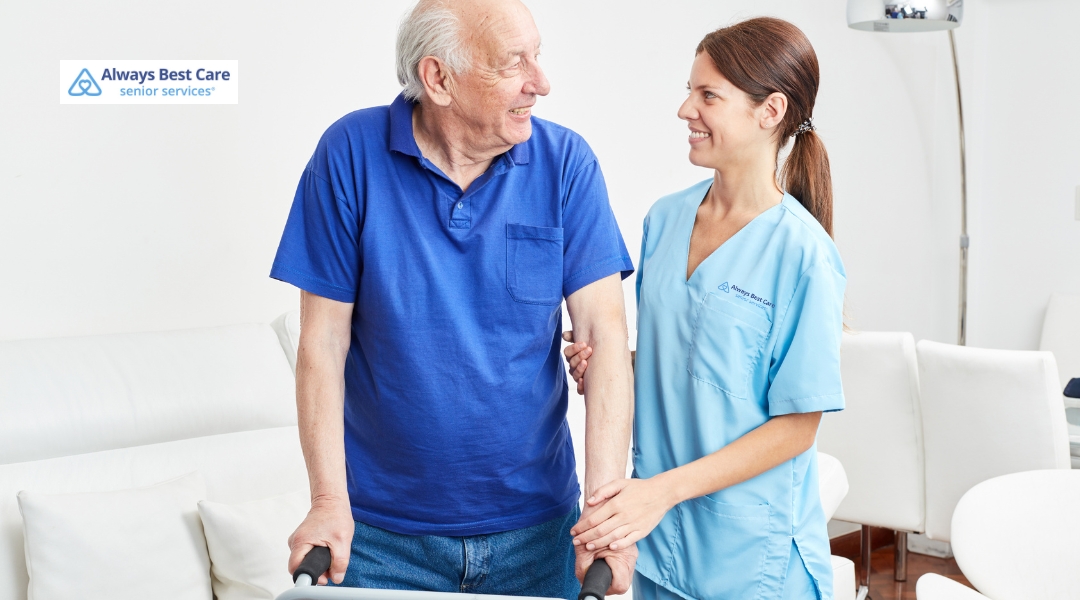
Recovering from a stroke is rarely a straight path. For many seniors, the most critical phase of recovery doesn’t happen in a hospital or rehabilitation center; it happens at home. Once initial acute care is complete, the transition back to everyday life presents its own set of challenges, and having the right support in place can significantly improve long-term outcomes.
Home health services bridge the gap between clinical care and independent living, bringing skilled professionals directly into the home to support stroke survivors where they feel most comfortable. In Spring, TX, families have access to comprehensive home health services designed to help seniors rebuild their lives after a stroke.
What you will learn:
- How home health services in Spring, TX support stroke recovery at home with skilled nursing, therapy, and compassionate care.
- The roles of skilled nursing, physical therapy, and occupational therapy in rebuilding strength, mobility, and everyday independence.
- Why regular monitoring and early detection of changes are essential for preventing complications and hospital readmissions.
- How emotional support, caregiver involvement, and coordinated care help seniors feel safer, more confident, and supported throughout recovery.
Table of Contents
The Real Impact of a Stroke on Daily Life
A stroke doesn’t just affect the brain; it can disrupt nearly every aspect of a person’s daily routine. Depending on the severity and location of the stroke, survivors may face:
- Weakness or paralysis on one side of the body
- Difficulty speaking or understanding language
- Memory lapses and cognitive changes
- Trouble with balance and coordination
- Emotional shifts, including depression or anxiety
These challenges don’t disappear after discharge. In many cases, they require months or even years of consistent care and therapy to address. Home health services provide that continuity, ensuring recovery doesn’t stall once a senior leaves a clinical setting.
Skilled Nursing: Medical Oversight at Home
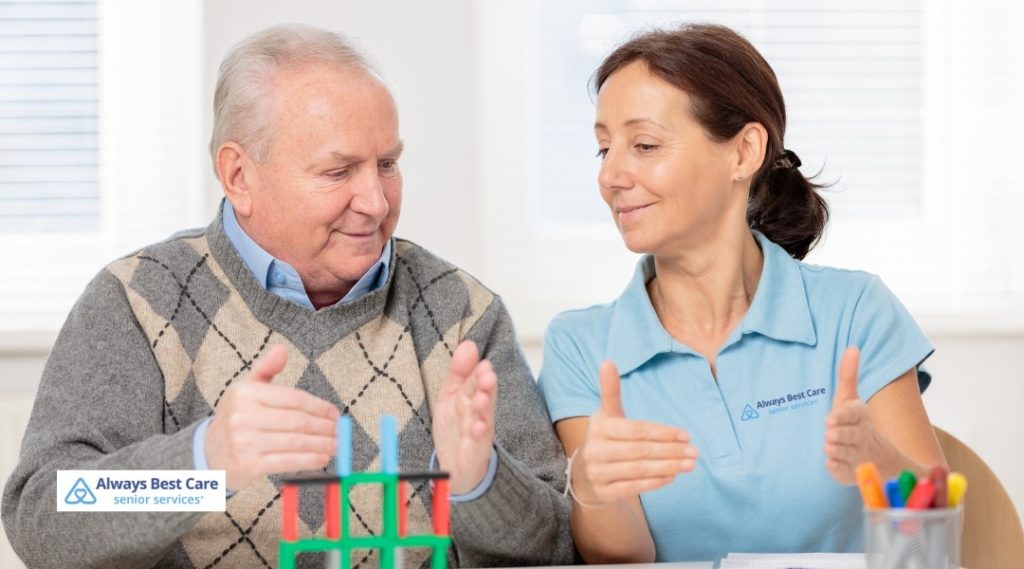
One of the most valuable components of home health after a stroke is skilled nursing. A licensed nurse visits regularly to monitor health status, manage medications, and watch for early warning signs of complications.
Skilled nursing services may include:
- Monitoring blood pressure, heart rate, and other vital signs
- Reviewing and managing medication schedules
- Identifying signs of a secondary stroke or other complications
- Educating family members on what to watch for at home
- Coordinating care with the patient’s physicians and specialists
For seniors managing additional conditions like diabetes or heart disease alongside stroke recovery, skilled nursing ensures that all health needs are addressed within a single, cohesive care plan.
Physical Therapy: Rebuilding Strength and Movement
Regaining physical function is often the most visible part of stroke recovery. Many survivors experience weakness or limited mobility on one side of the body, making even simple tasks feel overwhelming.
A home health physical therapist works with seniors in their own environment, which means therapy is grounded in real, everyday situations rather than a clinical setting.
Physical therapy focuses on:
- Rebuilding muscle strength and coordination
- Improving balance to reduce fall risk
- Restoring walking ability and overall mobility
- Increasing range of motion in affected limbs
- Practicing real-life movements like navigating stairs or getting in and out of bed
Because therapy happens at home, progress is directly tied to the spaces and routines that matter most to the patient. This makes recovery more practical and more meaningful.

Occupational Therapy: Relearning Everyday Tasks
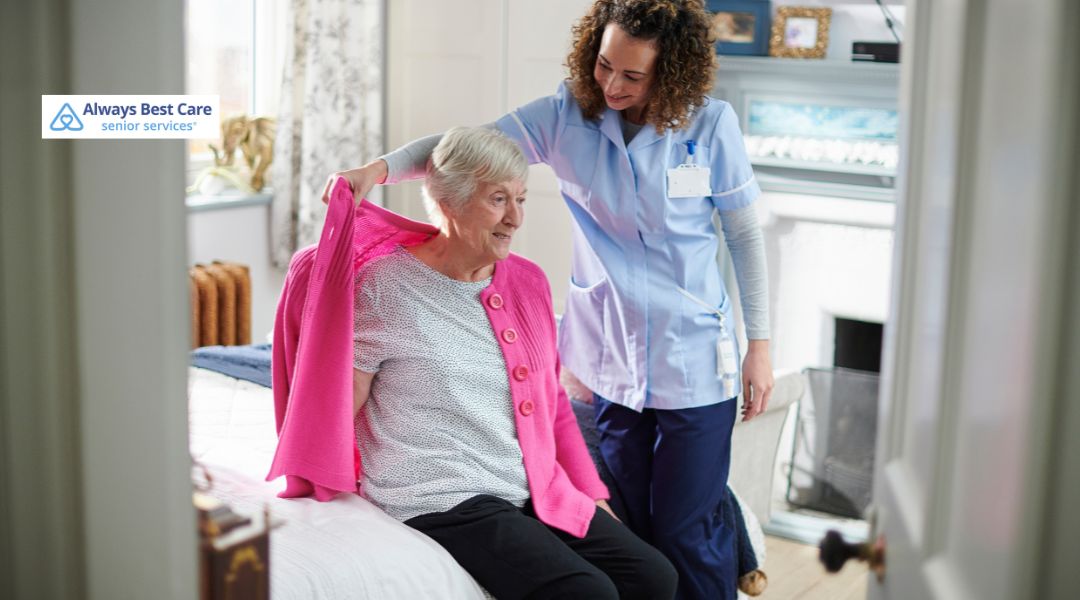
After a stroke, tasks that once felt effortless, such as getting dressed, preparing a meal, and managing personal hygiene, can suddenly require significant effort and adaptation. Occupational therapy helps seniors develop new strategies and regain confidence in their daily routines.
Occupational therapy in Spring, TX may include:
- Relearning safe bathing, grooming, and dressing techniques
- Developing new approaches to household tasks
- Strengthening fine motor skills and hand-eye coordination
- Recommending and training patients on assistive devices
- Modifying the home layout to improve safety and accessibility
The goal isn’t just to help seniors complete tasks; it’s to help them feel capable and independent again.
Monitoring Progress and Catching Problems Early
Stroke recovery is rarely linear. There are good days and difficult ones, and subtle changes in a senior’s condition can sometimes signal a larger problem. Regular monitoring by home health professionals helps ensure that progress stays on track and that any red flags are addressed before they escalate.
Home health teams watch for:
- Sudden changes in speech, movement, or cognition
- Increased weakness or new balance issues
- Unusual fatigue or confusion
- Signs of another stroke or cardiovascular event
Early intervention can prevent serious setbacks and significantly reduce the risk of hospital readmission, a major concern in the months following a stroke.
Emotional Wellbeing Is Part of Recovery Too
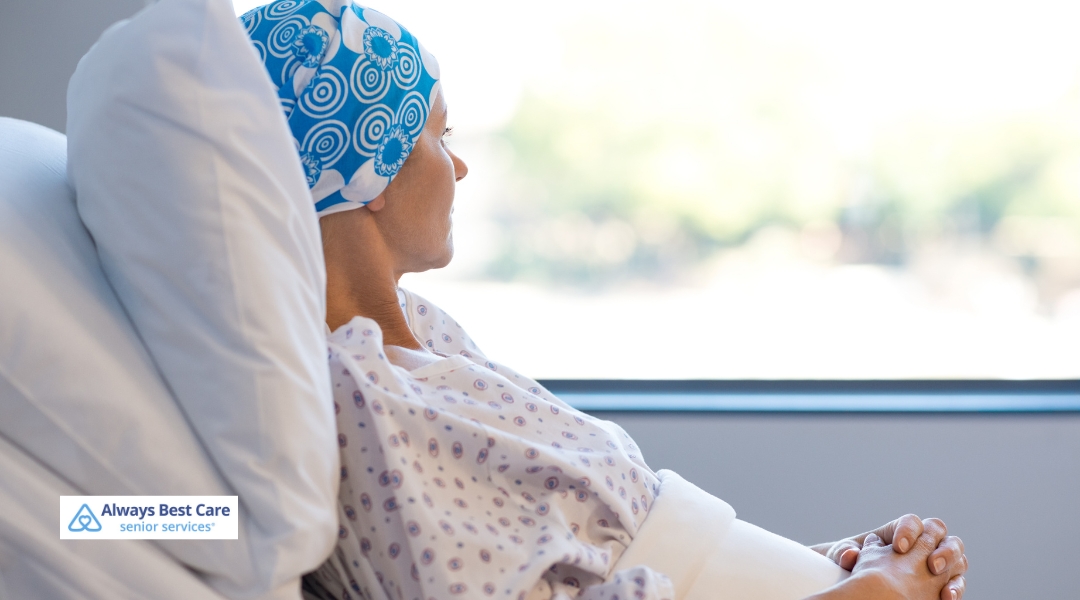
The emotional toll of a stroke is often underestimated. Many survivors struggle with frustration, grief over lost abilities, anxiety about the future, or clinical depression. These emotional challenges can slow physical recovery if left unaddressed.
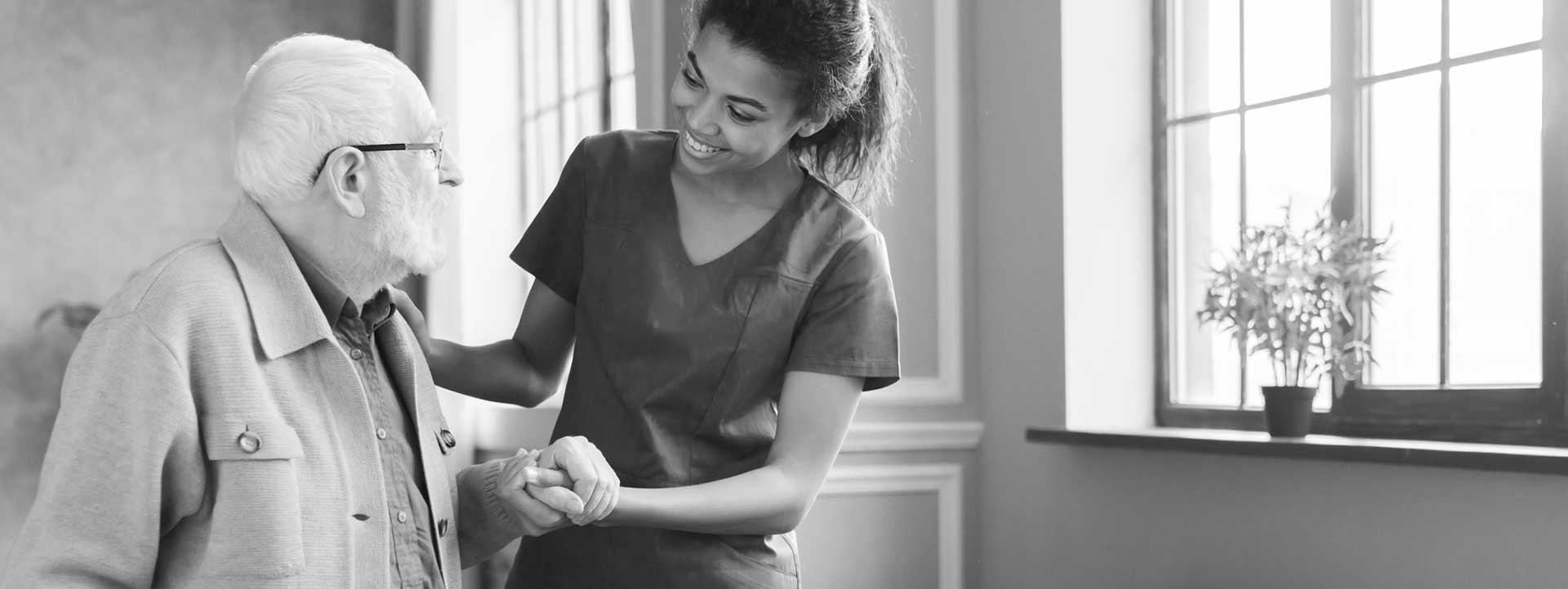
Home health caregivers provide more than medical support; they offer a consistent human connection. Having a trusted professional present regularly can reduce feelings of isolation, provide encouragement during difficult moments, and help seniors maintain a more positive outlook throughout their recovery.
How Always Best Care of Spring, TX Supports Stroke Recovery
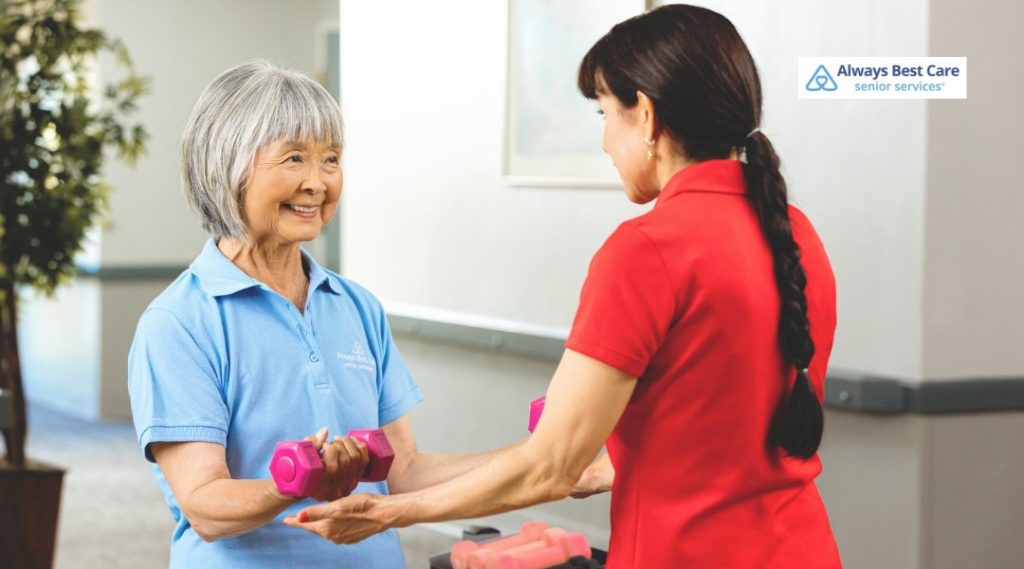
At Always Best Care of Spring, TX, we take a whole-person approach to stroke recovery. Our home health team works in close coordination with physicians, therapists, and family members to build care plans that reflect each senior’s unique needs and goals.
Beyond skilled nursing and therapy, our caregivers can assist with daily activities, transportation to follow-up appointments, meal preparation, and companionship, ensuring that no aspect of recovery is overlooked.
Our goal is simple: to help seniors in Spring, TX heal safely, comfortably, and confidently in the place they call home.
Frequently Asked Questions
Q: When should home health services begin after a stroke?
A: Home health services can typically begin shortly after a senior is discharged from the hospital or a rehabilitation facility. In many cases, a physician will recommend home health as part of the discharge plan. Starting services early helps maintain the momentum of recovery and reduces the risk of setbacks.
Q: Does Medicare cover home health services after a stroke?
A: Medicare may cover home health services if a physician certifies that the patient is homebound and requires skilled care. Coverage can include skilled nursing, physical therapy, occupational therapy, and speech therapy. It’s important to verify eligibility and coverage details with your healthcare provider or insurance representative.
Q: How often will a home health professional visit?
A: Visit frequency depends on the individual’s care plan and the level of need. Some seniors may receive daily visits in the early stages of recovery, while others may transition to a few visits per week as they improve. Care plans are regularly reviewed and adjusted based on progress.
Q: What’s the difference between home health and in-home care?
A: Home health refers to medically-focused services provided by licensed professionals, such as nurses and therapists. In-home care typically refers to non-medical support, such as help with bathing, dressing, meal preparation, and companionship. Many families benefit from both types of support working together.
Q: Can home health services support a senior with multiple health conditions?
A: Yes. Skilled nurses are trained to manage complex health situations, including seniors who are recovering from a stroke while also managing conditions like diabetes, hypertension, or heart disease. A coordinated care plan ensures all conditions are addressed together.
Healing Stronger, Together at Home
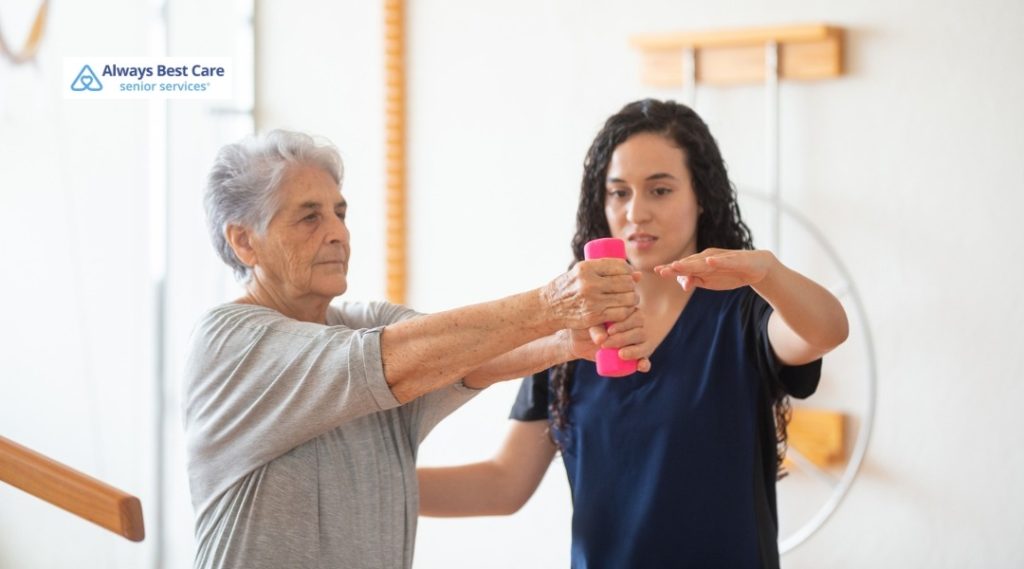
Recovering from a stroke is a deeply personal journey, and no one should have to walk it alone. With skilled nursing, focused therapy, and warm, reliable support in the home, seniors in Spring, TX can heal in a space that feels safe, familiar, and truly their own.
Call Always Best Care of Spring, today at (832) 585-1941 to schedule a care consultation and learn how our home health services can support your loved one’s stroke recovery with skilled nursing, therapy, and compassionate care.
Link to the Markdown File version of the article