Preparing Your Home for Summer: Senior Safety Tips in Spring, TX
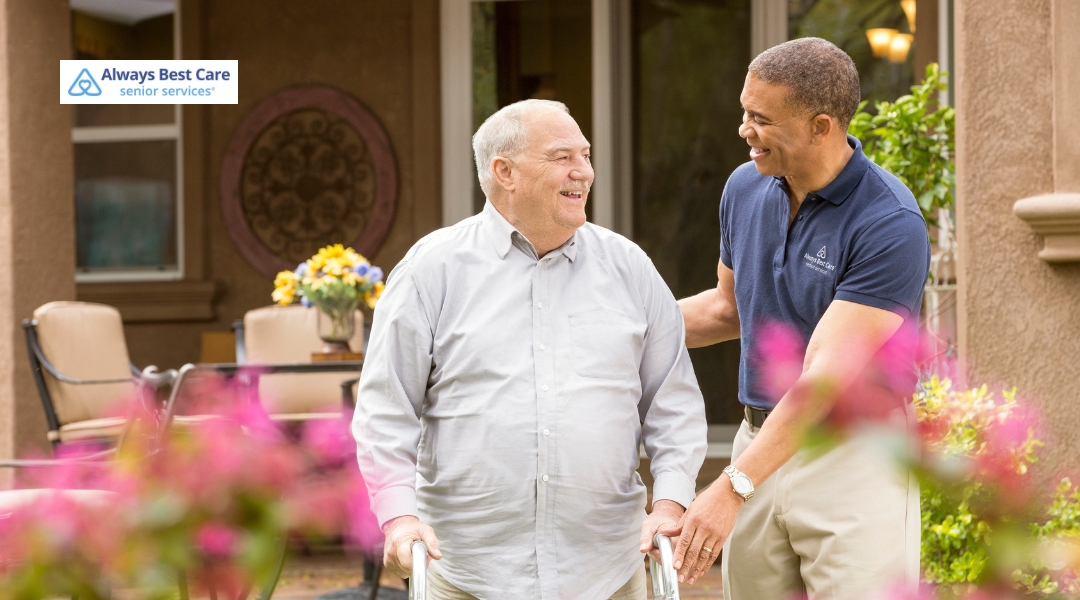
Summers in Spring, TX bring long, sun-filled days, but also intense heat and humidity that can pose real risks for older adults. As the body ages, it becomes less effective at regulating temperature, making seniors significantly more vulnerable to heat exhaustion, dehydration, and heat stroke. The good news? A proactive approach to home preparation can help seniors stay safe, comfortable, and independent all season long.
Here’s how families and caregivers can get ahead of summer’s challenges before they become emergencies.
What you will learn:
- How to keep a senior’s home in Spring, TX comfortably cool and protected from the summer heat.
- Gentle daily habits that support hydration, safer medication use, and overall warm-weather wellbeing.
- Simple ways to spot and reduce indoor and outdoor safety risks, including falls, storms, and power outages.
- How reassuring in-home care helps seniors stay independent, supported, and happily at home all season long.
Table of Contents
Start With Your Cooling System, Before You Need It
Don’t wait for the first heat wave to discover your AC isn’t working. Schedule an HVAC inspection and service call in late spring, before demand spikes and appointment slots fill up. Replace air filters, test ceiling fans (make sure they spin counterclockwise in summer to push cool air down), and check that window units are properly sealed.
For seniors without air conditioning, identify local cooling centers, libraries, or community spaces in Spring, TX that offer relief on extreme-heat days. Keep that list somewhere visible and accessible.
Make Hydration Effortless
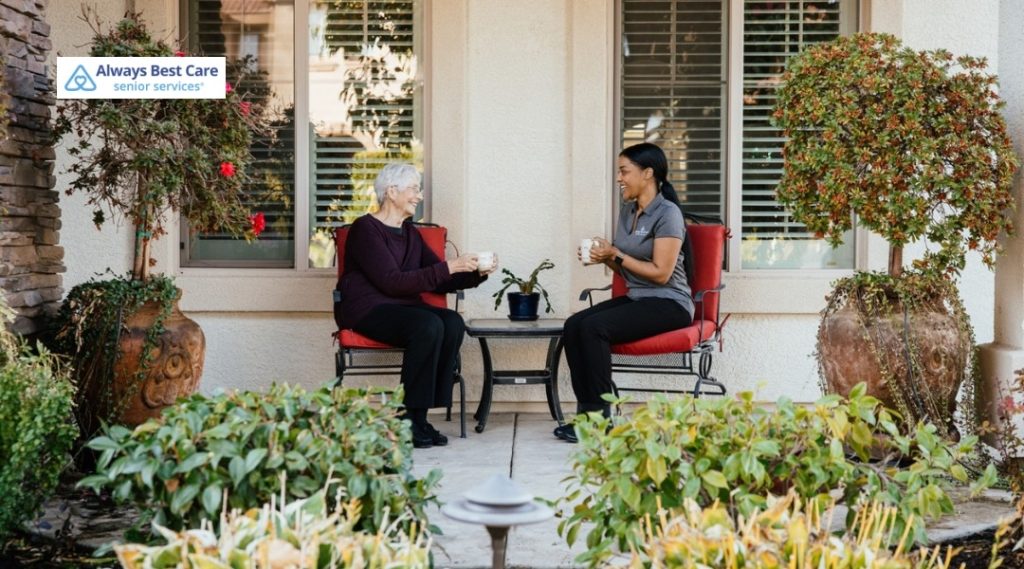
One of the most underestimated summer risks for seniors is dehydration. Older adults often have a diminished sense of thirst, meaning they may not drink enough water even when their body urgently needs it. Certain medications, including diuretics and antihistamines, can compound this risk.
Rather than relying on thirst as a cue, build hydration into the daily routine:
- Place water bottles in every room the senior spends time in
- Set phone or watch reminders to drink every hour
- Incorporate water-rich foods like watermelon, cucumbers, strawberries, and celery into meals
- Limit caffeine and alcohol, which accelerate fluid loss
Small, consistent habits make a bigger difference than occasional large glasses of water.
Audit Outdoor Spaces for Safety
Summer encourages more time outside, gardening, walking, and sitting on the patio. Before that happens, do a thorough walkthrough of all outdoor areas with a safety-focused eye.
Look for and address:
- Cracked or uneven walkways and loose pavers
- Garden hoses, tools, or other tripping hazards left on pathways
- Wobbly or missing handrails on steps and ramps
- Overgrown shrubs or plants that narrow walking paths
- Outdoor lighting that’s burned out or insufficient for evening use
A well-maintained outdoor space doesn’t just prevent falls; it encourages seniors to stay active and engaged, which supports both physical and mental health.
Build a Storm and Power Outage Plan
Spring, TX is no stranger to summer storms. Power outages during a heat wave can become dangerous for seniors within hours, especially those with medical equipment or temperature-sensitive medications.
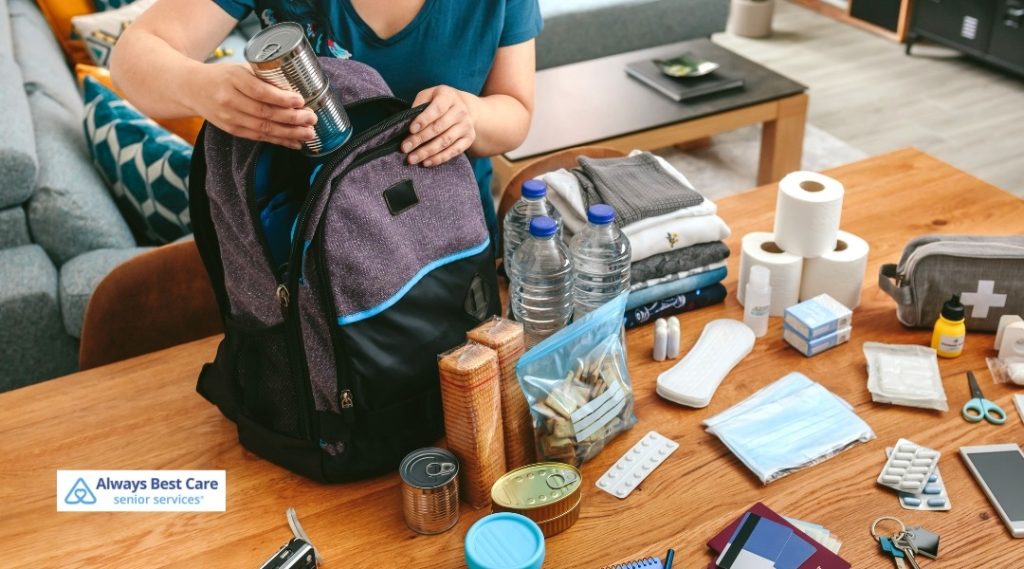
Prepare an emergency kit that includes:
- At least 72 hours of bottled water and nonperishable food
- Flashlights, extra batteries, and a battery-powered fan
- A printed list of medications, dosages, and emergency contacts
- Backup charging options for phones and medical devices
- Copies of important documents in a waterproof bag
Equally important: establish a communication plan with family members. Decide in advance who checks in, how often, and what the backup plan is if someone can’t be reached.
Protect Medications From the Heat
Many people don’t realize that heat can degrade medications, reducing their effectiveness or even making them harmful. Insulin, certain eye drops, and some heart medications are particularly sensitive to temperature fluctuations.
Review storage instructions for every medication and:
- Move any medications stored near windows or in warm areas to a cooler location
- Never leave medications in a car during the summer months
- Ask a pharmacist or physician about any heat-related side effects for current prescriptions
- Keep a backup supply of critical medications in case of emergency
This is a simple step that’s easy to overlook but can have a significant impact on health outcomes.

Reduce Indoor Fall Risks
Falls are a leading cause of injury among older adults, and summer introduces new indoor hazards. Wet floors from tracking in water after outdoor activities, lighter footwear like sandals or bare feet, and increased fatigue from heat all raise the risk.
Reduce that risk by:
- Placing non-slip mats at all entry points and in bathrooms
- Keeping walkways free of clutter, cords, and loose rugs
- Ensuring all rooms, especially hallways and staircases, are well-lit
- Encouraging the use of supportive, closed-toe footwear indoors
These adjustments take minutes to implement and can prevent life-altering injuries.
How Always Best Care of Spring, TX Can Help
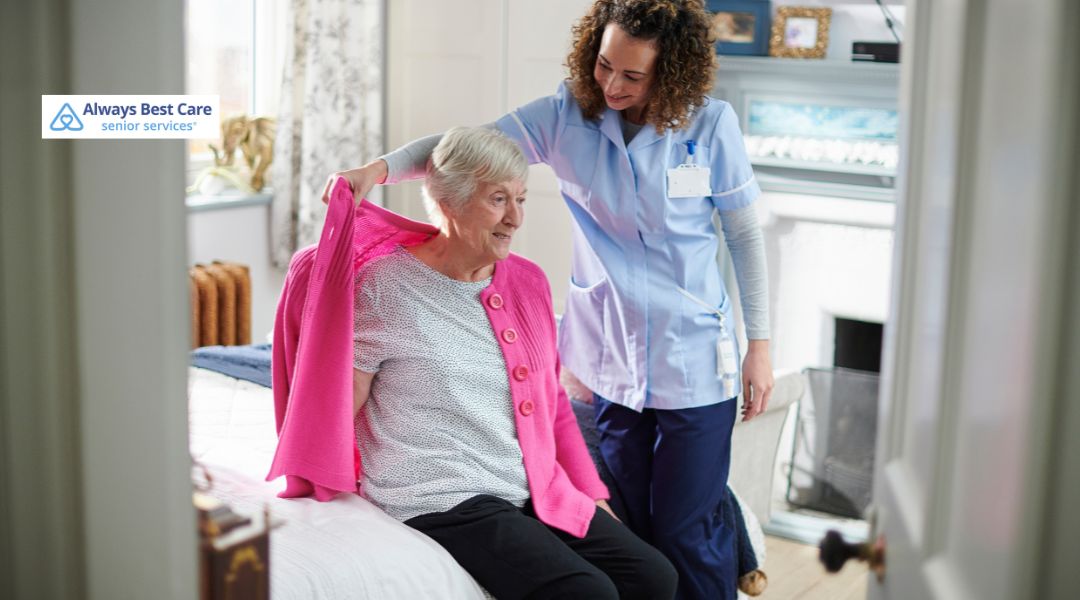
Summer preparation is manageable with the right support. Always Best Care of Spring, TX provides in-home caregiving services that help seniors navigate the season safely and comfortably, without sacrificing their independence.
Our caregivers can assist with:
- Home safety walkthroughs and light housekeeping
- Meal preparation and hydration reminders
- Transportation to medical appointments and errands
- Medication reminders and wellness monitoring
- Companionship to reduce isolation during hot days spent indoors
Frequently Asked Questions
Q: At what temperature does heat become dangerous for seniors?
A: Temperatures above 80°F can become risky for older adults, particularly when combined with high humidity. Heat index values above 91°F are considered dangerous. Seniors should limit outdoor activity during peak heat hours (typically 10 a.m. to 4 p.m.) and stay in air-conditioned spaces as much as possible.
Q: What are the early warning signs of heat exhaustion in seniors?
A: Watch for heavy sweating, cool or pale skin, weakness, dizziness, nausea, and a rapid or weak pulse. Heat exhaustion can escalate to heat stroke quickly in older adults. If symptoms appear, move the person to a cool area, offer water, and contact a healthcare provider.
Q: How much water should a senior drink each day in summer?
A: Most older adults should aim for at least 8 cups (64 oz) of water per day, though individual needs vary based on health conditions, medications, and activity level. Consult a physician for personalized guidance, especially if the senior has kidney disease or heart conditions.
Q: Can medications make seniors more vulnerable to heat?
A: Yes. Diuretics, beta-blockers, antipsychotics, antihistamines, and several other common medications can impair the body’s ability to regulate temperature or increase dehydration risk. Review all current medications with a pharmacist or doctor before summer begins.
Q: What should I do if my senior loved one’s home loses power during a heat wave?
A: Move them to an air-conditioned location as quickly as possible, a family member’s home, a local cooling center, or a community facility. If they have medical equipment that requires power, contact their healthcare provider and local emergency services for guidance. Always have a plan in place before an outage occurs.
Sun-Safe Summers, Happy Seniors in Spring
Whether your loved one needs a few hours of support each week or more comprehensive daily care, we tailor our services to fit their needs.
Call Always Best Care of Spring, TX today at (832) 664-7831 to schedule a free care consultation and learn how we can help your loved one stay safe, healthy, and independent this summer.
Link to the Markdown File version of the article