Stroke Prevention Tips for Seniors in Spring: Protecting Brain Health Through Healthy Habits
Every 40 seconds, someone in the United States has a stroke. For older adults, the stakes are even higher. Age is one of the most significant risk factors, and the consequences can be severe. But here’s what many families don’t realize: up to 80% of strokes are preventable. With the right daily habits and consistent medical care, seniors can take meaningful control of their brain health.
This guide breaks down the most effective, evidence-backed strategies for stroke prevention and how caregivers and family members can help make them stick.
What you will learn:
- Why stroke risk increases with age, and how conditions like high blood pressure, diabetes, and high cholesterol affect brain health for seniors in Spring.
- The everyday healthy habits that best support brain and heart health include regular physical activity, nourishing foods, and careful management of blood pressure, blood sugar, and cholesterol.
- How loving, consistent support from family and in-home caregivers helps seniors follow prevention routines, spot warning signs early, and stay independent with confidence.
Table of Contents
Why Stroke Risk Rises with Age
Aging naturally affects the cardiovascular system. Blood vessels become less flexible, blood pressure tends to rise, and the cumulative effects of chronic conditions like diabetes and high cholesterol begin to compound. For seniors in Spring, factors like heat, physical inactivity, and social isolation can add additional strain on the heart and brain.
Understanding your personal risk profile through regular checkups and honest conversations with your doctor is the first step toward prevention.
Control Blood Pressure Before It Becomes a Problem
High blood pressure is the single most controllable risk factor for stroke. When left unmanaged, it silently damages blood vessels over time, making a blockage or rupture far more likely.
Practical steps for seniors:
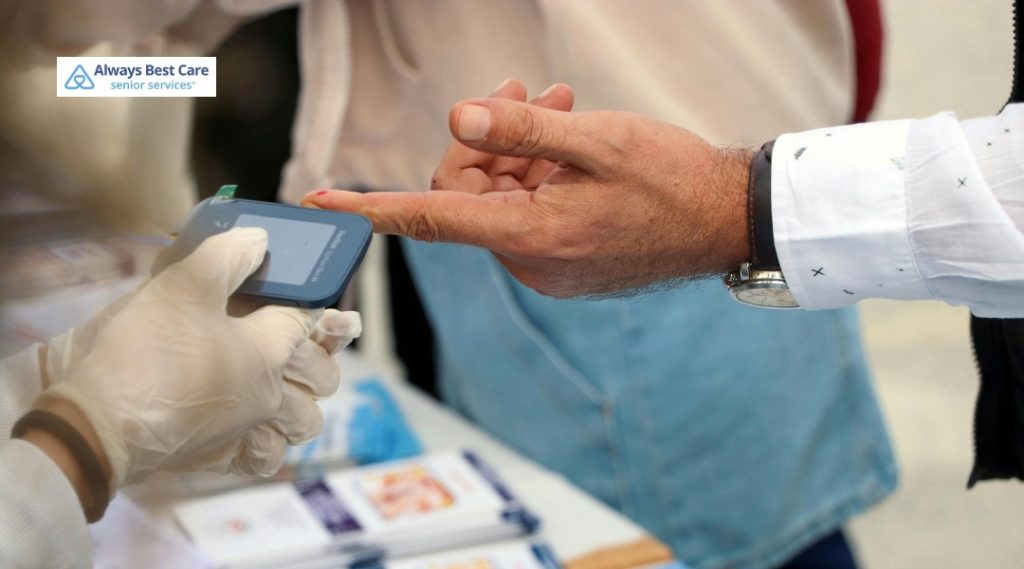
- Check blood pressure at home regularly, not just at doctor visits
- Take prescribed medications consistently; skipping doses can cause dangerous spikes
- Cut back on sodium by reading food labels and cooking more meals at home
- Limit alcohol consumption, which can raise blood pressure significantly
- Manage stress through relaxation techniques, social connection, or light exercise
The goal for most adults is a blood pressure reading below 130/80 mmHg. Ask your doctor what the right target is for you.
Manage Diabetes with Precision
Uncontrolled blood sugar damages the walls of blood vessels, making them more prone to blockages. Seniors with diabetes face a significantly elevated stroke risk, but that risk drops substantially with proper management.
Key habits include:
- Monitoring blood glucose levels at consistent times each day
- Following a meal plan that limits refined sugars and simple carbohydrates
- Staying active, since even a 20-minute walk can improve insulin sensitivity
- Keeping all follow-up appointments with your endocrinologist or primary care physician
Diabetes management isn’t just about blood sugar; it’s about protecting every organ in the body, including the brain.
Address Cholesterol and Heart Health Together
High LDL cholesterol contributes to plaque buildup in the arteries, narrowing the pathways that carry blood to the brain. Over time, this significantly increases stroke risk, particularly when combined with high blood pressure or diabetes.
Seniors can support healthy cholesterol by:
- Prioritizing fiber-rich foods like oats, legumes, and leafy greens
- Replacing saturated fats with heart-healthy options like olive oil, avocado, and fatty fish
- Taking prescribed statins or other cholesterol-lowering medications as directed
- Getting a full lipid panel checked at least once a year
Heart health and brain health are deeply connected. Protecting one means protecting the other.
Move More: Even a Little Goes a Long Way
Regular physical activity improves circulation, helps maintain a healthy weight, lowers blood pressure, and reduces inflammation, all of which directly lower stroke risk. Seniors don’t need to run marathons to benefit.
Low-impact activities that make a real difference:
- Daily 20–30 minute walks in the neighborhood or a local park
- Chair yoga or seated stretching routines
- Water aerobics or swimming
- Tai chi, which also improves balance and reduces fall risk
- Light gardening or household activity
Consistency matters more than intensity. Even breaking up long periods of sitting with short walks throughout the day has measurable cardiovascular benefits.
Eat to Protect Your Brain
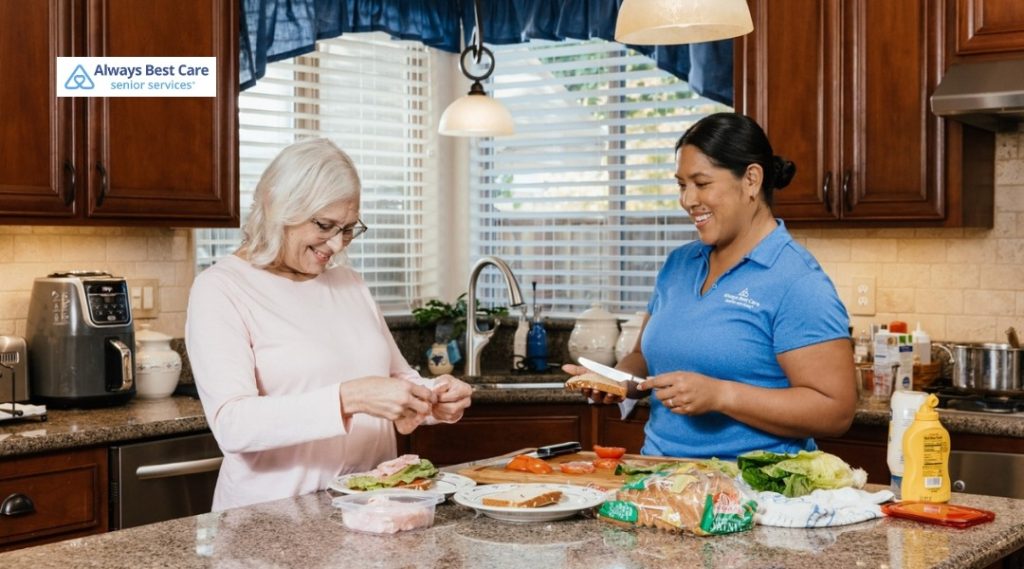
Diet is one of the most powerful tools for stroke prevention and one of the most underutilized. A nutrient-dense diet reduces inflammation, supports healthy blood vessels, and helps manage blood pressure and cholesterol simultaneously.
A brain-protective diet emphasizes:
- Colorful fruits and vegetables (aim for at least five servings per day)
- Whole grains over refined carbohydrates
- Lean proteins such as fish, chicken, and legumes
- Healthy fats from nuts, seeds, and olive oil
- Limited processed foods, fast food, and added sugars
- Adequate hydration can thicken blood and impair circulation
The Mediterranean and DASH diets are both well-researched and consistently recommended for cardiovascular and brain health in older adults.
The Role of Caregiving in Stroke Prevention
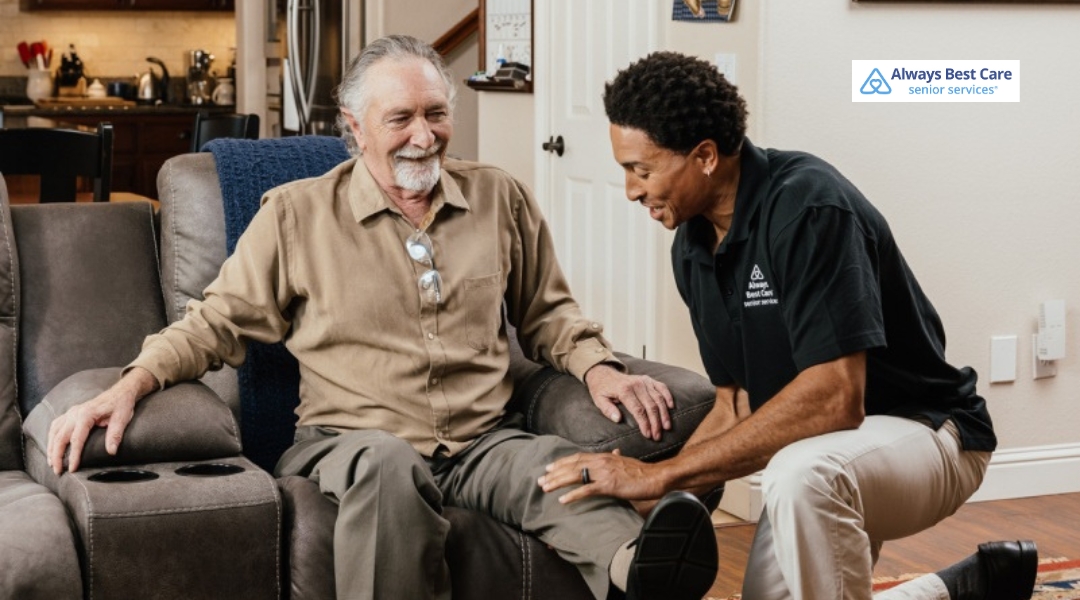
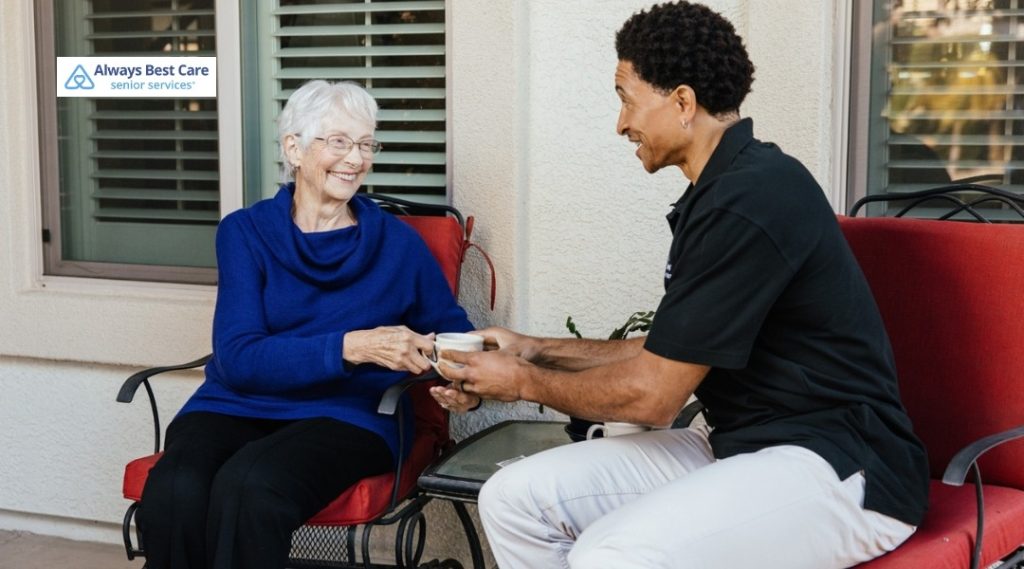
For many seniors, the biggest barrier to healthy habits isn’t knowledge; it’s consistency. Managing medications, preparing nutritious meals, staying active, and keeping up with medical appointments can be overwhelming, especially for those living alone or managing multiple conditions.
This is where in-home caregiving makes a measurable difference. A dedicated caregiver can:
- Prepare heart-healthy meals tailored to dietary needs
- Provide transportation to and from medical appointments
- Offer medication reminders to prevent missed or doubled doses
- Encourage and accompany seniors on daily walks
- Monitor for early warning signs and communicate with family members
Proactive, consistent support at home doesn’t just improve quality of life; it can genuinely reduce the risk of a life-altering health event.

Frequently Asked Questions
Q: What are the most common warning signs of a stroke?
A: The FAST acronym is the easiest way to remember: Face drooping, Arm weakness, Speech difficulty, Time to call 911. Other symptoms include sudden vision changes, severe headache, and loss of balance or coordination. If any of these occur, call emergency services immediately.
Q: At what age does stroke risk increase significantly?
A: Stroke risk increases with age, and the risk roughly doubles every decade after age 55. However, strokes can occur at any age, which is why prevention habits are important for adults of all ages.
Q: Can stroke be prevented if there is a family history?
A: A family history of stroke does increase your risk, but it doesn’t make a stroke inevitable. Lifestyle changes, particularly managing blood pressure, staying active, and eating well, can significantly offset genetic risk factors.
Q: How does smoking affect stroke risk?
A: Smoking nearly doubles the risk of stroke. It damages blood vessel walls, raises blood pressure, and reduces the amount of oxygen in the blood. Quitting smoking at any age reduces stroke risk, often within just a few years.
Q: How can an in-home caregiver help with stroke prevention?
A: Caregivers support stroke prevention by helping seniors maintain consistent routines around medication, nutrition, physical activity, and medical appointments. They also serve as an important first line of observation, noticing changes in health or behavior that may warrant medical attention.
Helping Seniors Stay Healthy and Independent in Spring
Stroke prevention is not a single action; it’s a lifestyle built on daily choices, consistent care, and the right support system. Seniors who actively manage their blood pressure, blood sugar, cholesterol, diet, and activity levels are giving themselves the best possible chance at a long, independent life.
At Always Best Care of Spring, our caregivers are trained to support seniors in building and maintaining the healthy routines that matter most. Whether your loved one needs help with meals, medication reminders, or simply a reliable companion for daily walks, we’re here to help.
Call Always Best Care of Spring today at (832) 585-1941 to schedule a free care consultation and learn how we can support your family.
Link to the Markdown file version of the article