

Blood Sugar Changes in Older Adults: Warning Signs Families Should Know in Worcester
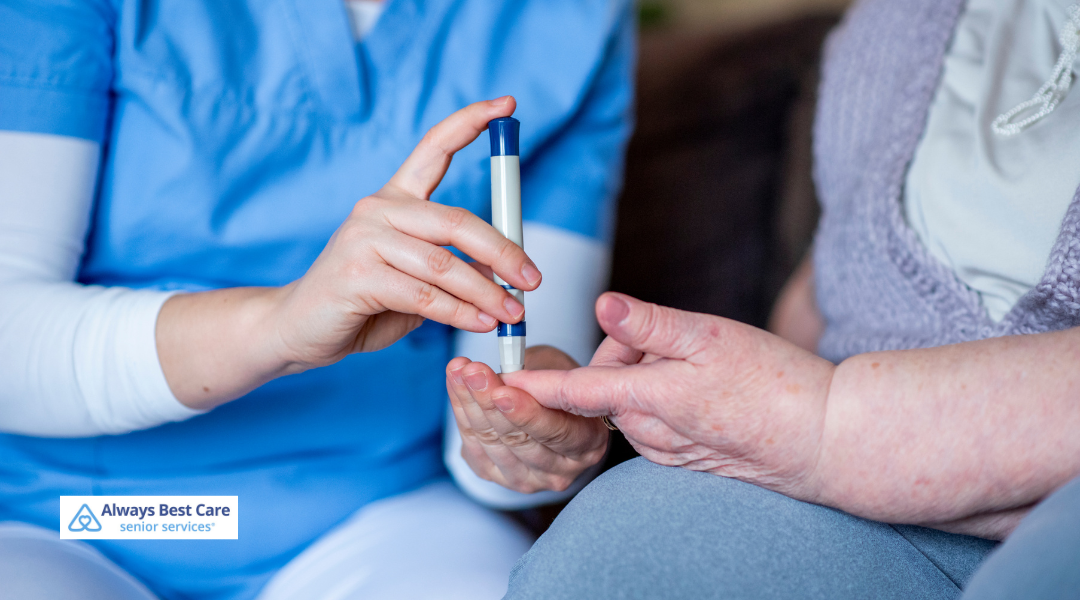
Blood sugar can be a bit of a moving target for older adults. One day everything’s fine, and the next, a missed meal, a new medication, or a rough night of sleep can throw things off. For families in Worcester, knowing the warning signs can make all the difference.
Blood sugar changes can be easy to overlook in older adults, especially when warning signs resemble everyday fatigue, forgetfulness, or mood changes. This guide helps Worcesterfamilies recognize possible concerns early, encourage steady routines, and find compassionate support when a loved one needs extra help at home.
What You Will Learn
- Why aging, medications, health changes, and routines can affect blood sugar.
- The common signs of low and high blood sugar in older adults.
- How families can spot meaningful changes in a loved one’s everyday routine.
- Simple habits and in-home support options that can make diabetes care easier.
Table of Contents
Why Blood Sugar Changes More Often With Age
As people get older, diabetes care can get trickier. Appetites shift, schedules change, and other health concerns may pile on. Add memory troubles, less activity, or a new prescription, and blood sugar can swing faster than expected.
A few common reasons include:
- Eating less than usual
- Skipping meals
- New or changing medicines
- Illness or infection
- Trouble moving around
- Changes in memory or routine

Warning Signs of Low Blood Sugar
Low blood sugar can come on fast, and that’s what makes it risky. A senior may seem “off” before anyone realizes what’s happening.
Watch for:
- Shaking or sweating
- Dizziness
- Hunger
- Headache
- Irritability
- Trouble focusing
- Confusion
- Poor balance or clumsy movement
Don’t brush off sudden confusion or weakness as “just aging.” If symptoms get severe, emergency help may be needed right away.
Warning Signs of High Blood Sugar
High blood sugar often sneaks up more slowly, so it’s easier to miss at first. Still, the body usually sends a few clues.
Look for:
- Extra thirst
- Frequent trips to the bathroom
- Blurry vision
- Tiredness
- Headache
- Unplanned weight loss
- Cuts or sores that heal slowly
If blood sugar stays high for too long, it can hurt the eyes, kidneys, nerves, heart, and blood vessels. Serious confusion, trouble breathing, passing out, or sudden weakness needs urgent medical attention.

Pay Attention to What’s Normal
Families don’t need a medical degree to notice trouble. What matters most is knowing what’s normal for your loved one.
Maybe they usually chat away at breakfast, but now they’re quiet and foggy. Maybe they’re drinking water nonstop or walking a little unsteadily. Small changes can be the first clue that something’s wrong.
A good habit is to ask the doctor:
- What blood sugar range should we watch for?
- How often should glucose be checked?
- Which signs mean we should call the doctor?
- What counts as an emergency?
Simple Routines Can Help
Steady habits can make diabetes care easier to manage. Small steps matter more than folks often think.
Helpful routines may include:
- Eating meals and snacks at regular times
- Taking medicine exactly as prescribed
- Checking blood sugar as directed
- Drinking enough water
- Staying active in safe, approved ways
- Keeping doctor visits on the calendar
It also helps to tell the doctor about every medicine and supplement being taken, since some can affect blood sugar.

Blood Sugar Changes in Older Adults: Warning Signs Families Should Know in Worcester
For many families, the biggest challenge isn’t the diabetes itself—it’s keeping up with the day-to-day details. Memory loss can lead to missed meals or medicine. Arthritis, shaky hands, poor vision, or trouble walking can make testing blood sugar or preparing food harder than it used to be.
That’s where extra support can really help.
How Always Best Care of Worcester Can Help
At Always Best Care of Worcester, we help make daily life feel more manageable. We can lend a hand with:
- Meal preparation
- Medication reminders
- Water and hydration support
- Safe activity encouragement
- Rides to appointments
- Watching for changes worth reporting
For seniors who qualify for home health services, trained professionals can also provide added
support based on medical needs and the doctor’s plan.

Frequently Asked Questions
Q: What are the first signs of low blood sugar?
A: Shaking, sweating, dizziness, hunger, and confusion are common early signs.
Q: What are the first signs of high blood sugar?
A: Thirst, frequent urination, blurry vision, fatigue, and slow-healing cuts are common clues.
Q: Can memory problems affect diabetes care?
A: Yes. Memory changes can lead to missed meals, missed medicine, or skipped glucose checks.
Q: When should we call for emergency help?
A: Call right away for severe confusion, trouble breathing, passing out, or sudden major weakness.
Q: How can Always Best Care of Worcester support my family?
A: We can help with meals, reminders, hydration, transportation, and noticing changes that may need medical attention.
Small Steps, Steadier Days
Blood sugar can change fast, and older adults may not always spot the warning signs in time. By staying alert, keeping routines steady, and asking for help early, families can make daily life safer and less stressful. If your loved one needs more support at home, Always Best Care of Worcester is here to help.
If your loved one in Worcester could benefit from extra support at home, reach out to Always Best Care of Worcester at (508) 978-6307 today. Our caring team can assist with meal preparation, medication reminders, hydration, safe activity, transportation to appointments, and everyday routines that help seniors feel more confident at home.
Link to the Markdown File version of the article