
Home Health for Stroke Recovery: Therapy, Monitoring, and Support in Worcester, MA

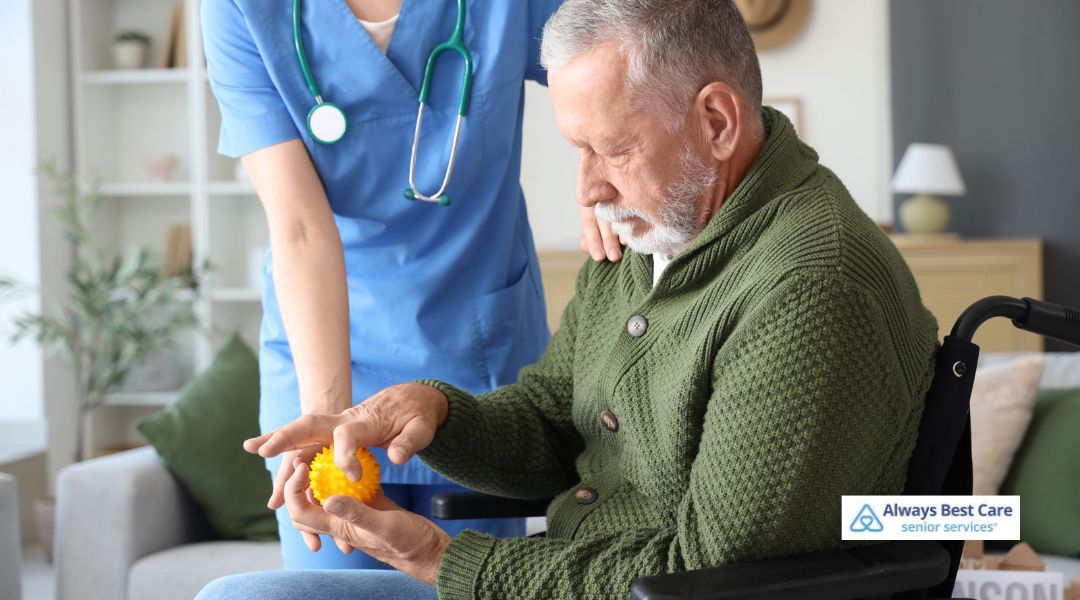
Returning home after a stroke is a significant milestone, but it is also the point where consistent, skilled support becomes essential. Hospital care stabilizes the patient, but the real work of rebuilding strength, relearning daily tasks, and preventing complications happens over weeks and months at home.
Home health services bridge the gap between clinical rehabilitation and independent living. For stroke survivors in Worcester, MA, having a dedicated care team at home means faster progress, fewer setbacks, and greater peace of mind for the entire family.
What you will learn:
- The key challenges stroke survivors face at home and why ongoing support is essential for recovery.
- How home health services like skilled nursing, physical therapy, and occupational therapy support healing and independence.
- The importance of monitoring for complications and preventing secondary strokes during recovery.
- How emotional support and coordinated care improve outcomes for both patients and their families.
Table of Contents
The Real Challenges of Stroke Recovery at Home
No two strokes are alike. Depending on the area of the brain affected, survivors may face a combination of physical, cognitive, and emotional challenges, often all at once.
Common post-stroke difficulties include:
- One-sided weakness or partial paralysis
- Difficulty walking, balancing, or coordinating movement
- Speech and language impairments
- Memory lapses and trouble concentrating
- Emotional changes such as depression or anxiety
- Challenges with everyday tasks like dressing, cooking, or bathing
These challenges do not disappear after discharge. In fact, without structured support at home, many survivors plateau or experience preventable complications. Home health services ensure that recovery continues with the same level of attention and expertise that began in the hospital.

Skilled Nursing: Medical Oversight Where It Matters Most
After a stroke, medical monitoring does not stop at the hospital door. Skilled nursing at home provides ongoing clinical oversight that helps catch problems early and keeps recovery on track.
A home health nurse in Worcester, MA may:
- Monitor blood pressure, heart rate, and other vital signs
- Manage medications and watch for adverse interactions
- Identify early warning signs of a secondary stroke or complication
- Coordinate care with the patient’s physicians and specialists
- Educate family members on what to watch for and how to respond
Many stroke survivors also manage other chronic conditions such as diabetes, high blood pressure, or heart disease. Skilled nurses address these conditions as part of a unified care plan, reducing the risk of one condition undermining progress in another.
Physical Therapy: Rebuilding Strength and Movement
Regaining physical function is often the most visible part of stroke recovery. Physical therapy at home focuses on restoring the movement, strength, and balance needed for safe, independent living.
Home-based physical therapy in Worcester, MA targets:
- Muscle strength and coordination on the affected side
- Balance, stability, and fall prevention
- Walking ability and safe navigation of the home environment
- Range of motion in arms, legs, and joints
Because therapy takes place in the patient’s actual living space, not a clinical gym, exercises are directly relevant to the patient’s daily life. A therapist can assess how a patient moves through their hallway, climbs their specific staircase, or gets in and out of their own bed. This real-world focus accelerates functional progress and significantly reduces fall risk.

Occupational Therapy: Relearning the Routines of Daily Life
Physical recovery is only part of the picture. Occupational therapy helps stroke survivors rebuild the practical skills needed to live independently and with dignity.
Occupational therapy in Worcester, MA may address:
- Safe bathing, grooming, and dressing techniques
- Adapted methods for cooking, cleaning, and household tasks
- Fine motor skill development for writing, buttoning, or using utensils
- Assistive device recommendations to simplify daily activities
- Home modifications to reduce hazards and improve accessibility
Occupational therapists work at the intersection of function and confidence. When a stroke survivor can once again prepare a simple meal or get dressed without assistance, it signals meaningful progress and reinforces the motivation to keep going.
Monitoring for Complications and Secondary Strokes
One of the most critical roles of a home health team is vigilance. Stroke survivors face an elevated risk of experiencing another stroke, particularly in the weeks and months following the first event.
Home health professionals monitor for:
- Sudden changes in speech, vision, or movement
- New or worsening weakness on one side of the body
- Unusual fatigue, confusion, or disorientation
- Elevated blood pressure or irregular heart rhythms
- Signs of infection, blood clots, or other secondary complications
Early identification of these warning signs can prevent a medical emergency and reduce the likelihood of hospitalization. Families gain significant peace of mind knowing that trained professionals are present and paying close attention.
Emotional and Social Support Throughout Recovery
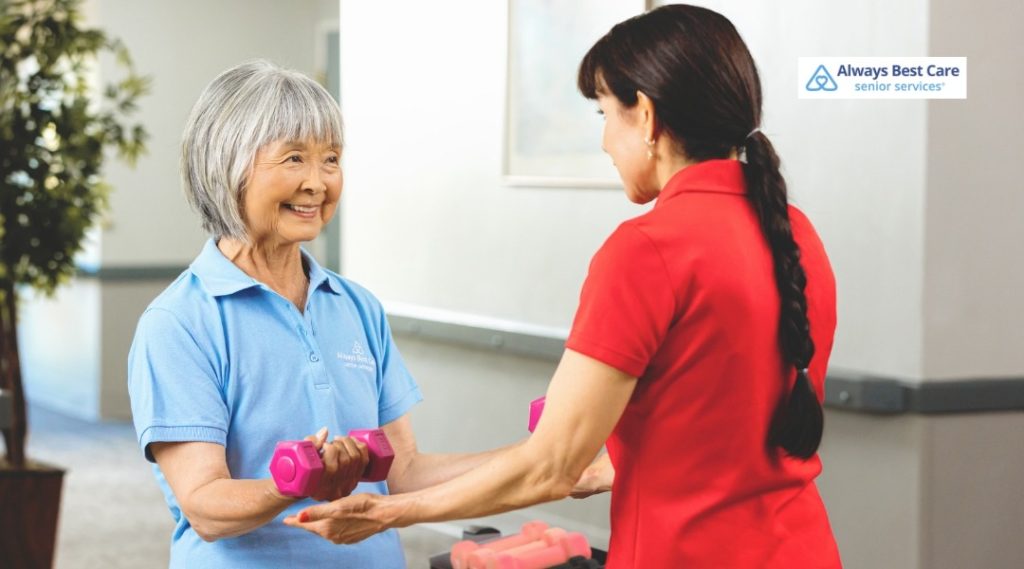
The emotional toll of a stroke is often underestimated. Many survivors experience grief over lost abilities, frustration with slow progress, and anxiety about the future. Depression is common and, if left unaddressed, can slow physical recovery.
Home health caregivers provide more than medical support; they offer a consistent human connection. Regular visits from a trusted caregiver reduce isolation, provide encouragement, and help survivors maintain a sense of normalcy and purpose during a difficult time.
Family members also benefit. Knowing that a qualified professional is involved in their loved one’s care reduces caregiver stress and helps families focus on emotional support rather than medical management alone.
Frequently Asked Questions
Q: How soon after a stroke can home health services begin?
A: Home health services can typically begin within days of hospital discharge. In many cases, a discharge planner or physician will initiate a referral before the patient leaves the hospital, allowing care to start immediately upon returning home.
Q: Does Medicare cover home health services after a stroke?
A: Medicare may cover skilled nursing, physical therapy, occupational therapy, and speech therapy at home if the patient meets eligibility criteria, including being homebound and having a physician’s order. Coverage details vary, so it is advisable to confirm benefits with your provider.
Q: How long does home health care continue after a stroke?
A: The duration depends on the individual’s recovery progress and care needs. Some patients require home health services for a few weeks; others benefit from ongoing support for several months. Care plans are regularly reassessed and adjusted based on progress.
Q: What is the difference between home health and home care?
A: Home health refers to medically skilled services such as nursing and therapy, typically ordered by a physician. Home care refers to non-medical assistance with daily activities such as bathing, dressing, and meal preparation. Many families benefit from both types of support working together.
Q: Can family members be involved in the care plan?
A: Absolutely. Family involvement is encouraged. Home health professionals regularly communicate with family members, provide education on supporting recovery at home, and coordinate with caregivers to ensure consistency across visits.

How Always Best Care of Worcester, MA Supports Stroke Recovery
At Always Best Care of Worcester, we take a comprehensive approach to stroke recovery at home. Our team coordinates skilled nursing, physical therapy, occupational therapy, and personal care services into a single, cohesive plan tailored to each patient’s needs and goals.
Beyond clinical care, our caregivers assist with daily activities, meal preparation, transportation to follow-up appointments, and companionship, ensuring that no aspect of recovery is overlooked.
We work closely with physicians, discharge planners, and family members to ensure continuity of care from the moment a patient arrives home.
Call Always Best Care of Worcester, MA today at (508) 304-8556 to schedule a care consultation and learn how our home health services can support your loved one’s recovery.
Link to the Markdown File version of the article