

Diabetes Management for Seniors: Keeping Life at Home in Baton Rouge, LA Enjoyable
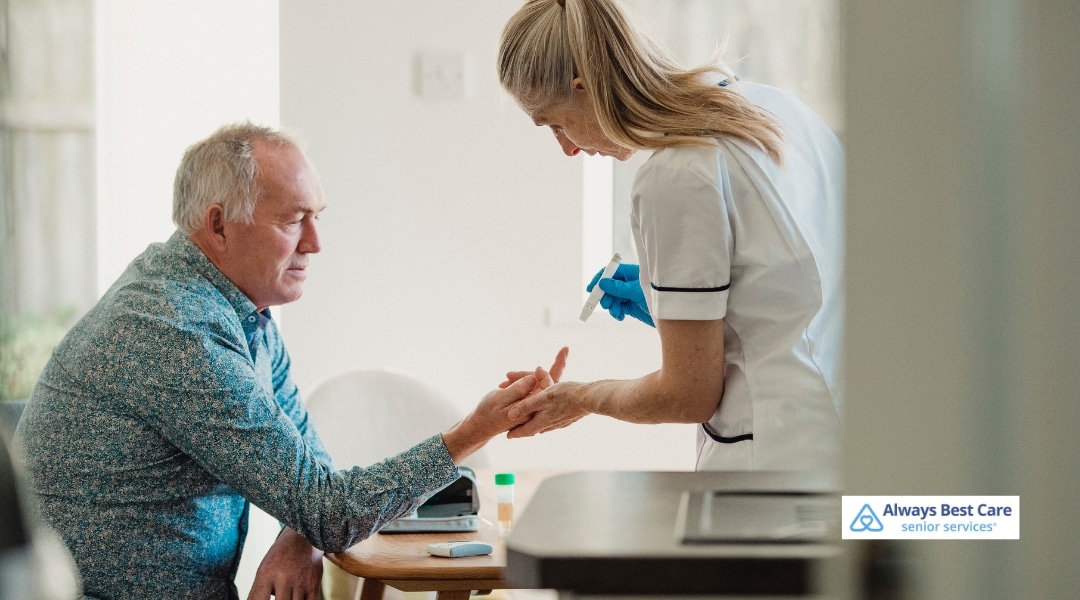
Nobody wants to watch their aging parent or grandparent struggle with diabetes. It’s frustrating, sure, but here’s the good news: managing diabetes with seniors is totally doable when you’ve got the right approach and support system in place. Millions of older adults are living full, active lives while effectively managing their condition. The trick? Understanding what makes diabetes trickier as we age and then tackling it head-on with practical solutions.
Diabetes affects how the body processes glucose, causing blood sugar levels to rise higher than they should. For seniors, this gets complicated fast because aging changes metabolism, adds more medications into the mix, and introduces other health hiccups that younger folks typically don’t face. But don’t get discouraged—with proper attention, daily monitoring, and solid support, your loved one can absolutely thrive.
What you will learn:
- How diabetes affects seniors and the challenges they face, including medication coordination, appetite changes, and physical limitations.
- Practical strategies for managing diabetes at home include balanced nutrition, regular exercise, and staying on top of medications.
- How professional in-home care can make diabetes management easier, providing personalized support, monitoring, and companionship.
- Key warning signs to watch for that could indicate blood sugar issues, and how to take action before they escalate.

Table of Contents
Why Diabetes Gets Tougher for Older Adults
Managing diabetes with seniors looks different than it does for younger people, and there are some real reasons why. As folks age, they often deal with multiple health conditions at once, take several medications, and experience physical changes that make sticking to a routine harder.
The main culprits?
- Memory slips that make forgetting medication times or blood sugar checks way too easy
- Changes in appetite that mess with regular eating schedules
- Vision problems that complicate reading medication labels or glucose monitors
- Reduced mobility that makes cooking and grocery shopping feel like climbing Mount Everest
- Medication interactions that can affect how the body handles blood sugar
Type 2 diabetes shows up most often in this age group, usually tied to insulin resistance and lifestyle factors. Type 1 diabetes is less common but still affects some seniors who’ve had it since earlier in life.
Understanding Your Loved One’s Diabetes Risks
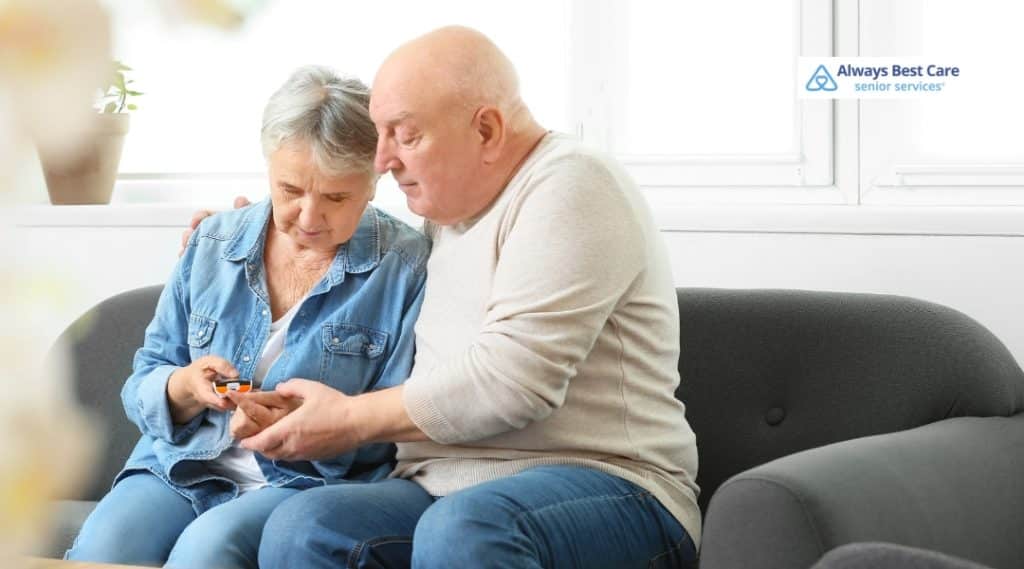
Here’s something important: managing diabetes with seniors requires tailoring your approach based on their overall health picture. Functionally independent older adults with good life expectancy benefit from tighter blood sugar control, similar to what younger people aim for. But for folks dealing with frailty, multiple health issues, or limited life expectancy, a more relaxed approach actually works better and keeps them safer.
The scary part? Low blood sugar (hypoglycemia) can hit older adults harder than younger folks. A sudden drop in blood sugar can cause confusion, dizziness, or even falls—situations that are way more dangerous when you’re already dealing with balance issues or living alone. That’s why preventing hypoglycemia becomes a major focus in managing diabetes in seniors.

Practical Strategies That Actually Work
Keeping Meals Simple and Satisfying
Forget those restrictive “diabetic diets” that taste like cardboard. Instead, focus on straightforward meals that support stable blood sugar without making mealtimes feel like a chore. A balanced approach includes high-fiber vegetables, lean proteins, and whole grains with consistent, moderate carbohydrate portions. Think grilled chicken with roasted sweet potatoes and steamed broccoli—tasty, filling, and blood-sugar friendly.
Skip the complicated meal planning that stresses everyone out. A regular eating schedule with normal-sized portions works just fine and actually helps prevent the malnutrition that sneaks up on so many seniors. If your loved one struggles with cooking or shopping, Always Best Care caregivers in Baton Rouge can handle meal prep and grocery runs.
Getting Movement Into Daily Life
Physical activity doesn’t mean running marathons or hitting the gym. For managing diabetes with seniors, gentle, steady movement is your friend. Walking around the neighborhood, chair exercises, light gardening, or even dancing to favorite songs gets the job done. Exercise helps lower blood sugar naturally and boosts mood and strength—wins all around.
Start slow and build gradually. A doctor’s okay is important before beginning anything new, especially if your loved one hasn’t been active lately.
Simplifying Medication Management
Here’s where things get real: overtreatment happens constantly with older adults, and complex medication routines backfire fast. Simplifying the insulin regimen—like switching from multiple daily injections to once-daily insulin—can actually improve control while cutting hypoglycemia risk. Prefilled insulin pens and premixed insulins reduce dosing mistakes too.
Organize medications in labeled pill boxes, set phone reminders, and keep a simple log of blood sugar readings. When managing diabetes with seniors, consistency matters more than perfection.
Spotting Trouble Before It Becomes a Crisis
Watch for warning signs that blood sugar’s running wild:
- Extreme thirst or frequent urination
- Sudden exhaustion or weakness
- Blurry vision
- Unexplained weight loss
- Cuts or sores that won’t heal
Catching these early prevents serious complications.

How Always Best Care Supports Diabetes Management in Baton Rouge
We get it—managing diabetes with seniors can feel overwhelming, especially if your loved one lives alone or you’re juggling multiple family responsibilities. That’s where we come in. Our caregivers in Baton Rouge provide hands-on support that actually makes a difference:
- Shopping for groceries and preparing balanced meals
- Reminding about medications and glucose monitoring at the right times
- Encouraging daily movement and proper hydration
- Watching for symptoms and reporting changes to healthcare providers
- Offering companionship that reduces stress (which actually helps stabilize blood sugar)
We keep things straightforward and compassionate, never overwhelming your loved one with medical jargon or complicated instructions.

Frequently Asked Questions
Q: What blood sugar targets should older adults aim for?
A: That depends on their overall health. Healthier, independent seniors usually target an A1C around 7–7.5%, while frail older adults or those with multiple health conditions do better with slightly higher targets around 7.6–8.5% to avoid dangerous low blood sugar episodes.
Q: Can seniors still eat their favorite foods?
A: Absolutely. The goal isn’t deprivation—it’s balance. Working with a healthcare provider or nutritionist helps find satisfying meals that keep blood sugar stable without eliminating foods your loved one enjoys.
Q: How often should blood sugar be checked?
A: That varies based on medications, overall health, and individual circumstances. Your loved one’s doctor will recommend a testing schedule that makes sense for their situation.
Q: What’s the biggest mistake families make when managing diabetes with seniors?
A: Trying to be too strict. Overly restrictive diets and aggressive medication regimens often backfire, causing more harm than good. Personalized, realistic approaches work better.

Need Help Managing Diabetes for Your Loved One? Contact Always Best Care of Baton Rouge Today for Compassionate, Professional Support!
Managing diabetes with seniors isn’t about achieving perfection—it’s about creating a sustainable routine that keeps your loved one healthy, independent, and living well. With the right support, practical strategies, and maybe some professional help, older adults can absolutely thrive while managing their condition.
If you’re ready to make life easier for your loved one in Baton Rouge, we’re here to help. Always Best Care provides compassionate, reliable in-home support tailored to your family’s needs. Reach out to us today to discuss how we can assist with diabetes management and help your loved one enjoy the quality of life they deserve. Contact Always Best Care of Baton Rouge at (225) 771-8605 to learn more and schedule your free consultation.