
Healthy Aging in Baton Rouge, LA: Steps Seniors Can Take to Reduce Stroke Risk
Every 40 seconds, someone in the United States has a stroke. For older adults, the consequences can be severe — affecting movement, speech, cognition, and the ability to live independently. Yet up to 80% of strokes are preventable. With the right daily habits and consistent medical care, seniors can take meaningful control of their brain health.
This guide outlines practical, evidence-backed strategies to help seniors in Baton Rouge, LA reduce their stroke risk and maintain a healthy, independent lifestyle.
What You Will Learn:
- The most common stroke risk factors for seniors and how to take control of them.
- Simple lifestyle habits — from blood pressure management to regular movement — that lower stroke risk.
- How diet, exercise, and chronic condition management work together for better brain and heart health.
- The important role caregivers play in helping Baton Rouge seniors maintain consistent wellness routines and independence.

Table of Contents
Know Your Risk Factors
Stroke risk doesn’t appear overnight. It builds gradually through a combination of health conditions and lifestyle patterns. The most common risk factors for seniors include:
- High blood pressure — the single leading cause of stroke
- Type 2 diabetes — damages blood vessels over time
- High cholesterol — contributes to arterial plaque buildup
- Heart disease or atrial fibrillation — increases the likelihood of clots
- Smoking and excessive alcohol use — accelerate vascular damage
- Physical inactivity and poor diet — compound all other risks
Understanding which factors apply to you or your loved one is the first step toward targeted prevention.
Control Blood Pressure — Consistently
High blood pressure puts constant stress on blood vessel walls. Over time, that pressure can cause vessels to weaken, narrow, or rupture — all of which can trigger a stroke.
Managing blood pressure isn’t a one-time effort. It requires daily consistency:
- Take prescribed medications at the same time each day
- Reduce sodium intake by avoiding processed and packaged foods
- Monitor blood pressure at home and log the readings
- Limit alcohol consumption
- Stay physically active and maintain a healthy weight
Seniors should aim for a blood pressure reading below 130/80 mmHg, though individual targets may vary based on a physician’s guidance.
Manage Diabetes Proactively
Diabetes doesn’t just affect blood sugar — it affects the entire vascular system. Chronically elevated glucose levels damage the walls of blood vessels, making them more vulnerable to blockages that can lead to stroke.
Effective diabetes management includes:
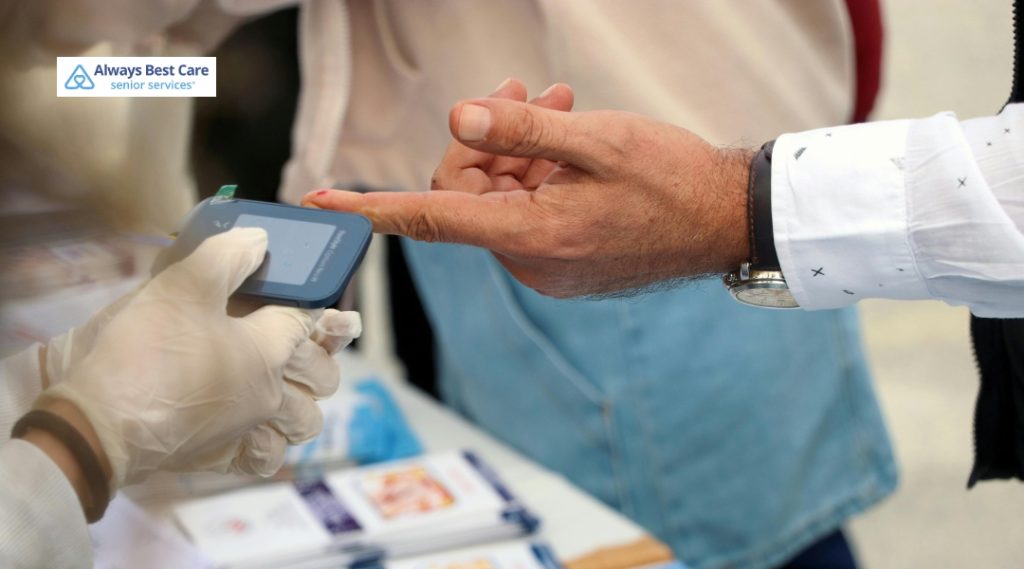
- Monitoring blood sugar levels daily and tracking trends
- Following a meal plan that limits refined sugars and simple carbohydrates
- Taking insulin or other medications exactly as prescribed
- Staying active, since exercise naturally helps regulate blood sugar
- Attending regular A1C checkups with a healthcare provider
When diabetes is well-managed, the risk of stroke-related complications drops significantly.
Keep Cholesterol in Check
Cholesterol itself isn’t harmful — but when LDL (“bad”) cholesterol levels rise too high, it can accumulate along artery walls and form plaque. Over time, this narrows the arteries and restricts blood flow to the brain.
Seniors can support healthy cholesterol levels by:
- Prioritizing fiber-rich foods like oats, legumes, fruits, and vegetables
- Replacing saturated fats with heart-healthy options like olive oil, avocado, and fatty fish
- Limiting red meat and full-fat dairy products
- Taking prescribed cholesterol-lowering medications consistently
- Getting cholesterol panels checked at least once a year
Small, sustained dietary changes can produce meaningful improvements in cholesterol levels over time.
Stay Physically Active
Regular movement is one of the most powerful tools for stroke prevention. Exercise strengthens the heart, improves circulation, helps regulate blood pressure and blood sugar, and supports a healthy weight — all of which reduce stroke risk.
Seniors don’t need intense workouts to benefit. Accessible, low-impact activities include:
- Daily walks in the neighborhood or a local park
- Chair-based stretching or strength exercises
- Swimming or water aerobics
- Yoga or tai chi classes designed for older adults
- Light gardening or household activity
Aim for at least 150 minutes of moderate activity per week, broken into manageable sessions. Even 20–30 minutes a day can make a measurable difference.
Eat for Brain and Heart Health
A nutrient-dense diet directly supports vascular health and reduces the conditions that lead to stroke. The Mediterranean-style diet, in particular, has strong research backing for cardiovascular and brain health.
Focus on:
- Fruits and vegetables at every meal
- Whole grains over refined carbohydrates
- Lean proteins such as fish, poultry, eggs, and legumes
- Healthy fats from olive oil, nuts, and seeds
- Low-sodium seasonings and cooking methods
Limit:
- Processed and packaged foods high in sodium
- Sugary beverages and snacks
- Fried foods and trans fats
Staying well-hydrated throughout the day also supports healthy circulation and overall wellness.
The Role of Caregiving Support in Baton Rouge, LA
For many seniors, the challenge isn’t knowing what to do — it’s doing it consistently, especially when managing multiple health conditions or living alone. This is where caregiver support becomes invaluable.
A dedicated caregiver can help seniors:
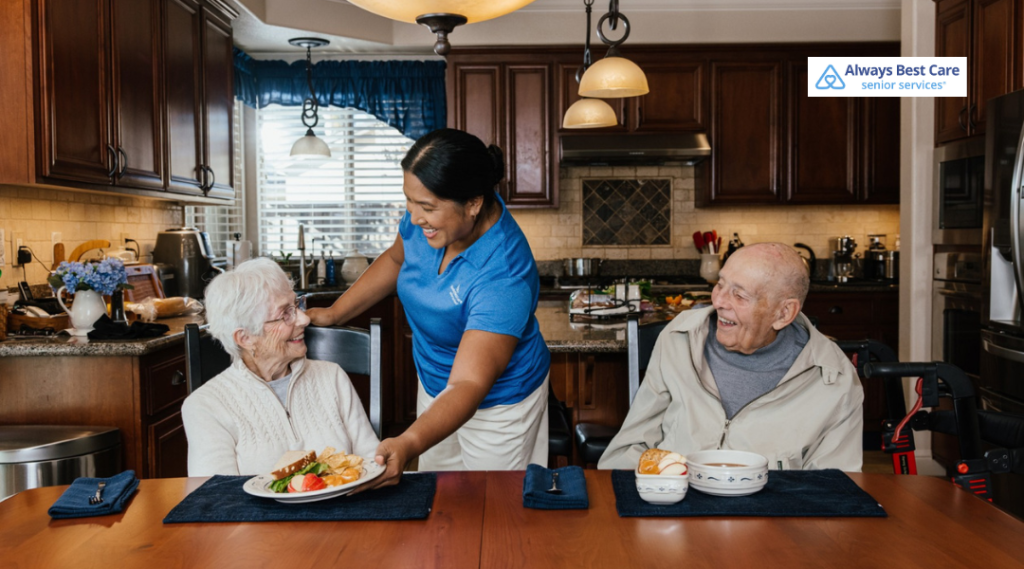
- Prepare nutritious, balanced meals tailored to dietary needs
- Stay on schedule with medications and doctor appointments
- Engage in daily physical activity safely
- Monitor for early warning signs of health changes
- Maintain routines that support long-term wellness
Consistent daily support doesn’t just improve health outcomes — it also reduces stress and promotes a greater sense of security and independence.

Helping Seniors Thrive in Baton Rouge, LA
Stroke prevention is a long-term commitment, not a single action. By managing key health conditions, staying active, eating well, and having the right support in place, seniors can significantly reduce their risk and continue living life on their own terms.
At Always Best Care of Baton Rouge, LA, our caregivers are trained to support seniors in building and maintaining the healthy habits that matter most. From meal preparation and medication reminders to companionship and daily activity support, we’re here to help.
Frequently Asked Questions
Q: What is the most important thing seniors can do to prevent a stroke?
A: Controlling blood pressure is the single most impactful step. High blood pressure is the leading cause of stroke, and keeping it within a healthy range — through medication, diet, and lifestyle changes — dramatically reduces risk.
Q: At what age does stroke risk increase significantly?
A: Stroke risk rises with age, and adults over 55 face a notably higher risk. After 65, the risk continues to climb. However, stroke prevention strategies are beneficial at any age.
Q: Can a senior who has already had a stroke reduce the risk of having another one?
A: Yes. Stroke survivors are at higher risk for a second stroke, but the same prevention strategies apply — and are even more critical. Working closely with a healthcare provider to manage blood pressure, medications, and lifestyle factors is essential.
Q: How can a caregiver help with stroke prevention?
A: Caregivers play a key role by helping seniors stay consistent with medications, prepare healthy meals, stay active, and attend medical appointments. They also provide an extra set of eyes for any changes in health that may need attention.
Q: What are the warning signs of a stroke seniors should know?
A: Remember the acronym FAST: Face drooping, Arm weakness, Speech difficulty, Time to call 911. Acting quickly at the first sign of stroke can significantly improve outcomes.
Contact Always Best Care of Baton Rouge at (225) 771-8605 to learn more and schedule your free consultation.
Link to the markdown version of this blog.