

A Guide to Respiratory Wellness for Seniors in Baton Rouge, LA

For many older adults, breathing becomes more of a conscious effort with each passing year. Whether it’s climbing a flight of stairs, keeping up with grandchildren, or simply getting through the day, respiratory health has a direct impact on a senior’s independence and quality of life. In Baton Rouge, LA—where humidity and seasonal allergens can add extra strain—understanding how to protect lung health is especially important.
This guide offers practical, actionable advice for seniors and their families, covering everything from daily habits to warning signs that shouldn’t be ignored.
What You Will Learn:
- How aging affects lung function and respiratory health.
- How Baton Rouge’s climate impacts breathing and lung conditions.
- Practical ways to improve indoor air quality and daily habits.
- How caregivers support respiratory wellness and independence.

Table of Contents
How Aging Affects the Lungs
Lung function peaks in early adulthood and gradually declines with age. The diaphragm and chest muscles weaken, lung tissue loses elasticity, and the airways become less effective at clearing mucus and debris. These changes don’t happen overnight, but over time they can leave seniors more susceptible to infections, fatigue, and chronic respiratory conditions.
The most common respiratory concerns in older adults include:
- Chronic obstructive pulmonary disease (COPD)
- Asthma
- Pneumonia
- Bronchitis
- Reduced lung capacity
What makes these conditions particularly challenging is how they compound. A senior managing COPD, for example, may also struggle with sleep disruption, reduced mobility, and increased anxiety—all of which further affect overall health.
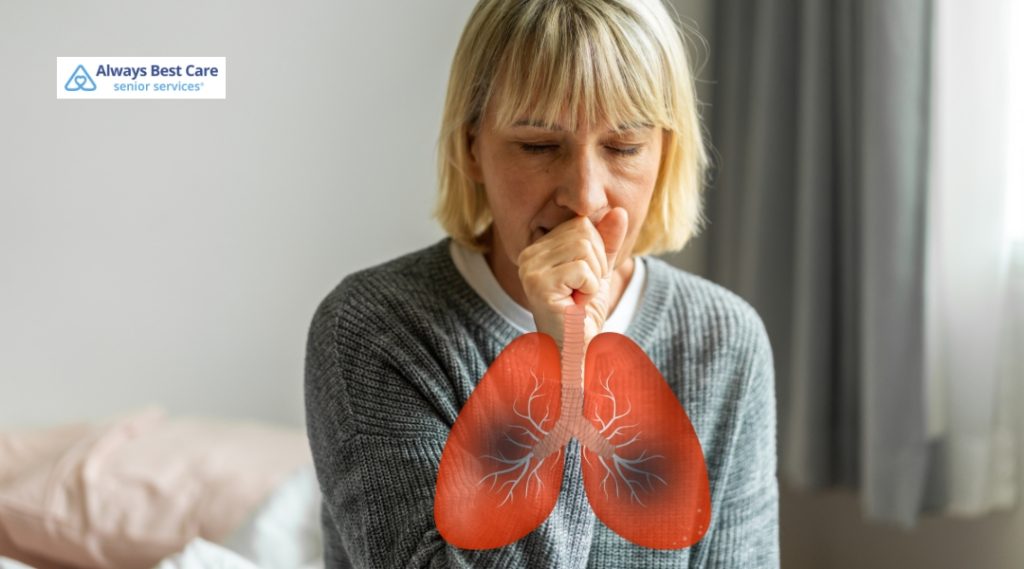
The Role of Environment in Respiratory Health
Home is where most seniors spend the majority of their time, which means indoor air quality has an outsized impact on how they feel day to day. In Baton Rouge, high humidity levels can encourage mold growth and dust mite activity—two significant respiratory triggers.
Steps families can take to improve the home environment:
- Replace HVAC filters every 1–3 months and consider HEPA-rated options
- Use a dehumidifier to keep indoor humidity between 30–50%
- Vacuum regularly with a HEPA-filter vacuum to reduce allergens
- Eliminate smoking indoors and minimize exposure to secondhand smoke
- Swap harsh chemical cleaners for fragrance-free, low-VOC alternatives
- Open windows on low-pollen, low-humidity days to improve ventilation
Small environmental changes can make a meaningful difference, particularly for seniors with asthma or COPD who are sensitive to airborne irritants.

Daily Habits That Strengthen Lung Health
Consistent, healthy routines are one of the most effective tools for maintaining respiratory function. The goal isn’t perfection—it’s building sustainable habits that support the lungs over time.
Encourage seniors to:
- Stay active — Even gentle movement like walking, chair yoga, or light stretching helps maintain lung capacity and circulation
- Practice diaphragmatic breathing — Deep breathing exercises strengthen the muscles involved in respiration and can reduce breathlessness
- Stay well-hydrated — Proper hydration keeps mucus thin and easier to clear from the airways
- Eat an anti-inflammatory diet — Foods rich in antioxidants, omega-3s, and fiber support lung tissue health
- Keep up with vaccinations — Annual flu shots and pneumonia vaccines significantly reduce the risk of respiratory infections in older adults
These habits are most effective when they’re part of a daily routine rather than reactive measures taken only when symptoms flare.
Managing Chronic Respiratory Conditions
For seniors already living with a respiratory diagnosis, consistent management is the difference between stable health and frequent hospitalizations. Proper management goes beyond taking medication—it requires monitoring, communication with healthcare providers, and awareness of how symptoms change over time.
Key management strategies include:
- Taking all medications as prescribed, without skipping doses
- Using inhalers and nebulizers correctly—technique matters significantly
- Tracking symptoms in a simple daily log to identify patterns or triggers
- Scheduling regular checkups with a pulmonologist or primary care provider
- Knowing when to call the doctor versus when to seek emergency care
Caregivers and family members play a critical role here. Having someone who can observe changes in a senior’s breathing, energy, or behavior often leads to earlier intervention and better outcomes.
Warning Signs That Require Immediate Attention
Respiratory symptoms can escalate quickly in older adults. Knowing what to watch for—and acting promptly—can prevent a manageable situation from becoming a medical emergency.
Seek medical attention if a senior experiences:
- Sudden or worsening shortness of breath
- Persistent wheezing or a new, productive cough
- Chest tightness or pain
- Unexplained fatigue, confusion, or disorientation
- Bluish tint to the lips, fingernails, or fingertips (a sign of low oxygen)
When in doubt, err on the side of caution. Respiratory emergencies move fast, and early intervention saves lives.

How Always Best Care of Baton Rouge, LA Supports Respiratory Health
Managing a respiratory condition at home is a full-time effort—and for seniors living alone or those whose family members live at a distance, it can feel isolating. Always Best Care of Baton Rouge, LA provides compassionate, professional in-home support that helps seniors stay safe, comfortable, and on track with their health routines.
Our caregivers can assist with:
- Medication reminders to ensure prescriptions are taken correctly and on time
- Light housekeeping to maintain a clean, low-allergen living environment
- Encouraging proper hydration and preparing nutritious meals
- Supporting safe, appropriate physical activity
- Providing companionship that reduces stress—a known contributor to respiratory flare-ups
- Coordinating and assisting with transportation to medical appointments
For seniors who need a higher level of care, home health services can provide skilled nursing, respiratory therapy coordination, and direct communication with healthcare providers.

Frequently Asked Questions
Q: What is the most common respiratory condition in seniors?
A: COPD is the most prevalent chronic respiratory condition among older adults, followed closely by asthma. Both are manageable with the right treatment plan and lifestyle adjustments.
Q: How does Baton Rouge’s climate affect senior respiratory health?
A: Baton Rouge’s high humidity and warm temperatures create conditions that promote mold, dust mites, and seasonal pollen—all common respiratory triggers. Seniors with asthma or COPD may find symptoms worsen during high-humidity months or when air quality indexes are elevated.
Q: Can breathing exercises actually improve lung function?
A: Yes. Techniques like diaphragmatic breathing and pursed-lip breathing have been shown to improve oxygen exchange, reduce breathlessness, and strengthen respiratory muscles over time. A respiratory therapist can recommend exercises tailored to a senior’s specific condition.
Q: When should a senior with a respiratory condition go to the ER?
A: Seek emergency care immediately if a senior experiences sudden severe shortness of breath, chest pain, confusion, or bluish discoloration of the lips or fingertips. These are signs of a potentially life-threatening drop in oxygen levels.
Q: How can an in-home caregiver help with respiratory health?
A: Caregivers support respiratory health in several indirect but important ways—keeping the home clean, ensuring medications are taken on time, encouraging hydration and healthy eating, and monitoring for changes in symptoms that may warrant medical attention.
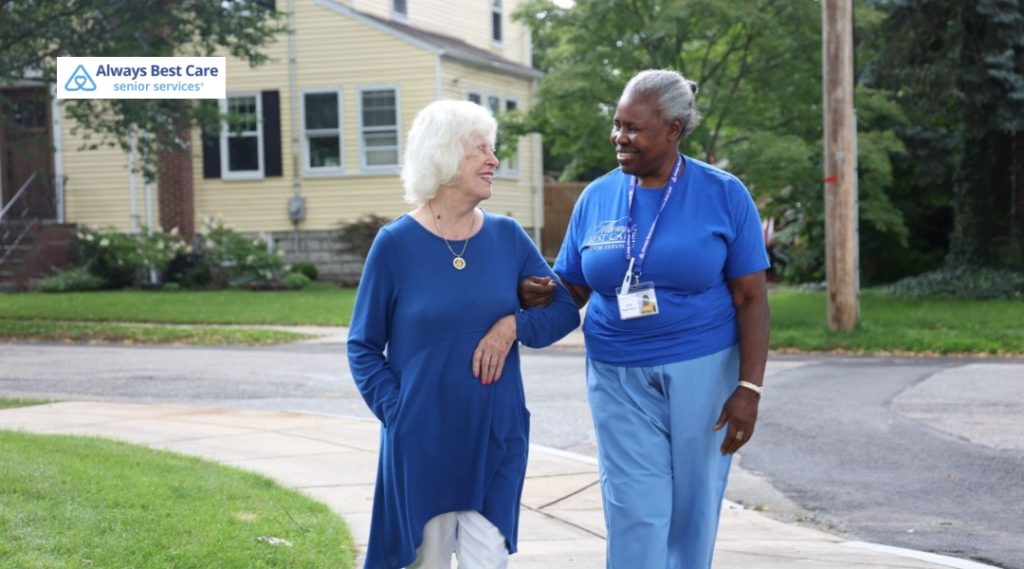
Create a Healthier, Easier Breathing Environment at Home
At Always Best Care of Baton Rouge, we provide compassionate in-home care for seniors managing respiratory conditions and chronic health needs. From medication reminders and meal preparation to maintaining a clean, low-irritant home environment, our caregivers help seniors stay safe, comfortable, and independent.
Respiratory health is foundational to a senior’s independence and overall well-being. With the right environment, consistent habits, and professional support, older adults in Baton Rouge can breathe easier and live more fully.
Contact Always Best Care of Baton Rouge at (225) 771-8605 to learn more and schedule your free consultation.
Link to the markdown version of this blog.