

How to Keep Seniors Safe from Scams in Baton Rouge, LA
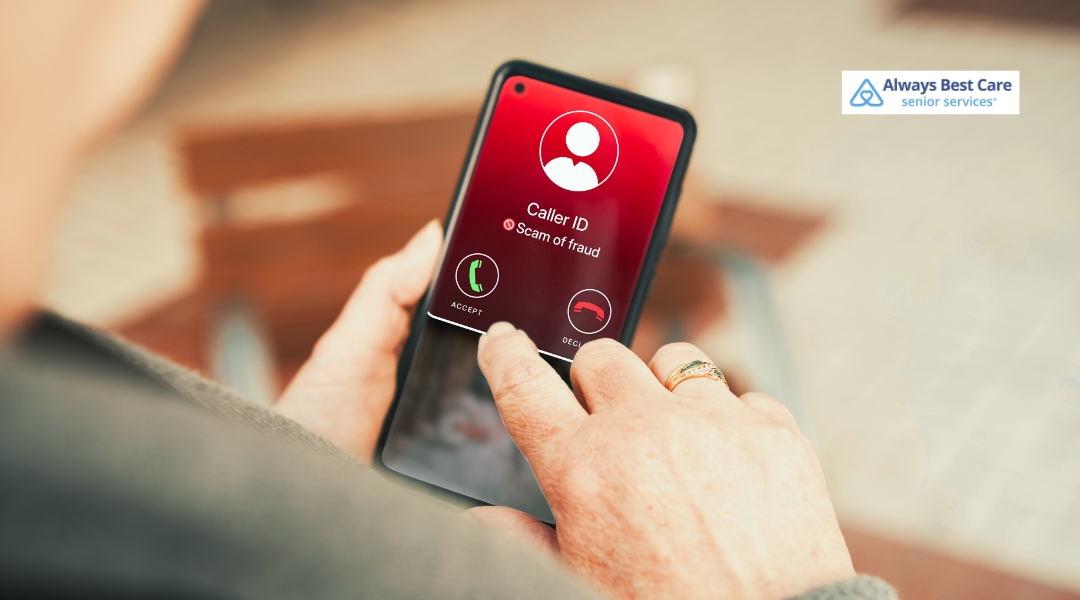
Scams aimed at older adults aren’t just annoying phone calls or odd emails anymore—they’re carefully crafted traps that can turn a person’s world upside down. In Baton Rouge, LA, many families are shocked to discover that a friendly voice on the phone or a “helpful” email has drained years of savings in a matter of minutes.
Yet there’s a silver lining: once we know what to watch for, we’re far better equipped to protect the people we love. By learning how senior scams work and spotting the red flags early, we can step in before real damage is done.
What You Will Learn:
- Why seniors are frequently targeted by scammers.
- The most common scams affecting older adults in Baton Rouge.
- Key warning signs of fraud and financial exploitation.
- Practical steps families can take to prevent scams.
Table of Contents
Why Are Seniors So Often Targeted by Scammers?
It’s not that older adults are naive or careless. Far from it. But scammers know exactly how to push the right buttons and spot certain vulnerabilities, such as:
- A polite, trusting nature – Many seniors were raised to be courteous and to give others the benefit of the doubt, even strangers.
- Steady income or savings – Retirement funds, pensions, and paid-off homes can make older adults tempting targets.
- Living alone or limited social contact – Isolation can make a sweet-sounding stranger feel like a welcome friend.
- Less familiarity with newer technology – Online banking, text alerts, and email security can be confusing, making digital scams easier to pull off.
Put all that together, and scammers see an opportunity to earn trust quickly and twist the situation in their favor.
Common Types of Senior Scams in Baton Rouge, LA
Scammers are nothing if not creative. They tweak their stories all the time, but many of their tricks fall into familiar categories.
Phone Scams
A call comes in from a “government agency,” “utility company,” or even someone claiming to be a grandchild in trouble. The caller sounds urgent, maybe even upset. They might say:
- “Your account will be frozen unless you pay now.”
- “There’s a warrant out for your arrest.”
- “Grandma, I’ve been in an accident. Please don’t tell anyone—just send money.”
The goal? Get immediate payment or personal details before anyone has time to think.
Email and Phishing Scams
An email or text looks like it’s from a bank, Medicare, Social Security, or a familiar store. It might:
- Ask you to “verify your account”
- Warn that “your card has been locked”
- Include a link that goes to a fake website
Once someone clicks and types in passwords or account numbers, the scammer has exactly what they need.
Sweepstakes and Lottery Scams
“Congratulations, you’ve won!” sounds exciting—until the catch shows up. The scammer says the prize is waiting, but:
- “Taxes” or “processing fees” must be paid first
- The prize can’t be released unless money is sent upfront
In reality, there’s no jackpot—just money flowing out of your loved one’s bank account.

Romance Scams
These often start on social media or dating sites. A scammer builds an emotional bond, messages frequently, and seems incredibly kind and attentive. Then comes the twist:
- A sudden emergency
- A business deal gone wrong
- A medical crisis
They ask for money, promising they’ll pay it back. Often, that money is gone for good.
Tech Support Scams
A pop-up appears on a computer screen or a caller says, “We’ve detected a virus on your device.” From there, they might:
- Request remote access to the computer
- Charge for fake repairs
- Steal personal data in the background
By the time anyone realizes it’s a scam, damage may already be done.
Warning Signs of Senior Scams: What Should Raise a Red Flag?
Scams often share the same playbook. If you spot these warning signs, it’s time to hit the brakes and double-check:
- Pressure for immediate action – “Right now, or else…” is a major red flag.
- Demands for unusual payment methods – Gift cards, wire transfers, prepaid cards, and cryptocurrency are common scam tools.
- Unsolicited requests for personal information – No real bank or agency will ask for full Social Security numbers or passwords out of the blue.
- Messages meant to scare or panic – Threats, dire warnings, or emotional manipulation are classic scam tactics.
- Requests for secrecy – “Don’t tell your family” is a giant warning sign.
If something feels “off,” it’s worth pausing, hanging up, or closing the email and checking with someone you trust.
How Families Can Help Protect Loved Ones in Baton Rouge, LA
We don’t have to handle this alone. Families who stay connected and talk openly about scams have a much better chance of heading trouble off at the pass.
Here are practical ways to help:
- Start the conversation early – Talk about common scams before anything happens, not after the fact.
- Agree on a “check-in” rule – Encourage your loved one to call a trusted family member before sending money or sharing sensitive information.
- Keep an eye on accounts – With permission, help review bank or credit card statements for strange charges.
- Use call blocking and filters – Add spam blockers on phones and email accounts to cut down on risky contact.
- Reassure, don’t judge – Make it clear they won’t be “in trouble” for asking questions or admitting they’re unsure.

The more comfortable seniors feel reaching out, the less power scammers have.
The Role of In-Home Care in Preventing Senior Scams
Having a reliable, familiar person around can be a real game-changer. A caregiver can spot small changes, ask gentle questions, and bring worries to the family’s attention.
At Always Best Care of Baton Rouge, LA, we take scam awareness seriously because it’s part of helping seniors feel safe and confident at home. We:
- Help screen phone calls and unexpected visitors – We can encourage your loved one not to answer unknown numbers or open the door to strangers.
- Notice unusual behavior or concerns about money – Sudden anxiety about finances or secretive behavior may be a clue that something isn’t right.
- Offer meaningful companionship – Scammers often target people who are lonely. Regular company makes it harder for them to gain emotional leverage.
- Support clear communication with family – We keep families in the loop about any worrying patterns or suspicious contacts.
By being present day-to-day, we can catch problems early, before they snowball.
What Should You Do If You Suspect a Scam?
If you think a loved one has been targeted—or already taken in—time matters. Here’s a straightforward response plan:
- Contact the bank or card company right away
Ask them to stop or reverse transactions if possible and to watch for more suspicious activity. - Report to local authorities or adult protective services
Reporting helps protect your loved one and can prevent others from being harmed by the same scammer. - Monitor accounts closely
Look for new charges, withdrawals, or accounts that weren’t opened by your loved one. - Offer calm, steady support
Many older adults feel embarrassed or guilty after being scammed. Remind them that scammers are experts at tricking people of all ages and that you’re on their side.
Acting quickly can limit financial damage—and emotional damage too.

FAQ: Senior Scams in Baton Rouge, LA
Q: What’s the most common scam targeting seniors right now?
A: Phone scams and phishing emails are still very common, especially those pretending to be from government agencies, banks, or family members in distress.
Q: How can I talk to my loved one about scams without scaring or insulting them?
A: Focus on working as a team. You might say, “Scammers are getting sneakier these days—why don’t we watch out for them together?” That keeps the tone respectful and supportive.
Q: Should my loved one ever give financial information over the phone?
A: As a general rule, no. If the call is unexpected, it’s safer to hang up, find the official phone number on a bill or card, and call back directly.
Q: How does Always Best Care of Baton Rouge, LA help with scam prevention?
A: We watch for unusual calls, visitors, or behavior, encourage open conversations about money worries, and keep families informed if something doesn’t look right. Our caregivers add another set of eyes and ears in the home.
Q: What if my loved one won’t admit they’ve been scammed?
A: Try approaching the topic gently, focusing on protection rather than blame. You can also quietly review accounts (with their permission) and bring in a trusted professional or caregiver to help ease the conversation.

Protecting Seniors Starts with Awareness
Senior scams may be getting more polished, but awareness still packs a punch. By knowing the warning signs, keeping honest conversations going, and staying involved in daily life, families can drastically cut the risk of financial and emotional harm.
At Always Best Care of Baton Rouge, LA, we’re committed to standing beside you in that effort. We support seniors with daily care, companionship, and an extra layer of watchfulness that helps keep scammers at bay.
If you’re concerned about a loved one’s safety at home or worried they may be vulnerable to scams, reach out to us. Together, we can create a safer, more reassuring environment where your loved one can enjoy their independence—without facing scammers alone. Contact Always Best Care of Baton Rouge at (225) 771-8605 to learn more and schedule your free consultation.
Link to the markdown version of this blog.