Is It Time to Call a Skilled Nurse for Wound Care at Home in Baton Rouge, LA?
Caring for a wound at home sounds straightforward — clean it, cover it, and let it heal. But for older adults in Baton Rouge, wound care can quickly become more complex than expected. Slower healing, chronic health conditions, and Louisiana’s warm, humid climate can all work against recovery. Knowing when to manage a wound at home and when to bring in a skilled nurse can make the difference between a smooth recovery and a serious complication.
Table of Contents
What You Will Learn
- Why wound healing can become more difficult for older adults because of fragile skin, diabetes, poor circulation, limited mobility, nutrition concerns, dehydration, medications, and other chronic health conditions.
- Which wounds may require clinical assessment or skilled nursing support, including post-surgical incisions, pressure injuries, diabetic foot ulcers, venous or arterial ulcers, slow-healing skin tears, burns, and wounds that show signs of infection.
- Warning signs that should prompt timely medical guidance, including worsening redness, warmth, swelling, pain, drainage, foul odor, wound separation, dark or black tissue, fever, chills, confusion, or a sudden decline in energy or alertness.
How Aging Changes the Way Wounds Heal
The skin does more than protect us — it reflects our overall health. As we age, the skin becomes thinner, loses elasticity, and produces fewer natural oils, making it more prone to tears, bruising, and slow-healing injuries. Blood flow to the skin also decreases, which means less oxygen and fewer nutrients reach the wound site.
For seniors in Baton Rouge managing conditions like diabetes, heart disease, or peripheral artery disease, these challenges are compounded. Poor circulation, nerve damage, and a weakened immune response can turn a small cut or pressure sore into a wound that lingers for weeks — or worsens without warning.
Nutrition plays a role too. Seniors who aren’t getting adequate protein, vitamin C, zinc, or fluids may find that even minor wounds take far longer to close.
Types of Wounds That Often Require Skilled Nursing
Not every wound needs a medical professional, but some injuries carry enough risk that skilled oversight is essential. A physician may recommend home health nursing for:
- Surgical incisions that need ongoing monitoring after a hospital discharge
- Pressure injuries (bedsores) at any stage, particularly in seniors with limited mobility
- Diabetic foot ulcers, which can escalate rapidly without proper care
- Venous or arterial ulcers caused by poor circulation in the legs
- Skin tears that are large, deep, or slow to close
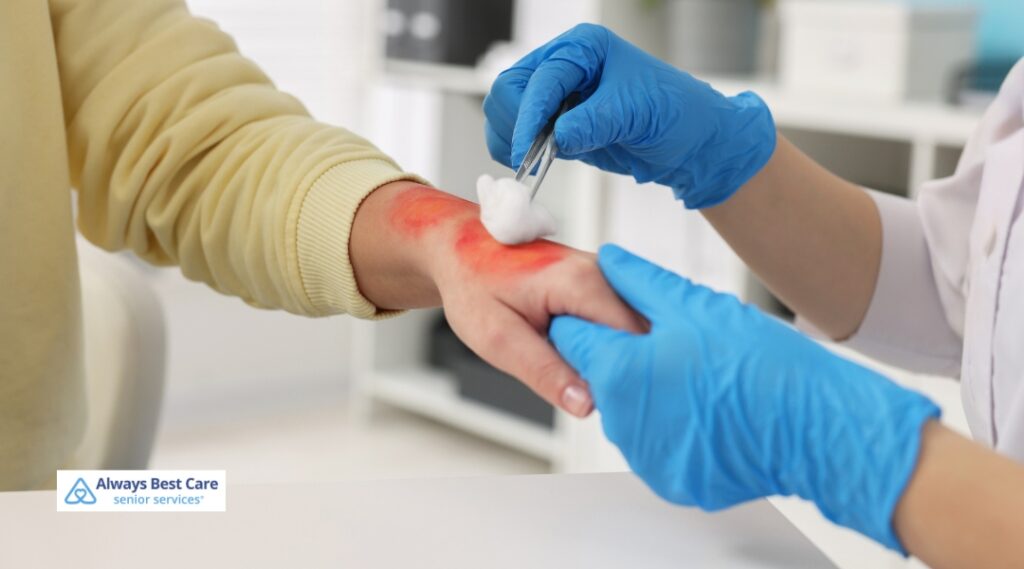
- Burns beyond minor first-degree injuries
- Infected wounds or those that show no signs of improvement after expected healing time
If a wound falls into any of these categories, a home health nurse can assess it properly and coordinate with the treating physician to adjust the care plan as needed.
Warning Signs That a Wound Needs Immediate Attention
Families and caregivers should monitor wounds closely and know when to escalate. Contact a healthcare provider promptly if you notice:
- Increasing redness, warmth, or swelling around the wound
- Pus, unusual drainage, or a foul odor
- Edges of the wound pulling apart or not closing
- Darkening or blackening of the tissue
- Fever, chills, or sudden confusion — these may signal a systemic infection
- A wound that has not improved after two weeks of consistent care
Seniors with diabetes or compromised immune systems are at higher risk for rapid deterioration. When in doubt, it is always better to have a professional evaluate the wound sooner rather than later.
What a Skilled Home Health Nurse Does for Wound Care in Baton Rouge
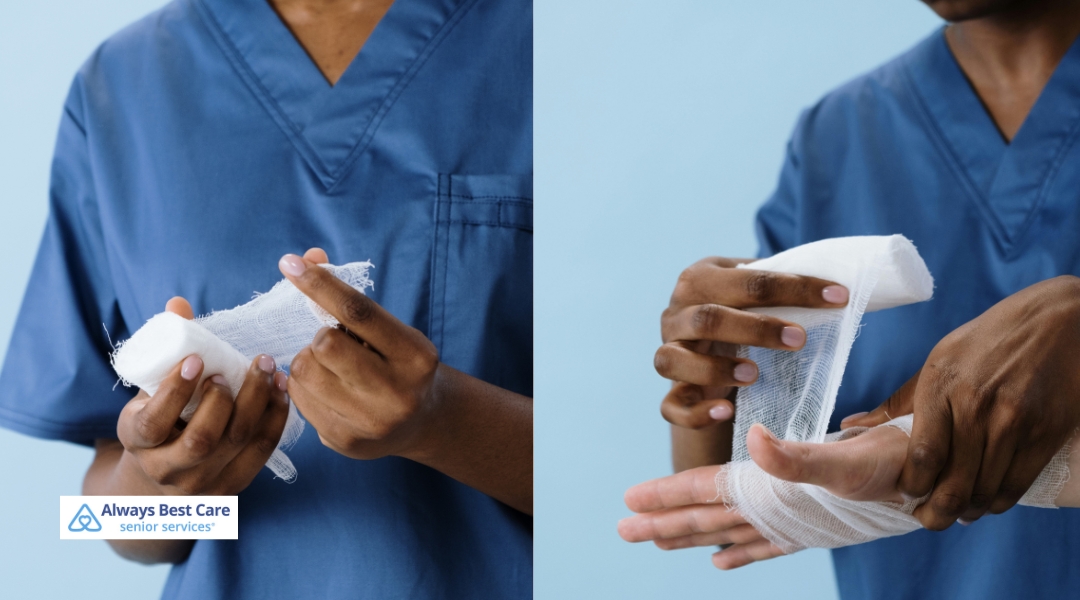
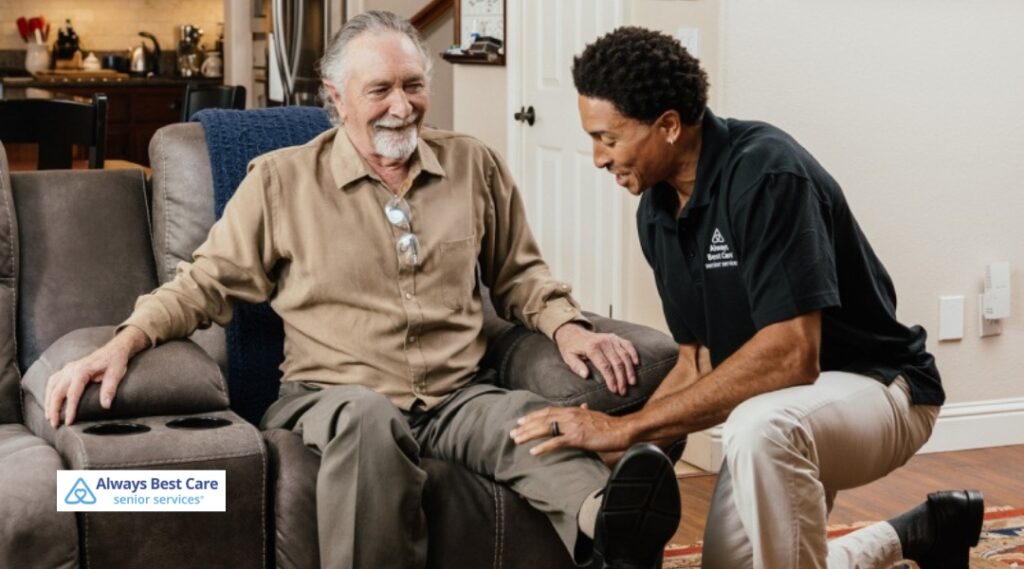
When a physician orders skilled nursing as part of a home health plan, a licensed nurse visits the senior at home and provides clinical wound care tailored to the treatment plan. This may include:
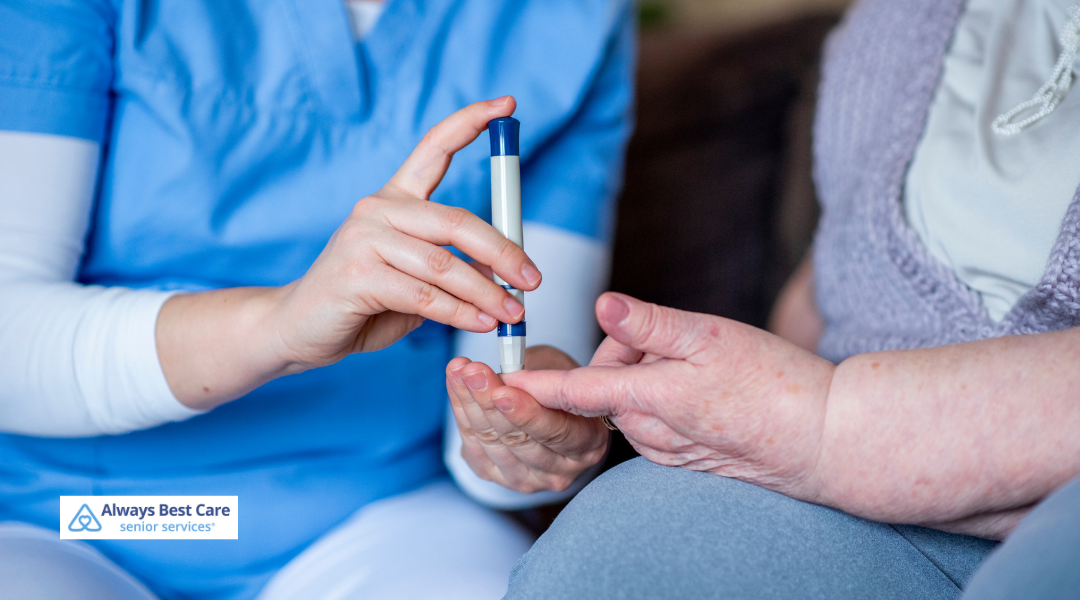
- Wound assessment — measuring, documenting, and tracking healing progress
- Cleaning and debridement — removing debris or non-viable tissue to promote healing
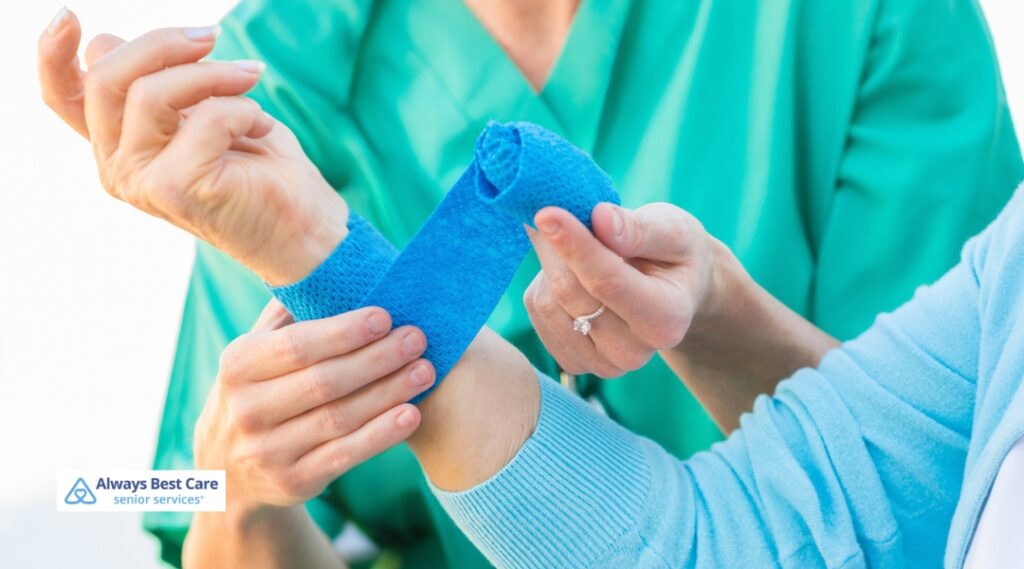
- Dressing changes — applying the appropriate wound dressings based on wound type and stage
- Infection monitoring — identifying early warning signs before they become serious
- Patient and family education — teaching caregivers what to watch for between visits
- Care coordination — communicating updates and concerns directly to the physician
Having a skilled nurse involved is especially valuable after a hospital stay, surgery, or rehab discharge, when wounds are still fresh and the risk of complications is highest.
Preventing Pressure Injuries Before They Start
For seniors with limited mobility, prevention is just as important as treatment. Pressure injuries develop when sustained pressure cuts off blood flow to the skin — most often over bony areas like the heels, hips, tailbone, and elbows.
Preventive strategies typically include:
- Repositioning regularly — at least every two hours for bed-bound seniors
- Keeping skin clean and dry, especially in Baton Rouge’s humid climate
- Using pressure-relieving equipment such as specialized mattresses or cushions
- Maintaining adequate nutrition and hydration to support skin integrity
- Daily skin checks by caregivers, focusing on high-risk areas
A home health nurse can assess a senior’s risk level and help put a prevention plan in place before a problem develops.
How Skilled Nursing and In-Home Care Work Together
Skilled nursing addresses the clinical side of wound care, but recovery at home often requires more than medical treatment. Seniors healing from wounds may also need help with daily tasks — bathing, meal preparation, medication reminders, light housekeeping, and getting around safely.
In-home caregivers can fill that gap. They provide consistent, hands-on support throughout the day and serve as an extra set of eyes, noticing changes in a senior’s condition and communicating them to family members or the healthcare team.
When skilled nursing and in-home care work in tandem, seniors get both the medical attention and the daily support they need to recover safely and comfortably at home.
Supporting Safer Recovery at Home in Baton Rouge
Complex wound care doesn’t have to fall entirely on families. With the right professional support, seniors in Baton Rouge can heal at home without sacrificing safety or quality of life.
Always Best Care of Baton Rouge provides services designed to help older adults recover with confidence. Depending on your loved one’s needs and what’s available in your area, support may include skilled nursing through a home health provider and in-home caregivers who assist with daily living.
Frequently Asked Questions
Q: How do I know if a wound needs a nurse or if I can treat it at home?
A: Minor cuts and scrapes that are small, clean, and not near a joint or high-risk area can often be managed at home with proper first aid. However, if the wound is deep, won’t stop bleeding, shows signs of infection, or involves a senior with diabetes or circulation issues, it’s best to consult a healthcare provider. A home health nurse can assess the wound and determine the appropriate level of care.
Q: Does Medicare cover skilled nursing for wound care at home?
A: Medicare Part A may cover skilled nursing services at home if the senior is homebound, the care is medically necessary, and it is ordered by a physician. Coverage is typically provided through a Medicare-certified home health agency. It’s important to verify eligibility and coverage details with the agency and the senior’s insurance provider.
Q: How often will a home health nurse visit for wound care?
A: Visit frequency depends on the wound type, severity, and the physician’s orders. Some wounds require daily visits, while others may need a nurse two to three times per week. The schedule is typically adjusted as the wound heals and the care plan evolves.
Q: Can an in-home caregiver change wound dressings?
A: Non-medical caregivers are generally not trained or licensed to perform clinical wound care such as dressing changes ordered by a physician. That responsibility falls to a skilled nurse. However, caregivers can help keep the area clean, monitor for visible changes, and alert family members or the healthcare team if something looks different.
Q: What makes wound care more challenging in Louisiana’s climate?
A: Baton Rouge’s heat and humidity can increase the risk of bacterial growth around wounds and make it harder to keep dressings dry and secure. Seniors and caregivers should be especially diligent about keeping wounds covered, changing dressings as directed, and watching for signs of infection during warmer months.
Q: When should I call 911 instead of a home health nurse?
A: Call 911 immediately if a senior shows signs of sepsis — including high fever, rapid heart rate, confusion, difficulty breathing, or extreme weakness — or if a wound is bleeding heavily and cannot be controlled. These are medical emergencies that require immediate hospital care.
Sources
- U.S. National Library of Medicine – Wound Healing
- Centers for Medicare & Medicaid Services – Home Health Services
- National Pressure Injury Advisory Panel – Pressure Injury Prevention
- American Diabetes Association – Foot Complications
- Cleveland Clinic – Wound Care: What You Need to Know
- Johns Hopkins Medicine – Skin Changes in Older Adults
Support Safer Wound Recovery at Home
A wound that is becoming more painful, showing signs of infection, failing to heal, or affecting mobility and daily routines can become a serious concern for an older adult. Prompt clinical guidance, a clear care plan, and dependable day-to-day assistance can help families respond sooner and make recovery at home more manageable.
Contact Always Best Care of Baton Rouge at (225) 771-8605 to learn more and schedule your free consultation.
Link to the markdown version of this blog.