
A More Accessible Home: Adaptive Modifications for Baton Rouge Veterans

A home should support the person who lives in it. For a Veteran experiencing changes in mobility, strength, balance, or daily functioning, familiar features can become frustrating barriers.
An entrance with steps may be difficult to navigate. A narrow bathroom doorway may limit access with a walker. Frequently used items may be stored beyond comfortable reach.
For Baton Rouge families, creating a more accessible home begins with understanding the Veteran’s abilities, routines, and personal goals. The right changes should make meaningful activities easier—not simply follow a standard renovation checklist.
Professional guidance, thoughtfully selected modifications, and dependable assistance can work together to support comfort and independence at home.
Table of Contents
What You Will Learn
- How to build a predictable home care routine while preserving the Veteran’s choices and independence.
- Ways to communicate clearly, offer support, and listen without pressing for details about traumatic experiences.
- Why personal boundaries, privacy, and permission should guide everyday assistance.
Start With the Veteran’s Priorities
Before rearranging furniture or purchasing equipment, ask your loved one which parts of daily life feel most difficult.
Helpful questions include:
- Which rooms are hardest to reach or use?
- What activities would you like to do with less assistance?
- Where do you feel unsteady or uncomfortable?
- Which routines are most important to you?
- Are there changes you would prefer not to make?
One Veteran may prioritize entering the house more easily. Another may want greater privacy during personal care or a more usable kitchen.
Including the Veteran in decisions helps keep the plan focused on their preferences rather than what others assume would be helpful.
Get a Professional Home Assessment
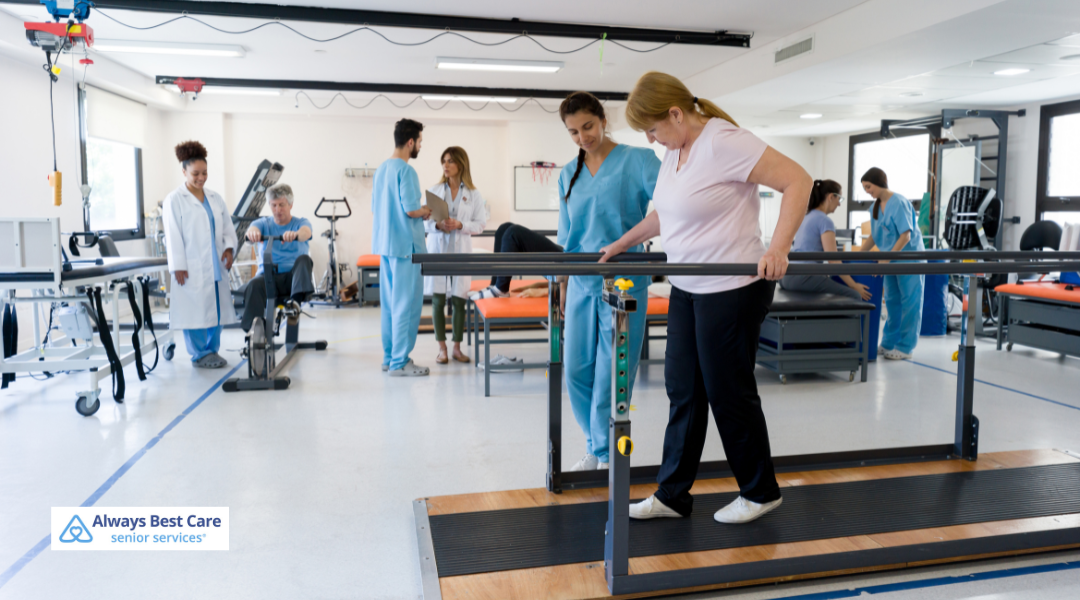
An occupational therapist can evaluate how a Veteran completes everyday activities and recommend changes suited to their abilities and home environment.
A home assessment may consider:
- Entrance steps and outdoor access
- Doorway clearance and turning space
- Walking routes between frequently used rooms
- Bathroom access and personal-care tasks
- Bed and chair transfers
- Storage and reaching difficulties
- Space for prescribed mobility equipment
- Assistance available from family members or caregivers
Ask the healthcare or rehabilitation team how to arrange an assessment before making major purchases or beginning construction. A modification that works well for one person may not fit another person’s needs.
Make Entrances More Accessible
Getting into and out of the home is an important part of maintaining daily routines and staying connected with the community.
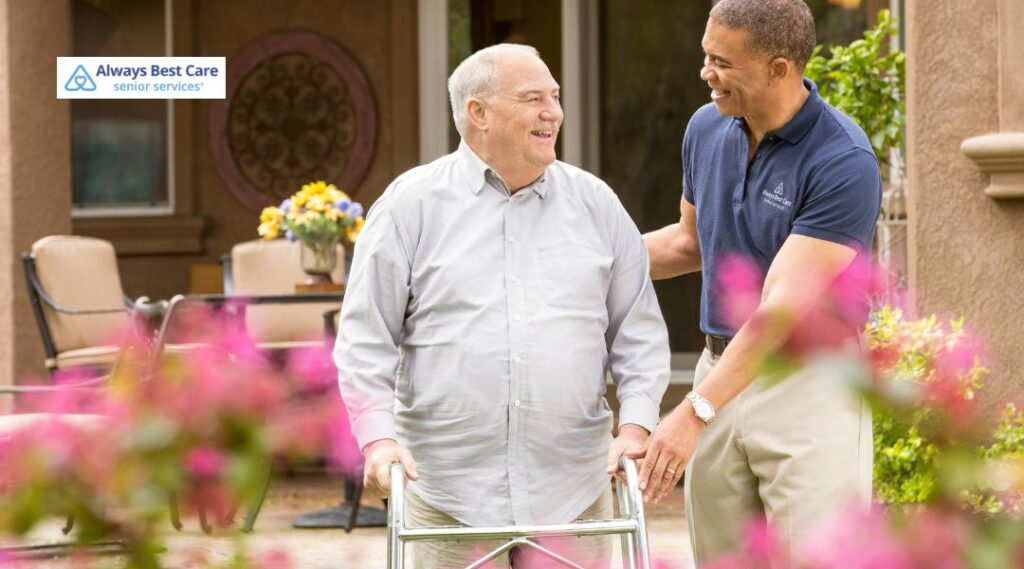
For Baton Rouge homes with raised entrances or exterior steps, possible changes to discuss with a professional include:
- A properly designed permanent ramp
- Secure handrails
- A more manageable threshold
- A stable, unobstructed approach
- Adequate room to open the door and maneuver
- Improved lighting near the entrance
The best solution depends on the available space, the Veteran’s mobility, and the equipment they use. Do not assume that adding a portable ramp or handrail will resolve every access problem.
Professional planning can help determine whether the proposed setup is usable and appropriate.

Review Doorways and Interior Routes
An accessible entrance is only the beginning. A Veteran also needs to move comfortably between the bedroom, bathroom, kitchen, and living areas.
Start with practical layout changes:
- Move furniture away from walking paths.
- Remove clutter from hallways and doorways.
- Keep cords out of travel routes.
- Check for tight turns near frequently used rooms.
- Allow space for a caregiver to assist when needed.
- Keep prescribed equipment accessible.
Some barriers may require structural work, such as modifying a doorway. Before committing to construction, have a professional assess usable clearance and the person’s actual movement needs.
The goal is not simply a wider opening. It is a route the Veteran can navigate comfortably with the appropriate level of assistance.
Prioritize Bathroom Supports
Bathrooms deserve particular attention because bathing and toileting involve several movements in a relatively small space.
Depending on the assessment, helpful adaptations may include:
- Properly positioned grab bars
- A shower chair or transfer bench
- A more accessible shower entrance
- Suitable toilet support equipment
- Easier-to-operate fixtures
- Better access to towels and toiletries
- Adequate room for mobility equipment or assistance
Equipment should be selected around how the Veteran sits, stands, reaches, and transfers between surfaces.
Ask the rehabilitation team to recommend placement and demonstrate safe use. New equipment does not automatically make an activity safe to complete alone.

Make Everyday Items Easier to Reach
Accessibility also includes being able to participate in ordinary household routines.
Look at where frequently used items are stored, including:
- Clothing and personal-care supplies
- Dishes and utensils
- Food preparation items
- A phone and charger
- Glasses and other daily essentials
- Supplies for favorite hobbies
Relocating items may reduce unnecessary bending or reaching. Keep frequently used surfaces organized so easier access does not create new clutter.
For some Veterans, more substantial kitchen or bathroom changes may be appropriate. An occupational therapist can help identify whether changes to counters, sinks, or work areas would support the person’s goals.
Explore VA Housing Adaptation Programs
Some Veterans may qualify for assistance with home modifications. Eligibility depends on the program, disability requirements, housing circumstances, and proposed work.
Home Improvements and Structural Alterations — HISA
HISA helps eligible Veterans and service members obtain medically necessary improvements to a primary residence.
Potential projects include improving entrance and exit access, providing access to essential bathroom facilities, and making certain sinks or counters accessible.
HISA is not a general remodeling allowance. The project must meet program requirements and have the required medical justification.
Specially Adapted Housing — SAH
SAH can help eligible Veterans buy, build, or adapt a permanent home.
Eligibility includes specific qualifying service-connected disabilities and applicable ownership requirements. A disability rating alone does not automatically establish eligibility.
Special Home Adaptation — SHA
SHA is another benefit for Veterans with particular qualifying service-connected disabilities. Housing ownership requirements also apply.
Because SAH and SHA have different criteria, families should ask VA which program may fit rather than assuming the benefits are interchangeable.
Confirm Requirements Before Starting Work
Do not assume a completed renovation will automatically qualify for reimbursement.
Before signing a construction agreement or beginning work, ask VA:
- Which program may apply?
- Does the proposed project qualify?
- What medical documentation is required?
- Which application forms are needed?
- Is an itemized estimate required?
- Are photographs, permits, or owner permissions necessary?
- When may work begin?
- What expenses will remain the family’s responsibility?
For HISA, renters must obtain the required property-owner authorization. SAH and SHA use a separate application process.
Benefit limits and program requirements should be confirmed directly with VA before making financial commitments.
How Always Best Care of Baton Rouge Can Help
Always Best Care of Baton Rouge can help families explore in-home support that complements a more accessible living environment.
Depending on available services and the individualized care arrangement, assistance may include:
- Personal-care support
- Meal preparation
- Light housekeeping
- Companionship
- Transportation assistance
- Help maintaining organized daily routines
- Respite for family caregivers
Explain any mobility, transfer, or supervision needs before arranging care so the team can determine what assistance it can safely provide.
Home care does not replace a professional accessibility assessment, construction services, or a VA benefits review. Instead, practical assistance can support the Veteran’s routines within the home and give family caregivers needed relief.
FAQ
Q: Does every Veteran qualify for VA-funded home modifications?
A: No. Each program has specific eligibility and project requirements. VA determines whether the Veteran and proposed modifications qualify.
Q: Can renters explore adaptation assistance?
A: Potentially. HISA includes provisions for renters, including required authorization from the property owner. Other eligibility and documentation requirements still apply.
Q: Should we buy bathroom equipment before an assessment?
A: Ask the rehabilitation team first. The right equipment and placement depend on how the Veteran moves and completes personal care.
Q: Can home care replace structural changes?
A: Not always. Assistance and modifications serve different purposes. A professional assessment can help determine which environmental barriers need to be addressed and where personal assistance is also appropriate.
Q: Where should families begin?
A: Start with the Veteran’s priorities, then ask the healthcare team about a home assessment. If seeking VA funding, confirm the applicable program and approval process before work begins.

Build Accessibility Around What Matters
A more accessible home can support meaningful goals: entering comfortably, using the bathroom more independently, preparing a meal, or moving between familiar rooms.
Ask the healthcare team about a personalized home assessment and explore VA adaptation options before committing to major work. Then contact Always Best Care of Baton Rouge to discuss in-home assistance that complements your loved one’s environment, preferences, and daily routines. Contact Always Best Care of Baton Rouge at (225) 771-8605 to learn more and schedule your free consultation.
Link to the markdown version of this blog.