
At-Home COPD Support in Baton Rouge, LA: Simple Ways to Improve Daily Comfort
Chronic Obstructive Pulmonary Disease (COPD) is one of the most common long-term respiratory conditions affecting older adults. For seniors in Baton Rouge, the combination of heat, humidity, and seasonal allergens can make managing COPD especially challenging. But with the right strategies and support, it is entirely possible to live well at home — breathing easier and staying active.
This guide offers practical, actionable advice for seniors and their families navigating life with COPD.
What You Will Learn:
- How COPD affects seniors beyond breathing challenges.
- Practical strategies to manage symptoms and prevent flare-ups at home.
- How Baton Rouge’s climate impacts COPD and what to do about it.
- The role of caregivers in supporting comfort, safety, and independence.

Table of Contents
Understanding COPD: More Than Just Breathlessness
COPD is an umbrella term for progressive lung diseases — primarily chronic bronchitis and emphysema — that restrict airflow and make breathing increasingly difficult. What many people don’t realize is that COPD affects far more than the lungs. It can disrupt sleep, reduce mobility, cause anxiety, and lead to social withdrawal.
Common symptoms to recognize:
- Persistent cough or wheezing
- Shortness of breath during everyday tasks
- Chest tightness
- Frequent respiratory infections
- Unexplained fatigue
Because these symptoms develop gradually, they are often dismissed as normal aging. Early diagnosis and consistent management are critical to slowing progression and protecting quality of life.

Practical Strategies for Managing COPD at Home
Stick to Your Treatment Plan
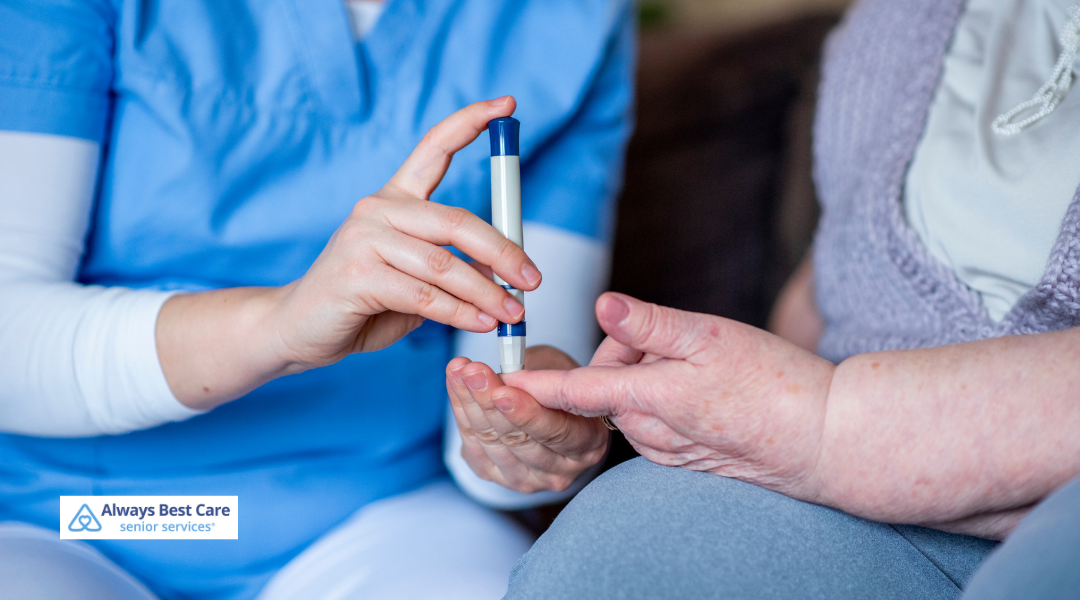
Inhalers, bronchodilators, and oxygen therapy only work when used correctly and consistently. Missing doses or using equipment improperly can trigger flare-ups that are difficult to reverse. Caregivers play a vital role here — helping with medication reminders and ensuring equipment is clean and functioning.
Control Your Indoor Air Quality
For someone with COPD, the air inside the home matters just as much as outdoor air quality. Baton Rouge’s pollen seasons and high humidity can worsen symptoms, making indoor air control essential.
Steps that make a real difference:
- Use a HEPA air purifier in frequently used rooms
- Replace HVAC filters every 30–60 days
- Avoid aerosol sprays, scented candles, and harsh cleaning products
- Keep windows closed on high-pollen or high-humidity days
- Address any mold or moisture issues promptly
Move Your Body — Gently and Consistently
It may seem counterintuitive, but regular physical activity strengthens the respiratory muscles and improves oxygen efficiency. The key is choosing low-intensity movement that doesn’t overwhelm the lungs.
Good options for seniors with COPD:
- Short, flat-surface walks in the early morning or evening
- Chair-based stretching or yoga
- Breathing exercises prescribed by a pulmonologist or respiratory therapist
Always consult a healthcare provider before starting or changing an exercise routine.
Master Breathing Techniques
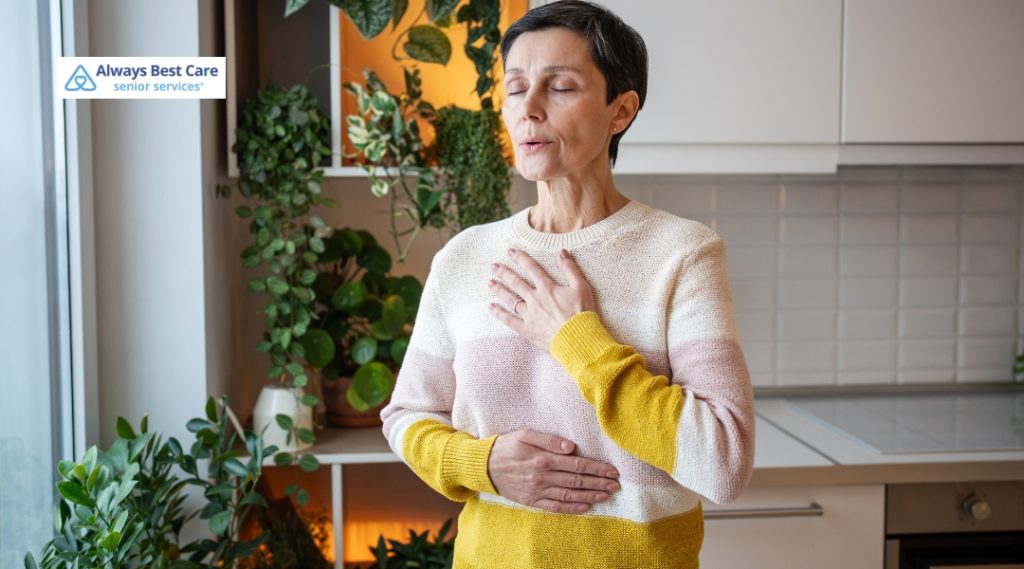
Two techniques are particularly effective for managing breathlessness:
- Pursed-lip breathing: Inhale slowly through the nose, then exhale through pursed lips for twice as long. This slows breathing and keeps airways open longer.
- Diaphragmatic breathing: Focuses on engaging the diaphragm rather than the chest, improving oxygen exchange and reducing the effort of each breath.
Practicing these daily — not just during flare-ups — builds the habit and makes them more effective when it counts.
Prioritize Nutrition and Hydration
Eating well directly supports respiratory health. A diet rich in anti-inflammatory foods — leafy greens, berries, fatty fish, and whole grains — can help reduce airway inflammation. Staying well-hydrated keeps mucus thin and easier to clear.
Smaller, more frequent meals are often better tolerated, as large meals can cause bloating that puts pressure on the diaphragm and makes breathing harder.
Know the Warning Signs of a Flare-Up
COPD exacerbations can escalate quickly. Recognizing early warning signs allows for faster intervention and can prevent hospitalization.
Contact a healthcare provider if you notice:
- A noticeable increase in shortness of breath
- Changes in mucus — more of it, or a change in color
- Fever or chills
- Increased confusion or unusual fatigue
- Difficulty completing tasks that were manageable before
Having an action plan in place — developed with a doctor — ensures that both seniors and caregivers know exactly what to do when symptoms worsen.
How Always Best Care of Baton Rouge Supports Seniors with COPD
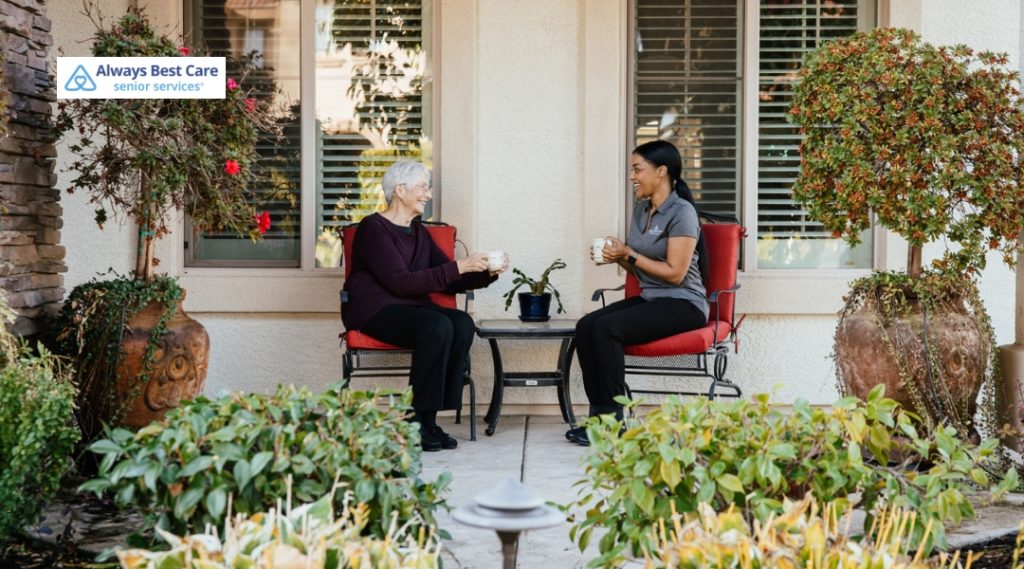
Managing COPD is a daily commitment, and it’s one that doesn’t have to be made alone. Always Best Care of Baton Rouge provides in-home support tailored to the needs of seniors living with chronic respiratory conditions.
Our caregivers can help with:
- Medication reminders and monitoring for symptom changes
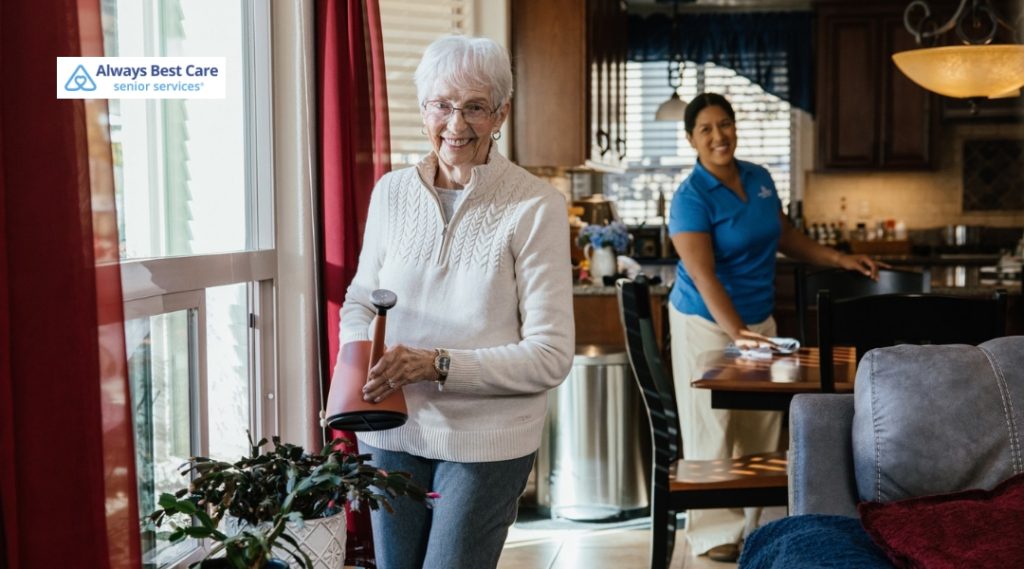
- Light housekeeping to maintain a clean, low-irritant environment
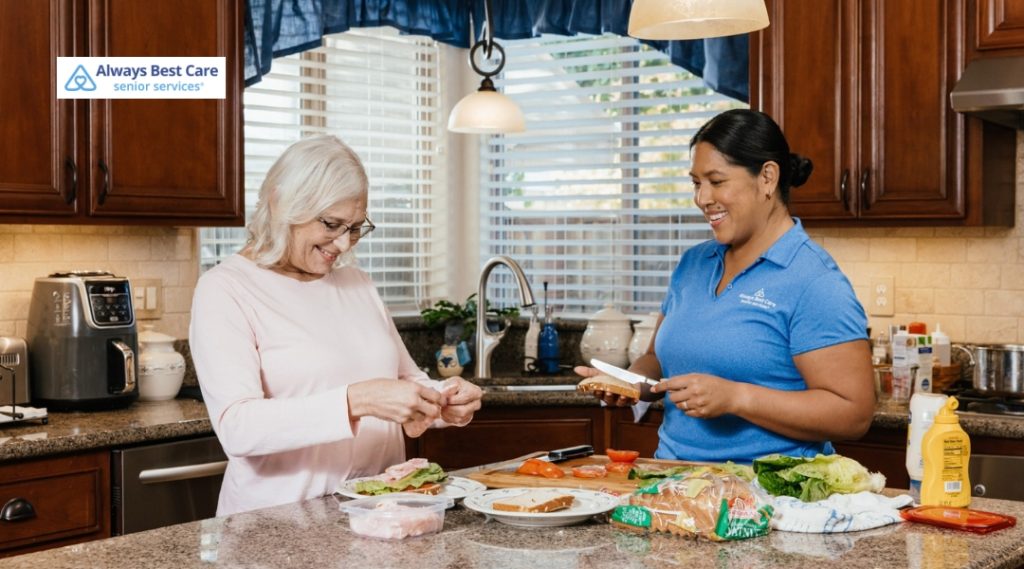
- Meal preparation focused on nutritious, easy-to-eat options
- Encouragement and assistance with safe physical activity
- Companionship to reduce the stress and isolation that often accompany chronic illness
- Transportation to pulmonology appointments and follow-up visits
For seniors who need a higher level of medical support, our home health services connect families with skilled nursing professionals who work alongside physicians to manage complex care needs.
Frequently Asked Questions About COPD and Home Care
Q: Can COPD be reversed or cured?
A: No, COPD is a progressive condition and cannot be reversed. However, with consistent treatment and lifestyle management, symptoms can be significantly controlled and progression slowed.
Q: Is it safe for someone with COPD to live alone?
A: Many seniors with COPD live independently with the right support systems in place. In-home caregivers, medical alert devices, and regular check-ins from family or care professionals can make living alone safer and more manageable.
Q: How does Baton Rouge’s climate affect COPD?
A: High humidity, heat, and seasonal pollen can all trigger COPD symptoms. Monitoring local air quality reports and limiting outdoor activity on poor air quality days is especially important for Baton Rouge residents.
Q: What’s the difference between a COPD flare-up and normal symptom variation?
A: A flare-up (exacerbation) involves a noticeable and sustained worsening of symptoms — increased breathlessness, changes in mucus, or new symptoms like fever. Normal day-to-day variation is milder and resolves quickly. When in doubt, contact a healthcare provider.
Q: How can a caregiver help without overstepping?
A: The best caregivers support independence rather than replace it. This means assisting with tasks that have become difficult — like housekeeping or meal prep — while encouraging seniors to stay as active and self-sufficient as possible.
Living Well with COPD Starts with the Right Support
COPD changes daily life, but it doesn’t have to diminish it. With the right habits, a clean home environment, and a reliable care team, seniors in Baton Rouge can breathe easier and live more fully.
If your loved one needs extra support at home, Always Best Care of Baton Rouge is here to help. Contact Always Best Care of Baton Rouge at (225) 771-8605 to learn more and schedule your free consultation.
Link to the markdown version of this blog.