

Hidden Signs of Blood Sugar Trouble in Seniors: What Your Family Needs to Watch for in Baton Rouge, LA
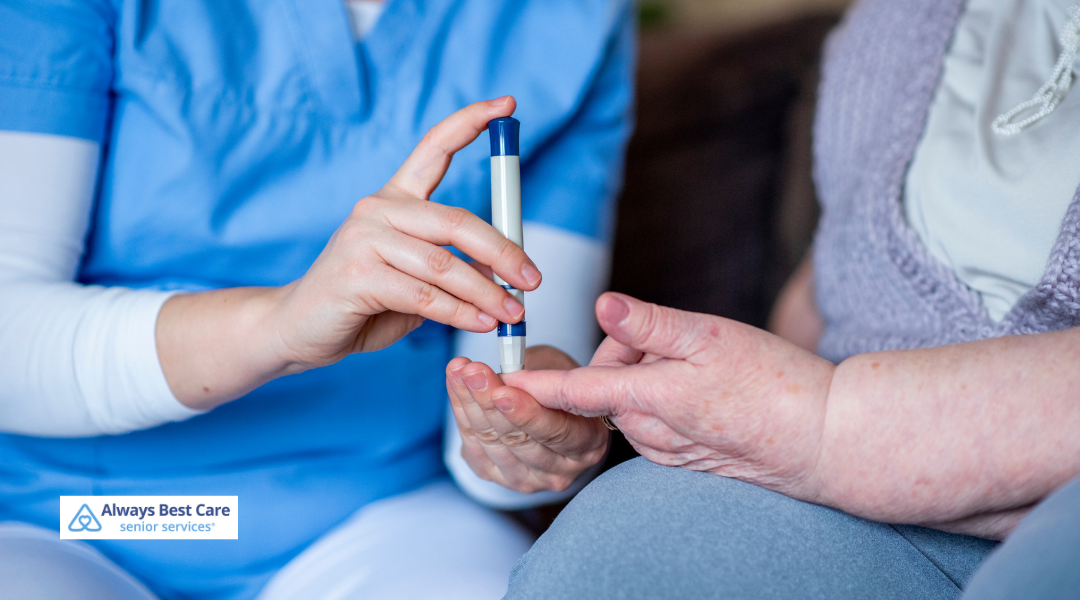
Blood sugar can turn tricky with age, even for older adults who’ve managed diabetes well for years. A missed meal here, a new medication there, and suddenly things can go sideways faster than expected.
Families don’t need a medical degree to help. What matters most is noticing what’s not normal and acting before a small hiccup turns into a big scare.

Table of Contents
What You Will Learn
- Why blood sugar can become harder to manage as older adults experience appetite changes, medication adjustments, illness, memory concerns, mobility challenges, and other health conditions.
- Common warning signs that may suggest low blood sugar, including shakiness, sweating, dizziness, weakness, hunger, confusion, irritability, and poor coordination.
- Common signs of high blood sugar, such as increased thirst, frequent urination, blurred vision, fatigue, unexplained weight loss, and slow-healing cuts or sores.
- When families should contact a healthcare provider and when symptoms may require emergency medical help.
- How regular meals, prescribed medication routines, hydration, glucose monitoring, transportation, and dependable in-home support can help seniors manage diabetes more safely at home.
Why Blood Sugar Can Shift in Older Adults
As people age, diabetes can get harder to keep in check. Appetite may change, memory may slip, activity may slow down, and other health issues often pile on too.
A senior might eat less during an illness, forget a medication, or move around less than usual. Any of those changes can nudge blood sugar up or down.

Blood Sugar Changes in Older Adults: Low Blood Sugar Warning Signs
Low blood sugar can come on fast. It may happen after a skipped meal, extra activity, or diabetes medicine that’s working too hard.
Watch for:
- Shaking or sweating
- Dizziness or weakness
- Hunger
- Headache
- Irritability or anxiety
- Trouble focusing
- Confusion
- Poor coordination
Sudden confusion, odd behavior, or weakness shouldn’t be waved off as “just aging.” If the person faints, has a seizure, or can’t wake up properly, get emergency help right away.

Blood Sugar Changes in Older Adults: High Blood Sugar Warning Signs
High blood sugar usually builds more slowly, so it can sneak up on families. That’s why it’s easy to miss until the body starts sending louder signals.
Look for:
- Extra thirst
- Frequent trips to the bathroom
- Blurry vision
- Tiredness or weakness
- Headache
- Unexplained weight loss
- Cuts or sores that heal slowly
If confusion gets severe, breathing changes, or the person passes out, treat it as an emergency. No waiting around.

Blood Sugar Changes in Older Adults: What Families Should Notice
The smartest move is to learn what’s normal for your loved one. Then, when something feels off, you’ll catch it sooner.
For example, maybe your dad usually chats away but suddenly seems foggy. Or your mom, who normally drinks a little, can’t seem to get enough water and keeps running to the bathroom. Those changes matter.
Ask the doctor about:
- The person’s blood sugar goal
- How often glucose should be checked
- Which symptoms mean “call the doctor”
- Which signs mean “call 911”

Simple Routines That Help Keep Blood Sugar Steady
Consistency can make life a whole lot easier. Small, steady habits often do more than big last-minute fixes.
Helpful routines may include:
- Eating meals and snacks at the same times each day
- Taking medicine exactly as prescribed
- Checking blood sugar as directed
- Drinking enough water
- Staying active in safe, reasonable ways
- Keeping medical appointments
It also helps to share a full list of medicines and supplements with the healthcare provider, since changes in one treatment can affect another.
Why Memory or Mobility Trouble Can Make Things Harder
Diabetes care takes memory, energy, and a fair bit of coordination. If a senior has trouble remembering meals or medicine, things can get messy in a hurry.
Mobility problems can get in the way too. Arthritis, shaky hands, weak eyesight, or balance issues may make it hard to test blood sugar, cook meals, or get to appointments.
That’s often the point when extra help at home starts to make real sense.
How Always Best Care of Baton Rouge, LA Can Help
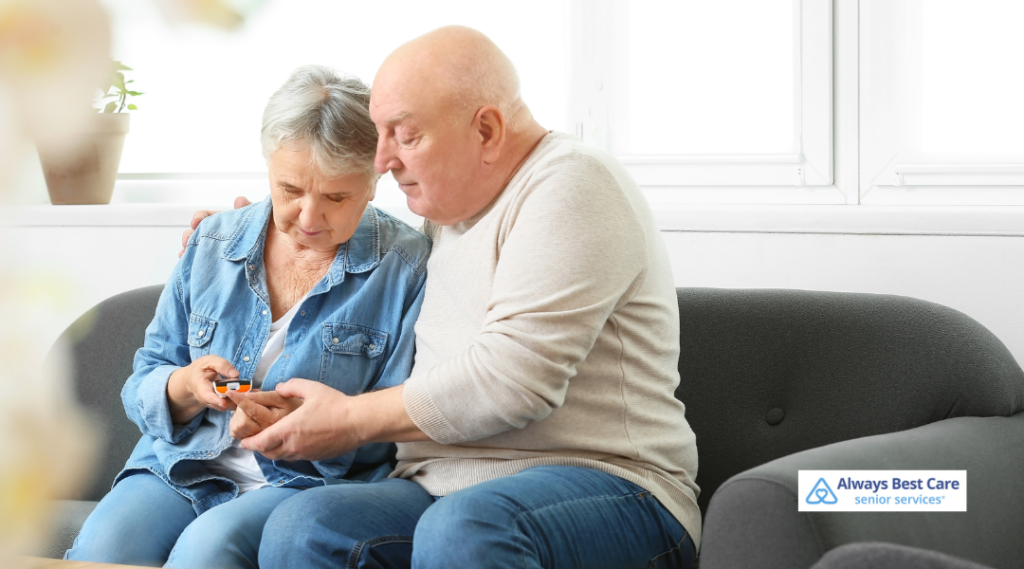
We know diabetes care is about more than a number on a meter. It’s about meals, reminders, hydration, safe movement, and keeping daily life on track.
At Always Best Care of Baton Rouge, LA, we can help with:
- Meal preparation
- Medication reminders
- Encouraging fluids and safe activity
- Transportation to appointments
- Watching for changes to report to family or providers
For seniors who qualify, home health services can also add support from trained healthcare professionals based on the doctor’s care plan.
FAQ
Q: What are the first signs of low blood sugar?
A: Shaking, sweating, dizziness, hunger, confusion, and weakness are common early signs.
Q: What are the first signs of high blood sugar?
A: Thirst, frequent urination, blurry vision, tiredness, and slow-healing sores are common warning signs.
Q: Why is blood sugar harder to manage in older adults?
A: Illness, medicine changes, memory issues, less activity, and appetite changes can all throw things off.
Q: When should families get emergency help?
A: Call for emergency help if the person faints, has a seizure, has trouble breathing, or develops severe confusion or weakness.
Q: How can we help a loved one at home?
A: We can help by keeping routines steady, watching for changes, reminding about medicine, and making sure meals and water don’t get skipped.

Helping Your Loved One Stay Safer With Diabetes
Blood sugar can change quickly, and older adults may not always notice the warning signs right away. By staying alert, keeping routines steady, and knowing when to call for help, families can make a real difference.
If your loved one needs extra support, Always Best Care of Baton Rouge, LA is here to help us help them live more safely and comfortably. Contact Always Best Care of Baton Rouge at (225) 771-8605 to learn more and schedule your free consultation.
Link to the markdown version of this blog.