Preventing Elder Abuse in Baton Rouge, LA: What Families Need to Know
Elder abuse isn’t just a headline on the evening news—it can happen right under our noses, in homes, care settings, or even within long‑trusted relationships. In Baton Rouge, LA, families work hard to make sure older loved ones feel safe, valued, and heard, yet abuse often hides in the shadows, unspoken and unnoticed.
By understanding elder abuse prevention, we can spot red flags sooner, step in faster, and make sure the seniors we love are treated with the dignity they’ve earned over a lifetime. At Always Best Care of Baton Rouge, LA, we see elder abuse prevention as a shared mission between us, our caregivers, and the families we support.
Table of Contents
What Is Elder Abuse, Really?
Elder abuse is any intentional act—or failure to act—that harms or upsets an older adult. It’s not always loud or dramatic. Sometimes, it’s quiet, sneaky, and covered up with excuses. And often, more than one type of abuse is happening at the same time.
Common types of elder abuse include:
- Physical abuse – hitting, shoving, rough handling, or using restraints in a harmful way
- Emotional abuse – yelling, insults, threats, bullying, or isolating a senior from others
- Financial exploitation – misusing money, pressuring someone to sign papers, or “borrowing” funds that never get repaid
- Neglect – not providing basics like food, medication, hygiene, or needed medical visits
- Abandonment or lack of supervision – leaving a senior alone when they clearly need help and monitoring
Recognizing that abuse wears many faces is the first big step in elder abuse prevention.

Warning Signs Families Shouldn’t Ignore
Elder abuse often starts small. A strange bruise here, a shift in behavior there. Before you know it, a pattern forms. Families in Baton Rouge, LA can help by keeping an eye out for changes that just don’t sit right.
Possible warning signs include:
- Unexplained bruises, cuts, or frequent falls
- Sudden mood swings, anxiety, or pulling away from friends and family
- Poor hygiene, dirty clothes, or an unkempt home
- Unusual bank withdrawals, missing cash, or new names on financial accounts
- Nervousness, fear, or hesitation around a certain person
- Changes in appetite, sleep, or communication—talking less, sounding confused, or unusually quiet
If your gut says, “Something’s off,” it’s worth paying attention.
Risk Factors That Can Raise the Stakes
Some situations make seniors more vulnerable to abuse. It doesn’t mean abuse will happen, but the risk goes up. Knowing these factors helps us act early and head off trouble.
Common risk factors include:
- Social isolation – limited visitors, few phone calls, or no nearby friends
- Cognitive decline – memory loss, dementia, confusion about time, money, or people
- Physical limitations – difficulty walking, bathing, dressing, or managing daily tasks
- Money worries or dependency – relying on others to handle bills or banking, with little oversight
- Caregiver stress or burnout – a worn‑out caregiver who’s overwhelmed, frustrated, or alone
By addressing these risk factors—adding support, creating breaks for caregivers, improving social contact—we make elder abuse prevention stronger and more effective.

Simple Steps Families Can Take for Elder Abuse Prevention
You don’t need a law degree or a badge to help protect a loved one. Many of the most effective steps are surprisingly simple and grounded in everyday care and connection.
Here are practical ways families can support elder abuse prevention:
- Stay involved in your loved one’s daily life and routines
- Visit regularly—in person when possible, with calls or video chats in between
- Keep an eye on finances, mail, and important documents
- Encourage social connections, like church groups, clubs, senior centers, and friendly neighbors
- Check in with caregivers, asking direct but respectful questions about how things are going
- Talk openly with your loved one about safety, comfort, and any concerns
- Address caregiver stress early—offer breaks, share tasks, or bring in professional help
An open, honest atmosphere makes it much harder for abuse to hide in the background.
How Professional In‑Home Care in Baton Rouge, LA, Helps Keep Seniors Safe
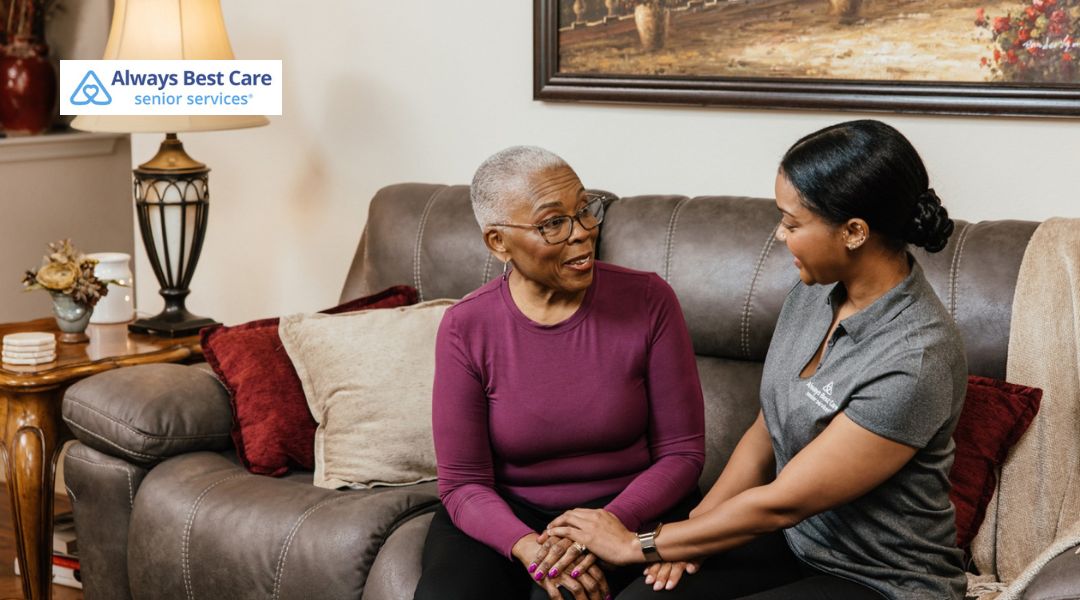
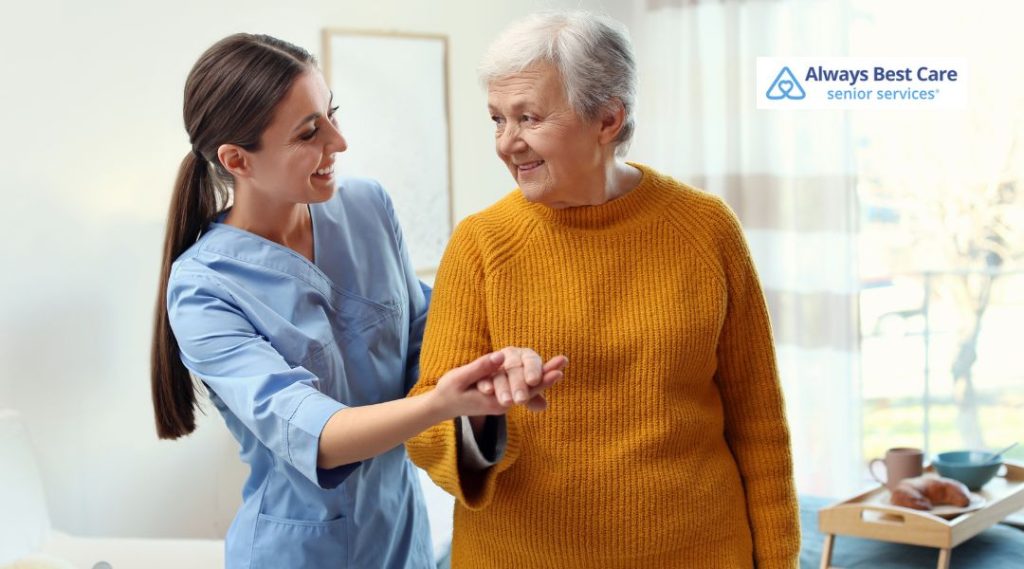
Professional in‑home care can be a powerful part of elder abuse prevention. A reliable caregiver doesn’t just help with bathing, meals, or medication reminders—they add another set of eyes, ears, and hands focused on safety and respect.
At Always Best Care of Baton Rouge, LA, we:
- Carefully screen and train caregivers for skill, compassion, and integrity
- Focus on building trust with seniors and families through consistent, respectful care
- Encourage independence while still keeping a close watch on health, mood, and environment
- Communicate changes to families so concerns are addressed before they snowball
Because we spend time in the home, we can often spot early warning signs—changes in behavior, new bruises, or concerning comments—and share them quickly with families, so action isn’t delayed.
What Should You Do If You Suspect Abuse?
That nagging feeling that something isn’t right can be hard to shake. So what should you do if you suspect a loved one might be in harm’s way?
Consider these steps:
- Talk privately with your loved one in a calm, safe setting.
- Listen carefully and avoid pushing them to say more than they’re ready to share.
- Write down what you see and hear—dates, times, injuries, mood changes, or unusual financial activity.
- Reach out to professionals, such as:
- Local adult protective services
- Healthcare providers
- Law enforcement if there’s immediate danger
- Stay present—keep visiting, calling, and checking in, so your loved one doesn’t feel alone.
Taking action can feel uncomfortable, but doing nothing can be far more harmful.
Creating a Safer Future for Seniors in Baton Rouge, LA
Elder abuse prevention isn’t a one‑time project; it’s an ongoing effort that involves families, neighbors, professionals, and the wider Baton Rouge community. By staying informed, asking questions, and building strong support systems, we can help seniors live with the safety and dignity they deserve.
At Always Best Care of Baton Rouge, LA, we see ourselves as your partner in that effort. We work side by side with families to create a caring, secure environment where seniors can stay in their own homes, feel respected, and enjoy everyday life.
If you’re looking for reliable, compassionate support for a loved one, we’re ready to help you explore your options and find a care plan that fits your family’s needs.
FAQs
Q: What is the most common type of elder abuse?
A: Emotional abuse and neglect are often reported as the most common, though financial exploitation is also very frequent. Many cases involve more than one type at the same time.
Q: Why does elder abuse sometimes go unreported?
A: Seniors may feel ashamed, scared of retaliation, worried about “causing trouble,” or dependent on the very person who’s mistreating them. Sometimes they’re not fully aware that what’s happening is abuse.
Q: How can families in Baton Rouge, LA reduce the risk of elder abuse?
A: Stay involved, communicate openly, watch for changes in behavior or finances, and bring in trustworthy, professional help—like in‑home caregivers—when extra support is needed.
Q: Are professional caregivers trained to spot abuse?
A: At Always Best Care of Baton Rouge, LA, we train caregivers to recognize warning signs, document concerns, and share them with families and appropriate professionals so problems don’t slip through the cracks.
Q: Can in‑home care really help someone stay safer than moving to a facility?
A: For many seniors, being at home with attentive, well‑trained caregivers, plus involved family members, can create a very safe, familiar setting. The key is oversight, communication, and a strong support network.
Protect Your Loved One With Compassionate, Trusted Care
Elder abuse may be widespread, but it’s not inevitable. By paying attention to warning signs, understanding risk factors, and treating elder abuse prevention as a shared responsibility, families in Baton Rouge, LA can help protect the seniors they love.
We at Always Best Care of Baton Rouge, LA are committed to safe, respectful, and compassionate care. Contact Always Best Care of Baton Rouge at (225) 771-8605 to learn more and schedule your free consultation.
Link to the markdown version of this blog.