Speech Therapy at Home in Baton Rouge: Helping Seniors Regain Communication After Stroke
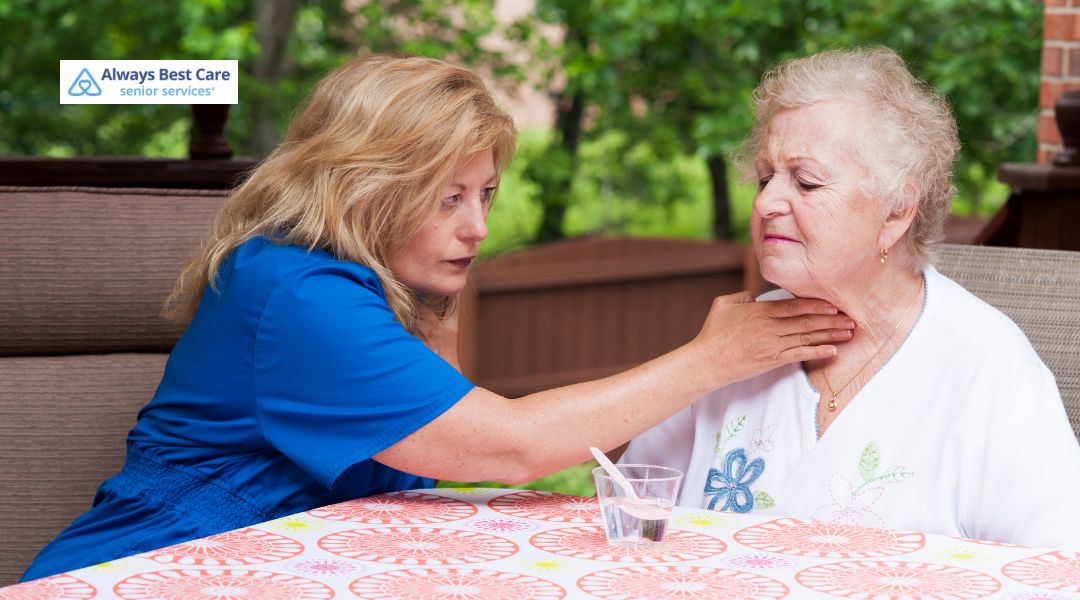
After a stroke, simple conversations can suddenly feel like climbing a mountain. Words get stuck, sentences tangle, or speech comes out slurred, and everyone at the table feels the tension. In Baton Rouge, where many families care for aging loved ones at home, those quiet, awkward pauses can be heartbreaking.
That’s where in-home speech therapy steps in. By bringing expert support right into the living room or kitchen, seniors can practice communication skills in the places and moments that matter most, without the stress of travel or crowded clinics.
What You Will Learn:
- How stroke affects speech, language, and communication in seniors.
- The benefits of in-home speech therapy for real-life communication improvement.
- Techniques therapists use to rebuild speech, understanding, and confidence.
- How families in Baton Rouge can support communication recovery at home.
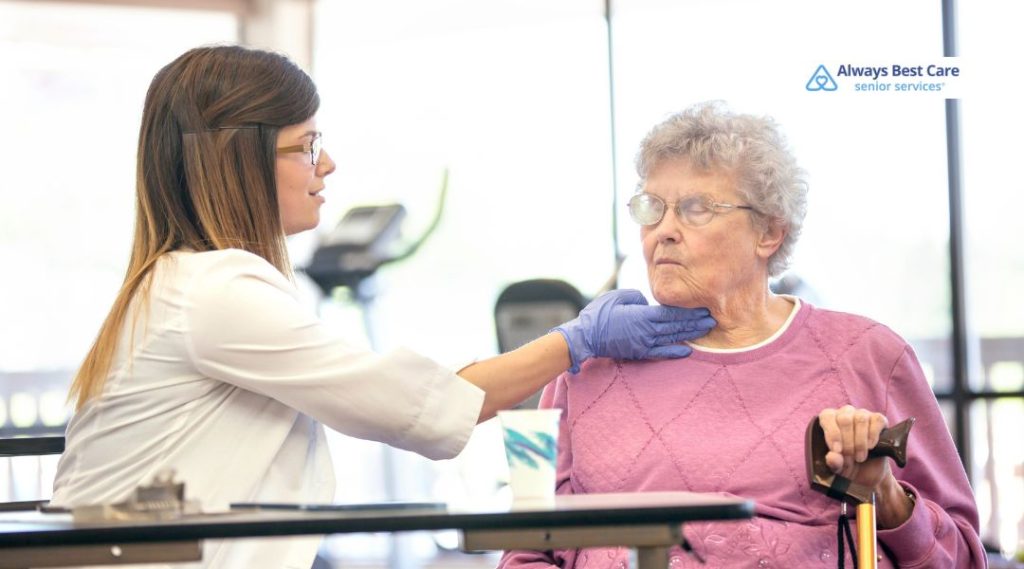
Table of Contents
How Stroke Affects Speech and Communication
Stroke can disrupt the parts of the brain that control speech, language, thinking, and swallowing. Depending on which areas are affected, seniors may struggle in very different ways.
Common post-stroke communication challenges include:
- Difficulty finding the right words
- Trouble understanding what others say
- Slurred or unclear speech
- Short, broken sentences or “yes/no” answers only
- Problems reading, writing, or following directions
Sometimes the senior knows exactly what they want to say but just can’t get the words out. Other times, they may not fully recognize the errors, which can be confusing for everyone involved.
Why In-Home Speech Therapy Helps Baton Rouge Seniors
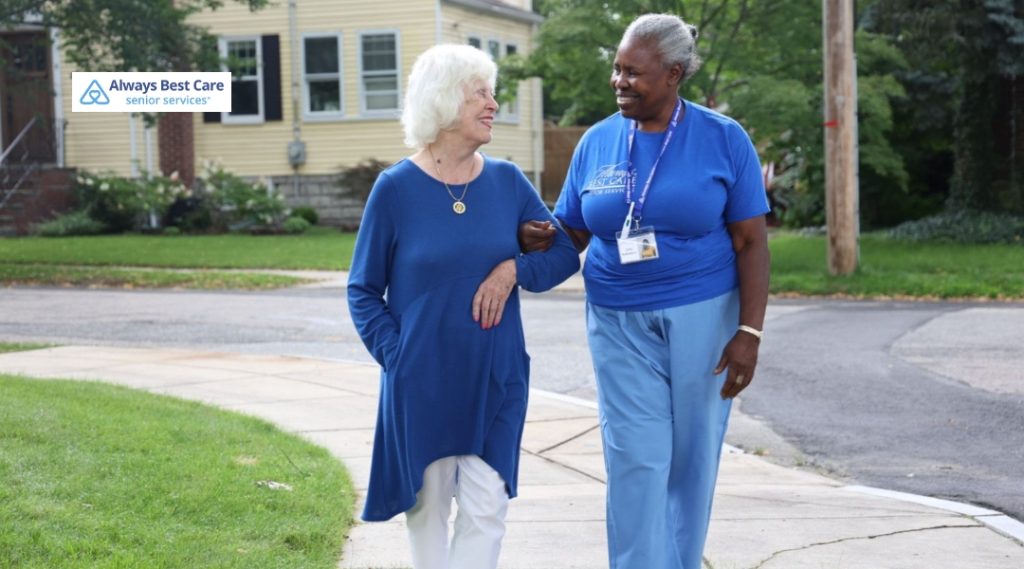
Clinic-based therapy has its place, but home is where most real-world conversations happen. In-home speech therapy in Baton Rouge lets seniors practice the skills they need in the exact environment they live in every day.
Benefits of home-based speech therapy include:
- No transportation worries or long waits
- More relaxed, familiar surroundings that reduce anxiety
- Therapy tasks built around real routines and activities
- Easier participation for family members in sessions
Instead of rehearsing canned phrases, seniors can work on the words and conversations they actually use at home: asking for a drink, calling a grandchild, or chatting about the weather.
What In-Home Speech Therapists Do After a Stroke
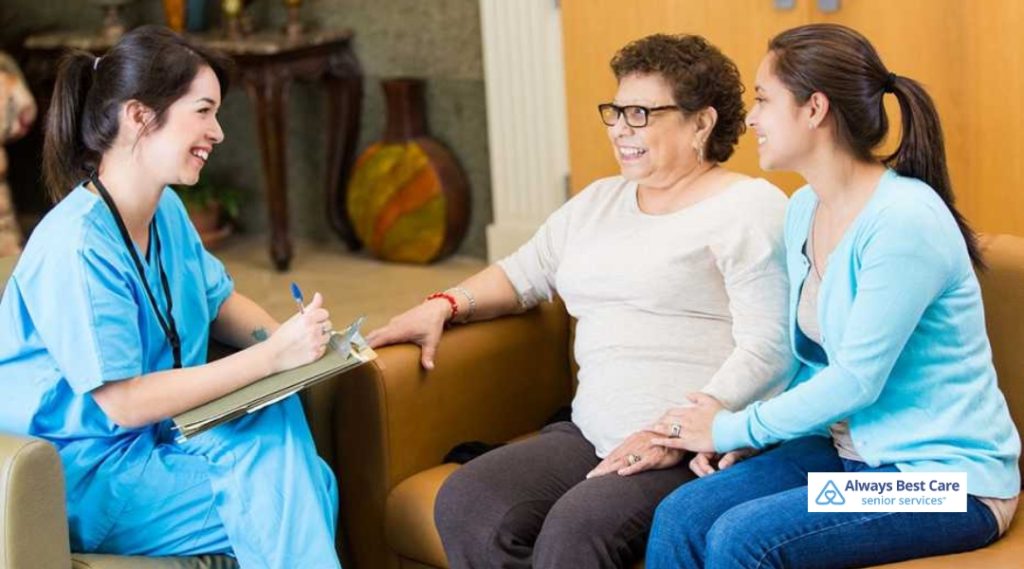
Speech-language pathologists (SLPs) who come to the home do far more than “practice talking.” They assess the seniors’ current abilities, set goals, and then build a plan that fits their unique needs and pace.
Typical in-home speech therapy may include:
- Exercises to strengthen muscles used for speech and swallowing
- Word-finding and sentence-building activities
- Practice understanding spoken and written information
- Voice volume and clarity work
- Training for safe swallowing and appropriate food textures if needed
Therapists keep sessions challenging but not overwhelming, adjusting activities as the senior makes progress or has tougher days.
Making Everyday Communication Easier
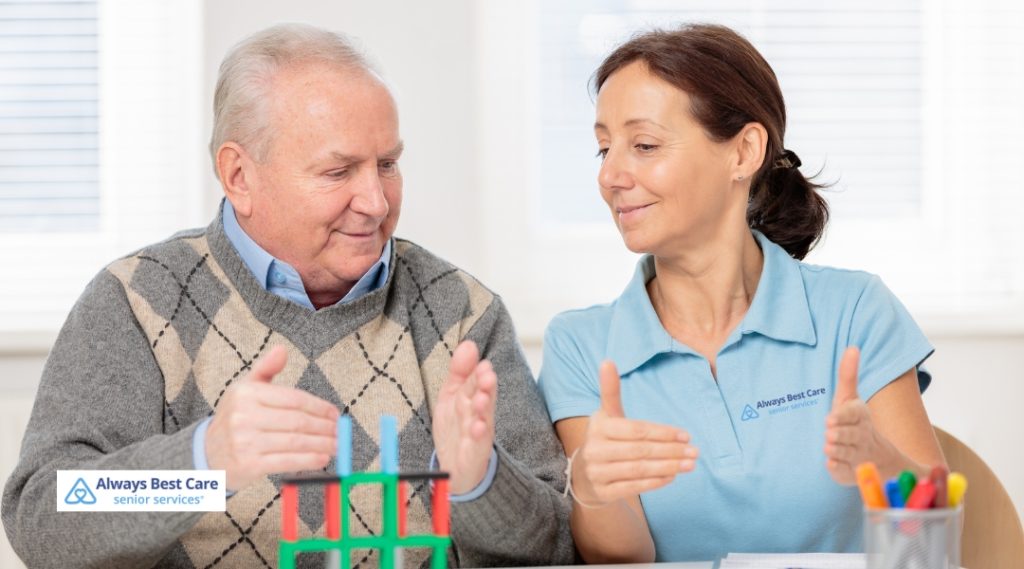
A big goal of speech therapy at home is simple: make conversations smoother and less stressful. Even small improvements can change the feel of a whole household.
Therapists often help seniors and families:
- Develop simple phrases that are easier to say in a pinch
- Use communication aids like notebooks, picture charts, or apps
- Slow down conversations and allow extra response time
- Create calm, low-noise environments during important talks
With these tools, mealtimes, phone calls, and quick questions feel less like tests and more like real connections again.

Boosting Confidence and Reducing Frustration
Communication problems don’t just affect words; they hit self-esteem hard. Seniors may pull back from conversation, avoid visitors, or stop expressing opinions because they’re embarrassed or afraid of making mistakes.
In-home speech therapists work to:
- Celebrate small wins so progress feels visible
- Normalize the challenges and explain what’s happening in the brain
- Encourage seniors to keep trying, even when words come out imperfectly
- Teach families how to respond in supportive, patient ways
As confidence grows, seniors often start speaking up more, laughing again, and rejoining conversations they once sat out.
How Family Members Can Support Speech Therapy at Home
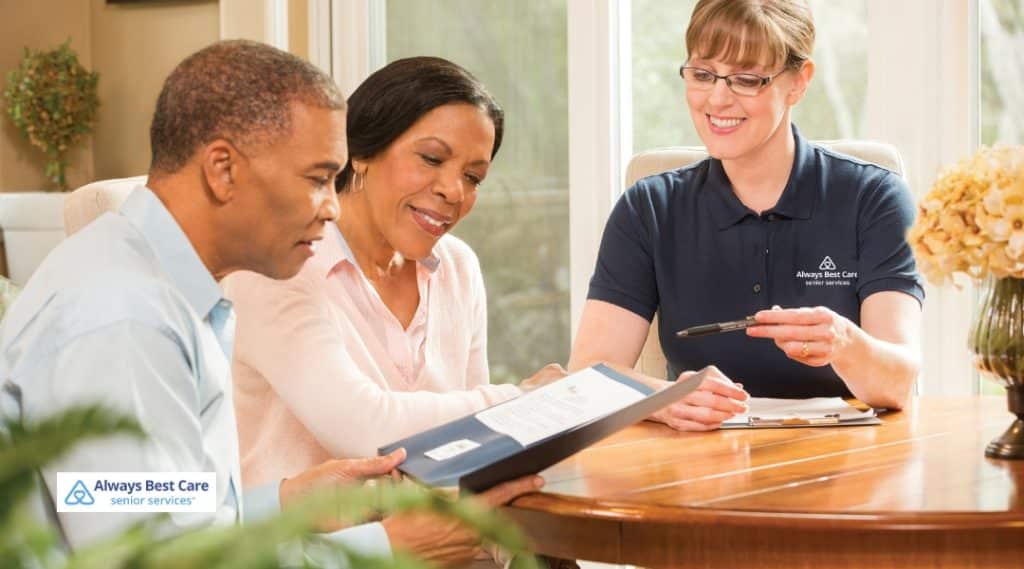
Families in Baton Rouge play a huge role in communication recovery, even outside scheduled therapy visits. A few supportive habits go a long way.
Helpful strategies include:
- Speaking slowly and clearly, without talking down to the senior
- Asking one question at a time
- Giving extra time for answers instead of jumping in
- Using yes/no questions or choices when the senior is tired
- Practicing therapy exercises as recommended by the SLP
The goal isn’t perfection; it’s creating a safe space where trying, stumbling, and trying again is welcomed rather than rushed.
Coordinate Speech Therapy With Overall Stroke Recovery
Speech therapy is one piece of the bigger recovery picture. Many seniors are also working with physical and occupational therapists, nurses, and doctors. Coordinating all these efforts keeps everyone pulling in the same direction.
An in-home speech therapist may:
- Communicate with other therapists about shared goals
- Adjust communication strategies based on physical limitations
- Help create routines that fit around other appointments
- Offer tips for clearer communication during medical visits
That teamwork means fewer mixed messages and more consistent support for the senior’s goals.
FAQs About In-Home Speech Therapy After Stroke in Baton Rouge
Q: How soon after a stroke should speech therapy begin at home in Baton Rouge?
A: Speech therapy often starts in the hospital or rehab and can continue at home as soon as it’s medically safe and appropriate. Earlier support generally gives seniors more opportunity to regain communication skills.
Q: What does a typical in-home speech therapy session look like?
A: Sessions often include short conversations, targeted exercises, reading or writing tasks, and practice using strategies that make speaking and understanding easier. Activities are tailored to the senior’s abilities, energy level, and goals.
Q: Can in-home speech therapy really improve communication after a severe stroke?
A: Many seniors make meaningful gains even after a significant stroke, though progress and final outcomes vary. Improvements might include clearer speech, more words, better understanding, or easier daily conversations, even if communication doesn’t return exactly to pre-stroke levels.
Q: How can families in Baton Rouge tell if speech therapy is helping?
A: Signs of progress may include fewer long pauses, clearer words, improved understanding of simple questions, greater willingness to talk, or less visible frustration. Therapists also track goals and share updates regularly.
Q: Does in-home speech therapy help with swallowing problems after a stroke?
A: Yes, many speech-language pathologists are trained to address swallowing difficulties. They may recommend exercises, posture changes, and specific food or liquid textures to improve safety and comfort while eating and drinking.
Giving Seniors Their Voice Back at Home
Communication is at the heart of relationships, and stroke can shake that foundation overnight. In-home speech therapy in Baton Rouge offers a way forward, bringing skilled guidance into the spaces where seniors live, rest, and connect with the people they love most. By pairing targeted exercises with everyday practice and strong family support, many seniors can reclaim more of their voice, their independence, and their confidence—one conversation at a time.
Contact Always Best Care of Baton Rouge at (225) 771-8605 to learn more and schedule your free consultation
Link to the markdown version of this blog.