

When Seniors Stop Eating Well: Practical Solutions for Families in Baton Rouge, LA
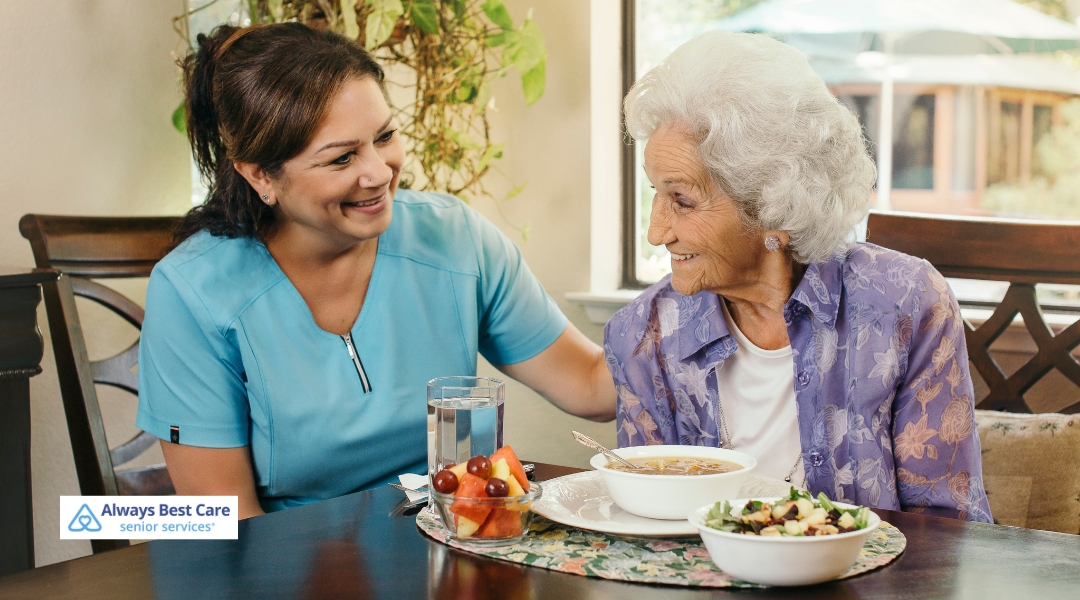
Watching a loved one lose interest in food can be unsettling. For many families in Baton Rouge, it starts subtly — a skipped breakfast here, a half-eaten dinner there. Over time, these small changes can add up to a serious health concern. Understanding what drives appetite loss in seniors and how to address it can make a meaningful difference in their quality of life.
What You Will Learn:
- Common reasons seniors lose their appetite and how to identify them.
- The health risks of poor nutrition in older adults.
- Practical strategies to encourage better eating habits.
- How caregivers and home care support consistent nutrition.
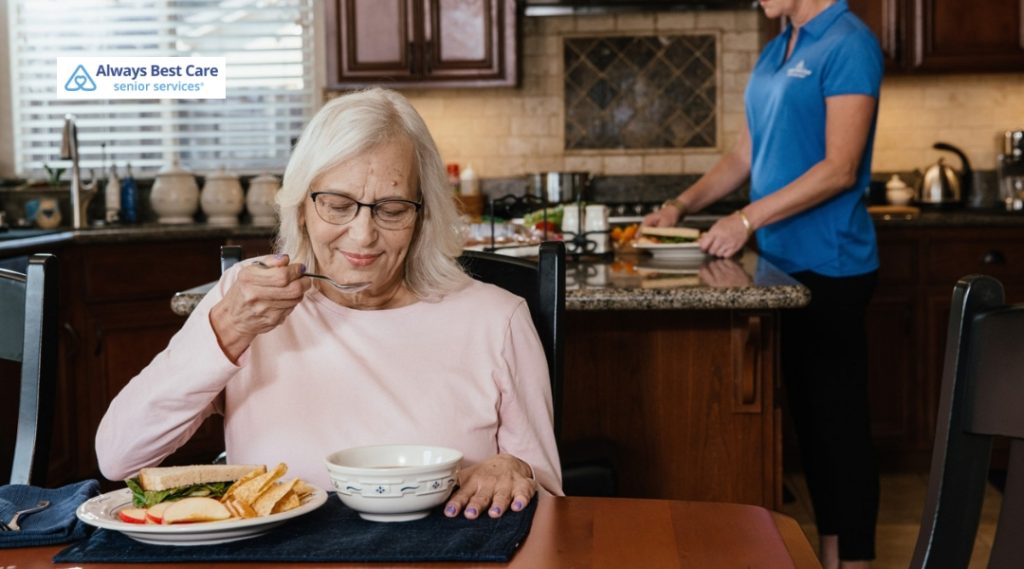
Table of Contents
Why Seniors Lose Their Appetite
Appetite changes in older adults rarely have a single cause. More often, several factors combine to reduce interest in food.
Physiological shifts play a significant role. As the body ages, the senses of taste and smell naturally diminish, making food less enjoyable. Digestion slows down, which can create a feeling of fullness that lingers longer than it should. Hormonal changes also affect hunger signals, meaning seniors may simply not feel hungry even when their bodies need fuel.
Medications are another common culprit. Many drugs prescribed for chronic conditions — including blood pressure medications, antidepressants, and pain relievers — list reduced appetite or nausea as side effects. If a senior recently started a new medication and appetite dropped shortly after, it’s worth discussing with their doctor.
Dental and swallowing issues make eating uncomfortable or even painful. Poorly fitting dentures, tooth pain, or difficulty swallowing can turn mealtime into a frustrating experience that seniors would rather avoid.
Emotional and cognitive factors matter just as much. Depression, anxiety, grief, and loneliness are all strongly linked to reduced appetite. Seniors living alone are particularly vulnerable — cooking for one feels like a lot of effort, and eating without company is rarely enjoyable. Cognitive decline can also interfere with the ability to recognize hunger or remember to eat.
The Real Cost of Poor Nutrition
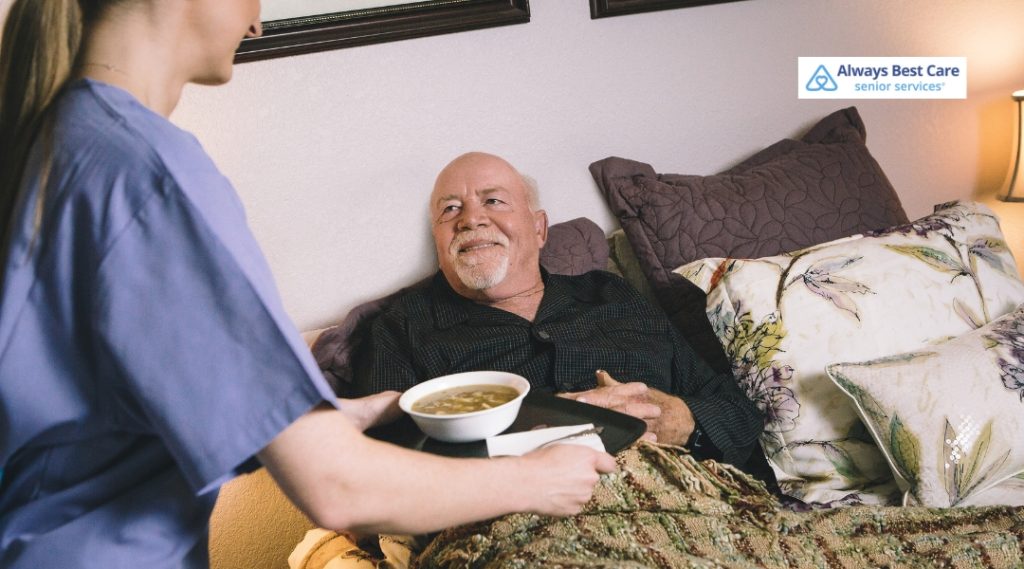
When seniors consistently eat too little, the consequences extend well beyond weight loss. Nutritional deficiencies can accelerate muscle loss, increase fall risk, weaken the immune system, and slow recovery from illness or surgery. Fatigue sets in, making it harder to stay active — which in turn reduces appetite further, creating a difficult cycle.
Even mild, gradual deficiencies in key nutrients like protein, vitamin D, calcium, and B vitamins can quietly erode a senior’s strength and independence over time. The earlier these changes are caught and addressed, the better the outcome.
Practical Strategies to Encourage Healthy Eating
Improving a senior’s nutrition doesn’t always require a dramatic overhaul. Small, thoughtful changes often yield the best results.
Prioritize nutrient density over volume. When appetite is limited, every bite needs to count. Focus on foods that pack a lot of nutrition into small portions — eggs, Greek yogurt, nut butters, avocado, lean meats, beans, and whole grains are all excellent choices. Protein deserves special attention, as it helps preserve muscle mass and support mobility.
Shift to smaller, more frequent meals. Three large meals a day can feel overwhelming. Offering five or six smaller meals and snacks throughout the day is often more manageable and can result in better overall intake.
Make food more appealing. Enhance flavor with herbs, spices, and seasonings rather than relying on salt. Serve meals with a variety of colors and textures. Presentation matters — food that looks good is more inviting.
Bring back favorite foods. Familiar meals tied to positive memories can spark appetite in ways that unfamiliar “healthy” foods cannot. There’s real value in comfort food, especially when a senior is struggling to eat.
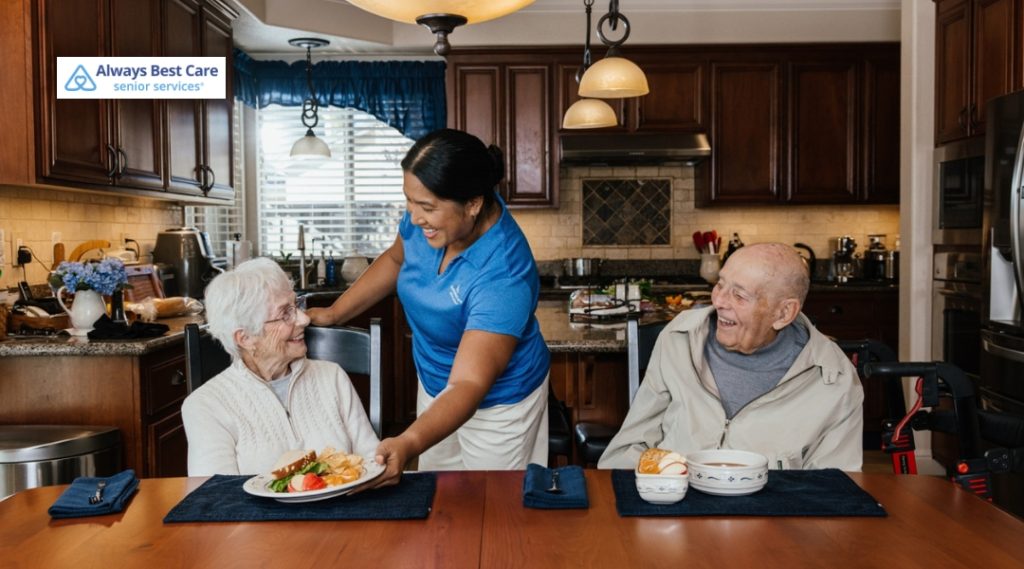
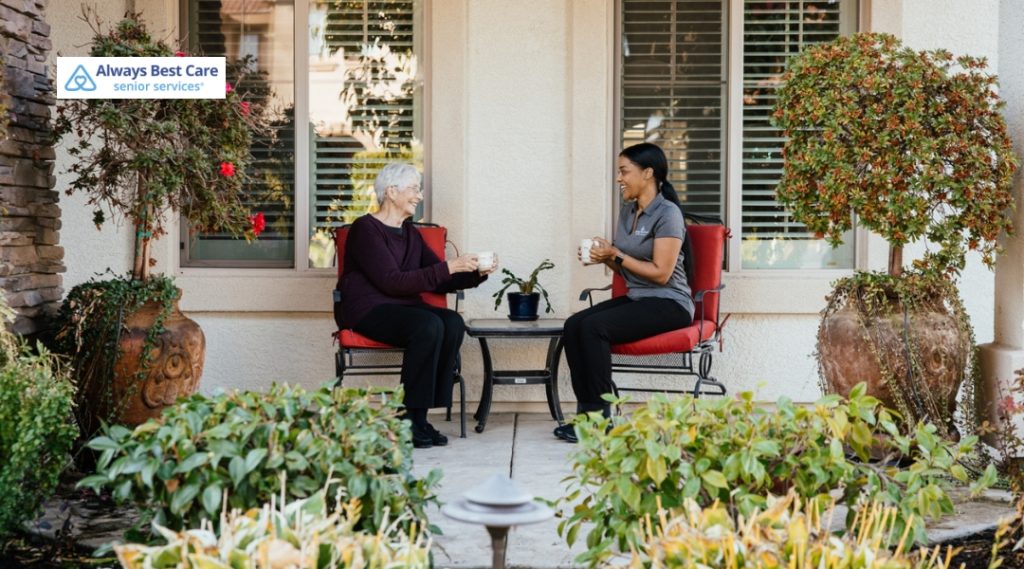
Address the social side of eating. Sharing a meal with someone — a family member, friend, or caregiver — makes eating more enjoyable and encourages seniors to stay at the table longer. Even a simple lunch together or an afternoon snack shared over conversation can shift mealtime from a chore to something worth looking forward to.
When to Seek Medical Guidance
Appetite changes that are gradual and mild may respond well to the strategies above. But certain signs warrant prompt medical attention:
- Significant or rapid weight loss
- Difficulty chewing or swallowing
- Persistent nausea or digestive discomfort
- Noticeable changes in mood or behavior
- Increased confusion or memory lapses
A healthcare provider can assess whether an underlying condition, medication side effect, or dental issue is contributing to the problem. Early intervention is always preferable to waiting until the situation becomes more serious.
How Always Best Care of Baton Rouge Can Help
For many seniors, the challenge isn’t knowing what to eat — it’s having the energy, motivation, and support to make it happen consistently. That’s where Always Best Care of Baton Rouge comes in.
Our caregivers provide hands-on, compassionate support that helps seniors maintain healthy eating habits day to day. We can assist with:
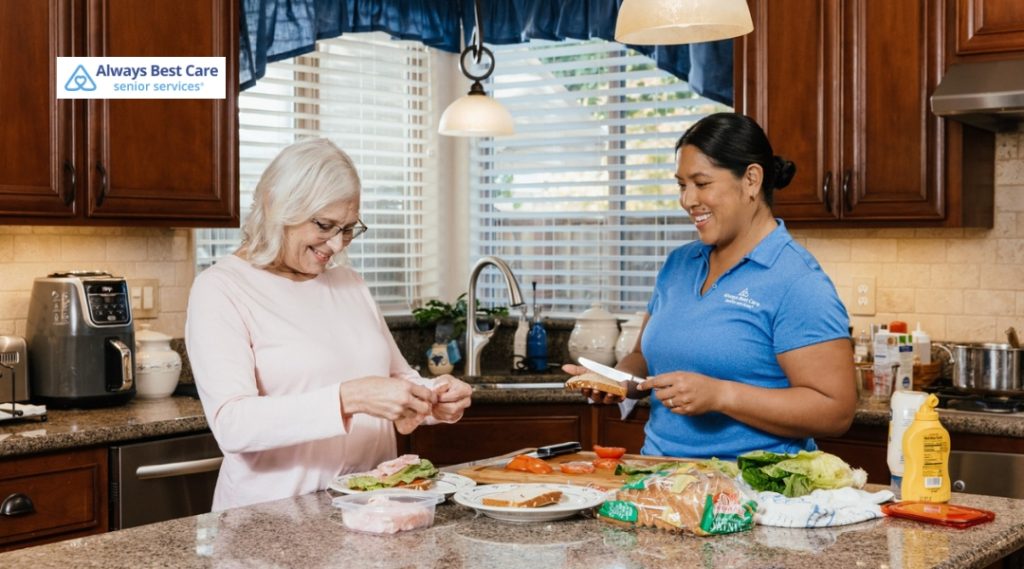
- Meal planning and preparation tailored to individual preferences and dietary needs
- Grocery shopping and stocking the kitchen with nutritious options
- Encouraging adequate hydration throughout the day
- Monitoring appetite and flagging changes to family members
- Providing companionship during meals to make eating more enjoyable
Good nutrition is foundational to everything else — energy, strength, immunity, and independence. When seniors have consistent support around mealtime, the results speak for themselves.
Frequently Asked Questions
Q: How much weight loss in a senior should be considered concerning?
A: A loss of 5% or more of body weight over six to twelve months is generally considered significant and warrants a conversation with a healthcare provider. Even smaller amounts of unintentional weight loss should be monitored closely, especially if accompanied by fatigue or weakness.
Q: Are appetite supplements or protein shakes a good option for seniors?
A: They can be a helpful short-term bridge when food intake is low, but they shouldn’t replace whole foods entirely. Nutritional shakes like Ensure or Boost provide calories and protein, but whole foods offer a broader range of nutrients and fiber. A registered dietitian can help determine the right approach for your loved one’s specific needs.
Q: Can dehydration affect appetite in seniors?
A: Yes. Dehydration is common in older adults and can suppress appetite, cause fatigue, and be mistaken for hunger. Encouraging regular fluid intake — water, herbal teas, broths, and water-rich foods like fruits and soups — is an important part of supporting overall nutrition.
Q: What foods are best for seniors with chewing difficulties?
A: Soft, nutrient-dense foods work well — scrambled eggs, yogurt, mashed sweet potatoes, smoothies, soft fish, hummus, and well-cooked vegetables are all good options. The goal is to maintain nutritional quality without requiring significant chewing effort.
Q: How can I tell if my loved one’s appetite loss is related to depression?
A: Signs of depression in seniors can include withdrawal from activities they once enjoyed, changes in sleep patterns, persistent low mood, and reduced interest in food. If you suspect depression may be a factor, speak with their doctor. Addressing the emotional well-being of a senior often has a direct positive impact on their appetite and nutrition.
Support Your Loved One’s Nutrition and Well-Being
At Always Best Care of Baton Rouge, we help seniors maintain healthy eating habits with compassionate, personalized in-home support. From meal planning and preparation to grocery shopping and companionship at mealtimes, our caregivers make it easier for your loved one to stay nourished, strong, and independent at home.
Contact Always Best Care of Baton Rouge at (225) 771-8605 to learn more and schedule your free consultation.
Link to the markdown version of this blog.