

Addressing Appetite Loss in Older Adults: A Caregiver’s Guide in Birmingham, AL

For many families, the first sign that something has changed isn’t a medical diagnosis — it’s an untouched plate. A parent who once looked forward to meals starts skipping breakfast, pushing food around, or eating just a few bites before stepping away from the table. These shifts can be easy to dismiss, but when they become a pattern, they deserve attention.
Appetite loss in older adults is more common than most people realize, and the consequences go well beyond weight. Nutrition fuels nearly every system in the body — from immune response to muscle function to cognitive clarity. When seniors aren’t eating enough, the effects compound quietly over time.
What You Will Learn:
- Why appetite loss is common in older adults and key contributing factors.
- The health risks of poor nutrition, including muscle loss and fatigue.
- Practical strategies to improve eating habits and meal enjoyment.
- How caregivers and home care support consistent nutrition and well-being.

Table of Contents
Why Seniors Lose Their Appetite
Appetite changes with age for a variety of reasons, and rarely is there just one cause. Understanding what’s driving the change is the first step toward addressing it effectively.
Physiological shifts play a significant role. As the body ages, metabolism slows, physical activity often decreases, and the senses of taste and smell become less sharp. Food that once seemed flavorful may taste bland, making meals less appealing.
Medications are another major factor. Many commonly prescribed drugs — including those for blood pressure, diabetes, and depression — list appetite suppression or nausea as side effects. If a senior recently started a new medication and appetite has dropped, it’s worth discussing with their physician.
Dental and swallowing issues can make eating uncomfortable or even painful. Poorly fitting dentures, tooth pain, or difficulty swallowing may cause seniors to avoid certain foods or reduce how much they eat overall.
Emotional and social factors matter too. Depression, grief, anxiety, and loneliness are all associated with reduced appetite. Seniors who live alone and eat in silence often consume less than those who share meals with others.
Cognitive decline can disrupt eating patterns as well. Seniors with dementia may forget to eat, lose interest in food, or struggle to recognize hunger cues.
What’s at Stake When Seniors Don’t Eat Enough
Poor nutrition doesn’t just cause weight loss — it accelerates decline across multiple areas of health. Seniors who consistently under-eat are at higher risk for:
- Muscle loss, which increases fall risk and reduces mobility
- Weakened immunity, making it harder to fight off infections
- Slower wound healing and longer recovery times after illness
- Fatigue and cognitive fog, which can affect mood, memory, and daily function
- Bone density loss, raising the risk of fractures
Even seniors who appear physically stable can be nutritionally deficient. Micronutrient gaps — in vitamin D, B12, calcium, and iron — are particularly common and often go undetected without routine bloodwork.
Practical Ways to Encourage Better Eating
Improving a senior’s nutrition doesn’t always require a dramatic overhaul. Often, small, consistent changes make the biggest difference.
Prioritize nutrient density over volume. When appetite is limited, every bite should count. Focus on foods that pack a nutritional punch in smaller portions — eggs, Greek yogurt, nut butters, avocado, lean proteins, beans, and whole grains. A small bowl of oatmeal with almond butter delivers far more value than a large plate of plain crackers.
Adjust meal structure. Three large meals a day may not work well for seniors with reduced appetite. Offering five or six smaller meals and snacks throughout the day can feel more manageable and lead to better overall intake.
Enhance flavor without adding sodium. Since taste sensitivity often declines with age, using fresh herbs, citrus, garlic, and spices can make food more appealing without relying on salt.
Make the eating environment inviting. Presentation matters. Colorful plates, pleasant table settings, and eating in a comfortable, well-lit space can all improve the mealtime experience.
Eat together whenever possible. Shared meals are one of the most effective ways to improve food intake in older adults. Companionship naturally extends time at the table and makes eating feel like a social event rather than a chore.

When to Involve a Healthcare Provider
Some appetite changes are situational and resolve on their own. Others signal something that needs medical attention. Families should consult a healthcare provider if a senior experiences:
- Noticeable, unintentional weight loss over a short period
- Persistent difficulty chewing or swallowing
- Significant changes in mood, energy, or cognitive function
- Ongoing nausea, vomiting, or digestive discomfort
- A sudden and unexplained disinterest in food
A physician can assess whether an underlying condition, medication interaction, or nutritional deficiency is contributing to the problem — and recommend appropriate interventions.
How Always Best Care of Birmingham, AL Can Help
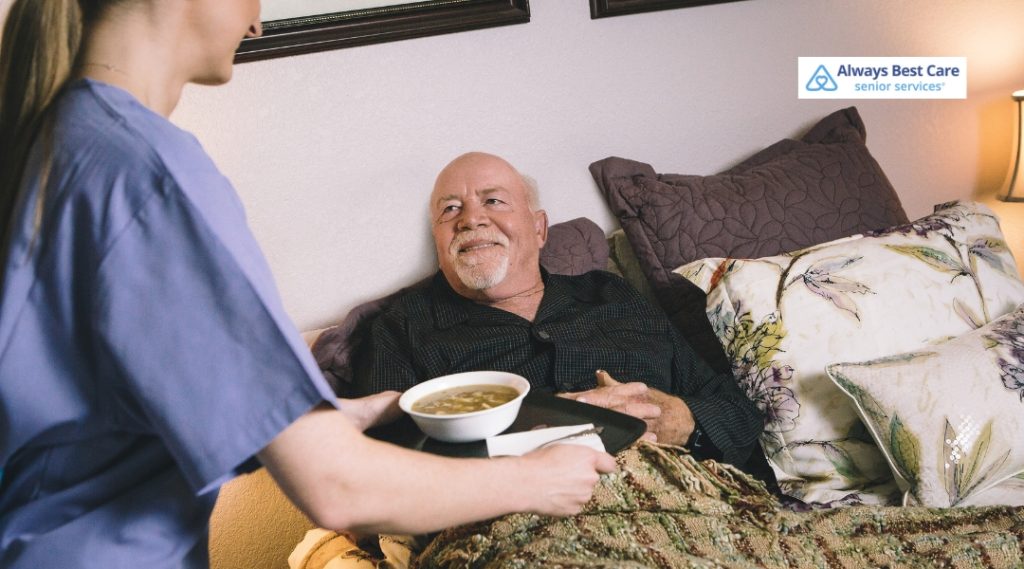
For families managing a loved one’s care from a distance, or for seniors who live alone, maintaining consistent nutrition can be genuinely difficult. Always Best Care caregivers provide hands-on support that makes healthy eating more achievable day to day.
Our caregivers can help with:
- Meal planning and preparation tailored to dietary needs and preferences
- Grocery shopping and pantry organization
- Encouraging regular hydration throughout the day
- Monitoring appetite and flagging changes to family members
- Providing companionship during meals to make eating more enjoyable
- Coordinating with healthcare providers when concerns arise
Good nutrition is foundational to everything else — mobility, independence, mental sharpness, and quality of life. With the right support in place, seniors in Birmingham, AL can continue to eat well and age well.

Frequently Asked Questions
Q: What is a normal amount of appetite loss for a senior?
A: Some decrease in appetite is a natural part of aging due to slower metabolism and reduced activity. However, if a senior is consistently skipping meals, losing weight unintentionally, or showing little interest in food over several weeks, it’s worth discussing with a healthcare provider.
Q: How can I tell if my loved one isn’t eating enough?
A: Watch for signs like unintended weight loss, low energy, increased weakness, slower healing, or changes in mood and cognition. Keeping a loose log of what they eat over a week can also help identify patterns worth addressing.
Q: Are there foods that are especially good for seniors with low appetite?
A: Yes. When appetite is limited, focus on nutrient-dense options like eggs, Greek yogurt, nut butters, avocado, lean meats, beans, and fortified foods. These provide protein, healthy fats, and essential vitamins in smaller portions.
Q: Can loneliness really affect how much a senior eats?
A: Absolutely. Research consistently shows that older adults who eat alone consume less food than those who share meals. Social connection at mealtimes is one of the simplest and most effective ways to improve food intake.
Q: When should I be concerned enough to call a doctor?
A: If appetite loss is sudden, accompanied by significant weight loss, difficulty swallowing, persistent nausea, or notable changes in mood or cognition, contact a healthcare provider promptly. These can be signs of an underlying medical issue that needs evaluation.
Q: How can a caregiver help with nutrition?
A: A professional caregiver can assist with meal planning, grocery shopping, food preparation, and mealtime companionship. They can also monitor changes in eating habits and communicate concerns to family members or healthcare providers — providing an important layer of oversight for seniors living at home.
Support Your Loved One’s Nutrition and Well-Being at Home
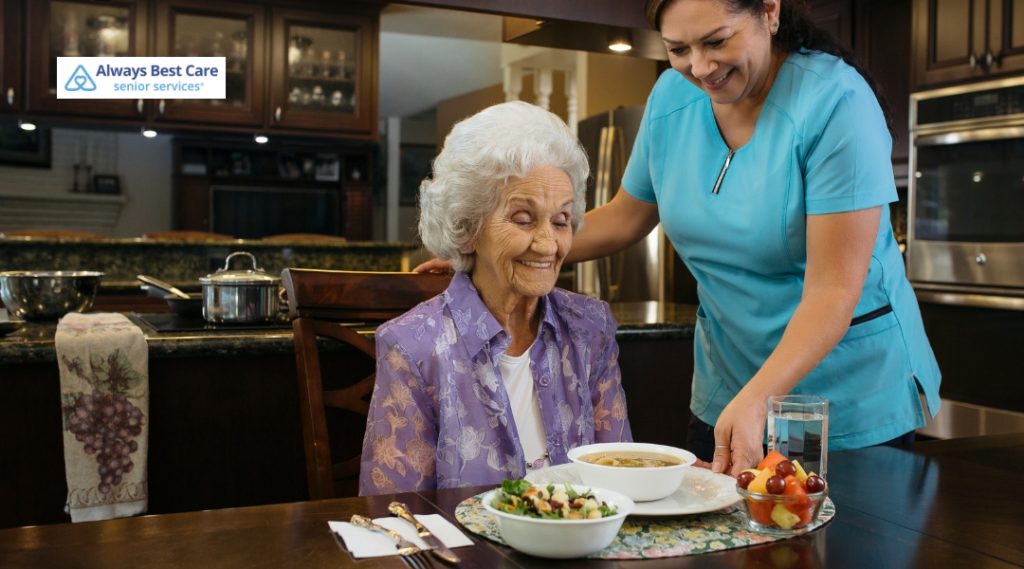
At Always Best Care of Birmingham, we help seniors maintain healthy eating habits with compassionate, personalized in-home care. From meal planning and preparation to grocery shopping and companionship at mealtimes, our caregivers make it easier for your loved one to stay nourished, strong, and independent at home.
Contact Always Best Care of Birmingham at (205) 874-9730 to learn more and schedule your free consultation.
Link to the markdown version of this blog.