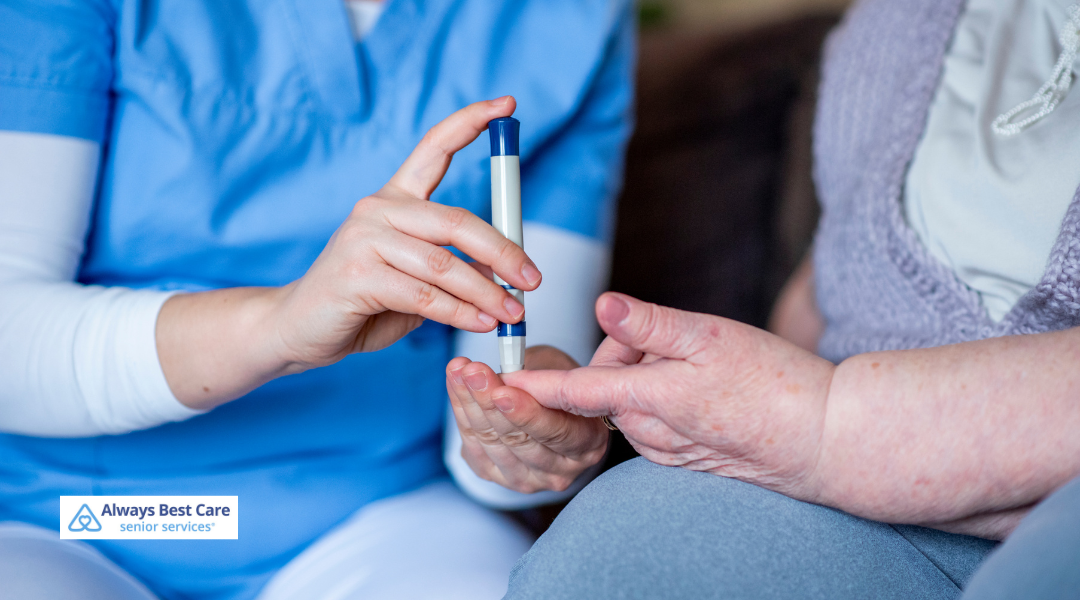

How Companion Care Helps Chapel Hill Stroke Survivors Stay Engaged and Motivated
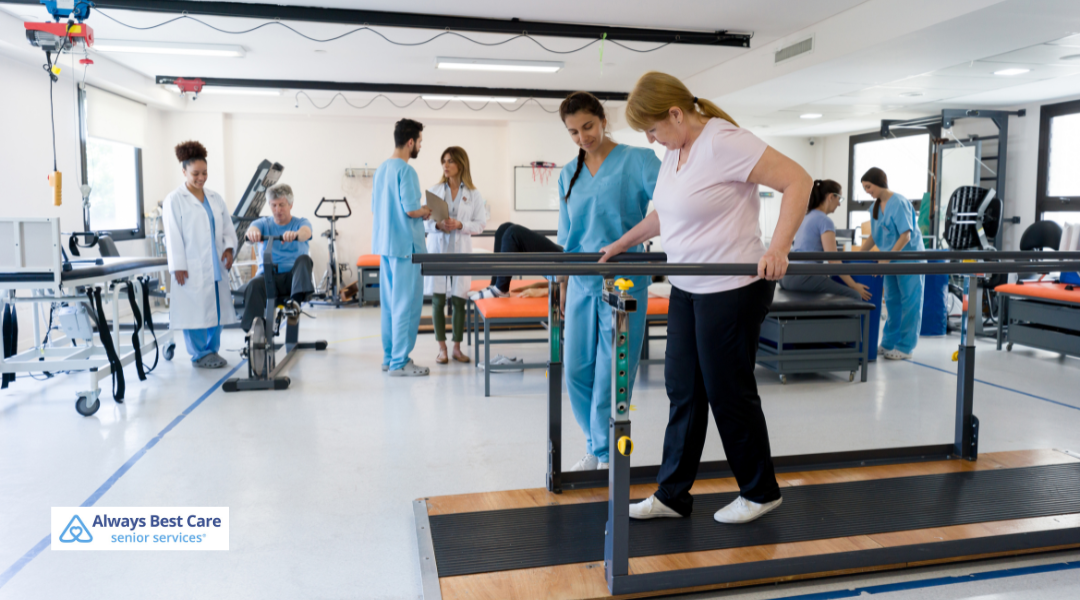
After a stroke, recovery often centers on rehabilitation appointments, movement, and daily care. But feeling connected to other people and having something meaningful to look forward to also matter.
Changes in mobility, communication, or confidence can make it harder for a senior to visit friends, participate in hobbies, or feel comfortable in social settings. Research suggests that social connection and engagement may help protect against increased functional limitations and depressive symptoms following a stroke. This does not guarantee a particular recovery outcome, but it reinforces the importance of including social well-being in the care plan.
For Chapel Hill families, companionship can offer a practical way to support that connection when relatives cannot be present every day.

Table of Contents
What You Will Learn
- How companion care can create regular opportunities for conversation, shared interests, and social contact when stroke-related changes make participation more difficult.
- Why companionship complements—but does not replace—physical therapy, occupational therapy, speech-language therapy, or medical treatment.
- How familiar activities, such as music, photographs, reading, games, and calls with friends, can be adapted around the survivor’s preferences and current abilities.
What Companion Care Can Offer
Companion care is non-medical support focused on social interaction, meaningful activities, and everyday assistance. It does not replace rehabilitation or clinical treatment. Instead, it can help create opportunities for participation between appointments.
A personalized companion-care arrangement might include:
- Conversation and attentive listening
- Help enjoying favorite hobbies
- Assistance arranging calls with family or friends
- Encouragement to follow established daily routines
- Accompaniment to suitable activities or outings
- A familiar presence during the day
- Practical assistance that makes social participation easier
These are ways to put social support into everyday practice. The American Stroke Association emphasizes that emotional support and connections with other survivors and caregivers can make life after stroke more manageable.
Make Social Connection Easier to Maintain
A stroke survivor may want company but feel uncertain about reconnecting. Getting ready for a visit may take more effort, or a group conversation may feel difficult to follow.
A companion can help families create manageable opportunities for connection. For example, a visit might include a short phone call with a friend, looking through photographs with a grandchild, or preparing for a support-group meeting.
Social time does not need to be long or busy to be meaningful. The important question is whether the activity feels comfortable and worthwhile to the survivor. Research links social engagement after stroke with better perceived recovery and daily functioning, although these associations do not prove that companion care itself causes improvement.
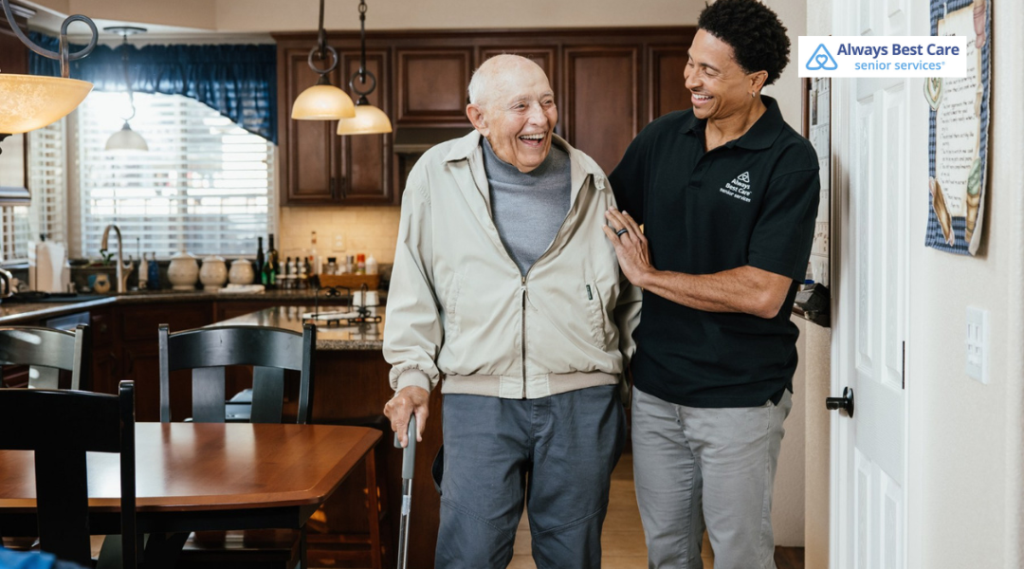
Communicate With Patience and Respect
Communication changes can make social participation more challenging. UNC’s stroke rehabilitation team includes speech therapists who assess communication abilities and recommend individualized treatment.
Families can ask the speech-language pathologist which approaches a companion should use. Depending on the survivor’s needs, this may involve allowing more time to respond, using recommended communication tools, or making the setting quieter.
A helpful care plan should explain:
- How the survivor prefers to communicate
- What makes conversation easier or more difficult
- Which cues or tools the therapist recommends
- How to include the survivor in choices about activities
- When communication difficulties should be reported
The goal is to keep the person involved—not to speak for them unnecessarily or turn every conversation into a test.

Bring Meaningful Activities Back Into the Day
A stroke may change how someone participates in a hobby without removing their interest in it. Companion visits can be organized around familiar interests and adapted to the survivor’s current abilities.
Possible activities include:
- Listening to favorite music
- Looking through family photographs
- Reading together or listening to an audiobook
- Watching and discussing a favorite team or program
- Playing a familiar game with suitable adaptations
- Helping prepare a card or message for a relative
- Spending time outdoors when access and assistance are appropriate
These are examples, not a required activity list. Ask your loved one what they enjoy and involve the rehabilitation team when an activity raises mobility or safety questions. UNC’s rehabilitation program focuses on maximizing function and quality of life, making personally meaningful participation a useful goal to discuss with the team.
Offer Encouragement Without Pressure
Motivation is not the same as being cheerful or eager every day. Recovery involves many factors, including the effects of the stroke, the survivor’s previous health, rehabilitation, and caregiver support. A difficult day should not be treated as a lack of effort.
A companion can provide gentle reminders and encouragement while respecting the survivor’s choices. Supportive language might include:
- “Would you like to start now or after a break?”
- “Let’s follow the plan your therapist gave you.”
- “Which activity would you enjoy today?”
- “We can ask your therapist about the part that feels difficult.”
Any help with exercises, walking, or transfers should follow the rehabilitation team’s instructions and remain within the caregiver’s training and service scope. Companion care does not replace the physical, occupational, or speech therapy provided by licensed professionals.
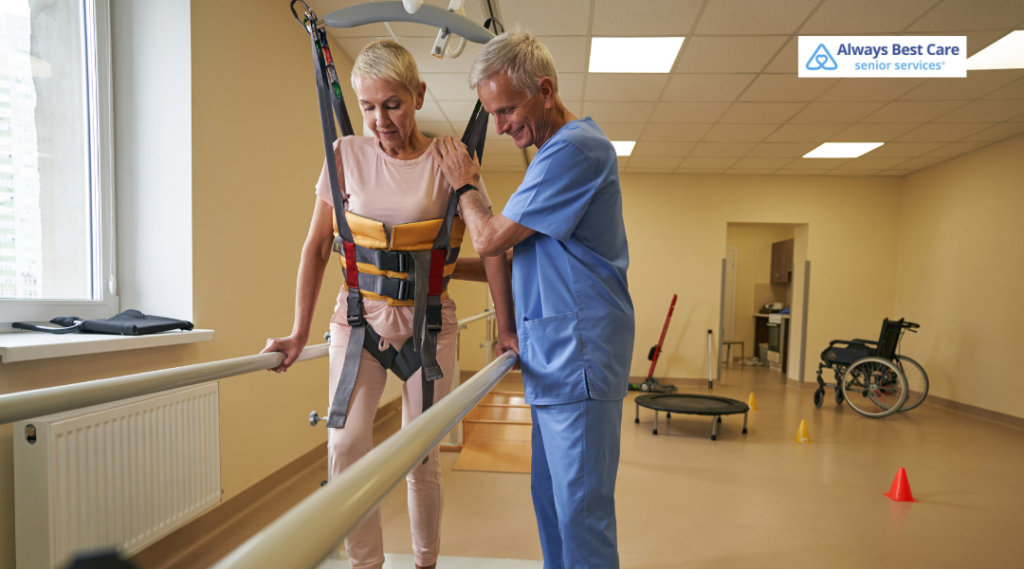
Give Families Reassurance Through Clear Communication
When relatives cannot visit every day, they may wonder whether their loved one is spending too much time alone or has enough support to participate in activities.
Before arranging companion care, families can agree on how visits will work and how updates will be shared. Useful questions include:
- Which activities does our loved one enjoy?
- What assistance is appropriate?
- How will changes or concerns be reported?
- Who should receive updates, with the survivor’s consent?
- What happens if a visit needs to be rescheduled?
- Which needs require nursing or other clinical care rather than companionship?
Clear expectations can make the arrangement easier to manage. Companion visits should not be assumed to provide continuous supervision, clinical monitoring, or emergency coverage unless those services have been explicitly arranged.
Recognize When Emotional Changes Need Professional Help
A caring presence can offer comfort, but it cannot diagnose or treat depression. Persistent withdrawal, low mood, or concerning changes in attitude and behavior should be discussed with the healthcare team.
The American Stroke Association notes that post-stroke depression can affect recovery and rehabilitation. It advises caregivers to monitor emotional and behavioral changes and consult a healthcare provider about a plan of action.
Families should avoid assuming that someone simply needs more encouragement. Companion care can be part of a support system, alongside appropriate medical or mental health care.
Protect Family Caregiver Well-Being
Family members often balance caregiving with work, parenting, and other responsibilities. Reliable help can create time to rest, attend appointments, or manage personal needs.
The American Stroke Association recommends that caregivers seek support and take breaks by involving another family member, friend, or neighbor. Protecting the caregiver’s health is part of sustaining care over time.
For some families, scheduled companion visits can help share the social and practical workload, allowing time together to focus more on the relationship.
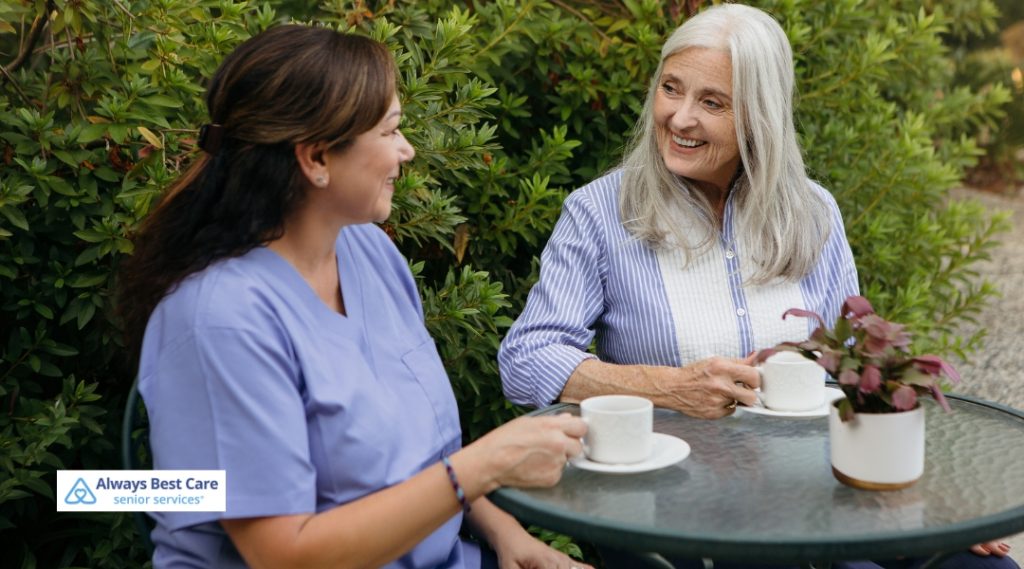
Chapel Hill Resources for Survivors and Families
The UNC Stroke Support Group welcomes stroke survivors and others affected by stroke. UNC lists meetings on the second Wednesday of each month from 2 to 3 p.m. at the Center for Rehabilitation Care, 1807 Fordham Boulevard in Chapel Hill, with a virtual Webex option. Confirm current details before attending. For information or to join the email list, contact Dr. Blaise Morrison at [email protected].
UNC also provides stroke rehabilitation through physical, occupational, and speech therapy, with outpatient and home health services available as patients return home. Families can ask the treating team which services fit their loved one’s needs.
How Always Best Care of Chapel Hill Can Help
Contact Always Best Care of Chapel Hill to discuss available companion care and non-medical in-home services.
A personalized arrangement can consider your loved one’s interests, communication preferences, daily routines, and the support your family needs. Ask about companionship, assistance with meaningful activities, practical household help, transportation, and caregiver relief.
Explain any mobility, transfer, or supervision needs before arranging care so the team can determine what assistance it can safely provide. The aim is to complement the healthcare team’s plan while helping your loved one feel included and supported at home.
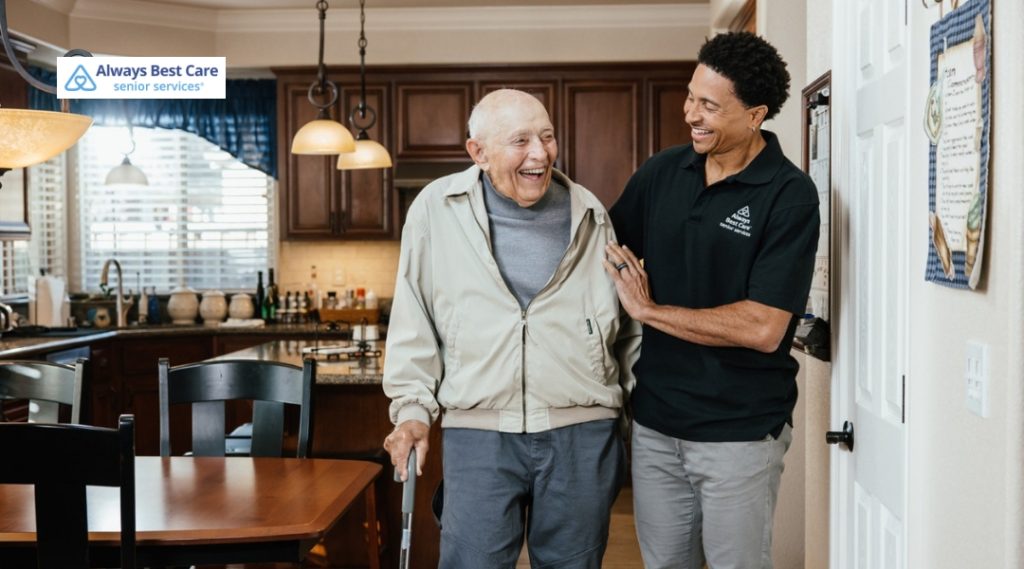
FAQ
Q: Can companion care help a stroke survivor feel less isolated?
A: Companion visits can create regular opportunities for conversation and shared activities. Social connection is associated with better psychological and functional outcomes after stroke, but companion care should not be presented as a guaranteed treatment or recovery intervention.
Q: Can a companion caregiver provide rehabilitation therapy?
A: No. Rehabilitation is provided by licensed professionals. A companion may support established routines and approved activities within their training and service scope, but should not independently design exercises or change the treatment plan.
Q: What if my loved one has difficulty communicating?
A: Ask the speech-language pathologist which strategies work best and include those recommendations in the care plan. UNC’s stroke services include individualized communication assessment and treatment.
Q: What if our loved one does not seem motivated?
A: Avoid assuming that a difficult day reflects unwillingness. Recovery depends on many factors. Persistent emotional or behavioral changes should be discussed with a healthcare provider, particularly when depression may be affecting rehabilitation.
Q: Where can Chapel Hill families find peer support?
A: The UNC Stroke Support Group offers in-person and virtual participation. Contact the group to confirm meeting details and learn how to join.
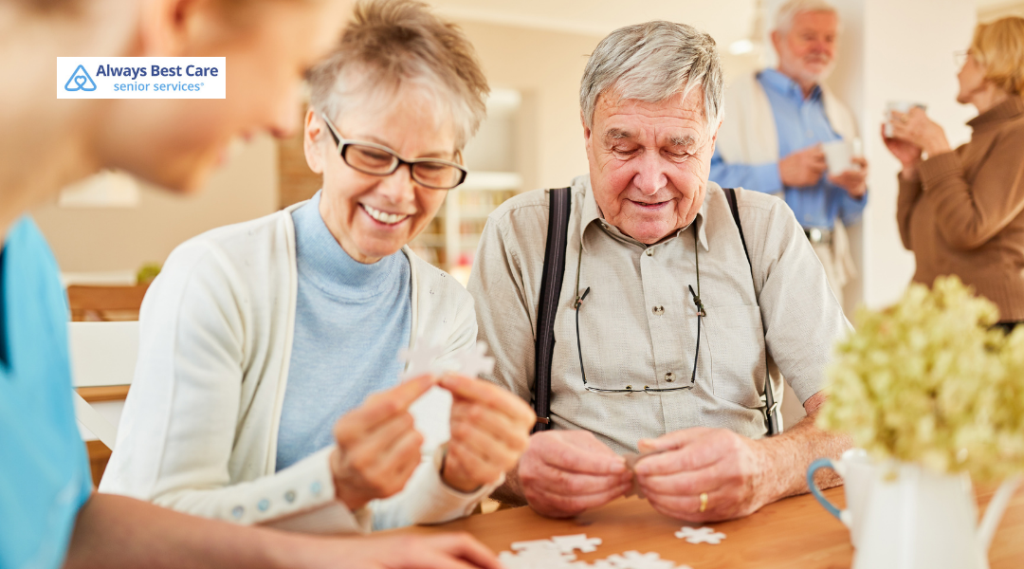
Make Connection Part of Recovery
A thoughtful recovery plan can make room for conversation, favorite activities, social contact, and patient encouragement—not just appointments and tasks.
Contact Always Best Care of Chapel Hill to discuss companion care that reflects your loved one’s preferences and routines while giving family caregivers practical support when they cannot be there every day. Contact Always Best Care of Chapel Hill at (336)270-4352 to learn more and schedule your free consultation.
Link to the markdown version of this blog.