Summer Home Safety Checklist for Seniors in Charleston, SC
Summer in Charleston, SC, is a season full of promise — longer evenings, outdoor gatherings, and a slower pace of life. But for older adults and their families, it also calls for some thoughtful preparation. Rising temperatures, seasonal storms, and increased outdoor activity can create real risks for seniors. The good news? A few proactive steps can make all the difference in keeping your loved one safe, comfortable, and thriving all summer long.
What You Will Learn:
- Why seniors are more vulnerable to summer heat and how to reduce risks.
- How to keep homes cool and comfortable during hot, humid weather.
- Ways to build hydration habits and prevent dehydration.
- How to reduce fall risks and prepare for storms and outages.
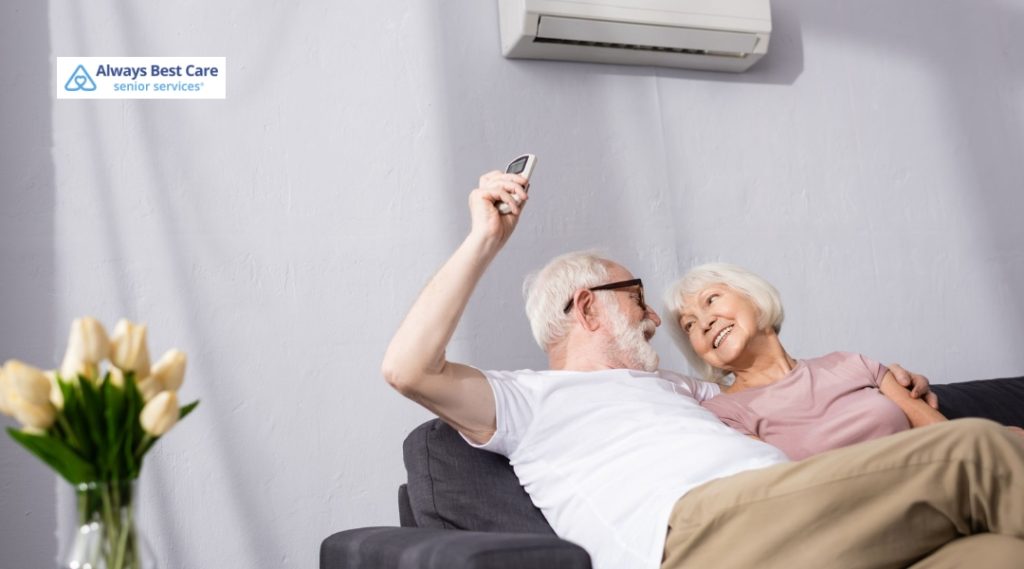
Table of Contents
Start with Your Cooling System
Heat is the number one summer threat for older adults. As we age, the body’s ability to regulate temperature declines, making seniors significantly more susceptible to heat exhaustion and heatstroke — even indoors.
Before the hottest months arrive:
- Schedule an HVAC inspection and replace air filters
- Test ceiling fans and portable fans
- Use blackout curtains or blinds to block afternoon sun
- Identify local cooling centers in case of AC failure
Don’t wait for a heat wave to discover your system isn’t working. A quick checkup now can prevent a dangerous situation later.
Build a Hydration Habit
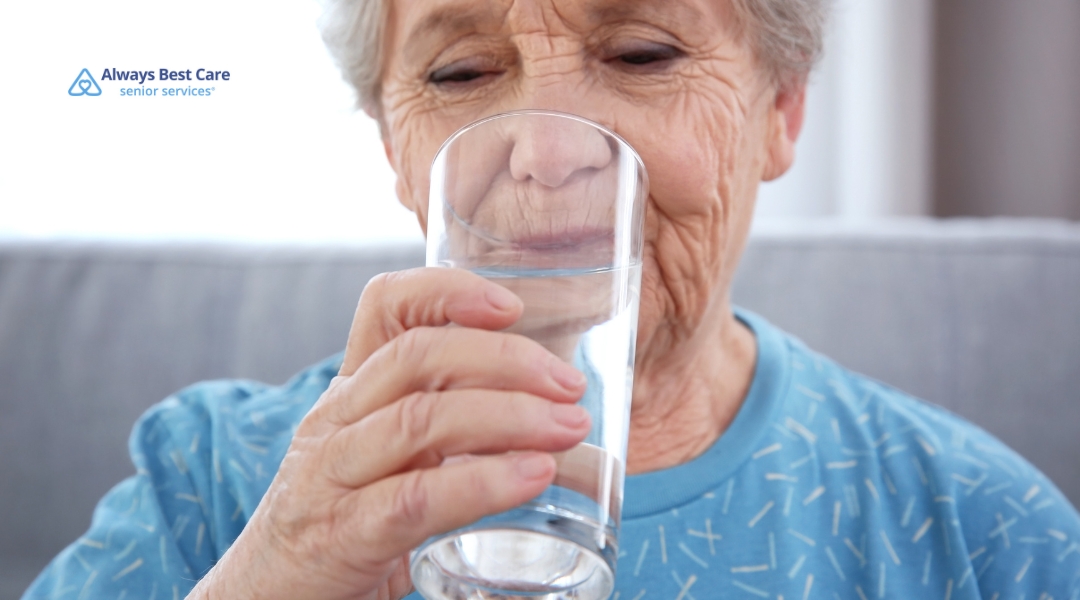
Dehydration sneaks up on seniors more easily than most people realize. The natural sense of thirst diminishes with age, and certain medications can accelerate fluid loss. By the time a senior feels thirsty, they may already be mildly dehydrated.
Make hydration effortless by:
- Placing water bottles in every room as visual reminders
- Offering hydrating foods like watermelon, cucumbers, and strawberries
- Setting gentle phone or watch reminders to drink throughout the day
- Reducing caffeine and sugary drinks, which can contribute to dehydration
Consistent hydration supports energy levels, cognitive clarity, and overall health — not just on hot days, but every day.
Inspect Outdoor Areas Before Summer Begins
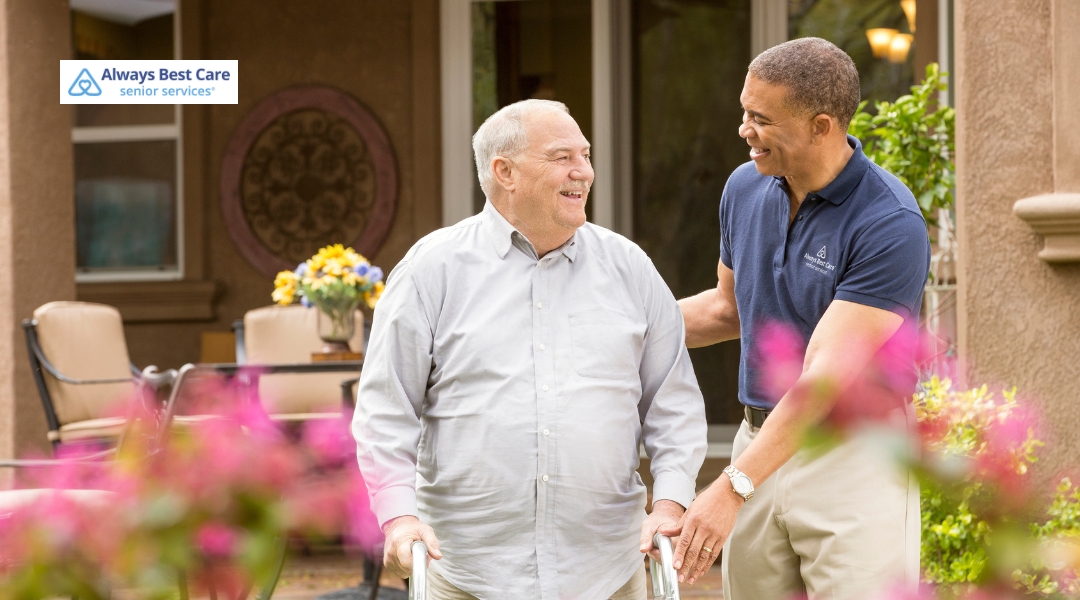
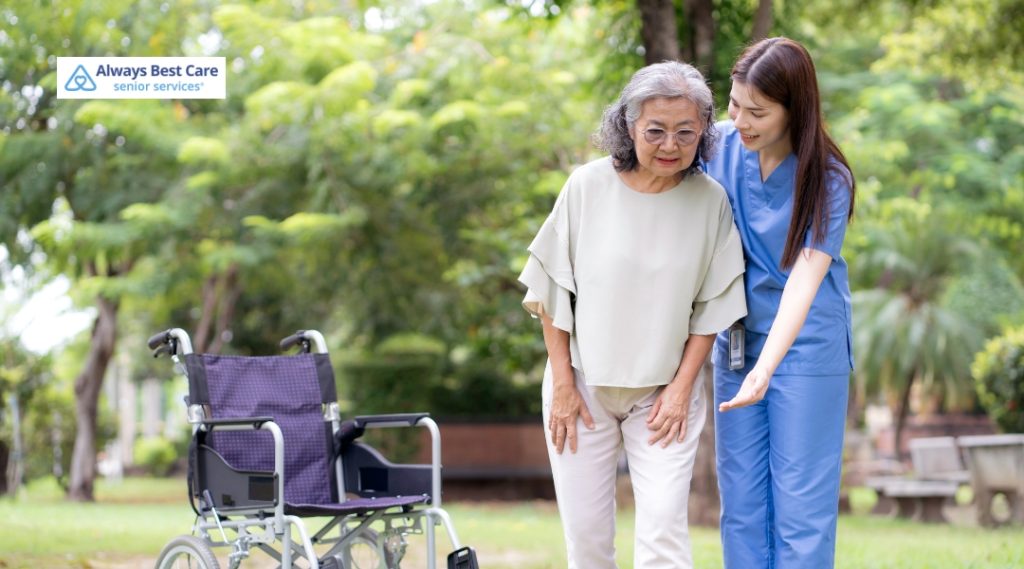
Seniors who enjoy gardening, morning walks, or simply sitting on the porch deserve an outdoor space that’s as safe as it is enjoyable. Before summer activity picks up, do a thorough walkthrough of all exterior areas.
Look for and address:
- Cracked or uneven walkways and loose pavers
- Overgrown plants or tree roots that could obstruct paths
- Loose or missing handrails on steps and ramps
- Hoses, tools, or clutter left in walking areas
- Outdoor lighting that needs new bulbs or repositioning
A well-maintained outdoor environment gives seniors the freedom to enjoy fresh air and movement with confidence.
Have a Storm and Power Outage Plan
Summer storms — including hurricanes, depending on your region — can strike with little warning. Seniors are among the most vulnerable during extended power outages, particularly those who rely on medical equipment or temperature-controlled medications.
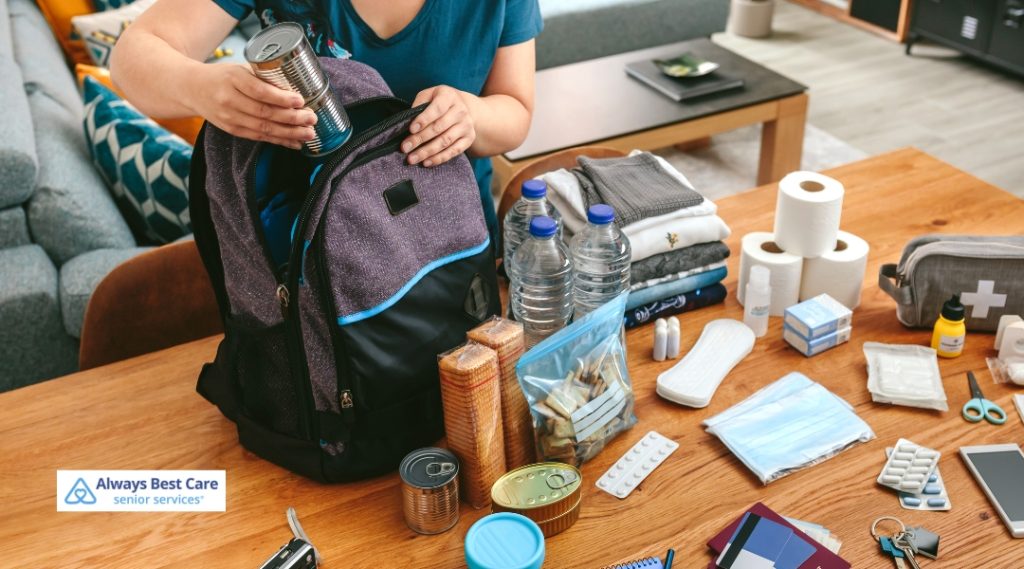
Prepare an emergency kit that includes:
- Bottled water (at least a 3-day supply)
- Nonperishable, easy-to-prepare foods
- Flashlights and backup batteries
- A printed list of medications, dosages, and emergency contacts
- Backup charging options for phones and medical devices
- Copies of important documents
Equally important: establish a communication plan with family members so everyone knows who to contact and where to go if conditions become unsafe.
Protect Medications from the Heat
Many people overlook how summer heat affects medications. Some drugs lose potency when exposed to high temperatures, while others — including certain blood pressure and diuretic medications — can increase a senior’s sensitivity to heat.
To keep medications safe and effective:
- Store all medications according to label instructions, away from direct sunlight
- Avoid leaving medications in hot cars or near windows
- Ask a pharmacist or physician about any heat-related interactions or side effects
- Check expiration dates and dispose of outdated medications properly
A quick conversation with a healthcare provider can clarify what to watch for and when to seek help.

Reduce Indoor Fall Risks
Fall prevention is a year-round priority, but summer introduces some specific hazards. Wet floors from tracking in water after outdoor activities, increased foot traffic, and changes in routine can all raise the risk of a slip or fall indoors.
Minimize risk by:
- Placing non-slip mats at all entry points and in bathrooms
- Keeping hallways and common areas free of clutter
- Ensuring every room has adequate lighting, especially at night
- Encouraging the use of supportive, closed-toe footwear inside and outside the home
Small changes to the home environment can significantly reduce fall risk and support a senior’s confidence and independence.
How Always Best Care of Charleston, SC Can Help
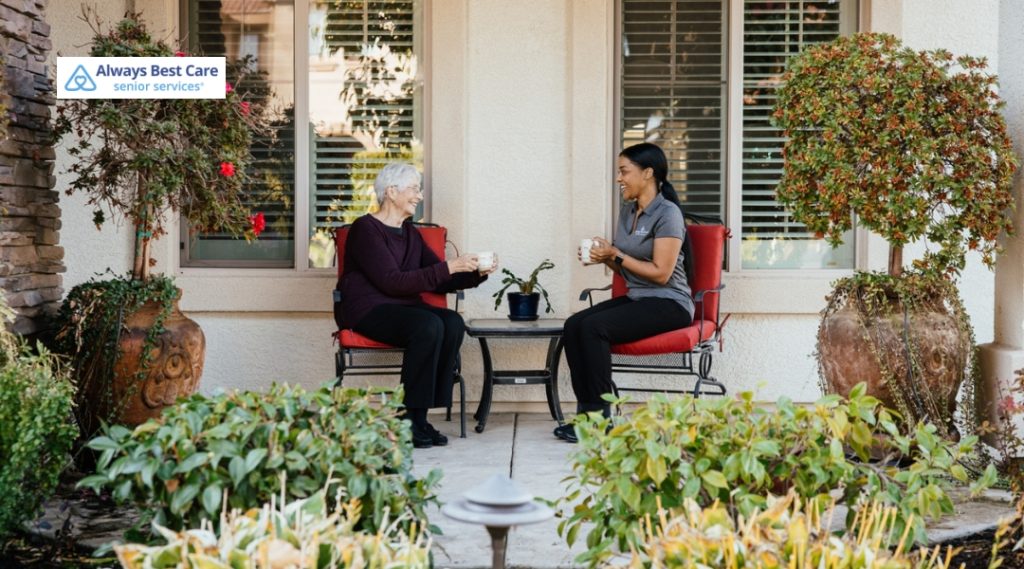
Summer preparation is manageable — but it’s a lot to handle alone, especially for seniors living independently or family caregivers juggling multiple responsibilities. Always Best Care of Charleston, SC provides compassionate, professional in-home support tailored to each individual’s needs.
Our caregivers can help with:
- Home safety walkthroughs and light housekeeping
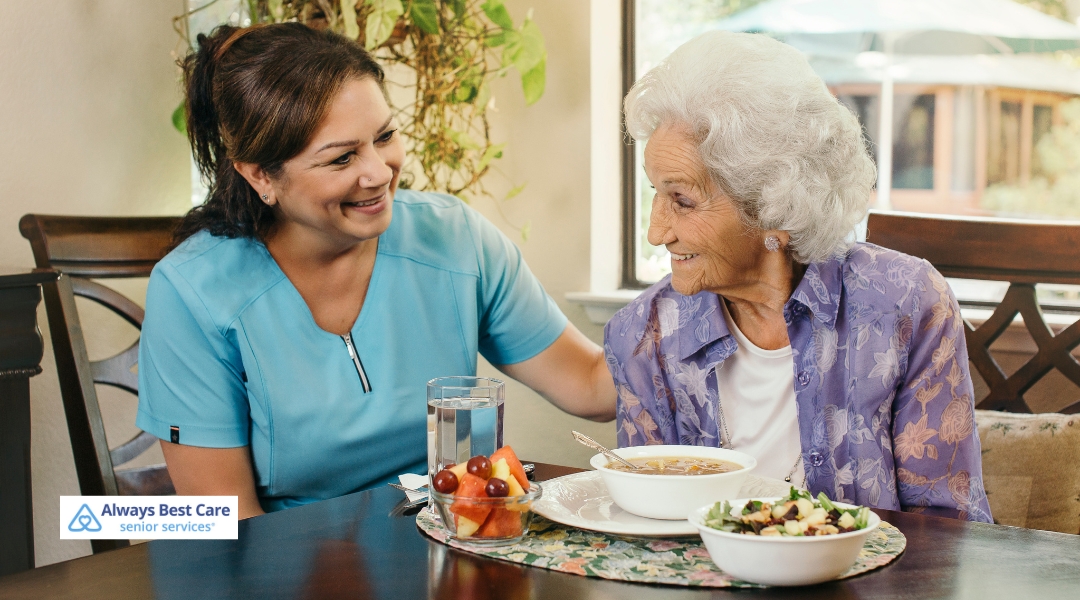
- Meal preparation and daily hydration reminders
- Medication reminders and wellness monitoring
- Transportation to medical appointments and errands
- Companionship and peace of mind for the whole family
Whether your loved one needs a few hours of support each week or more comprehensive daily care, we’re here to help them enjoy summer safely and comfortably.

Frequently Asked Questions
Q: What temperature is considered dangerous for seniors indoors?
A: Indoor temperatures above 80°F (27°C) can become dangerous for older adults, especially those with heart disease, respiratory conditions, or limited mobility. Ideally, indoor spaces should be kept between 68°F and 76°F during summer months.
Q: How much water should a senior drink each day in summer?
A: Most older adults should aim for at least 8 cups (64 oz) of water per day, though individual needs vary based on health conditions, medications, and activity level. During hot weather or physical activity, fluid intake should increase. A physician can provide personalized guidance.
Q: What are the early warning signs of heat exhaustion in seniors?
A: Early signs include heavy sweating, cool or pale skin, weakness, dizziness, nausea, and a rapid or weak pulse. If you notice these symptoms, move the person to a cool area, offer water, and apply cool cloths. If symptoms worsen or don’t improve quickly, call 911.
Q: How can I help a senior who lives alone stay safe during a heat wave?
A: Check in daily — by phone or in person — during periods of extreme heat. Make sure their home is adequately cooled, they have access to water, and they know where to go if their AC fails. Consider enrolling them in a local senior check-in program or arranging professional in-home care.
Q: Are there medications that make heat more dangerous for seniors?
A: Yes. Diuretics, beta-blockers, antihistamines, and certain antidepressants can impair the body’s ability to regulate heat or increase dehydration risk. Always consult a physician or pharmacist to understand how a senior’s specific medications may interact with hot weather.
Q: When should I consider professional in-home care for a senior during summer?
A: If a senior is living alone, has difficulty managing daily tasks, has chronic health conditions worsened by heat, or if family caregivers are struggling to provide consistent support, professional in-home care is worth exploring. It provides both practical assistance and an important safety net throughout the season.

Help Your Loved One Stay Safe and Comfortable This Summer
At Always Best Care of Charleston, we help seniors stay safe, cool, and supported during the summer months. From home safety checks and hydration reminders to transportation and companionship, our caregivers provide personalized care that promotes independence and peace of mind.
Contact Always Best Care of Charleston at (843) 996-4498 to learn more and schedule your free consultation.
Link to the markdown version of this blog.